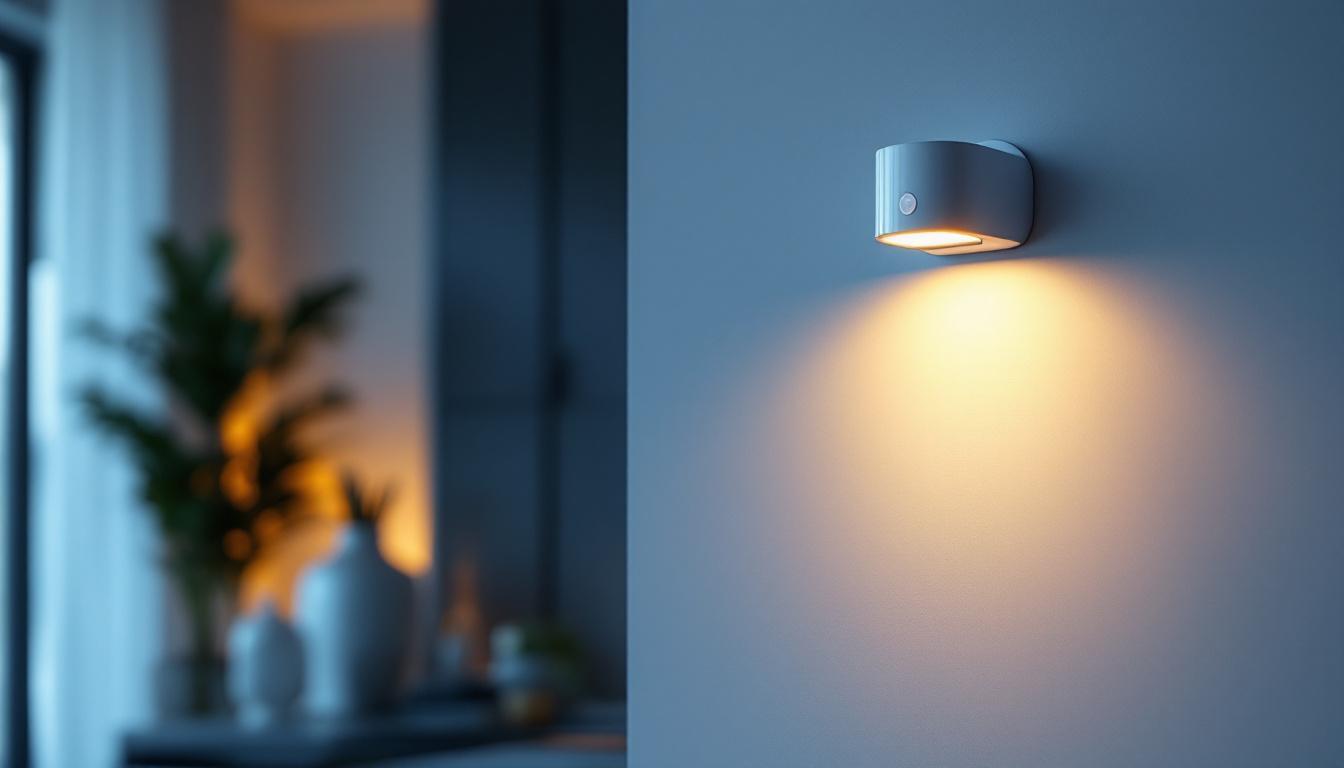
Understanding the Basics of Hanging Recessed Lights
Recessed lighting remains a popular choice among both residential and commercial projects due to its sleek, modern appearance and ability to provide ambient illumination without occupying visual space. For lighting contractors, mastering the installation of hanging recessed lights is essential to delivering professional, high-quality results that meet client expectations.
Hanging recessed lights differ from traditional recessed fixtures primarily in their suspension method and the flexibility they offer in placement and height adjustment. Unlike fixed recessed lights that are flush with the ceiling, hanging recessed fixtures often incorporate a suspension system allowing the light to hang at a desired distance below the ceiling plane. This feature is particularly useful in spaces with high ceilings or where accent lighting is needed.
Before diving into installation, contractors must have a solid understanding of the types of hanging recessed lights available, their components, and compatibility with various ceiling types. This foundational knowledge ensures that the right fixture is selected for each project, optimizing both aesthetics and functionality.
In addition to their versatility, hanging recessed lights come in a variety of styles and finishes, allowing them to seamlessly blend with different interior designs. From sleek, minimalist designs that complement contemporary spaces to more ornate fixtures that enhance traditional decor, the aesthetic options are vast. Furthermore, many hanging recessed lights are now designed to accommodate energy-efficient LED bulbs, which not only provide excellent illumination but also contribute to lower energy costs and reduced environmental impact.
Another important consideration for contractors is the electrical requirements and installation techniques specific to hanging recessed lights. Proper wiring and support systems must be established to ensure safety and functionality. This may involve securing the fixtures to ceiling joists or using specialized mounting hardware to accommodate the weight of the lights. Additionally, understanding the local building codes and regulations is crucial, as they may dictate specific installation practices and safety measures that must be adhered to in order to pass inspections and ensure client satisfaction.
Choosing the Right Fixtures and Components
Fixture Types and Their Applications
There are several varieties of hanging recessed lights, including adjustable gimbal trims, eyeball trims, and fixed trims. Each serves a distinct purpose:
- Adjustable Gimbal Trims: Allow directional lighting, ideal for highlighting artwork or architectural features.
- Eyeball Trims: Provide a focused beam with the ability to swivel and tilt, perfect for task lighting.
- Fixed Trims: Offer a clean, uniform light distribution suitable for general ambient lighting.
Lighting contractors should evaluate the project’s lighting goals to determine the most appropriate trim type. For example, in retail environments, adjustable trims can enhance product displays, while in residential settings, fixed trims may suffice for general illumination. Furthermore, the choice of trim can significantly affect the aesthetic of a space. For instance, sleek, modern trims can complement contemporary decor, while more ornate trims might be better suited for traditional interiors. Understanding the interplay between fixture design and the overall style of the room can elevate the visual appeal of any space.
Compatibility with Ceiling Types and Insulation
Ceiling construction plays a crucial role in selecting hanging recessed lights. Contractors must assess whether the ceiling is drywall, drop ceiling, or a specialty material, as this influences mounting hardware and fixture compatibility. Additionally, insulation contact (IC) ratings are vital for safety and energy efficiency. IC-rated fixtures can safely come into contact with insulation without risk of overheating, which is especially important in residential applications.
Non-IC rated fixtures require a clearance space around the housing, which can complicate installation in insulated ceilings. Lighting contractors should always verify the fixture’s IC rating and match it to the ceiling environment to ensure compliance with building codes and manufacturer guidelines. Moreover, the type of insulation used can also impact the choice of fixtures; for example, spray foam insulation may require different considerations compared to fiberglass batts. Understanding the thermal properties of the insulation can help in selecting fixtures that not only meet safety standards but also enhance energy efficiency, ultimately leading to lower utility bills and a more sustainable home environment.
Planning and Preparation for Installation
Accurate Layout and Spacing
Proper layout planning is fundamental to achieving balanced and effective lighting. Lighting contractors should use detailed floor plans and ceiling measurements to determine fixture placement. The spacing between recessed lights typically ranges from 4 to 6 feet, depending on ceiling height and desired brightness levels. For hanging recessed lights, the height at which fixtures are suspended also affects light distribution and aesthetics. It’s essential to consider the type of activities that will take place in the space, as different functions may require varying intensities and types of lighting. For instance, areas designated for reading or detailed work may benefit from closer spacing and brighter fixtures, while relaxation zones can utilize wider spacing and softer lighting.
In commercial settings, uniform lighting is critical for safety and productivity, while in residential projects, layering light with hanging recessed fixtures can create ambiance and highlight specific areas. Using lighting design software or photometric calculations can assist contractors in optimizing fixture placement and spacing. Additionally, incorporating dimmers and smart lighting controls can enhance flexibility, allowing users to adjust the lighting according to their needs and preferences. This adaptability not only improves functionality but also contributes to energy savings, making it a win-win for both contractors and clients.
Electrical Considerations and Safety Protocols
Before installation, contractors must ensure that the electrical supply meets the fixture’s voltage and wattage requirements. Hanging recessed lights often require dedicated circuits to prevent overloads. Additionally, verifying that junction boxes and wiring are rated for the fixture’s load and environmental conditions is essential. In some cases, it may be necessary to upgrade existing wiring or circuits to accommodate new fixtures, which can add time and cost to the project. Therefore, thorough pre-installation assessments are crucial to identify any potential issues early on, allowing for a smoother installation process.
Safety protocols, including turning off power at the breaker and using insulated tools, are non-negotiable. Contractors should also be familiar with local electrical codes and regulations to avoid violations that could delay project completion or result in costly rework. Furthermore, employing proper personal protective equipment (PPE) such as gloves and safety goggles is vital to ensure worker safety during installation. Regular training sessions on safety practices and electrical standards can also keep teams updated on best practices, fostering a culture of safety that benefits everyone involved in the project.
Installation Best Practices
Step-by-Step Installation Process
Installing hanging recessed lights involves several key steps:
- Marking and Cutting: Use the template provided with the fixture to mark the ceiling. Cut the hole carefully to avoid damage to surrounding materials.
- Mounting the Housing: Secure the recessed housing to the ceiling framing or suspension system. For hanging fixtures, ensure the suspension cables or rods are firmly anchored and adjusted to the desired height.
- Wiring: Connect the fixture wiring to the electrical supply, following polarity and grounding requirements. Use wire nuts and electrical tape to secure connections.
- Installing the Trim and Bulb: Attach the trim to the housing and install the appropriate bulb type, ensuring compatibility with dimmers or controls if used.
- Testing: Restore power and test the fixture for proper operation, checking for flickering, dimming functionality, and secure mounting.
Adhering to manufacturer instructions throughout the process is critical to maintaining warranty coverage and ensuring safety.
Common Installation Challenges and Solutions
Lighting contractors often encounter challenges such as uneven ceiling surfaces, limited access to ceiling cavities, or interference from existing HVAC or plumbing systems. To address these issues:
- Use adjustable mounting brackets or extension kits to accommodate uneven ceilings.
- Employ flexible wiring and junction boxes designed for tight spaces.
- Coordinate with other trades early in the project to plan fixture placement around mechanical systems.
Proactive problem-solving minimizes delays and enhances client satisfaction.
Optimizing Performance and Longevity
Energy Efficiency and Lighting Controls
With increasing emphasis on sustainability, lighting contractors should prioritize energy-efficient fixtures and incorporate lighting controls such as dimmers, occupancy sensors, and smart lighting systems. LED recessed lights are the industry standard due to their long lifespan, low heat output, and reduced energy consumption compared to incandescent or halogen bulbs.
Integrating controls not only enhances user experience by allowing customizable lighting scenes but also contributes to significant energy savings. For instance, occupancy sensors can reduce energy usage in commercial spaces by automatically turning off lights when rooms are unoccupied.
Maintenance and Troubleshooting Tips
Ensuring the longevity of hanging recessed lights requires proper maintenance. Contractors should advise clients on regular cleaning of trims and lenses to prevent dust buildup, which can diminish light output. Additionally, periodic inspection of suspension cables or rods is important to detect any signs of wear or loosening.
Common troubleshooting issues include flickering lights, which may indicate loose wiring or incompatible dimmers, and overheating, often caused by incorrect bulb wattage or insufficient clearance around the fixture. Promptly addressing these issues helps avoid costly repairs and maintains optimal lighting performance.
Staying Updated with Industry Trends and Standards
The lighting industry is continuously evolving with advancements in technology, materials, and design trends. Lighting contractors should stay informed about the latest developments such as tunable white lighting, human-centric lighting designs, and advancements in smart lighting integration.
Moreover, adherence to updated electrical codes and safety standards is imperative. Participating in continuing education, trade shows, and professional organizations can provide valuable insights and networking opportunities that enhance a contractor’s expertise and reputation.
Conclusion
Hanging recessed lights offer versatile and aesthetically pleasing lighting solutions that can elevate any interior space. For lighting contractors, success in installing these fixtures hinges on thorough planning, selecting the right components, adhering to safety standards, and embracing energy-efficient technologies.
By mastering the key tips outlined in this article, contractors can ensure efficient installations, satisfied clients, and a competitive edge in the dynamic lighting industry.
Get Your Premium Lighting Supplies at LumenWholesale
Ready to take your lighting projects to the next level? LumenWholesale is your go-to source for spec-grade, high-quality hanging recessed lights and more, all at unbeatable wholesale prices. Say goodbye to middleman markups and hello to a vast selection of reliable lighting solutions that meet the highest industry standards. Plus, with free shipping on bulk orders, you can stock up on all the lighting essentials you need without any hidden fees. Elevate your installations with the perfect blend of quality, affordability, and convenience. Discover the best value in wholesale lighting today and give your clients the exceptional results they deserve.