Understanding the Importance of Proper Garage Lighting
For lighting contractors, the garage is often an overlooked space when it comes to lighting design and installation. However, garages serve multiple functions—from vehicle storage and maintenance to workshops and hobby areas—making proper illumination essential. Hanging garage lights offer a versatile and effective solution that can dramatically improve visibility, safety, and usability in these spaces.
Proper lighting in garages not only enhances the aesthetic appeal but also significantly reduces accidents caused by poor visibility. According to industry studies, well-lit workspaces can reduce workplace accidents by up to 25%, a statistic that underscores the importance of choosing the right lighting solutions. For contractors, understanding the nuances of hanging garage lights ensures that installations meet both client expectations and safety standards.
In addition to safety, the right lighting can also enhance the functionality of the garage. For instance, LED lights are energy-efficient and have a longer lifespan compared to traditional incandescent bulbs, making them a smart choice for spaces that require consistent illumination. These lights can also be dimmable, allowing users to adjust the brightness based on the task at hand—be it detailed automotive work or simply finding tools in a cluttered space. Furthermore, incorporating task lighting in specific areas, such as above workbenches or tool storage, can further optimize the garage environment, making it more user-friendly and efficient.
Moreover, the aesthetic aspect of garage lighting should not be underestimated. With the rise of home improvement shows and DIY projects, homeowners are increasingly looking to create cohesive designs that reflect their personal style—even in the garage. Stylish hanging fixtures or modern LED strip lights can transform a mundane garage into a well-designed extension of the home. By offering a variety of lighting options, contractors can help clients achieve a balance between functionality and design, ensuring that the garage is not just a utilitarian space but also an inviting area that complements the overall look of the home.
Choosing the Right Hanging Garage Light Fixtures
Types of Hanging Garage Lights
Lighting contractors have several options when selecting hanging fixtures for garages. Common types include LED shop lights, fluorescent tube lights, and high-intensity discharge (HID) lamps. Each has its advantages and trade-offs:
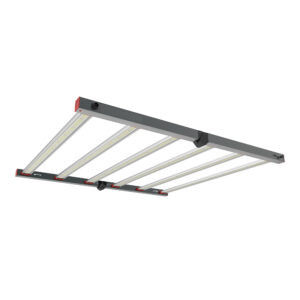
- LED Shop Lights: Energy-efficient, long-lasting, and low-maintenance, LED fixtures have become the industry standard. They provide bright, even illumination and are available in various sizes and styles suitable for garage environments. Furthermore, many LED options come with features like motion sensors and dimmable settings, allowing for greater control over lighting based on specific tasks or activities.
- Fluorescent Tube Lights: Once the go-to choice, fluorescent lights offer good brightness but tend to have shorter lifespans and contain mercury, which raises environmental concerns. They also tend to flicker and take time to warm up, which can be frustrating in a busy garage setting where immediate illumination is needed.
- HID Lamps: These provide intense light output and are useful in very large garages or commercial settings but consume more energy and require longer warm-up times. They are typically used in applications where high-intensity lighting is essential, such as in automotive repair shops or warehouses, but their maintenance can be more demanding due to the need for ballast replacements.
For most residential and light commercial garages, LED hanging lights strike the best balance between performance, energy efficiency, and ease of installation. Their versatility makes them suitable for a variety of tasks, from simple storage to complex mechanical work, ensuring that every corner of the garage is well-lit and functional.
Considerations for Fixture Size and Placement
When selecting hanging lights, contractors must consider the size of the garage and the height of the ceiling. Fixtures that are too small or placed too high may fail to provide adequate illumination, while overly large fixtures can create glare or consume unnecessary energy. Additionally, the color temperature of the light can influence the working environment; cooler temperatures (above 4000K) are often preferred for tasks requiring precision, as they mimic daylight and enhance visibility.
As a rule of thumb, the lumens required for a typical garage range from 3,000 to 6,000 lumens depending on the garage’s size and use. For example, a 400-square-foot garage intended for vehicle maintenance or detailed work may require upwards of 5,000 lumens to ensure sufficient light levels. It’s also worth noting that the layout of the garage can impact lighting needs; areas designated for specific tasks, such as workbenches or tool storage, may benefit from additional focused lighting.
Placement is equally crucial. Hanging fixtures should be positioned to minimize shadows and cover the entire workspace. Installing multiple fixtures in a linear arrangement or a grid pattern can help achieve uniform lighting. Additionally, adjustable hanging chains or rods allow contractors to customize fixture height based on ceiling height and client preferences. This flexibility not only enhances functionality but also contributes to a more aesthetically pleasing environment, as fixtures can be aligned to complement the garage’s overall design. Furthermore, considering the use of reflective surfaces or light-colored walls can amplify the effectiveness of the lighting, ensuring that every inch of the garage is illuminated efficiently.
Technical Installation Tips for Hanging Garage Lights
Ensuring Electrical Safety and Compliance
Lighting contractors must adhere to local electrical codes and safety regulations when installing hanging garage lights. This includes using appropriate wiring methods, securing fixtures properly, and ensuring all components are rated for the specific environment.
Garages often have exposure to dust, moisture, and temperature fluctuations, so selecting fixtures with suitable ingress protection (IP) ratings is critical. For example, an IP44 rating or higher is recommended to protect against dust and water splashes.
Grounding and circuit protection are also essential. Contractors should verify that the electrical circuit can handle the load of the new lighting system and install ground-fault circuit interrupters (GFCIs) where required to enhance safety.
Mounting and Suspension Techniques
Hanging lights are typically suspended from the ceiling using chains, cables, or rods. The choice depends on the ceiling type and the weight of the fixture. For instance, concrete ceilings may require expansion anchors, while wooden joists allow for direct screwing of mounting brackets.
Contractors should always use hardware rated for the fixture’s weight and ensure secure attachment to prevent sagging or falling. Adjustable suspension systems are preferred as they allow for easy repositioning and maintenance.
In addition, it’s important to consider the ease of future maintenance, such as bulb replacement or cleaning. Installing fixtures with quick-release mechanisms or accessible mounting points can save time and reduce labor costs in the long run.
Enhancing Garage Lighting with Smart Controls and Energy Efficiency
Incorporating Motion Sensors and Timers
Modern hanging garage lights can be integrated with smart controls to improve convenience and energy savings. Motion sensors automatically turn lights on when movement is detected and off after a preset period of inactivity, preventing lights from being left on unnecessarily.
Timers can be programmed to operate lights during specific hours, ideal for garages used primarily during the day or evening. These controls not only reduce energy consumption but also extend the lifespan of the fixtures.
Utilizing Dimmable and Tunable Lighting
Dimmable hanging lights allow users to adjust brightness levels based on activity, whether it’s parking a vehicle or performing detailed mechanical work. Tunable white lighting, which changes color temperature, can also enhance the garage environment by providing cooler light for task work and warmer light for general use.
Lighting contractors should recommend compatible dimmers and control systems that integrate seamlessly with the chosen fixtures. This adds value to the installation and meets the growing demand for customizable lighting solutions.
Common Challenges and How to Overcome Them
Dealing with Low or Uneven Ceilings
Many garages have low or uneven ceilings, which can complicate hanging light installations. Fixtures that hang too low may obstruct movement or vehicle doors, while uneven ceilings can cause uneven light distribution.
Contractors can address these issues by opting for low-profile or flush-mounted fixtures where appropriate. Using adjustable suspension kits allows for leveling the lights despite ceiling irregularities. Additionally, combining hanging lights with wall-mounted or under-cabinet lighting can fill in shadows and improve overall illumination.
Mitigating Glare and Shadows
Glare and shadows are common complaints in garage lighting, often caused by improper fixture placement or overly bright bulbs. To minimize glare, contractors should select fixtures with diffusers or lenses that soften light output.
Strategic placement is key: positioning lights to the sides of work areas rather than directly overhead can reduce harsh shadows. Using multiple fixtures spaced evenly also helps create a balanced lighting environment, enhancing visibility and comfort.
Final Recommendations for Lighting Contractors
For lighting contractors, successful hanging garage light installations require a combination of technical expertise, practical knowledge, and attention to client needs. Prioritizing energy-efficient LED fixtures, adhering to safety codes, and incorporating smart controls can elevate the quality of any garage lighting project.
By carefully assessing the garage’s size, ceiling height, and intended use, contractors can recommend and install lighting systems that optimize visibility, safety, and energy savings. Staying informed about the latest lighting technologies and best practices will ensure contractors deliver solutions that satisfy both residential and commercial clients.
Ultimately, well-executed hanging garage lighting not only improves the functionality of the space but also enhances the overall customer experience—building trust and encouraging repeat business.
Illuminate Your Projects with LumenWholesale
Ready to take your garage lighting installations to the next level? Choose LumenWholesale for an unbeatable selection of high-quality, spec-grade hanging garage lights. Our commitment to providing contractors with superior products at wholesale prices means you can enhance every project with reliable, energy-efficient lighting solutions. Enjoy the convenience of bulk buying with free shipping and no hidden fees. Elevate your lighting game and give your clients the best value by visiting Wholesale Lighting at the Best Value today.