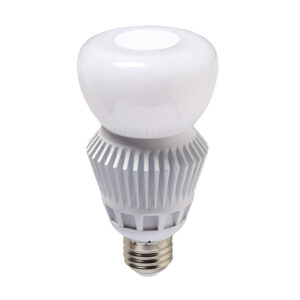
Introduction to Hanging Ceiling Light Bulbs
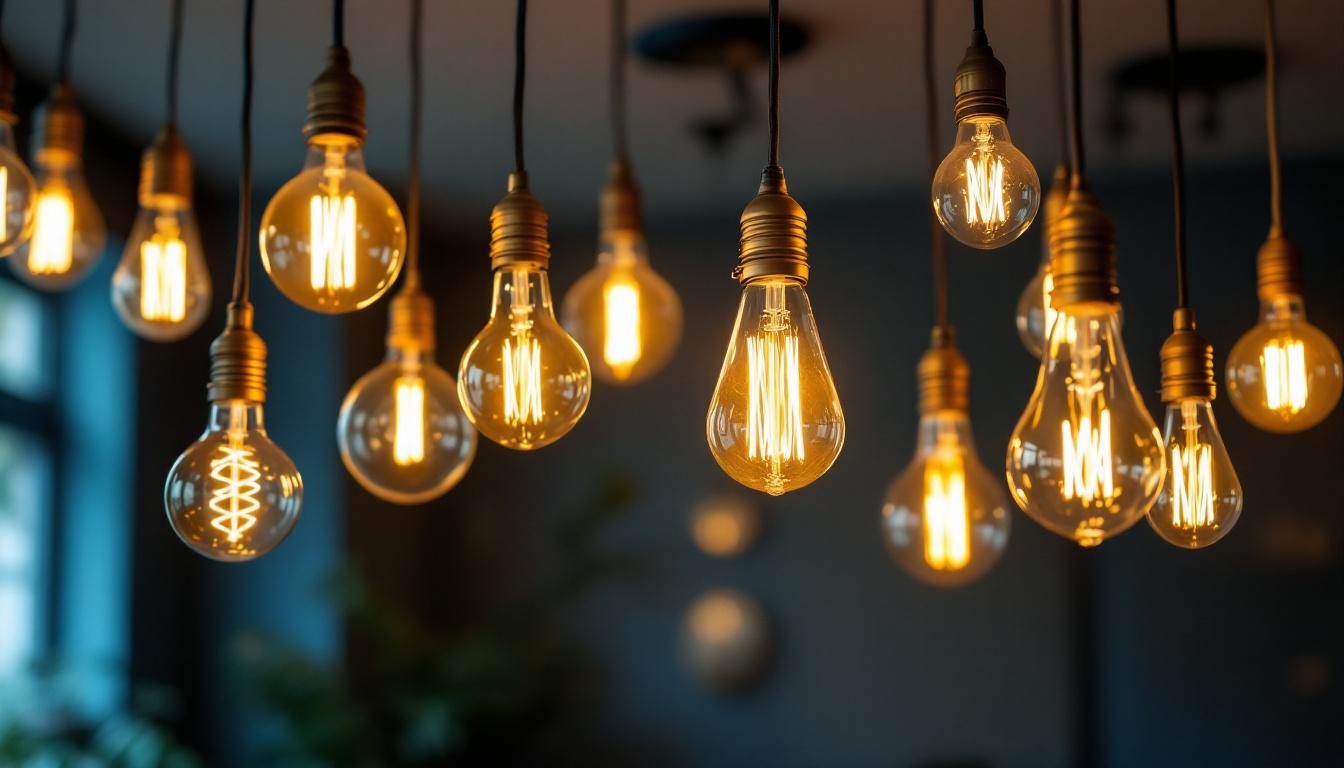
For lighting contractors, understanding the nuances of hanging ceiling light bulbs is essential. These fixtures are not only functional but also play a pivotal role in defining the ambiance and aesthetic of a space. Unlike recessed or flush-mounted lights, hanging ceiling bulbs offer versatility in design and installation, making them a popular choice in both residential and commercial projects.
From minimalist single-bulb pendants to elaborate multi-bulb chandeliers, the variety of hanging ceiling lights available today caters to diverse client needs. However, the success of any installation depends on a contractor’s knowledge of the types, wiring requirements, safety standards, and design considerations associated with these fixtures.
One of the key advantages of hanging ceiling light bulbs is their ability to create focal points within a room. For instance, a striking pendant light over a dining table not only illuminates the space but also serves as a conversation starter, enhancing the overall dining experience. Additionally, the height at which these fixtures are hung can dramatically affect the mood of the room; lower-hanging lights can create an intimate atmosphere, while higher installations can open up the space and make it feel more expansive.
Moreover, the choice of materials and finishes for hanging lights can further influence the character of a space. From sleek metals and glass to rustic wood and fabric, the options are endless. Lighting contractors must stay informed about current trends, such as the growing popularity of eco-friendly LED bulbs and smart lighting technology, which allow for energy efficiency and customizable settings. By integrating these modern advancements into their designs, contractors can not only meet client expectations but also contribute to sustainable practices in the industry.
Types of Hanging Ceiling Light Bulbs and Fixtures
Common Bulb Types Used in Hanging Fixtures
Lighting contractors must be familiar with the various bulb types compatible with hanging ceiling fixtures. The most common include:
- Incandescent Bulbs: Traditional bulbs known for their warm light but less energy-efficient.
- LED Bulbs: Increasingly popular due to energy efficiency, longevity, and a wide range of color temperatures.
- Halogen Bulbs: A type of incandescent bulb that offers brighter, whiter light but generates more heat.
- CFL Bulbs: Compact fluorescent lamps that provide energy savings but contain small amounts of mercury, requiring careful disposal.
Each bulb type influences the fixture’s performance, energy consumption, and maintenance requirements, making selection critical during project planning. For instance, while incandescent bulbs provide a warm ambiance that many find appealing, their shorter lifespan and higher energy consumption can lead to increased costs over time. Conversely, LED bulbs, though initially more expensive, can save homeowners significant amounts on their electricity bills due to their efficiency and longevity. Moreover, the choice of bulb can also affect the overall aesthetic of the space, as different bulbs emit varying qualities of light that can enhance or detract from the design elements of a room.
Popular Hanging Fixture Styles
Hanging ceiling light fixtures come in many styles, each suited to different environments and client preferences. Key styles include:
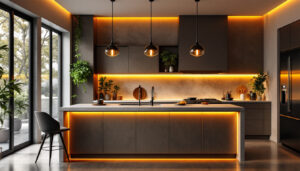
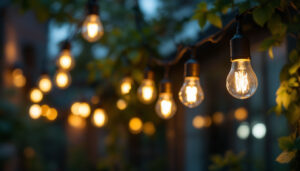
- Pendant Lights: Single bulbs suspended from the ceiling, often adjustable in length, ideal for task lighting above kitchen islands or dining tables.
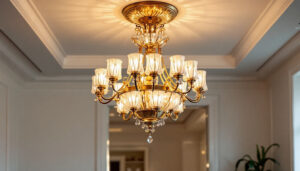
- Chandeliers: Multi-bulb fixtures that can range from traditional crystal designs to modern, industrial looks, often serving as focal points in entryways or living rooms.
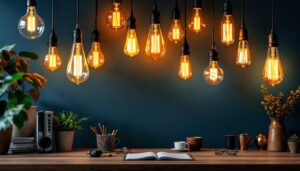
- Cluster Lights: Multiple pendants grouped together to create a dynamic visual effect, popular in commercial spaces and contemporary homes.
- Lanterns and Cage Fixtures: Fixtures that encase the bulb in decorative frames, adding character and style while protecting the bulb.
Choosing the right style of hanging fixture can dramatically alter the atmosphere of a space. For example, pendant lights are not only functional but can also serve as artistic statements, with designs ranging from minimalist to ornate. Chandeliers, on the other hand, often evoke a sense of luxury and grandeur, making them perfect for formal dining areas or grand staircases. Meanwhile, cluster lights can create a modern, eclectic vibe, allowing for creative arrangements that draw the eye upward. Additionally, lanterns and cage fixtures can introduce a rustic or industrial flair, making them ideal for spaces that aim for a warm, inviting feel. As such, the style of the hanging fixture should align with the overall design theme of the space while also considering the practical aspects of lighting needs and fixture placement.
Installation Considerations for Lighting Contractors
Electrical Wiring and Safety Standards
Proper wiring is fundamental to the safe and effective installation of hanging ceiling light bulbs. Contractors must adhere to local electrical codes and standards such as the National Electrical Code (NEC) or equivalent regulations in their region. Key points include:
- Load Capacity: Ensuring the ceiling box and wiring can support the fixture’s weight and electrical load.
- Grounding: Proper grounding to prevent electrical shocks and ensure safety.
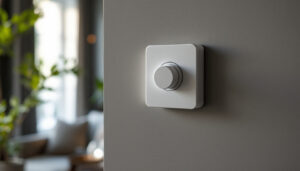
- Switch Compatibility: Confirming that dimmer switches or smart controls are compatible with the bulb type, especially important for LED and CFL bulbs.
- Wire Gauge and Connections: Using the correct wire gauge and secure connections to prevent overheating or short circuits.
Contractors should also verify that the power is turned off at the breaker before beginning installation and use appropriate tools and protective equipment. Additionally, it is crucial to conduct a thorough inspection of existing wiring before installation. This includes checking for any signs of wear, corrosion, or previous modifications that could compromise safety. If any issues are detected, they should be addressed immediately to avoid future problems.
Mounting and Support Systems
Hanging fixtures require secure mounting to support their weight and maintain stability. This often involves:
- Ceiling Boxes: Using UL-listed ceiling boxes rated for the fixture’s weight.
- Anchors and Brackets: Employing heavy-duty anchors or support brackets for heavier fixtures like chandeliers.
- Adjustable Cords or Rods: Selecting the appropriate suspension method to achieve the desired height and alignment.
Attention to these details ensures longevity and prevents accidents caused by falling fixtures. Furthermore, contractors should consider the aesthetic implications of their mounting choices. The visibility of mounting hardware can impact the overall look of the installation, so selecting decorative covers or finishes that blend seamlessly with the fixture can enhance the room’s design. Moreover, ensuring that the fixture is level and properly aligned not only contributes to safety but also to the visual appeal of the lighting arrangement, creating a harmonious atmosphere in the space.
Design and Functional Benefits of Hanging Ceiling Light Bulbs
Enhancing Ambiance and Aesthetics
Hanging ceiling light bulbs contribute significantly to a room’s ambiance. Their placement, bulb type, and fixture style influence the quality and distribution of light, which affects mood and usability. For example, warm LED bulbs in pendant fixtures create cozy, inviting spaces, while bright, cool-toned bulbs in clusters can energize commercial environments. The versatility of hanging lights allows them to serve not only as functional elements but also as striking focal points in a room. A well-placed cluster of hanging bulbs can draw the eye upward, making a space feel larger and more dynamic.
Lighting contractors should collaborate with designers and clients to select fixtures that complement architectural features and interior décor, balancing form and function. The choice of materials—such as glass, metal, or fabric—can further enhance the aesthetic appeal, allowing for a range of styles from industrial chic to modern minimalism. Additionally, the height at which these fixtures are hung can dramatically alter the perception of space; lower-hanging lights can create intimacy in dining areas, while higher placements can maintain an open feel in larger rooms.
Energy Efficiency and Sustainability Considerations
With growing emphasis on sustainable building practices, lighting contractors are increasingly recommending LED bulbs for hanging fixtures. LEDs consume up to 80% less energy than incandescent bulbs and have lifespans that can exceed 25,000 hours, reducing maintenance costs and environmental impact. The shift towards energy-efficient lighting not only aligns with eco-friendly initiatives but also appeals to a growing demographic of consumers who prioritize sustainability in their purchasing decisions. Moreover, the reduced heat output of LEDs minimizes the load on air conditioning systems, further enhancing energy savings.
Moreover, integrating dimmers and smart lighting systems can optimize energy use further, allowing clients to adjust brightness based on natural light availability and activity needs. Smart lighting solutions can also enable remote control and automation, providing convenience and flexibility for homeowners and businesses alike. For instance, programmable settings can automatically adjust the lighting throughout the day, transitioning from bright, energizing light in the morning to softer, more relaxing tones in the evening. This adaptability not only enhances comfort but also promotes a more sustainable lifestyle by ensuring that energy is used efficiently and only when needed.
Common Challenges and Troubleshooting Tips
Flickering and Dimming Issues
Flickering or inconsistent dimming is a common complaint with hanging ceiling light bulbs, particularly when using LEDs or CFLs with incompatible dimmer switches. Lighting contractors should:
- Verify bulb and dimmer compatibility before installation.
- Check for loose wiring or poor connections that may cause flickering.
- Recommend high-quality dimmers designed for LED or CFL bulbs.
Heat Management and Bulb Longevity
Heat buildup can reduce bulb lifespan, especially in enclosed or decorative fixtures. Contractors should ensure:
- Proper ventilation around the bulb.
- Use of bulbs rated for enclosed fixtures if necessary.
- Installation of fixtures with heat-dissipating materials or designs.
Height and Placement Optimization
Incorrect hanging height can impair functionality and aesthetics. General guidelines suggest:
- For pendant lights over dining tables or counters, a height of 28 to 34 inches above the surface is optimal.
- In open spaces, bulbs should hang at least 7 feet above the floor to avoid head clearance issues.
Contractors should measure and adjust cords or rods carefully during installation to meet these standards.
Conclusion: Mastering Hanging Ceiling Light Bulbs as a Lighting Contractor
Mastery of hanging ceiling light bulbs encompasses technical expertise, design sensibility, and adherence to safety protocols. For lighting contractors, this knowledge translates into successful installations that enhance client satisfaction and project quality.
By staying informed about the latest bulb technologies, fixture styles, and regulatory requirements, contractors can offer valuable guidance and deliver lighting solutions that are both beautiful and efficient. Whether working on a residential kitchen or a commercial lobby, the right hanging ceiling light bulb installation can transform a space and elevate the overall experience.
Get Your Premium Hanging Ceiling Light Bulbs at LumenWholesale
Ready to elevate your lighting projects with the finest hanging ceiling light bulbs? Look no further than LumenWholesale, where we provide lighting contractors with exceptional, spec-grade lighting products at unbeatable wholesale prices. Say goodbye to local distributor markups and hello to our extensive selection that meets the highest industry standards. With LumenWholesale, you’ll enjoy the convenience of bulk buying with free shipping, ensuring you get premium lighting at the best value — all without hidden fees or compromises. Make your next project shine and explore our wholesale lighting options today.