Understanding 1000W Grow Lights: Power and Purpose
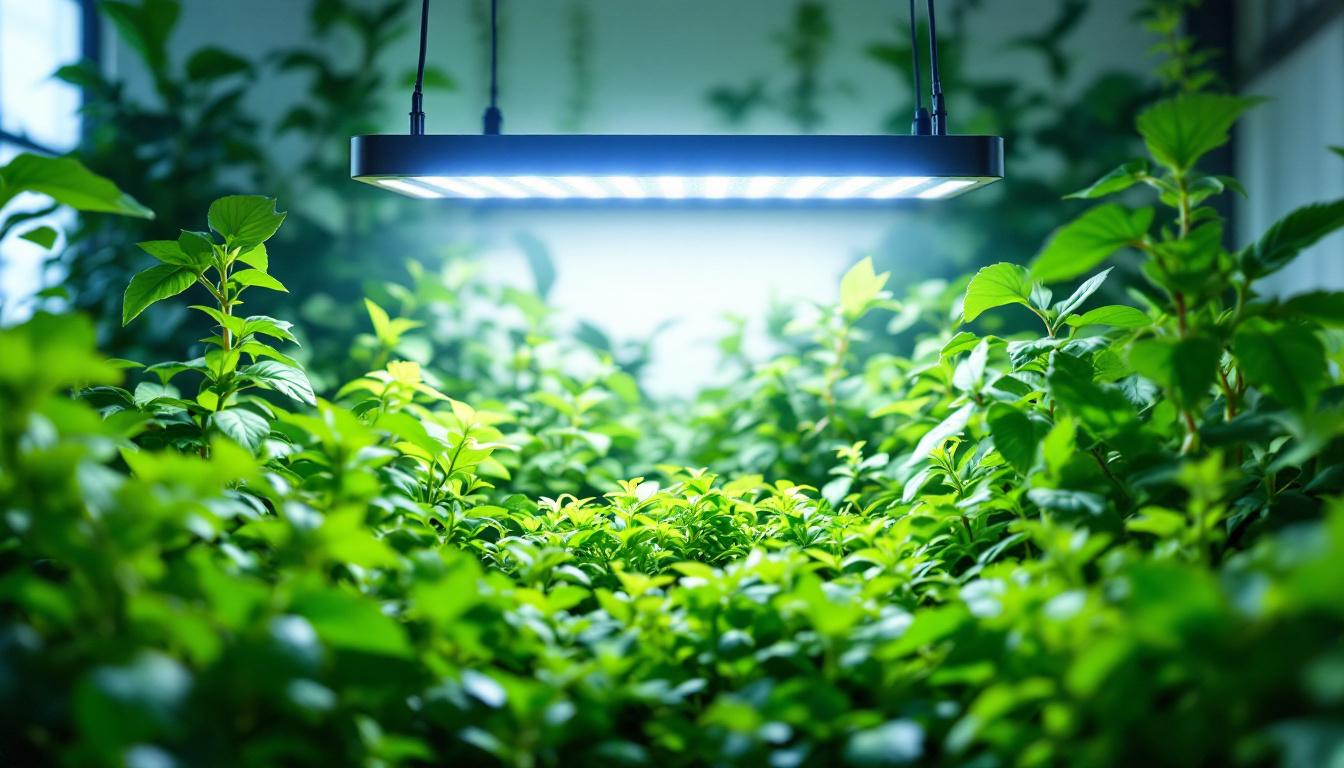
Grow lights have become an indispensable tool in modern horticulture, enabling controlled and optimized plant growth regardless of natural sunlight availability. Among the various types of grow lights, the 1000-watt (1000W) models stand out due to their high power output and widespread use in commercial and large-scale indoor farming operations.
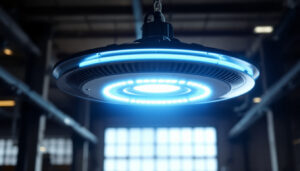
These lights are typically high-intensity discharge (HID) lamps, including metal halide (MH) and high-pressure sodium (HPS) bulbs, although newer technologies like LED have also adopted the 1000W benchmark for comparison. The 1000W rating indicates the electrical power consumed by the light, which correlates to the intensity of light emitted and the coverage area it can effectively illuminate.
For lighting contractors, understanding the characteristics of 1000W grow lights is crucial for designing efficient lighting systems that meet client needs while managing operational costs and energy consumption. The choice between HID and LED technology can significantly impact both the initial investment and long-term operational efficiency. While HID lights are often less expensive upfront, they tend to generate more heat, necessitating additional cooling systems to maintain optimal growing conditions. In contrast, LED grow lights, although typically pricier, offer a longer lifespan and lower energy consumption, making them a more sustainable choice over time.
Moreover, the spectrum of light emitted by 1000W grow lights plays a vital role in plant development. Different stages of plant growth require varying light spectrums; for instance, blue light is essential for vegetative growth, while red light is crucial for flowering and fruiting. Many advanced 1000W LED grow lights come with adjustable spectrums, allowing growers to tailor the light output to the specific needs of their plants throughout their growth cycles. This adaptability not only enhances plant health and yield but also allows for more efficient use of energy, as growers can optimize their lighting setups according to the specific requirements of each crop.
Energy Consumption: The Core Challenge
High Power Draw and Operational Costs
At 1000 watts, these grow lights consume a significant amount of electricity. When operated for extended periods—often 12 to 18 hours daily during different growth phases—the cumulative energy use becomes substantial. This high power draw translates directly into elevated utility bills, which can be a major concern for commercial growers and facility managers. The financial implications of energy consumption can impact the overall profitability of a growing operation, making it essential for growers to carefully analyze their lighting strategies.
Lighting contractors must therefore consider not only the upfront cost of the lighting equipment but also the long-term energy expenses. Selecting the right type of 1000W grow light and optimizing its use can lead to considerable savings over time. Additionally, implementing energy-efficient practices, such as using timers and smart controllers, can further enhance energy savings by ensuring lights are only on when necessary. This proactive approach not only mitigates costs but also aligns with sustainability goals, appealing to environmentally conscious consumers.
Comparing HID and LED 1000W Grow Lights
Traditional HID lamps, such as HPS and MH bulbs, have been the standard for decades due to their proven effectiveness in promoting plant growth. However, these lamps are less energy efficient compared to modern LED alternatives. For instance, a 1000W HID lamp may produce a high light output but also generates substantial heat, requiring additional cooling systems that further increase energy consumption. The heat generated can lead to an increase in air conditioning costs, which compounds the financial burden on growers.
Conversely, 1000W LED grow lights are designed to deliver comparable or superior photosynthetically active radiation (PAR) output with lower power consumption and heat emission. LEDs convert a higher percentage of electrical energy into usable light, reducing waste and improving overall energy efficiency. Furthermore, the longevity of LED lights—often lasting up to 50,000 hours—means fewer replacements and lower maintenance costs over time. This durability not only enhances the reliability of the lighting system but also contributes to a more stable growing environment, which is crucial for maximizing crop yields and quality. As technology continues to evolve, the gap between HID and LED performance narrows, making LEDs an increasingly attractive option for growers looking to optimize their operations.
Impact on Energy Efficiency in Grow Operations
Optimizing Light Spectrum for Plant Growth
Energy efficiency in grow lighting is not solely about reducing wattage; it also involves maximizing the effectiveness of the light spectrum emitted. Plants utilize specific wavelengths for photosynthesis, primarily in the blue (400-500 nm) and red (600-700 nm) ranges. 1000W LED grow lights can be engineered to emit targeted spectra, ensuring that energy is not wasted on non-essential wavelengths.
This spectral optimization means that plants receive the most beneficial light for growth, flowering, and fruiting phases, potentially reducing the total lighting hours needed. Lighting contractors can leverage this by recommending spectral-specific 1000W LED fixtures that enhance crop yield while minimizing energy use. Furthermore, advancements in technology have led to the development of smart lighting systems that can adjust the light spectrum in real-time based on the growth stage of the plants. By integrating sensors that monitor plant health and growth metrics, these systems can tailor the light output to precisely what the plants need at any given moment, further enhancing energy efficiency and crop productivity.
Heat Output and Cooling Requirements
High heat output from traditional 1000W HID grow lights poses a significant energy efficiency challenge. Excessive heat can stress plants and necessitate robust ventilation and cooling systems, which consume additional electricity. This creates a feedback loop where lighting and cooling systems together drive up energy costs.
In contrast, 1000W LED grow lights produce considerably less heat, reducing the burden on HVAC systems. This reduction in ancillary energy consumption is a critical factor in the overall energy efficiency of grow operations. Lighting contractors should assess the thermal management needs of their projects and consider LED solutions to optimize energy use. Additionally, the lower heat output allows for closer placement of lights to the plants, which can enhance light penetration and improve photosynthetic efficiency. This proximity can lead to healthier plants and potentially higher yields, making the initial investment in LED technology not only an energy-saving measure but also a strategic decision for maximizing crop output.
Design Considerations for Energy-Efficient 1000W Grow Light Systems
Fixture Placement and Light Distribution
Proper placement of 1000W grow lights is essential to maximize their effectiveness and energy efficiency. Uniform light distribution ensures that plants receive consistent illumination, preventing overexposure in some areas and underexposure in others. This balance reduces wasted light and energy.
Lighting contractors should utilize photometric analysis and modeling tools to design layouts that optimize spacing, height, and orientation of fixtures. This approach can minimize the number of fixtures needed while maintaining desired light intensity levels, directly impacting energy consumption.
Integration with Automated Controls
Incorporating automated lighting controls, such as dimmers, timers, and sensors, can significantly enhance the energy efficiency of 1000W grow light systems. These controls allow for precise regulation of light intensity and duration based on plant growth stages and environmental conditions.
For example, dimming lights during early growth phases or adjusting light schedules based on ambient light availability can reduce unnecessary energy use. Lighting contractors should recommend and implement smart control systems that enable growers to optimize energy consumption without compromising crop quality.
Case Studies: Energy Efficiency Improvements with 1000W Grow Lights
Transition from HID to LED in Commercial Greenhouses
Several commercial greenhouses have reported significant energy savings after replacing traditional 1000W HID lamps with LED equivalents. One notable example involved a large-scale tomato grower who reduced lighting energy consumption by nearly 40% while maintaining or improving crop yields.
The switch to LED not only lowered electricity bills but also decreased cooling costs due to reduced heat output. This dual benefit underscores the value of investing in energy-efficient 1000W grow light technology from both an operational and environmental perspective.
Optimizing Light Schedules for Cannabis Cultivation
Cannabis cultivation facilities often rely heavily on 1000W grow lights to achieve high yields. By implementing automated dimming and scheduling systems, several operations have optimized their lighting periods to align precisely with plant developmental stages.
This targeted approach reduced overall energy consumption by up to 25%, demonstrating how intelligent management of 1000W grow lights can enhance energy efficiency without sacrificing production quality. Lighting contractors play a pivotal role in designing and installing these sophisticated control systems.
Future Trends and Innovations in 1000W Grow Lighting
Advancements in LED Technology
Continuous improvements in LED technology promise even greater energy efficiency for 1000W grow lights. Innovations such as improved chip efficiency, enhanced thermal management, and customizable spectral outputs are making LEDs more effective and affordable.
Lighting contractors should stay informed about these developments to offer clients cutting-edge solutions that reduce energy consumption and operational costs. The trend toward modular and scalable LED systems also provides flexibility for growers to expand or adjust their lighting setups as needed.
Integration with Renewable Energy Sources
As sustainability becomes a priority, integrating 1000W grow light systems with renewable energy sources like solar or wind power is gaining traction. This combination can drastically reduce the carbon footprint of indoor farming operations.
Lighting contractors can advise clients on designing hybrid systems that incorporate energy-efficient grow lights alongside renewable energy infrastructure, creating resilient and eco-friendly cultivation environments.
Conclusion: Balancing Power and Efficiency
1000W grow lights remain a powerful tool in indoor horticulture, offering the intensity needed for robust plant growth. However, their impact on energy consumption cannot be overlooked. For lighting contractors, the challenge lies in selecting and implementing systems that balance high light output with energy efficiency.
By understanding the differences between HID and LED technologies, optimizing spectral output, managing heat, and integrating smart controls, contractors can design grow light systems that reduce energy costs and environmental impact. Embracing emerging technologies and renewable energy integration further enhances these benefits, positioning 1000W grow lights as a sustainable solution for modern agriculture.
Illuminate Your Projects with LumenWholesale
Ready to enhance your indoor horticulture projects with energy-efficient 1000W grow lights? At LumenWholesale, we provide lighting contractors with the highest quality, spec-grade lighting products at unbeatable wholesale prices. Say goodbye to local distributor markups and hello to superior lighting solutions that meet rigorous industry standards. With our extensive selection, free shipping on bulk orders, and commitment to affordability and convenience, you can trust LumenWholesale to light up your agricultural endeavors. Elevate your grow light systems and optimize energy efficiency by choosing Wholesale Lighting at the Best Value today!