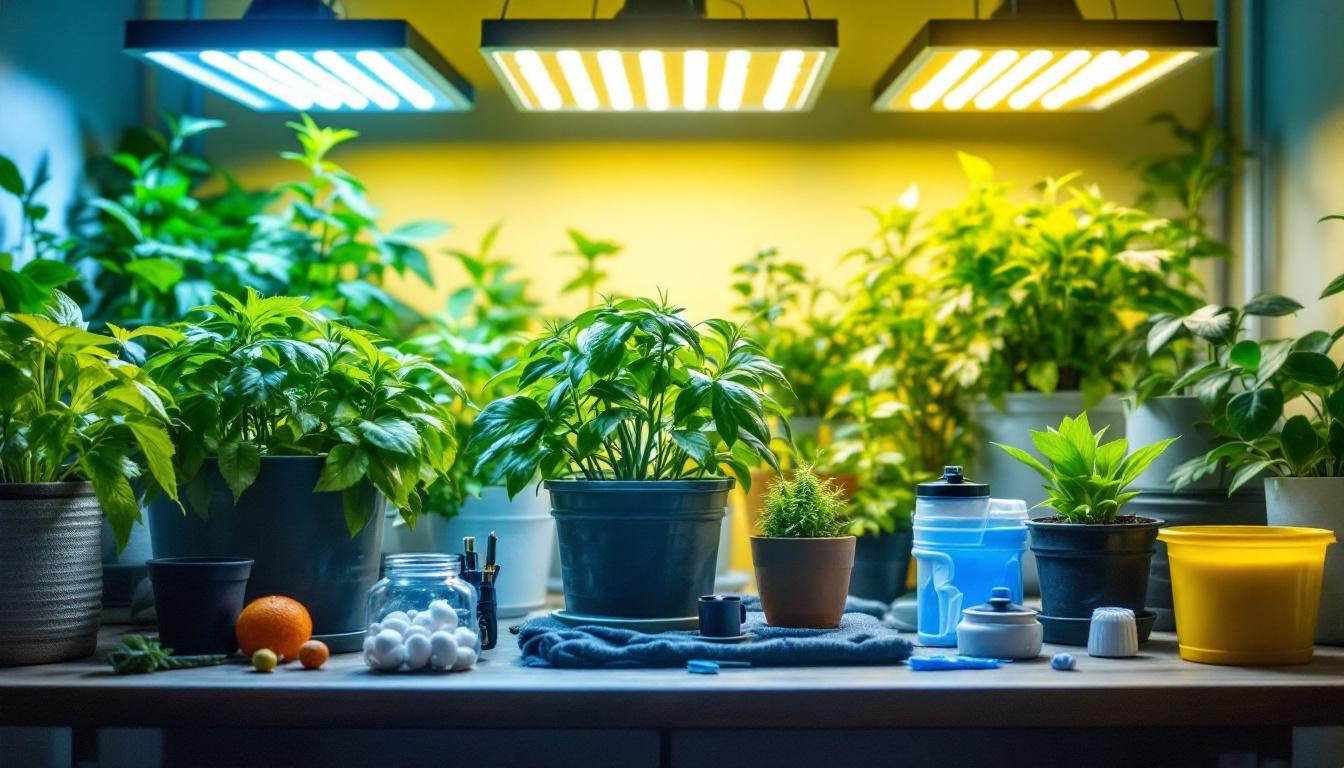
Understanding the Importance of Grow Kits in Modern Lighting Projects
In the evolving landscape of horticulture and controlled environment agriculture, lighting professionals play a pivotal role in designing and implementing effective grow kits. These kits, which combine specialized lighting with environmental controls, are essential for optimizing plant growth indoors or in greenhouses. For lighting contractors, understanding the nuances of grow kits is not only about selecting the right fixtures but also about ensuring energy efficiency, plant health, and system longevity.
With the increasing demand for sustainable and high-yield agricultural practices, grow kits have become a critical component in commercial and residential projects alike. Lighting professionals must be equipped with comprehensive knowledge to meet client expectations and regulatory standards. This article provides an essential checklist tailored for lighting contractors aiming to excel in the grow kit market.
Moreover, the integration of smart technology into grow kits has revolutionized the way lighting systems are managed. Many modern kits now feature advanced sensors and automation capabilities that allow for real-time monitoring of environmental conditions such as temperature, humidity, and light intensity. This not only enhances the efficiency of the growing process but also empowers growers to make data-driven decisions that can lead to improved crop yields. As a result, lighting professionals must stay abreast of the latest technological advancements and be prepared to incorporate these innovations into their designs.
Furthermore, the variety of plants being cultivated in controlled environments has expanded significantly, necessitating a more tailored approach to lighting solutions. Different species have unique light requirements, and understanding these variations is crucial for lighting contractors. For instance, while some plants thrive under high-intensity light, others may require a more subdued spectrum to flourish. This diversity in plant needs underscores the importance of customization in grow kits, allowing lighting professionals to provide bespoke solutions that cater to the specific demands of their clients’ horticultural endeavors.
Key Components of a Grow Kit for Lighting Professionals
Lighting Fixtures: Choosing the Right Spectrum and Intensity
The core of any grow kit is the lighting fixture. Selecting the appropriate light spectrum and intensity is crucial for promoting photosynthesis and healthy plant development. Full-spectrum LED grow lights have become the industry standard due to their energy efficiency, low heat output, and customizable light spectra. These fixtures allow for precise control over the wavelengths emitted, which can be tailored to different growth stages—seedling, vegetative, and flowering.
Lighting contractors should evaluate the photosynthetically active radiation (PAR) output and photosynthetic photon flux density (PPFD) of fixtures to ensure optimal plant response. Additionally, the fixture’s power consumption and heat dissipation characteristics must align with the overall system design to prevent environmental stress on plants. Furthermore, understanding the specific light requirements of different plant species can enhance growth rates and yield quality. For instance, some plants may thrive under blue light during the vegetative stage, while others may require increased red light as they transition into flowering. By leveraging this knowledge, lighting professionals can create tailored lighting solutions that maximize plant productivity.
Power Supplies and Dimming Controls
Reliable and efficient power supplies are essential for maintaining consistent light output and extending fixture lifespan. Grow kits often include drivers capable of dimming and integrating with environmental control systems. Dimming functionality allows for energy savings and fine-tuning of light intensity, which can influence plant morphology and flowering times.
Lighting professionals should verify compatibility between drivers and fixtures, ensuring that dimming protocols such as 0-10V or digital controls are supported. Incorporating smart controls can also enhance system flexibility and data-driven cultivation strategies. Advanced power supplies may also feature built-in sensors that monitor ambient light levels and adjust output accordingly, ensuring that plants receive the optimal amount of light at all times. This not only conserves energy but also promotes healthier growth by mimicking natural light cycles, which can lead to more robust and resilient plants.
Mounting Hardware and Reflectors
Proper mounting solutions ensure that grow lights are positioned at optimal distances and angles relative to the canopy. Adjustable hangers, rails, and brackets provide versatility for different grow environments. Reflectors and lenses can enhance light distribution, reducing shadows and improving uniformity across the plant canopy.
Contractors should assess the durability and corrosion resistance of mounting hardware, especially in humid or nutrient-rich environments. The ability to easily adjust fixture height and orientation is a practical consideration for maintenance and plant growth optimization. Additionally, the choice of reflectors can greatly influence the efficiency of light usage; for example, highly reflective materials can significantly increase the amount of usable light that reaches the plants, thereby enhancing growth rates. Some advanced systems even incorporate parabolic reflectors that focus light directly onto the plant canopy, maximizing light penetration and minimizing waste. Understanding these nuances can help lighting professionals design a more effective and efficient grow environment, ultimately leading to a more successful cultivation operation.
Environmental Considerations in Grow Kit Design
Heat Management and Ventilation
One of the challenges in grow lighting is managing the heat generated by fixtures. Excess heat can stress plants, reduce yields, and shorten equipment life. Effective grow kits incorporate heat sinks, fans, or active cooling systems to maintain stable temperatures. The choice of materials used in the construction of these systems is critical; for example, aluminum heat sinks are often favored for their excellent thermal conductivity, allowing for efficient heat dissipation.
Lighting professionals must evaluate the thermal output of selected fixtures and design ventilation systems accordingly. Integrating temperature sensors and automated controls can help maintain ideal growing conditions and prevent hotspots. Additionally, the layout of the grow space plays a significant role in heat management. A well-planned arrangement of lights and plants can enhance airflow and reduce the risk of overheating, ensuring that every plant receives optimal light without compromising their health.
Humidity and Airflow Control
Humidity levels directly impact plant transpiration and disease susceptibility. Grow kits should be designed with consideration for airflow patterns and humidity regulation. This often involves coordinating lighting placement with HVAC systems or standalone dehumidifiers. The interaction between humidity and temperature is crucial; for instance, higher temperatures can lead to increased evaporation, which in turn raises humidity levels and may create a breeding ground for mold and pests if not properly managed.
Ensuring adequate air circulation around lighting fixtures prevents moisture accumulation and promotes even temperature distribution. Lighting contractors should collaborate with environmental control specialists to create integrated solutions. Furthermore, incorporating features such as adjustable vents or oscillating fans can enhance airflow, allowing for a more dynamic growing environment. This not only helps in maintaining optimal humidity levels but also strengthens plant stems and improves overall plant vigor by mimicking natural wind conditions. The synergy between lighting and environmental controls is essential for achieving the best possible results in indoor cultivation.
Energy Efficiency and Sustainability in Grow Kits
Optimizing Energy Consumption
Energy costs represent a significant portion of operational expenses in indoor cultivation. Lighting professionals must prioritize energy-efficient components to reduce overhead and environmental impact. LED technology, with its superior efficacy compared to traditional HID lamps, is a cornerstone of sustainable grow kits.
Incorporating timers, dimmers, and occupancy sensors can further optimize energy use by aligning light cycles with plant needs and minimizing waste. Additionally, selecting fixtures with high efficacy ratings (measured in micromoles per joule) ensures maximum light output per watt consumed.
Renewable Energy Integration
As sustainability becomes a priority for many clients, lighting contractors should consider the feasibility of integrating renewable energy sources such as solar or wind power into grow kit designs. This approach not only reduces carbon footprint but can also provide energy independence and resilience against grid fluctuations.
Proper system sizing, battery storage, and power management are critical factors when combining grow lighting with renewable energy. Offering these options can differentiate services and appeal to environmentally conscious customers.
Installation and Maintenance Best Practices
Site Assessment and Customization
Before installation, conducting a thorough site assessment is essential. Factors such as available space, ceiling height, electrical infrastructure, and environmental conditions influence grow kit configuration. Lighting contractors should tailor solutions to specific crop requirements and client objectives.
Customizing light placement, spectrum, and intensity ensures that each project maximizes plant health and productivity. Detailed planning reduces the risk of costly adjustments post-installation.
Routine Maintenance and Troubleshooting
Maintaining optimal performance requires regular inspection and upkeep of lighting components. Cleaning lenses and reflectors, checking electrical connections, and monitoring fixture temperatures are standard practices. Early detection of issues such as flickering lights or driver failures prevents downtime and crop loss.
Providing clients with maintenance guidelines and offering service contracts can enhance customer satisfaction and establish long-term partnerships.
Compliance and Safety Considerations
Electrical Codes and Certifications
Grow kits must comply with local electrical codes and safety standards to ensure safe operation. Lighting professionals should verify that all components carry appropriate certifications such as UL, CE, or ETL marks. Adhering to these standards minimizes liability and ensures insurance coverage.
Proper grounding, circuit protection, and wiring practices are fundamental to preventing electrical hazards in moist or conductive environments typical of grow rooms.
Worker Safety and Ergonomics
Installation and maintenance activities involve working with electrical equipment in confined spaces. Lighting contractors should implement safety protocols including lockout/tagout procedures, use of personal protective equipment, and training on safe handling of grow lights.
Ergonomic considerations, such as adjustable mounting hardware and accessible controls, reduce the risk of injury and facilitate efficient operations.
Conclusion: Mastering Grow Kit Solutions for Lighting Professionals
For lighting contractors, mastering the design and implementation of grow kits is a gateway to expanding expertise in a rapidly growing sector. By focusing on the essential components—lighting fixtures, power supplies, mounting hardware—and integrating environmental controls, energy efficiency, and safety measures, professionals can deliver high-quality, reliable solutions that meet the complex needs of modern horticulture.
Staying informed about technological advancements and regulatory changes ensures that lighting contractors remain competitive and capable of providing value-driven services. Ultimately, a well-executed grow kit not only supports plant health and productivity but also reinforces the contractor’s reputation as a knowledgeable and trusted partner in the lighting industry.
Get Your Grow Kits at Unbeatable Wholesale Prices
Ready to elevate your lighting projects with the highest quality grow kits? Look no further than LumenWholesale, where we specialize in providing spec-grade lighting products at wholesale prices that simply can’t be beaten. Our selection is designed to meet the rigorous demands of modern horticulture, ensuring you have access to reliable and high-performance lighting solutions for every project. Plus, with free shipping on bulk orders, you can stock up on premium lighting without worrying about hidden fees or compromises. Don’t miss out on the perfect blend of quality, affordability, and convenience. Visit LumenWholesale today for Wholesale Lighting at the Best Value, and start transforming your grow kit installations into thriving successes.