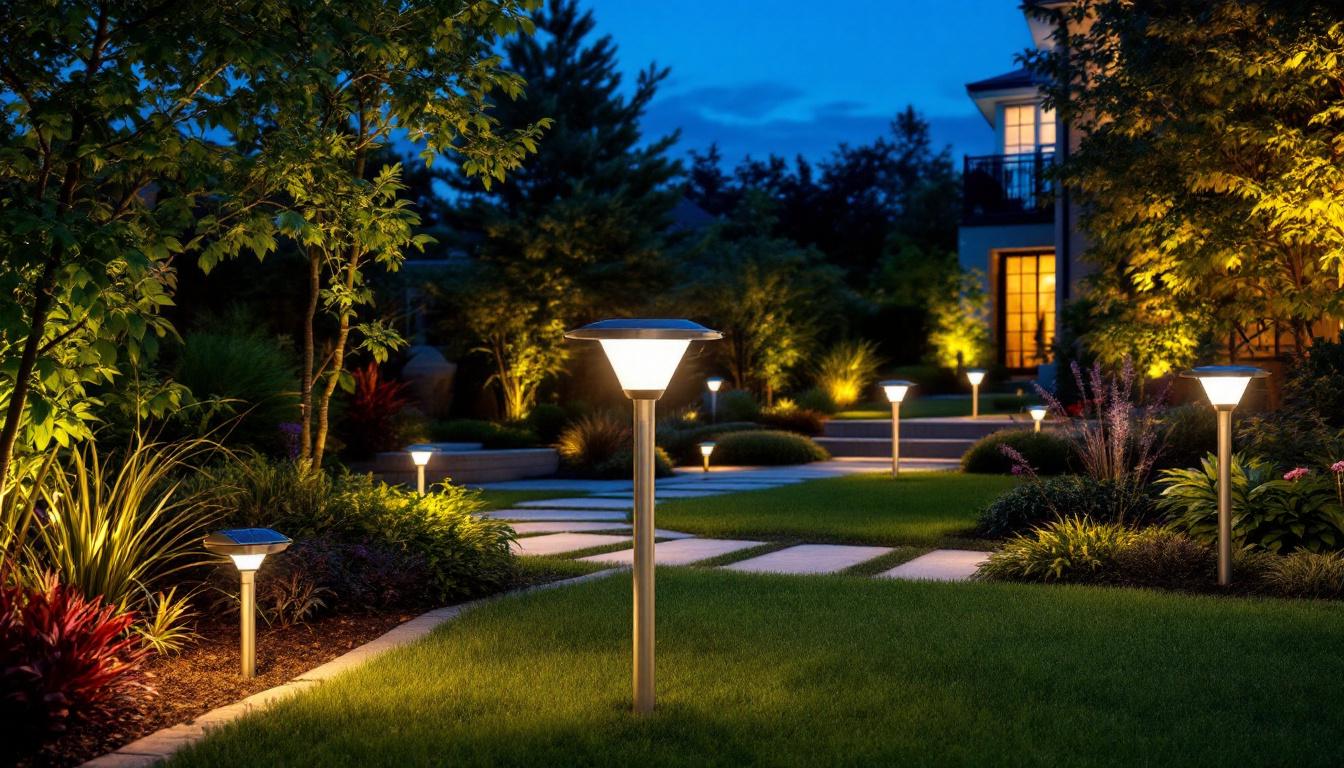
In the realm of outdoor lighting, ground solar lights have emerged as a popular choice for both residential and commercial applications. These lights offer an eco-friendly solution that not only enhances the aesthetic appeal of outdoor spaces but also provides essential illumination. For lighting contractors, understanding the intricacies of ground solar lights is crucial for recommending the right products to clients and ensuring successful installations. This article delves into the various aspects of ground solar lights, including their benefits, types, installation tips, and maintenance considerations.
Understanding Ground Solar Lights
Ground solar lights are outdoor lighting fixtures powered by solar energy. They typically consist of LED bulbs, a solar panel, a rechargeable battery, and a sturdy casing designed to withstand outdoor conditions. The solar panel collects sunlight during the day, converting it into electricity that charges the battery. Once the sun sets, the stored energy powers the LED lights, illuminating the surrounding area.
Benefits of Ground Solar Lights
One of the primary advantages of ground solar lights is their energy efficiency. By harnessing solar power, these lights reduce reliance on traditional electricity sources, leading to lower energy costs and a smaller carbon footprint. Additionally, they are easy to install, often requiring no wiring or electrical expertise. This simplicity not only saves time but also reduces installation costs.
Furthermore, ground solar lights are versatile and can be used in various settings, including gardens, pathways, driveways, and patios. Their mobility allows for easy repositioning, enabling contractors to adapt to changing landscape designs or client preferences. The aesthetic appeal of these lights, available in various styles and designs, also contributes to their popularity, enhancing the overall ambiance of outdoor spaces. Moreover, many models are equipped with motion sensors, providing an added layer of security by illuminating areas when movement is detected, which can deter potential intruders and ensure safety during nighttime hours.
Types of Ground Solar Lights
Ground solar lights come in several types, each designed for specific applications. Understanding these types can help contractors recommend the best options for their clients.
- Pathway Lights: These lights are designed to illuminate walkways and garden paths, ensuring safety and visibility. They often feature a low profile and are spaced evenly along the path.
- Spotlights: Ideal for highlighting specific features such as trees, sculptures, or architectural elements, spotlights provide focused illumination. They can be adjusted to direct light where it is most needed.
- Deck and Patio Lights: These fixtures are designed for installation on decks, patios, or steps, providing ambient lighting for outdoor gatherings. They often come in stylish designs that complement outdoor furniture.
In addition to these common types, there are also decorative solar lights that can serve both functional and aesthetic purposes. These lights often come in unique shapes or colors, adding a whimsical touch to gardens or outdoor events. For instance, solar fairy lights can be draped over trees or shrubs, creating a magical atmosphere for evening gatherings. Additionally, solar lanterns can provide a charming glow while being portable enough to be moved around as needed, making them perfect for picnics or camping trips. The variety of options available ensures that homeowners can find the perfect lighting solution that aligns with their personal style and functional needs.
Installation Tips for Ground Solar Lights
Proper installation is key to maximizing the performance and longevity of ground solar lights. Here are some essential tips for contractors to consider when installing these fixtures.
Choosing the Right Location
The effectiveness of ground solar lights largely depends on their placement. Selecting a location that receives ample sunlight throughout the day is crucial for optimal charging. Areas that are shaded by trees, buildings, or other structures may not provide sufficient sunlight, leading to diminished performance.
Contractors should also consider the intended purpose of the lights. For pathway lights, spacing them evenly along the path ensures consistent illumination. In contrast, spotlights should be positioned at angles that effectively highlight the desired features without creating glare.
Installation Process
Installing ground solar lights is generally straightforward. Most models come with a stake or base that can be easily inserted into the ground. However, it is essential to follow the manufacturer’s instructions for specific installation guidelines.
Before installation, it is advisable to test the lights to ensure they are functioning correctly. This can be done by placing the lights in direct sunlight for a few hours and then checking their performance at night. Once confirmed, contractors can proceed with the installation, ensuring that the lights are securely anchored and positioned at the correct height.
Wiring and Connectivity
One of the significant advantages of ground solar lights is that they do not require wiring, making installation quicker and more convenient. However, for solar lights that may have additional features, such as remote control or smart connectivity, contractors should ensure that all components are correctly paired and functioning.
For models with multiple lights connected to a single solar panel, it is essential to follow the manufacturer’s guidelines regarding the maximum number of lights that can be connected. Overloading the system may lead to performance issues or damage to the lights.
Maintenance of Ground Solar Lights
While ground solar lights are relatively low-maintenance, regular upkeep is necessary to ensure their longevity and optimal performance. Here are some maintenance tips for contractors to share with clients.
Cleaning the Solar Panels
Dust, dirt, and debris can accumulate on solar panels, obstructing sunlight and reducing charging efficiency. It is advisable to clean the panels periodically, especially after heavy rain or storms. A soft cloth or sponge with mild soap and water is typically sufficient for this task. Avoid using abrasive materials that could scratch the panel surface.
Battery Replacement
Most ground solar lights come equipped with rechargeable batteries that may need replacement every few years, depending on usage and environmental conditions. Contractors should educate clients on the signs of battery failure, such as dim lighting or lights not turning on at all. Replacing the battery with a compatible model will restore functionality.
Seasonal Considerations
In regions with harsh winters, it may be beneficial to remove ground solar lights during the colder months to prevent damage from snow and ice. If removal is not possible, ensure that the lights are designed to withstand extreme weather conditions. Additionally, checking for any obstructions, such as overgrown vegetation, can help maintain optimal performance throughout the year.
Choosing the Right Solar Light for Your Project
When selecting ground solar lights for a project, several factors should be considered to ensure the right fit for the client’s needs.
Brightness and Lumens
The brightness of solar lights is measured in lumens, which indicates the amount of light emitted. For pathways and general outdoor lighting, lights with 100 to 200 lumens are typically sufficient. However, for areas requiring more illumination, such as security lighting or highlighting features, lights with 300 lumens or more may be necessary.
Design and Aesthetics
The design of ground solar lights can significantly impact the overall look of an outdoor space. Contractors should consider the architectural style of the property and the client’s preferences when recommending specific designs. Options range from modern and sleek to traditional and ornate, ensuring that there is something to suit every taste.
Durability and Weather Resistance
Outdoor lighting fixtures must be able to withstand various weather conditions. When selecting ground solar lights, contractors should look for models made from durable materials such as stainless steel or high-quality plastic. Additionally, lights with an IP rating (Ingress Protection) of at least 65 are recommended, indicating they are resistant to dust and water.
Cost Considerations
Ground solar lights can vary significantly in cost based on their features, design, and brand. Understanding the cost implications is essential for contractors when budgeting for projects.
Initial Investment vs. Long-Term Savings
While the initial investment in ground solar lights may be higher than traditional lighting options, the long-term savings can be substantial. Solar lights eliminate electricity costs and reduce maintenance expenses due to their long lifespan and low upkeep requirements. Contractors should communicate these benefits to clients, emphasizing the overall value of solar lighting solutions.
Budgeting for Quality
It is essential to strike a balance between cost and quality when selecting ground solar lights. Cheaper options may save money upfront but could lead to higher replacement and maintenance costs in the long run. Investing in reputable brands with proven performance can enhance client satisfaction and reduce the likelihood of issues arising after installation.
Future Trends in Ground Solar Lighting
The field of solar lighting is continuously evolving, with new technologies and trends emerging regularly. Staying informed about these developments can give contractors a competitive edge.
Smart Solar Lighting
Smart technology is making its way into solar lighting, allowing for features such as remote control, motion sensors, and integration with smart home systems. These advancements not only enhance convenience but also improve energy efficiency by ensuring lights are only activated when needed.
Improved Solar Panel Efficiency
As technology advances, solar panels are becoming more efficient at converting sunlight into energy. This improvement means that solar lights can operate longer and brighter, even in less-than-ideal sunlight conditions. Contractors should keep an eye on emerging products that utilize these advanced panels.
Customization Options
More manufacturers are offering customizable solar lighting solutions, allowing contractors to tailor products to meet specific client needs. From adjustable brightness settings to color-changing LEDs, these options can enhance the functionality and appeal of solar lights.
Conclusion
Ground solar lights represent a sustainable and versatile lighting solution for outdoor spaces. With their numerous benefits, including energy efficiency, ease of installation, and aesthetic appeal, they are an excellent choice for contractors looking to provide clients with innovative lighting options. By understanding the various types, installation techniques, maintenance needs, and future trends, lighting contractors can make informed decisions that enhance their projects and satisfy their clients.
As the demand for eco-friendly solutions continues to grow, ground solar lights will play an increasingly important role in outdoor lighting design. By staying informed and adaptable, contractors can ensure they remain at the forefront of this evolving industry.
Illuminate Your Projects with LumenWholesale
Ready to elevate your outdoor lighting projects with the most efficient and stylish ground solar lights? Look no further than LumenWholesale, where we provide contractors with the highest quality, spec-grade lighting products at unbeatable wholesale prices. Say goodbye to local distributor markups and hello to our extensive selection that meets rigorous industry standards. Plus, with free shipping on bulk orders, you can enjoy premium lighting solutions at the best value — all without hidden fees or compromises. Don’t miss out on the perfect combination of quality, affordability, and convenience. Visit LumenWholesale today and discover the best in wholesale lighting for your next project.