Introduction: The Critical Role of Lighting in Gas Stations
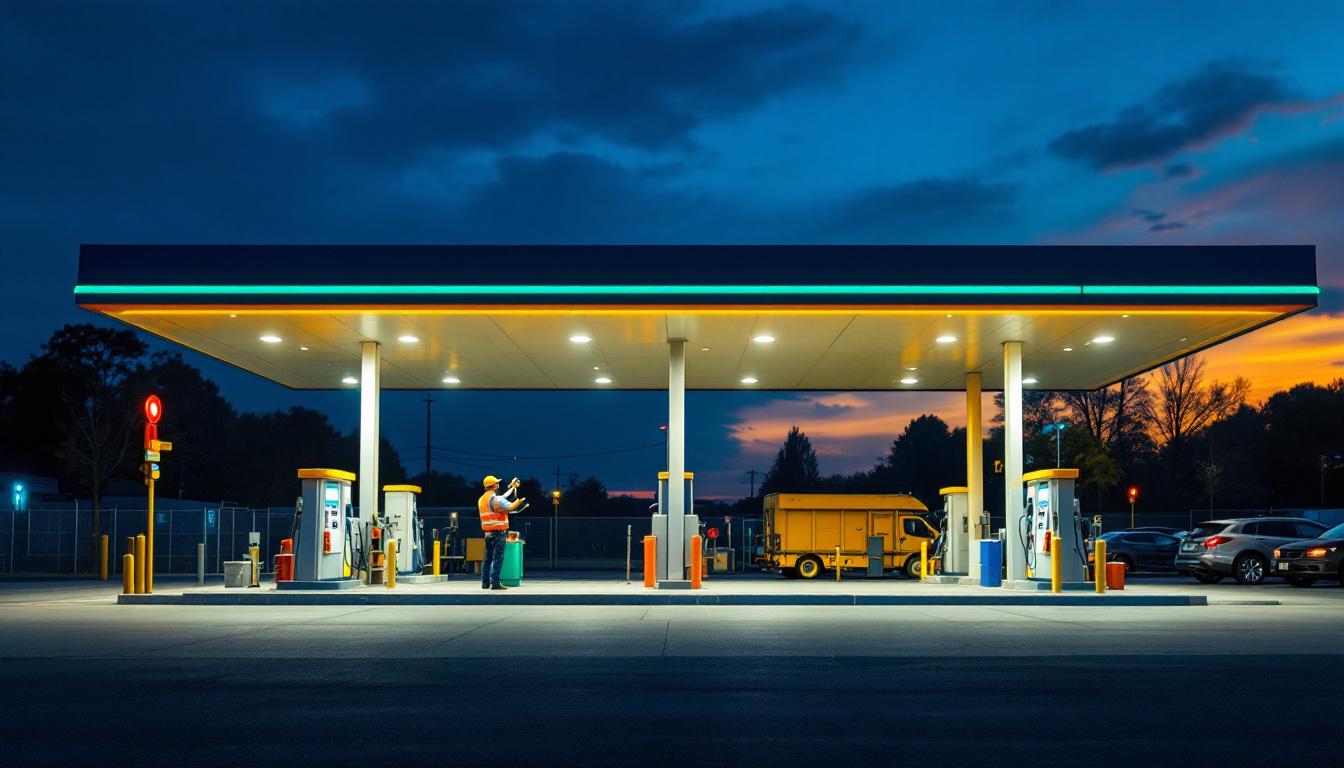
Gas stations are more than just refueling points; they are essential hubs that operate around the clock, serving thousands of customers daily. Proper lighting is crucial not only for safety and security but also for enhancing the customer experience and promoting operational efficiency. For lighting contractors, understanding the unique challenges and requirements of gas station lighting is paramount to delivering effective solutions.
Despite the importance, many contractors encounter common pitfalls that can compromise the performance and longevity of lighting installations at gas stations. This article explores these frequent mistakes, offering insights to help contractors avoid them and ensure optimal results for their clients.
One of the primary considerations in gas station lighting is the balance between illumination and energy efficiency. With the continuous advancements in LED technology, contractors have the opportunity to provide brighter, more effective lighting solutions while significantly reducing energy consumption. This not only helps in lowering operational costs for gas station owners but also aligns with the growing emphasis on sustainability in the industry. Moreover, well-placed lighting can guide customers seamlessly through the refueling process, making their experience more pleasant and efficient.
Additionally, the aesthetic aspect of lighting should not be overlooked. The right lighting can enhance the visual appeal of a gas station, making it more inviting and encouraging customers to stop and refuel. This includes considering color temperature, brightness levels, and the strategic placement of lights to highlight signage and promotional displays. By creating an attractive and well-lit environment, gas stations can differentiate themselves from competitors and foster customer loyalty, ultimately driving higher sales and profitability.
Misunderstanding the Importance of Uniform Illumination
Why Uniform Lighting Matters
Uniform illumination across the gas station premises is essential to eliminate dark spots, reduce shadows, and enhance visibility. Uneven lighting can create safety hazards, encourage criminal activity, and negatively impact customer perception. Studies have shown that well-lit environments significantly reduce incidents of theft and vandalism, making uniform lighting a critical security measure. Moreover, a well-lit gas station can improve the overall customer experience, as patrons feel more secure and comfortable while refueling or making purchases. This sense of safety can lead to increased customer loyalty and higher sales, as consumers are more likely to return to a location where they feel safe and welcomed.
Common Mistakes in Achieving Uniformity
One frequent error is the improper spacing and positioning of light fixtures. Contractors sometimes rely on generic layouts without accounting for the unique architecture and obstacles present at each site. This oversight leads to uneven light distribution, with some areas being over-lit and others under-lit. Additionally, the choice of light color temperature can also affect the perception of brightness; warmer lights may create a cozy atmosphere but can also appear dimmer compared to cooler, daylight-like lights. Therefore, selecting the right color temperature in conjunction with proper fixture placement is crucial for achieving an inviting and safe environment.
Another mistake is the failure to consider the light distribution patterns of fixtures. Using fixtures with narrow beam angles in wide-open areas or vice versa can cause patchy lighting. Selecting the appropriate fixture type and mounting height tailored to the specific zones within the gas station is essential for uniform coverage. Furthermore, the maintenance of these lighting systems is often overlooked. Regular cleaning of fixtures and timely replacement of burnt-out bulbs can significantly enhance the effectiveness of the lighting scheme. A proactive maintenance plan ensures that the gas station remains well-lit at all times, thereby reinforcing safety and security for both customers and staff.
Neglecting Energy Efficiency and Sustainability
The Growing Demand for Energy-Efficient Solutions
Energy consumption is a significant operational cost for gas stations, and lighting typically accounts for a substantial portion of it. With increasing emphasis on sustainability and cost reduction, energy-efficient lighting solutions such as LED technology have become the industry standard. The shift to LED lighting not only reduces energy consumption but also enhances the overall visibility and safety of gas station environments, making them more appealing to customers. Additionally, many LED fixtures have a longer lifespan than traditional bulbs, which means fewer replacements and reduced maintenance costs over time.
Lighting contractors must prioritize energy efficiency not only to comply with regulations but also to provide long-term value to clients. Properly designed lighting systems can reduce energy use by up to 70% compared to traditional fixtures, resulting in significant savings. Moreover, the adoption of energy-efficient solutions can also improve a gas station’s reputation, as consumers are increasingly drawn to businesses that demonstrate a commitment to sustainability. This shift in consumer behavior can lead to increased foot traffic and customer loyalty, further enhancing the financial benefits of energy-efficient upgrades.
Common Pitfalls in Energy-Efficient Lighting Implementation
A common mistake is the over-specification of lighting levels, leading to unnecessary energy consumption. Contractors sometimes install fixtures with higher lumen outputs than required, neglecting to balance brightness with efficiency. This not only wastes energy but can also create an uncomfortable environment for customers, who may find overly bright spaces harsh and uninviting. It is crucial for contractors to conduct thorough assessments of lighting needs based on the specific layout and usage patterns of the gas station to ensure that the lighting is both effective and efficient.
Another issue is ignoring the integration of smart controls such as dimmers, motion sensors, and timers. These technologies optimize energy use by adjusting lighting based on real-time conditions, but they are often overlooked or underutilized. For instance, motion sensors can automatically turn off lights in areas that are not frequently accessed, such as storage rooms or restrooms, while timers can ensure that exterior lights are only on during operational hours. By embracing these smart technologies, gas stations can further enhance their energy savings and operational efficiency, creating a more sustainable business model that benefits both the environment and the bottom line.
Overlooking Environmental and Weather Considerations
Challenges Posed by Outdoor Environments
Gas station lighting is exposed to various environmental factors, including rain, wind, dust, and temperature fluctuations. These conditions can affect fixture performance and longevity if not properly accounted for during design and installation. For instance, heavy rainfall can lead to water pooling in areas where fixtures are installed, potentially causing electrical failures or rusting of metal components. Wind can exacerbate these issues by blowing debris into fixtures, which can obstruct light output and create maintenance challenges. Furthermore, seasonal temperature fluctuations can impact the materials used in lighting fixtures, leading to expansion and contraction that may compromise their structural integrity over time.
Common Oversights in Environmental Adaptation
One frequent error is selecting fixtures without adequate ingress protection (IP) ratings. Using fixtures that are not sufficiently weatherproof can lead to premature failure due to moisture ingress or dust accumulation. This is particularly critical in locations prone to severe weather events, where the risk of damage is heightened. Moreover, inadequate IP ratings can also pose safety hazards, as compromised fixtures may lead to electrical shorts or fires. Contractors must prioritize the selection of fixtures that not only meet but exceed the necessary IP ratings to ensure long-term reliability.
Additionally, contractors sometimes neglect to consider temperature ratings, especially in regions with extreme climates. Fixtures not rated for the local temperature range may experience reduced lifespan or performance issues. For example, in areas that experience intense heat, standard fixtures may overheat, leading to dimming or complete failure. Conversely, in colder climates, components may become brittle and susceptible to breakage. It is essential to choose fixtures that are designed to withstand the specific temperature extremes of the installation site, ensuring that they operate efficiently and safely throughout the year. Furthermore, understanding the local climate can inform decisions about the type of materials used, such as corrosion-resistant coatings or thermal insulation, which can significantly enhance the durability of gas station lighting systems.
Ignoring Compliance with Safety and Regulatory Standards
The Importance of Adhering to Codes and Standards
Gas stations are subject to stringent safety regulations due to the presence of flammable fuels and high customer traffic. Lighting installations must comply with national and local electrical codes, as well as industry-specific standards such as those from the National Fire Protection Association (NFPA).
Non-compliance can result in legal liabilities, safety hazards, and costly rework. Lighting contractors must stay informed about relevant codes and ensure that all installations meet or exceed these requirements.
Common Compliance Mistakes
Contractors sometimes overlook hazardous location classifications, installing non-rated fixtures in areas where explosion-proof or intrinsically safe lighting is required. This oversight poses significant safety risks.
Another common mistake is inadequate grounding and bonding of lighting systems, which can lead to electrical hazards and equipment damage.
Failing to Account for Maintenance and Accessibility
Designing for Long-Term Maintenance
Lighting systems require regular maintenance to ensure consistent performance. Designing installations with ease of access for bulb replacement, cleaning, and repairs minimizes downtime and maintenance costs.
Common Maintenance-Related Errors
Contractors sometimes install fixtures in hard-to-reach locations without considering future maintenance needs. This can lead to increased labor costs and prolonged outages when servicing is required.
Additionally, the use of non-standard or hard-to-source components complicates maintenance efforts and may force premature replacement of entire fixtures.
Underestimating the Impact of Lighting Color and Temperature
The Role of Color Temperature in Customer Experience and Safety
Color temperature influences both the aesthetic appeal and functional effectiveness of gas station lighting. Cooler color temperatures (4000K to 5000K) tend to enhance visibility and create a sense of cleanliness and security, while warmer tones may be less effective in outdoor environments.
Common Mistakes in Color Temperature Selection
Contractors sometimes select lighting with inappropriate color temperatures that reduce contrast and visibility, negatively impacting safety and customer perception.
Moreover, inconsistent color temperatures across different fixtures can create a disjointed visual experience, undermining the uniformity and professionalism of the installation.
Conclusion: Best Practices for Successful Gas Station Lighting Projects
Gas station lighting presents unique challenges that require specialized knowledge and careful planning. By avoiding common mistakes such as poor uniformity, neglecting energy efficiency, ignoring environmental factors, failing to comply with safety standards, overlooking maintenance, and mismanaging color temperature, lighting contractors can deliver superior results.
Successful projects not only enhance safety and security but also improve operational efficiency and customer satisfaction. Staying informed about industry trends, leveraging advanced technologies, and adopting a holistic approach to design and installation are key to excelling in this specialized field.
Illuminate Your Gas Station Projects with LumenWholesale
Ready to avoid the common pitfalls of gas station lighting and ensure your projects shine with safety, efficiency, and style? At LumenWholesale, we provide lighting contractors with the high-quality, spec-grade lighting products you need to succeed. Our unbeatable wholesale prices and commitment to cutting out the middleman mean you get the best value without sacrificing performance. With our wide selection that meets rigorous industry standards and the convenience of free shipping on bulk orders, LumenWholesale is your go-to source for premium lighting solutions. Elevate your gas station lighting projects by choosing Wholesale Lighting at the Best Value today!