Choosing the Right LED Work Light for Garage Projects
Picking the perfect LED work light for a garage isn’t just about brightness. It’s about understanding the environment, the tasks at hand, and the long-term needs of the space. Many lighting contractors jump straight to wattage or lumens without considering other critical factors. This oversight can lead to underperformance or unnecessary expenses down the line.
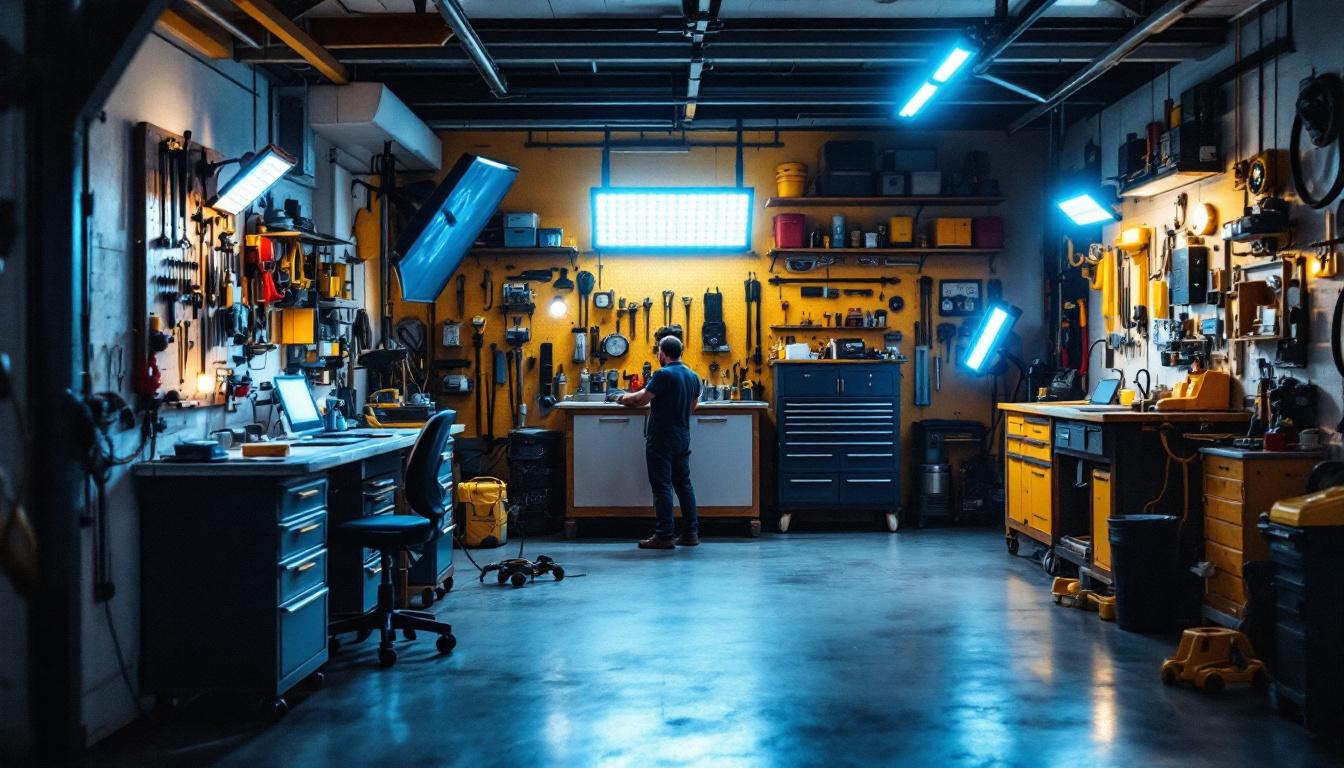
First, consider the size and layout of the garage. A cramped, enclosed space requires different lighting than a large, open workshop. LED lights vary widely in beam angle and intensity, which directly affects coverage. Narrow beams are great for focused tasks like engine repairs, while wide beams illuminate the entire workspace evenly.
Durability is another key factor. Garages are prone to dust, moisture, and occasional impacts. An LED work light with a solid IP rating (Ingress Protection) ensures resistance to dust and water. Look for fixtures rated at least IP65 for reliable performance in these conditions. Ignoring this can result in frequent replacements and higher maintenance costs.
Color Temperature and Its Impact on Visibility
Color temperature plays a subtle but powerful role in how well tasks are performed under LED lighting. Most garage work lights fall between 4000K and 6500K, which ranges from neutral white to daylight. Cooler temperatures (5000K-6500K) mimic natural daylight and enhance contrast, making it easier to spot small details and color differences.
Warmer light (below 4000K) can create a cozy atmosphere but often reduces clarity for detailed work. For contractors, choosing a light that balances brightness with a crisp, cool color temperature improves accuracy and reduces eye strain during long hours.
Additionally, consider the placement of your LED work lights. Strategically positioning lights at different heights and angles can eliminate shadows and provide comprehensive coverage. For instance, mounting lights higher can help illuminate larger areas, while lower placements can focus on specific work zones. Utilizing adjustable or swivel-mounted fixtures can also enhance flexibility, allowing you to direct light exactly where it’s needed most, whether you’re tinkering with machinery or working on intricate projects.
Another aspect to think about is energy efficiency and the potential for smart technology integration. Many modern LED work lights come with features such as dimming capabilities or remote controls, allowing you to adjust brightness based on the task at hand. This not only saves energy but also prolongs the lifespan of the lights, making them a cost-effective solution in the long run. Furthermore, some models even offer connectivity with smart home systems, enabling you to control your lighting through voice commands or mobile apps, adding an extra layer of convenience to your garage projects.
Common Mistakes That Drive Up Costs in Garage Lighting
Costly mistakes often stem from rushing decisions or relying on outdated assumptions. Here are some of the most frequent errors lighting contractors make when installing LED work lights in garages.
Overlooking Proper Placement and Mounting
Where and how a light is installed can make or break its effectiveness. Mounting a powerful LED light too high or in the wrong angle results in shadows and uneven illumination. This forces workers to add more lights or use portable lamps, increasing costs unnecessarily.
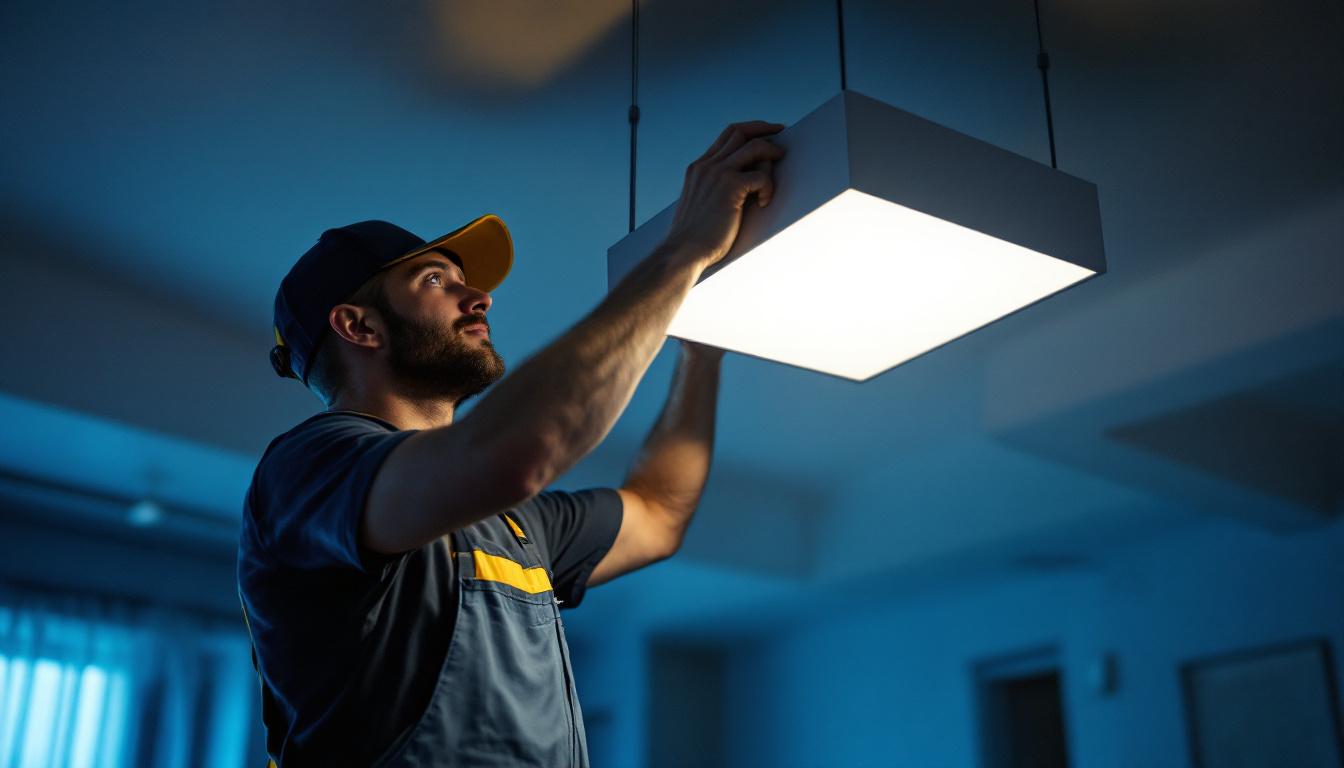
Contractors should plan fixture placement based on the tasks performed in the garage. For example, overhead lights centered over workbenches and vehicle bays provide direct illumination. Adjustable mounts or swivel heads allow for flexibility, adapting to different projects without needing new fixtures. Furthermore, considering the layout of the garage can enhance functionality; for instance, using wall-mounted lights in conjunction with overhead fixtures can create a well-lit environment that minimizes dark corners and enhances safety during intricate tasks.
Ignoring Energy Efficiency and Long-Term Savings
LED technology is celebrated for energy savings, but not all LED work lights are created equal. Some cheaper models consume more power or have shorter lifespans, leading to higher operational expenses. A light with a high efficacy rating (lumens per watt) ensures maximum brightness with minimal energy use.
Additionally, investing in LED lights with a longer rated lifespan reduces replacement frequency. This lowers labor and material costs over time. Contractors should always evaluate total cost of ownership, not just initial purchase price. Moreover, incorporating smart lighting controls can further enhance energy efficiency. Dimmers, motion sensors, and timers can adjust lighting based on actual usage, ensuring that lights are not left on unnecessarily, which can lead to significant savings on electricity bills over time.
Failing to Account for Heat Dissipation
Heat management is often underestimated. Although LEDs generate less heat than incandescent bulbs, they still produce some warmth that must be dissipated to maintain performance and longevity. Poor heat dissipation can cause LEDs to dim prematurely or fail outright.
Look for work lights with integrated heat sinks or cooling fans. These features prevent overheating and protect internal components. Skipping this step may save money upfront but leads to costly repairs or replacements later. Additionally, the choice of materials for the housing of the lights can impact heat management; aluminum fixtures, for instance, are often more effective than plastic ones in dissipating heat. This consideration not only prolongs the lifespan of the lights but also ensures consistent performance, allowing for a safer and more productive workspace.
Optimizing Lighting Design for Garage Workspaces
Effective lighting design goes beyond selecting fixtures. It involves a strategic approach to layering light, controlling glare, and enhancing safety.
Layered Lighting: Combining Ambient, Task, and Accent
Layered lighting means using different types of light sources to create a balanced environment. Ambient lighting provides general illumination, task lighting focuses on specific work areas, and accent lighting highlights particular features or tools.
In a garage, ambient lighting might come from ceiling-mounted LED panels, providing uniform brightness. Task lighting, such as adjustable LED work lights, targets workbenches or vehicle bays. Accent lighting can be used sparingly to illuminate storage shelves or display tools, improving organization and workflow.
In addition to these primary lighting types, consider the color temperature of the lights. Warmer tones can create a cozy atmosphere, while cooler tones are often more energizing and can enhance visibility for detailed tasks. Selecting the right color temperature based on the activities performed in the garage can significantly affect productivity and comfort levels.
Reducing Glare and Shadows
Glare can cause discomfort and reduce visibility, while shadows obscure important details. Both are common problems in garages with poorly designed lighting. Using diffusers, anti-glare lenses, or indirect lighting techniques helps mitigate these issues.
Positioning lights to avoid direct line of sight into the bulb and using multiple light sources to fill shadows ensures a safer and more productive workspace. Contractors should test lighting setups before finalizing installation to identify and correct glare or shadow problems.
Moreover, incorporating reflective surfaces can enhance the effectiveness of existing lighting. By painting walls and ceilings with light colors or using reflective materials in the workspace, you can maximize the light output and minimize the need for additional fixtures. This not only improves visibility but also creates a more inviting environment for those who spend long hours working in the garage.
Incorporating Smart Controls and Dimming
Modern LED work lights often come with smart controls, allowing users to adjust brightness and color temperature based on the task or time of day. Dimming capabilities save energy and extend bulb life, while programmable settings can automate lighting schedules.
For garages used at different times or for varied purposes, smart lighting adds flexibility and convenience. It also appeals to clients looking for modern, efficient solutions.
Additionally, integrating motion sensors can enhance the functionality of garage lighting. These sensors can automatically turn lights on when someone enters the space and off when it is unoccupied, ensuring that energy is not wasted. This feature is particularly useful in larger garages or for those who frequently move in and out, as it provides both efficiency and ease of use without the need for manual switches.
Maintenance and Safety Considerations for LED Garage Lighting
Proper maintenance and safety protocols ensure that garage lighting remains effective and reliable over time.
Routine Cleaning and Inspection
Dust and grime accumulate quickly in garages, reducing light output and potentially damaging fixtures. Regular cleaning of lenses and housings keeps LED work lights performing at peak levels.
Inspections should check for signs of wear, corrosion, or loose connections. Early detection of issues prevents unexpected failures and costly downtime.
Ensuring Electrical Safety and Compliance
LED lighting installations must comply with local electrical codes and standards. Proper wiring, grounding, and use of certified components protect against electrical hazards.
Contractors should verify that all fixtures are rated for the garage environment and that circuit loads are balanced to prevent overloads. Using surge protectors and ground-fault circuit interrupters (GFCIs) adds layers of safety.
Planning for Upgrades and Scalability
Garages evolve over time, and lighting needs may change. Designing systems with scalability in mind allows for easy upgrades or expansions without major rewiring or fixture replacement.
Modular LED systems and standardized mounting options simplify future modifications, saving money and effort in the long run.
Conclusion: Delivering Value Through Thoughtful LED Garage Lighting
Successful garage lighting projects hinge on thoughtful planning, quality product selection, and attention to detail. Avoiding common pitfalls-such as improper placement, ignoring heat management, or overlooking maintenance-can save contractors and clients significant time and money.
By focusing on durability, efficiency, and user comfort, lighting professionals can create workspaces that enhance productivity and safety. The right LED work light is more than a fixture; it’s an investment in the quality and longevity of the garage environment.
Illuminate Your Projects with LumenWholesale
Ready to elevate your garage lighting projects with the best LED work lights on the market? Look no further than LumenWholesale, where we provide contractors with exceptional, spec-grade lighting solutions at wholesale prices that can’t be beaten. Our commitment to quality and affordability ensures that you can light up your workspace without breaking the bank. Plus, with free shipping on bulk orders, you can stock up on premium lighting effortlessly. Don’t let hidden fees dim your project’s potential. Choose LumenWholesale for a bright investment in durability, efficiency, and comfort. Discover wholesale lighting at the best value today!