Understanding the Unique Lighting Needs of Garages
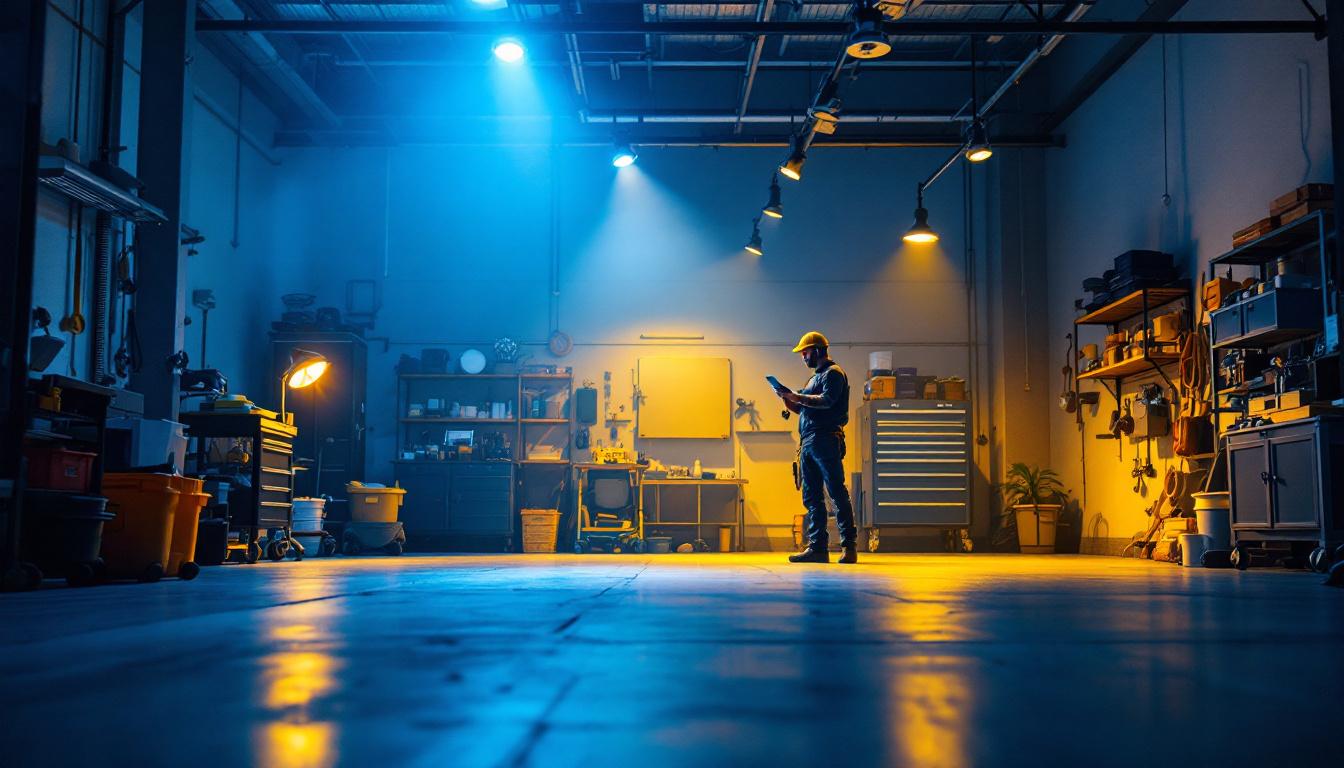
Garages aren’t just places to park cars anymore. They often double as workshops, storage areas, or even hobby zones. This diversity in use means lighting contractors must approach garage lighting with a nuanced understanding of the space’s functions. Unlike typical rooms, garages demand a balance between brightness, durability, and energy efficiency.
One of the first things to consider is the size and layout of the garage. A cramped one-car garage requires a different lighting strategy than a spacious two-car or three-car garage with multiple workstations. Lighting must be both functional and flexible, accommodating activities ranging from simple vehicle parking to detailed mechanical work.
Key Considerations for Garage Lighting
Lighting contractors should assess the ceiling height, wall colors, and natural light availability. For example, a garage with low ceilings may benefit from flush-mounted fixtures to maximize headroom, while taller garages can accommodate pendant or suspended lights that provide broader illumination.
Wall colors impact light reflection. Light-colored walls help bounce light around, reducing the number of fixtures needed. Conversely, darker walls absorb light, requiring more powerful or additional fixtures to achieve adequate brightness.
Another critical aspect to consider is the type of lighting technology used. LED lights have gained popularity due to their energy efficiency and long lifespan, making them a cost-effective choice for garages. They provide instant brightness and can be dimmable, allowing users to adjust the light intensity based on the task at hand. Moreover, incorporating motion sensors can enhance convenience and energy savings, ensuring lights only activate when someone is present in the garage.
Additionally, the placement of lighting fixtures is crucial. Overhead lights should be strategically positioned to eliminate shadows, especially in work areas where precision is essential. Task lighting, such as under-cabinet lights or portable work lamps, can also be beneficial for detailed tasks like woodworking or automotive repairs. By layering different types of lighting, contractors can create a versatile environment that caters to various activities while ensuring safety and functionality.
Choosing the Right Lighting Fixtures
Not all lighting fixtures are created equal when it comes to garages. The environment is often dusty, prone to temperature fluctuations, and may involve exposure to chemicals or moisture. Lighting contractors must select fixtures designed to withstand these conditions. This means considering not only the type of bulb but also the housing and materials of the fixture itself, which should ideally be corrosion-resistant and easy to clean. Additionally, the layout of the garage can influence fixture choice, as different areas may require varying levels of illumination depending on their use.
LED vs. Fluorescent: What Works Best?
LED fixtures have become the go-to choice for garage lighting due to their energy efficiency, longevity, and durability. They turn on instantly, provide consistent brightness, and are less affected by cold temperatures compared to fluorescent lights. LEDs also offer a range of color temperatures, allowing contractors to tailor the ambiance to the client’s needs. For instance, a cooler white light can enhance visibility for detailed tasks, while warmer tones might create a more inviting atmosphere for general use.
Fluorescent lights, once popular for garages, are now less favored because they flicker, take time to warm up, and contain mercury, which poses environmental concerns. However, in some cases, fluorescent fixtures might still be used for budget reasons or specific design preferences. It’s important to note that while they may be cheaper upfront, the long-term costs associated with energy consumption and replacement can make them less economical over time compared to their LED counterparts.
Fixture Types and Placement
Linear LED fixtures are excellent for providing broad, even illumination across the garage floor. These are often mounted on the ceiling, spaced evenly to avoid shadows. For workbenches or tool areas, task lighting such as adjustable LED strip lights or under-cabinet lights can make a significant difference. Proper placement of these fixtures not only enhances visibility but can also improve safety by reducing the risk of accidents in cluttered spaces. Furthermore, utilizing dimmable options can allow users to adjust the brightness based on the task at hand, providing flexibility for various activities.
Motion-activated lights are also a smart addition. They enhance safety and convenience by turning on automatically when someone enters the garage, saving energy when the space is unoccupied. These fixtures can be particularly beneficial in larger garages, where reaching a switch may not be convenient. Additionally, integrating smart lighting systems that can be controlled via smartphone apps or home automation systems can elevate the functionality of garage lighting, allowing users to set schedules, adjust brightness remotely, or even receive alerts when the lights are activated. This modern approach not only adds convenience but also enhances security by ensuring the garage is well-lit whenever needed.
Optimizing Light Layout for Functionality and Safety
Proper light placement is crucial. Poorly positioned lights can create glare, shadows, or dark spots, hindering visibility and increasing the risk of accidents. Contractors need to plan layouts that provide uniform illumination without overwhelming brightness. In addition to safety, effective lighting can enhance productivity, as well-lit environments allow individuals to work more efficiently and with greater precision. A well-thought-out lighting design can transform a workspace from a mundane area into a vibrant and inviting environment, encouraging creativity and focus.
Spacing and Mounting Heights
Spacing between fixtures depends on their lumen output and beam angle. For example, high-output LED fixtures with wide beam angles can be spaced further apart, reducing the total number of fixtures needed. Conversely, narrower beam angles require closer spacing to ensure even coverage. Understanding the specific needs of the space is essential; for instance, areas with high ceilings may benefit from fixtures that combine both high lumen output and a wide beam angle to maximize coverage without sacrificing brightness. Additionally, using lighting design software can help visualize the layout before installation, ensuring that every corner of the space is adequately illuminated.
Mounting height affects how light spreads. Higher fixtures cover larger areas but may reduce brightness at the work surface. Lower fixtures provide focused illumination but risk creating shadows if not positioned carefully. It’s also important to consider the type of activities that will take place in the area. For example, if the space is used for detailed work, such as automotive repairs or crafting, a lower mounting height with adjustable fixtures can provide the necessary focused light, reducing eye strain and improving accuracy. Furthermore, incorporating dimmable options allows for flexibility, enabling users to adjust the intensity based on the task at hand.
Layered Lighting Approach
Incorporating different layers of lighting enhances both functionality and ambiance. Ambient lighting provides general illumination, while task lighting focuses on specific areas like workbenches or storage shelves. Accent lighting can highlight architectural features or add a decorative touch, although this is less common in garages. Utilizing a layered approach not only improves visibility but also creates a more dynamic environment. For instance, using LED strip lights under shelves can illuminate the workspace below while adding a modern aesthetic. Additionally, integrating smart lighting controls can allow users to customize their lighting setup, adjusting brightness and color temperature to suit different tasks or moods.
Moreover, the choice of fixtures can significantly influence the overall effectiveness of the lighting scheme. Selecting energy-efficient options, such as LED lights, not only reduces electricity costs but also minimizes heat output, contributing to a safer working environment. It’s also beneficial to consider the color temperature of the lights; cooler tones can enhance alertness and focus, making them ideal for work areas, while warmer tones can create a more relaxed atmosphere for leisure spaces. By thoughtfully combining these elements, a well-optimized lighting layout can greatly enhance both the safety and functionality of any workspace.
Energy Efficiency and Code Compliance
Energy efficiency is a priority for most clients, and lighting contractors play a key role in recommending solutions that reduce electricity consumption without compromising performance. LED technology, combined with smart controls, offers significant savings.
Smart Controls and Sensors
Occupancy sensors, daylight sensors, and timers can be integrated into garage lighting systems to minimize waste. For instance, lights can automatically dim or switch off when natural light is sufficient or when the garage is unoccupied. These controls not only save energy but also extend the lifespan of fixtures.
Adhering to Electrical Codes and Standards
Lighting contractors must ensure all installations comply with local electrical codes and standards. This includes using fixtures rated for damp or dusty environments, proper grounding, and correct wiring practices. Failure to adhere to these regulations can lead to safety hazards and legal issues.
Addressing Common Challenges in Garage Lighting
Garages often present unique challenges that require creative solutions. Lighting contractors should be prepared to tackle issues such as glare, shadowing, and fixture maintenance.
Managing Glare and Shadows
Glare can be a significant problem, especially when working with shiny surfaces like car bodies or metal tools. Using diffusers or fixtures with adjustable angles can help reduce glare. Additionally, placing lights at multiple angles minimizes harsh shadows, improving overall visibility.
Maintenance and Durability
Garages can accumulate dust, dirt, and grease, which can degrade lighting fixtures over time. Choosing sealed or easy-to-clean fixtures helps maintain performance. Contractors should advise clients on routine maintenance practices to prolong fixture life and ensure consistent lighting quality.
Practical Tips for Lighting Contractors
Successful garage lighting projects hinge on thorough planning and clear communication with clients. Here are some practical tips to keep in mind:
- Conduct a detailed site assessment: Measure the space, note existing light sources, and discuss the client’s intended use of the garage.
- Recommend flexible solutions: Modular lighting systems or adjustable fixtures allow clients to adapt lighting as their needs change.
- Consider future upgrades: Plan wiring and fixture placements to accommodate potential additions like electric vehicle chargers or security cameras.
- Educate clients on energy savings: Highlight the benefits of LED lighting and smart controls to justify initial costs.
- Document the layout: Provide clients with a lighting plan that includes fixture types, locations, and control options.
Conclusion
Designing an effective garage light layout requires a deep understanding of the space’s unique demands and the client’s expectations. Lighting contractors who prioritize functionality, energy efficiency, and safety will deliver solutions that enhance the usability and comfort of garages. Thoughtful fixture selection, strategic placement, and adherence to codes ensure lighting systems that stand the test of time and meet diverse needs.
Illuminate Your Projects with LumenWholesale
Ready to elevate your garage lighting projects with fixtures that blend functionality, energy efficiency, and durability? Look no further than LumenWholesale for a comprehensive selection of spec-grade lighting products at unbeatable wholesale prices. Our commitment to quality and affordability ensures that you can deliver exceptional lighting solutions to your clients while staying on budget. Say goodbye to inflated markups and hello to hassle-free bulk buying with free shipping. Don’t compromise on quality or value—visit LumenWholesale today and discover the best in wholesale lighting for your next project.