Introduction to Fluorescent and LED Lighting Technologies
Lighting contractors frequently encounter the decision between installing fluorescent lighting or transitioning to LED systems. Both technologies have shaped commercial and residential lighting landscapes, but the evolution from fluorescent to LED has introduced complexities that are sometimes underestimated. Understanding the nuances of each lighting type is essential for contractors aiming to deliver optimal solutions tailored to client needs, energy efficiency goals, and long-term maintenance considerations.
Fluorescent lighting, once the dominant choice for commercial spaces, offers broad illumination with relatively low upfront costs. However, the rise of LED technology, with its superior energy efficiency and longevity, has challenged the status quo. Despite this, many contractors overlook critical factors when recommending or installing LED alternatives to fluorescent fixtures, which can affect performance, client satisfaction, and compliance with evolving regulations.
Fluorescent lights operate by passing an electric current through a gas-filled tube, which produces ultraviolet light that excites a phosphor coating on the inside of the tube, resulting in visible light. This technology has been widely used in offices, schools, and retail environments due to its ability to provide a consistent light output. However, fluorescent lights have notable drawbacks, including flickering, a warm-up period, and the presence of hazardous materials like mercury. These limitations can lead to increased maintenance costs and potential safety concerns, which are critical considerations for contractors when advising clients on lighting options.
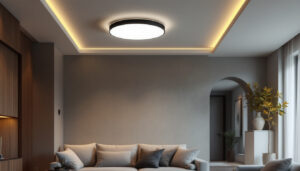
On the other hand, LED lighting has rapidly gained popularity due to its remarkable efficiency, producing more lumens per watt compared to traditional fluorescent bulbs. LEDs also boast a significantly longer lifespan, often exceeding 25,000 hours, which translates to reduced replacement frequency and lower long-term costs. Moreover, advancements in LED technology have led to the development of smart lighting solutions that can be controlled remotely, dimmed, or programmed for specific tasks, providing contractors with the ability to offer customized lighting experiences that enhance both functionality and aesthetics. As the market continues to evolve, staying informed about the latest innovations in LED technology is crucial for contractors who wish to remain competitive and meet the diverse needs of their clients.
Energy Efficiency and Cost Implications: Beyond the Initial Investment
Understanding True Energy Savings
One of the most compelling reasons to switch from fluorescent to LED lighting is energy efficiency. LEDs consume significantly less power to produce the same amount of light, often reducing energy consumption by 40% to 60%. However, lighting contractors sometimes focus too heavily on the wattage comparison alone, neglecting the broader picture of energy savings.
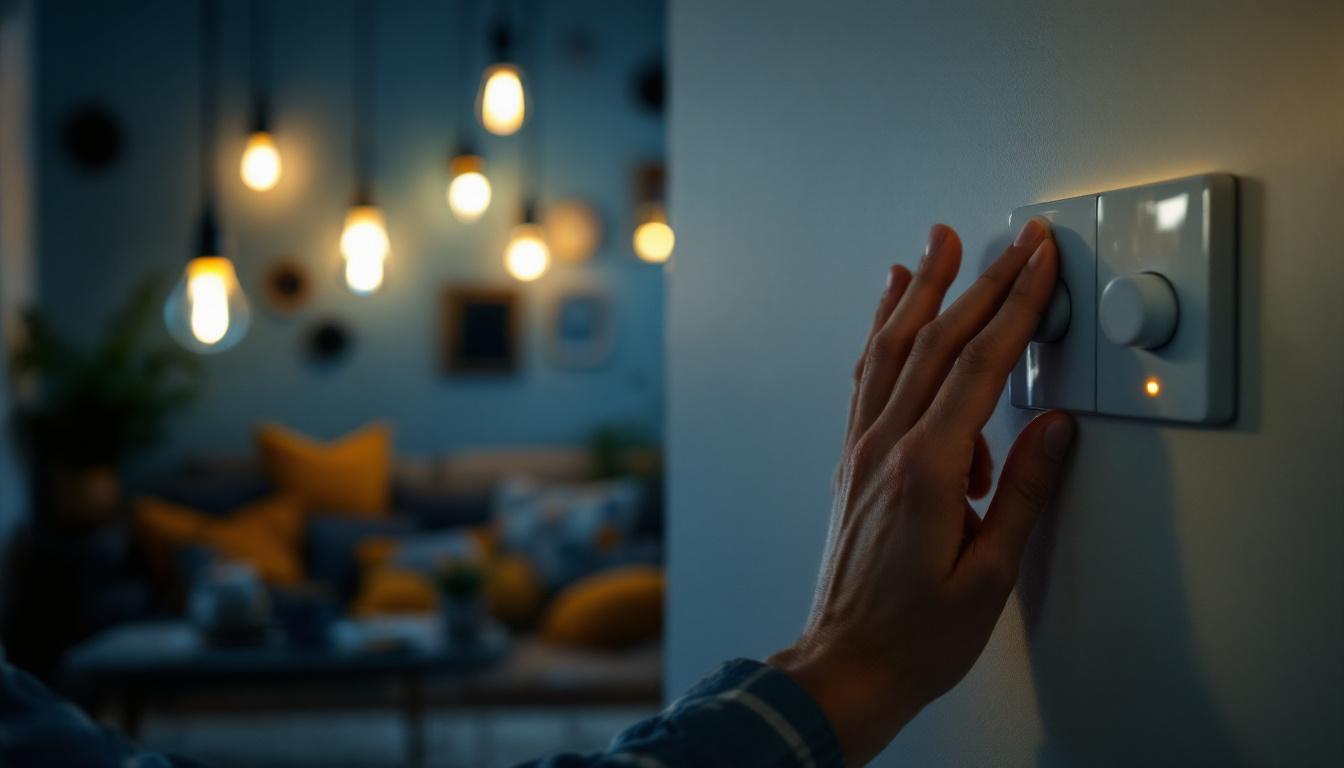
For example, the integration of LED lighting with smart controls such as dimmers, occupancy sensors, and daylight harvesting systems can amplify energy savings. These advanced controls are not always compatible with fluorescent fixtures, which limits their effectiveness. Contractors who overlook the importance of system integration may miss opportunities to maximize energy efficiency for their clients. Furthermore, the ability of LEDs to be dimmed without losing efficiency allows for tailored lighting solutions that can adapt to various activities and times of day, enhancing both comfort and productivity in workspaces. This adaptability not only leads to energy savings but also contributes to a more pleasant and functional environment.
Lifecycle Cost Analysis: Installation, Maintenance, and Replacement
While LEDs typically have a higher upfront cost compared to fluorescent bulbs, their longer lifespan and reduced maintenance requirements often translate into lower total cost of ownership. Fluorescent lamps generally last around 7,000 to 15,000 hours, whereas LEDs can operate for 25,000 to 50,000 hours or more.
Contractors sometimes fail to communicate this lifecycle cost advantage effectively, leading clients to prioritize initial expenses over long-term savings. Additionally, the cost and frequency of ballast replacements for fluorescent systems can add up, a factor that is eliminated with LED fixtures that do not require ballasts. Properly educating clients on these aspects can improve decision-making and project satisfaction. Moreover, the reduced frequency of replacements not only lowers costs but also minimizes disruption in environments such as schools or hospitals, where consistent lighting is crucial. By highlighting these benefits, contractors can help clients appreciate the full value of investing in LED technology, fostering a more informed and sustainable approach to lighting solutions.
Technical Considerations Often Overlooked by Contractors
Compatibility with Existing Fixtures and Ballasts
One common oversight is the assumption that LED tubes can be directly swapped into fluorescent fixtures without modifications. While some LED tubes are designed as plug-and-play replacements compatible with existing ballasts, others require ballast bypass or fixture rewiring. Incorrect installation can lead to reduced performance, flickering, or even safety hazards.
Lighting contractors must assess the type of LED tube and the condition of existing fixtures carefully before installation. Failure to do so can result in costly callbacks and dissatisfied clients. Moreover, understanding manufacturer specifications and warranty conditions related to ballast compatibility is crucial. It’s also worth noting that some older fixtures may not be able to support the latest LED technology, which can lead to inefficiencies and increased energy consumption. In such cases, a complete fixture replacement may be the most effective long-term solution, despite the higher upfront costs. This proactive approach not only ensures optimal performance but also aligns with sustainability goals, as newer fixtures often have better energy ratings and longer lifespans.
Color Rendering and Light Quality
Fluorescent lights have historically been criticized for poor color rendering and flickering issues, which can affect occupant comfort and productivity. LEDs generally offer superior color rendering index (CRI), often above 80 or 90, providing more natural and vibrant lighting.
However, contractors sometimes overlook the importance of selecting the correct color temperature and CRI for the specific application. For instance, cooler color temperatures (5000K and above) may be suitable for industrial settings but can feel harsh in office or retail environments. Tailoring light quality to the space’s function enhances user experience and client satisfaction. Additionally, the impact of light quality extends beyond mere aesthetics; studies have shown that higher CRI lighting can improve mood and cognitive performance, making it essential for environments where people spend extended periods, such as schools and hospitals. Furthermore, the integration of dimmable LED options allows for flexibility in lighting design, enabling users to adjust the ambiance according to their needs, which is particularly beneficial in multi-purpose spaces. This adaptability not only enhances the functionality of the lighting system but also contributes to energy savings by allowing users to optimize light levels based on occupancy and activity.
Regulatory and Environmental Factors Impacting Lighting Choices
Compliance with Energy Codes and Standards
Energy codes such as ASHRAE 90.1 and the International Energy Conservation Code (IECC) increasingly mandate the use of energy-efficient lighting systems. LEDs often help meet or exceed these standards, but contractors must be aware of local regulations and incentives that influence project requirements.
Overlooking these codes can result in non-compliance penalties or missed opportunities for rebates and tax incentives. Lighting contractors should stay informed about evolving standards and incorporate compliance checks into their project planning processes.
Environmental Impact and Sustainability Considerations
Fluorescent lamps contain mercury, a hazardous material requiring careful disposal and recycling. LEDs, by contrast, are mercury-free and generally have a smaller environmental footprint over their lifecycle. However, improper disposal of LED components such as circuit boards and batteries can still pose environmental challenges.
Contractors who educate clients on proper disposal and recycling practices contribute to sustainability goals and corporate social responsibility. Additionally, promoting LED lighting as part of a green building strategy can enhance a contractor’s reputation and marketability.
Installation Best Practices and Avoiding Common Pitfalls
Ensuring Proper Installation and Electrical Compatibility
LED lighting installation requires attention to electrical compatibility, including voltage requirements, driver selection, and thermal management. Unlike fluorescent lamps, LEDs rely on drivers to regulate current and prevent overheating.
Contractors sometimes underestimate the importance of selecting the correct driver and ensuring adequate heat dissipation, leading to premature LED failure. Proper fixture design and installation practices are essential to realize the full benefits of LED technology.
Addressing Flicker and Dimming Challenges
Flicker can be a significant issue affecting occupant comfort and health, particularly in office and educational environments. While LEDs generally reduce flicker compared to fluorescents, certain LED drivers or incompatible dimming controls can introduce flicker problems.
Contractors should test dimming systems thoroughly and select compatible components to avoid flicker. Understanding the nuances of LED dimming technologies, such as TRIAC, 0-10V, or DALI controls, is critical for successful installations.
Future Trends Lighting Contractors Should Monitor
Integration with Smart Building Systems
The future of lighting lies in intelligent systems that integrate with building automation for enhanced energy management and occupant comfort. LEDs are inherently compatible with these systems, enabling features like adaptive lighting, occupancy sensing, and remote monitoring.
Contractors who embrace smart lighting technologies position themselves as forward-thinking partners for clients seeking modern, efficient building solutions. Staying current with IoT-enabled lighting devices and communication protocols such as Zigbee and Bluetooth Mesh is increasingly important.
Advancements in LED Technology and Materials
Continuous improvements in LED chip efficiency, phosphor materials, and thermal management are driving higher performance and lower costs. Emerging technologies such as tunable white LEDs and human-centric lighting are gaining traction, offering dynamic control over color temperature and intensity to support circadian rhythms.
Lighting contractors should remain informed about these advancements to offer cutting-edge solutions that enhance occupant well-being and differentiate their services in a competitive market.
Conclusion: Elevating Lighting Contractor Expertise
Fluorescent to LED lighting transitions present a wealth of opportunities and challenges for lighting contractors. By looking beyond surface-level comparisons and considering energy efficiency, technical compatibility, regulatory compliance, and emerging trends, contractors can deliver superior outcomes for their clients.
Investing time in understanding the intricacies of LED technology, installation best practices, and evolving market demands not only reduces risks but also enhances professional credibility and business growth. Ultimately, lighting contractors who master these often-overlooked aspects will lead the industry toward smarter, more sustainable illumination solutions.
Illuminate Your Projects with LumenWholesale
Ready to elevate your lighting projects and exceed client expectations? LumenWholesale is your trusted partner, offering a vast array of spec-grade LED lighting solutions at unbeatable wholesale prices. Say goodbye to inflated markups and hello to top-quality products that meet the highest industry standards. With free shipping on bulk orders, you can stock up on premium lighting without any hidden fees. Don’t compromise on quality or value—choose LumenWholesale for the perfect blend of affordability and convenience. Take the first step towards smarter, more sustainable lighting solutions by visiting Wholesale Lighting at the Best Value today.