The Role of External Lighting in Safety and Security
When it comes to lighting installations, external lights are far more than just decorative elements. They play a pivotal role in enhancing safety and security around residential, commercial, and industrial properties. Properly designed and installed external lighting can deter potential intruders, reduce accidents, and create a safer environment for occupants and visitors alike.
Studies consistently show that well-lit areas experience fewer criminal activities. For example, outdoor lighting that illuminates entryways, pathways, and parking lots discourages unauthorized access by increasing visibility. This is especially important in areas prone to vandalism or theft, where lighting acts as a first line of defense.
Beyond security, external lighting improves safety by reducing trip hazards and providing clear visibility during nighttime hours. For contractors, understanding the nuances of light placement, intensity, and coverage is essential to ensure that every corner is adequately lit without causing glare or light pollution.
Moreover, the strategic use of lighting can also enhance the aesthetic appeal of a property while serving functional purposes. For instance, well-placed landscape lighting can highlight architectural features and natural elements, creating an inviting atmosphere that encourages community engagement. This not only enhances the visual appeal of the space but also fosters a sense of ownership and pride among residents, which can further deter criminal activity. Additionally, smart lighting systems equipped with motion sensors can automatically adjust brightness levels based on occupancy, ensuring that areas remain illuminated only when needed, thus saving energy and reducing costs.
Furthermore, the psychological impact of lighting should not be overlooked. Brightly lit environments can instill a sense of safety and comfort, making individuals feel more secure as they navigate through public spaces. This is particularly crucial in urban settings, where the presence of adequate lighting can transform a potentially intimidating area into a welcoming one. The combination of functional and aesthetic lighting not only enhances safety but also promotes social interaction, encouraging people to spend more time outdoors and engage with their surroundings, ultimately contributing to a vibrant community life.
Choosing the Right Types of External Lights
Floodlights and Spotlights
Floodlights are among the most common external lighting fixtures used for broad area illumination. They are ideal for lighting up large spaces such as parking lots, building facades, and open yards. Their wide beam angle ensures extensive coverage, which is crucial for security and visibility. Additionally, many floodlights now come equipped with motion sensors, allowing for energy-efficient operation by only activating when movement is detected. This feature not only enhances security but also helps in reducing electricity costs, making them a smart choice for both residential and commercial properties.
Spotlights, on the other hand, focus light on specific areas or objects, such as signage, architectural features, or entry points. They provide targeted illumination and can be used creatively to enhance the aesthetic appeal of a property while maintaining functionality. By adjusting the angle and intensity of spotlights, homeowners can create dramatic effects, highlighting beautiful landscaping or unique architectural details. Moreover, the use of LED technology in spotlights has gained popularity due to its longevity and energy efficiency, allowing for vibrant colors and adjustable brightness levels that can transform outdoor spaces into enchanting environments.
Pathway and Step Lights
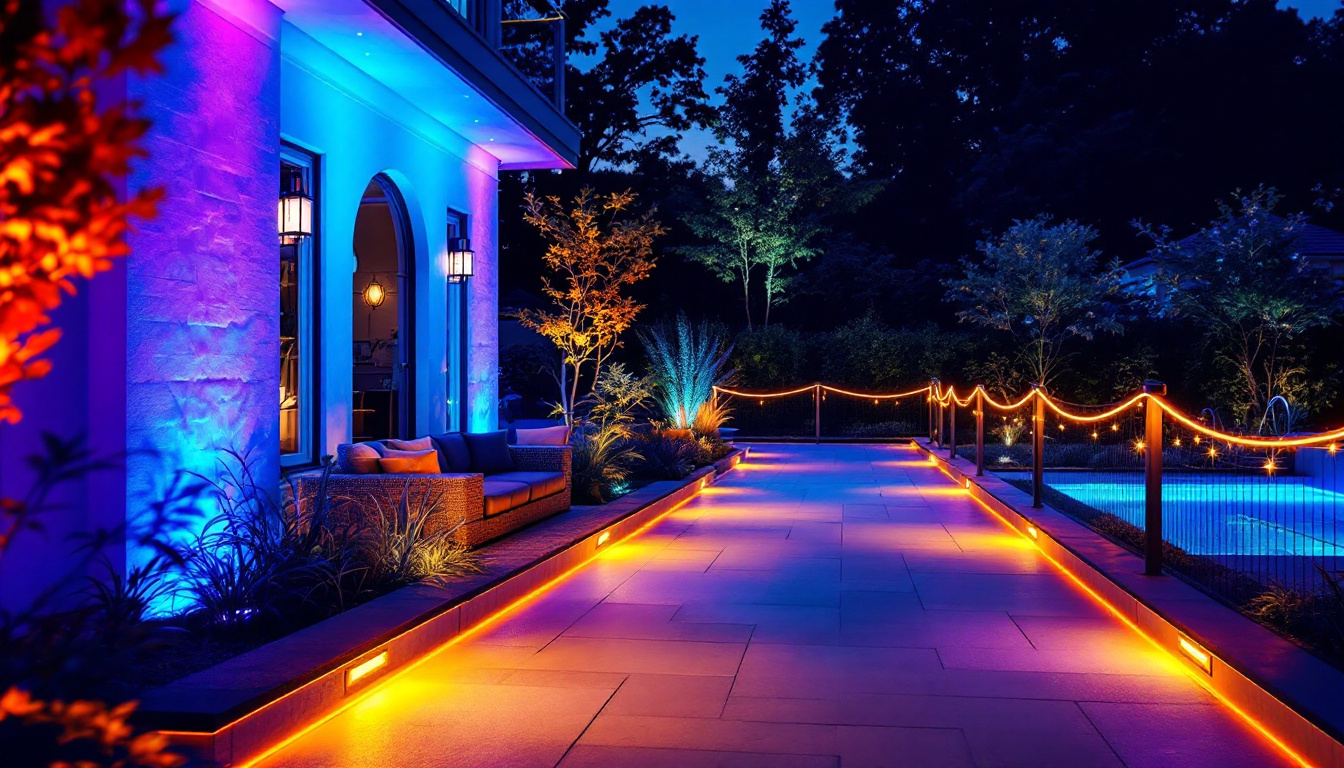
Pathway and step lights serve a dual purpose: guiding people safely and adding subtle ambiance. These fixtures are typically low to the ground and designed to minimize glare, making them perfect for sidewalks, garden paths, and stairways. Their installation requires careful planning to ensure consistent spacing and adequate brightness without overwhelming the surroundings. Furthermore, many modern pathway lights are solar-powered, offering an eco-friendly solution that eliminates the need for wiring and reduces energy consumption. This not only simplifies installation but also allows for greater flexibility in placement, enabling homeowners to enhance their outdoor spaces without the constraints of electrical outlets.
In addition to their practical benefits, pathway and step lights come in a variety of styles and finishes, allowing homeowners to choose options that complement their landscape design. From sleek, contemporary designs to more traditional lantern styles, these lights can seamlessly blend into any outdoor décor. Moreover, incorporating smart lighting technology into pathway and step lights can provide added convenience, allowing homeowners to control their outdoor lighting through mobile apps or voice commands, creating a truly modern outdoor experience.
Wall-Mounted and Post Lights
Wall-mounted lights are versatile fixtures that can be installed near doors, garages, or along building exteriors. They provide localized illumination and contribute to the overall security framework. Available in a range of styles, from sleek and modern to ornate and classic, wall-mounted lights can enhance the architectural character of a home while providing necessary lighting. Many designs also feature weather-resistant materials, ensuring durability against the elements, which is essential for maintaining their functionality over time.
Post lights, often used in residential areas, combine functionality with style, illuminating driveways and entrance gates. These fixtures not only enhance visibility but also serve as decorative elements that can elevate the overall curb appeal of a property. With options for height, design, and light output, homeowners can select post lights that align with their personal style and the overall aesthetic of their home. Additionally, integrating smart technology into post lights can allow for customizable lighting schedules, ensuring that pathways are always well-lit when needed, while also providing a warm welcome to guests arriving at night.
Energy Efficiency and Sustainability Considerations
Energy consumption is a significant concern in lighting installations. External lights, especially those operating for extended hours, can contribute substantially to electricity bills and environmental impact. Lighting contractors must prioritize energy-efficient solutions without compromising performance. The integration of smart lighting systems can further enhance energy savings by allowing for remote control and monitoring, enabling users to adjust settings based on real-time needs and conditions. This adaptability not only conserves energy but also promotes a more sustainable approach to outdoor lighting.
LED technology has revolutionized external lighting by offering high luminosity with minimal power usage. LEDs also boast longer lifespans, reducing maintenance costs and the frequency of replacements. Incorporating motion sensors and timers further optimizes energy use by ensuring lights operate only when necessary. Additionally, the versatility of LED fixtures allows for a variety of designs and applications, from decorative landscape lighting to functional security lights, making them suitable for diverse environments while enhancing aesthetic appeal.
Another factor to consider is light pollution. Excessive or poorly directed lighting can disrupt local ecosystems and contribute to skyglow, affecting both wildlife and human health. Using fixtures with proper shielding and aiming lights downward helps mitigate these effects while maintaining effective illumination. Furthermore, adopting warmer color temperatures in outdoor lighting can reduce glare and minimize the impact on nocturnal animals, fostering a more harmonious coexistence between urban development and nature. As communities become increasingly aware of these issues, the push for environmentally responsible lighting solutions continues to grow, driving innovation and encouraging the adoption of best practices in the industry.
Installation Best Practices for External Lighting
Site Assessment and Planning
Before installation, conducting a thorough site assessment is crucial. Understanding the layout, purpose, and specific needs of the area allows for a customized lighting plan that maximizes effectiveness. This includes identifying high-traffic zones, potential security risks, and aesthetic goals.
Contractors should also consider electrical infrastructure, ensuring that power sources are adequate and safely accessible. Planning for future expansions or upgrades can save time and money down the line.
Proper Mounting and Wiring Techniques
Mounting fixtures securely and at appropriate heights is essential to prevent damage and ensure optimal light distribution. Wiring must comply with local electrical codes and standards to guarantee safety and reliability. Using weather-resistant materials and enclosures protects the system from environmental factors such as moisture, dust, and temperature fluctuations.
Additionally, grounding and surge protection are critical components to safeguard both the lighting system and connected equipment from electrical faults and lightning strikes.
Testing and Maintenance
Once installed, thorough testing verifies that all components function correctly and that lighting levels meet design specifications. Regular maintenance schedules should be established to clean fixtures, replace bulbs, and check for wiring integrity. Proactive upkeep extends the lifespan of the installation and maintains consistent performance.
The Impact of External Lighting on Property Value and Aesthetics
Beyond safety and functionality, external lighting significantly influences the curb appeal and perceived value of a property. Well-executed lighting installations highlight architectural features, landscaping, and outdoor amenities, creating an inviting atmosphere.
For commercial properties, impressive lighting can attract customers and enhance brand image. Residential clients often seek lighting solutions that balance security with warmth and style. Lighting contractors who understand these aesthetic considerations can provide tailored recommendations that satisfy both practical and visual requirements.
Conclusion: Why External Lighting Should Never Be Overlooked
External lighting is a critical component of any comprehensive lighting installation. It serves multiple roles-enhancing safety, improving security, conserving energy, and elevating property aesthetics. For lighting contractors, mastering the selection, installation, and maintenance of external lights is essential to delivering high-quality, reliable solutions.
By prioritizing thoughtful design and leveraging modern technologies, contractors can create outdoor lighting systems that meet client expectations and stand the test of time. Ignoring the importance of external lighting risks compromising safety, efficiency, and overall project success.
Illuminate Your Projects with LumenWholesale
Ready to enhance your lighting installations with the best in safety, security, and aesthetics? Look no further than LumenWholesale for all your external lighting needs. Our spec-grade lighting products are designed to meet the highest industry standards, providing you with reliable and high-performance lighting solutions. With unbeatable wholesale prices and free shipping on bulk orders, you can trust us to deliver premium quality without the premium price tag. Elevate your lighting projects and experience the convenience of shopping with LumenWholesale. Visit us today at Wholesale Lighting at the Best Value and light up your world with confidence.