Introduction to Future-Proofing Exterior Light Posts
In the ever-evolving world of outdoor lighting, contractors face the ongoing challenge of designing and installing exterior light posts that not only meet current standards but also remain relevant and efficient in the years to come. Future-proofing lighting projects is no longer a luxury; it is a necessity to ensure long-term value, sustainability, and client satisfaction.
Exterior light posts serve critical functions—from enhancing safety and security to elevating aesthetic appeal in residential, commercial, and public spaces. As technology and regulations advance rapidly, lighting contractors must adopt strategies that anticipate change, minimize maintenance costs, and maximize adaptability.
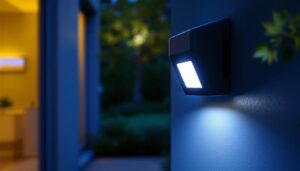
One of the most significant trends in future-proofing exterior light posts is the integration of smart technology. With the rise of the Internet of Things (IoT), lighting systems can now be equipped with sensors that adjust brightness based on ambient light levels, enhancing energy efficiency and reducing electricity costs. Moreover, these smart systems can be monitored and controlled remotely, allowing for real-time adjustments and maintenance alerts, which can significantly extend the lifespan of the fixtures. This not only meets the current demand for energy-efficient solutions but also prepares installations for future technological advancements that may emerge.
Additionally, the materials used in constructing exterior light posts have evolved to enhance durability and sustainability. Modern designs often incorporate recycled materials and finishes that resist corrosion and weathering, ensuring that light posts can withstand harsh environmental conditions without frequent replacements. This focus on sustainability not only aligns with eco-friendly initiatives but also appeals to a growing demographic of environmentally conscious consumers. By investing in high-quality, sustainable materials, contractors can ensure that their projects remain relevant and functional for years, if not decades, to come.
Understanding the Importance of Future-Proofing in Lighting Projects
Longevity and Cost Efficiency
One of the primary reasons to future-proof exterior light posts is to extend their operational lifespan while reducing the frequency and cost of replacements or upgrades. Investing in durable materials and modular designs can significantly cut down lifecycle expenses.
For example, opting for corrosion-resistant metals such as aluminum or stainless steel can prevent premature degradation in harsh weather conditions. Additionally, selecting fixtures with replaceable components allows for easier updates without full system overhauls. This not only saves money but also minimizes waste, aligning with sustainability goals that are increasingly important to communities and stakeholders alike. By choosing high-quality components and finishes, municipalities can ensure that their lighting infrastructure remains visually appealing and functional for years to come.
Moreover, the initial investment in future-proofing can lead to substantial savings in maintenance and energy costs over time. By utilizing LED technology, which offers longer lifespans and lower energy consumption compared to traditional bulbs, cities can significantly reduce their utility bills. This financial efficiency can free up budgetary resources for other essential services, creating a ripple effect of benefits throughout the community.
Technological Advancements and Integration
Lighting technology continues to evolve at a rapid pace, with innovations such as smart controls, adaptive lighting, and energy-efficient LEDs becoming industry standards. Future-proofing ensures that exterior light posts can seamlessly integrate these advancements without requiring complete replacement.
Smart lighting systems, for instance, enable remote monitoring and control, adaptive dimming based on ambient conditions, and integration with broader smart city infrastructure. Designing posts with accessible wiring conduits and standardized interfaces facilitates these upgrades. This adaptability not only enhances user experience but also contributes to public safety by allowing for real-time adjustments in response to changing conditions, such as increased pedestrian traffic or emergency situations.
Additionally, the integration of IoT (Internet of Things) technology can provide valuable data analytics for city planners. By monitoring usage patterns and energy consumption, municipalities can make informed decisions about future lighting needs, ensuring that resources are allocated efficiently and effectively. This data-driven approach can lead to smarter urban designs that prioritize both functionality and aesthetics.
Compliance with Emerging Regulations
Regulatory frameworks concerning energy consumption, light pollution, and safety are tightening globally. Future-proof exterior light posts must be designed to comply not only with current codes but also anticipated changes to avoid costly retrofits.
For example, many municipalities are adopting dark-sky ordinances to reduce light pollution. Installing fixtures with full cutoff optics and programmable dimming capabilities helps meet these requirements while maintaining effective illumination. This proactive approach not only demonstrates a commitment to environmental stewardship but also enhances community relations by addressing concerns about light trespass and its impact on wildlife and human health.
Furthermore, as governments increasingly prioritize sustainability, future-proof designs can incorporate renewable energy sources, such as solar panels, to power lighting systems. This not only reduces reliance on conventional energy grids but also positions cities as leaders in the fight against climate change. By embracing innovative solutions that align with regulatory trends, municipalities can create a more resilient and adaptable lighting infrastructure that meets the needs of future generations.
Key Considerations When Designing Future-Proof Exterior Light Posts
Material Selection and Durability
The choice of materials directly impacts the durability and maintenance needs of exterior light posts. High-quality metals with protective coatings, UV-resistant polymers, and tempered glass components can withstand environmental stressors such as moisture, temperature fluctuations, and physical impact.
Corrosion resistance is particularly crucial in coastal or industrial areas where salt and pollutants accelerate wear. Powder-coated finishes and anodized aluminum are popular options to enhance longevity.
Modular and Scalable Design
Modularity allows contractors and end-users to upgrade or replace individual components without dismantling the entire fixture. This approach supports evolving lighting technologies and changing aesthetic preferences.
For instance, posts designed with interchangeable LED modules or adaptable mounting brackets enable quick adaptation to new light sources or control systems. Scalable designs also accommodate future expansions, such as adding cameras or sensors for security or environmental monitoring.
Energy Efficiency and Sustainability
Energy consumption is a significant operational cost and environmental concern. Future-proof exterior light posts should incorporate energy-efficient technologies such as LED lighting, solar power integration, and smart controls to optimize usage.
Solar-powered light posts, equipped with battery storage and intelligent charge controllers, reduce reliance on grid electricity and lower carbon footprints. Additionally, implementing motion sensors and programmable timers ensures lights operate only when necessary, further conserving energy.
Ease of Maintenance and Accessibility
Designing for maintenance accessibility reduces downtime and labor costs. Features such as hinged access panels, tool-free component replacement, and standardized parts simplify routine servicing and troubleshooting.
Contractors should also consider the availability of replacement parts and compatibility with future technologies to avoid obsolescence. Clear documentation and labeling facilitate maintenance and upgrades by technicians over the post’s lifespan.
Incorporating Smart Lighting Technologies
Benefits of Smart Controls
Smart lighting systems enable dynamic control over exterior light posts, enhancing functionality and efficiency. Features include remote dimming, scheduling, adaptive lighting based on occupancy or ambient light, and integration with building management systems.
These capabilities improve safety by ensuring adequate illumination when needed while reducing energy waste during low-traffic periods. Moreover, data collected from smart sensors can inform maintenance schedules and detect faults proactively.
Networking and Connectivity Options
Future-proof lighting projects should consider the communication protocols and network infrastructure required for smart systems. Common standards include Zigbee, Z-Wave, Bluetooth Mesh, and Wi-Fi, each offering different ranges, bandwidths, and security features.
Designing light posts with flexible conduit pathways and accessible control modules allows for easy installation and upgrades of communication hardware. Additionally, ensuring cybersecurity measures protects the lighting network from unauthorized access or interference.
Integration with Smart City Initiatives
Many municipalities are investing in smart city technologies to enhance urban living through interconnected infrastructure. Exterior light posts equipped with sensors and communication capabilities can serve as nodes in these networks, supporting applications such as traffic monitoring, environmental sensing, and public Wi-Fi.
Contractors should collaborate with city planners and technology providers to align lighting projects with broader smart city goals, ensuring compatibility and maximizing the utility of installed infrastructure.
Addressing Environmental and Aesthetic Factors
Minimizing Light Pollution
Light pollution negatively impacts ecosystems, human health, and astronomical observations. Future-proof exterior light posts should employ full cutoff fixtures, shielding, and precise optics to direct light only where needed.
Adjustable beam angles and dimming controls further reduce unnecessary illumination, aligning with environmental stewardship and regulatory compliance.
Designing for Visual Harmony
Aesthetic considerations are essential for public acceptance and client satisfaction. Exterior light posts should complement architectural styles and landscape designs while maintaining functionality.
Modular designs allow for customization of post height, color, and fixture style, enabling tailored solutions for diverse environments—from historic districts to modern commercial complexes.
Climate Adaptability
Climate resilience is a critical aspect of future-proofing. Posts must withstand extreme weather events such as high winds, heavy snow, or intense heat without compromising structural integrity or performance.
Incorporating features like reinforced foundations, wind-resistant brackets, and temperature-tolerant components ensures reliable operation in varied climates.
Best Practices for Installation and Project Management
Site Assessment and Planning
Thorough site analysis is foundational to successful, future-proof lighting projects. Understanding local environmental conditions, electrical infrastructure, and user needs informs optimal post placement and specification.
Contractors should collaborate with landscape architects, engineers, and clients to develop comprehensive lighting plans that balance illumination requirements with energy efficiency and aesthetics.
Compliance and Documentation
Maintaining compliance with electrical codes, safety standards, and environmental regulations is paramount. Detailed documentation, including wiring diagrams, component specifications, and maintenance manuals, supports regulatory inspections and future upgrades.
Contractors should stay informed about evolving standards and incorporate flexibility to accommodate changes without significant rework.
Training and Support
Providing training for installation crews and maintenance personnel ensures proper handling of advanced lighting systems. Ongoing technical support from manufacturers and technology providers facilitates troubleshooting and system optimization.
Establishing clear communication channels between contractors, clients, and suppliers enhances project outcomes and long-term satisfaction.
Conclusion: Embracing the Future of Exterior Lighting
Future-proofing exterior light posts is a multifaceted endeavor that requires careful consideration of materials, design, technology, and environmental factors. By adopting a forward-thinking approach, lighting contractors can deliver projects that are durable, adaptable, and aligned with emerging trends and regulations.
Such projects not only reduce lifecycle costs and maintenance burdens but also contribute to sustainable urban development and enhanced public safety. As outdoor lighting continues to advance, embracing innovation and flexibility will remain key to successful, future-ready installations.
Illuminate Your Projects with LumenWholesale
Ready to elevate your lighting projects with the assurance of durability, adaptability, and cost-efficiency? Look no further than LumenWholesale for your exterior light post needs. We provide contractors with spec-grade lighting solutions that are designed to stand the test of time. Our commitment to quality and affordability means you can access the latest in lighting technology without the high markups. Plus, with free shipping on bulk orders, you can get the best value for your investment. Don’t compromise on the future of your lighting installations. Choose LumenWholesale for Wholesale Lighting at the Best Value and make your projects shine brighter, longer, and smarter.