Understanding the Impact of Electrical Outlet Choices on Lighting Projects
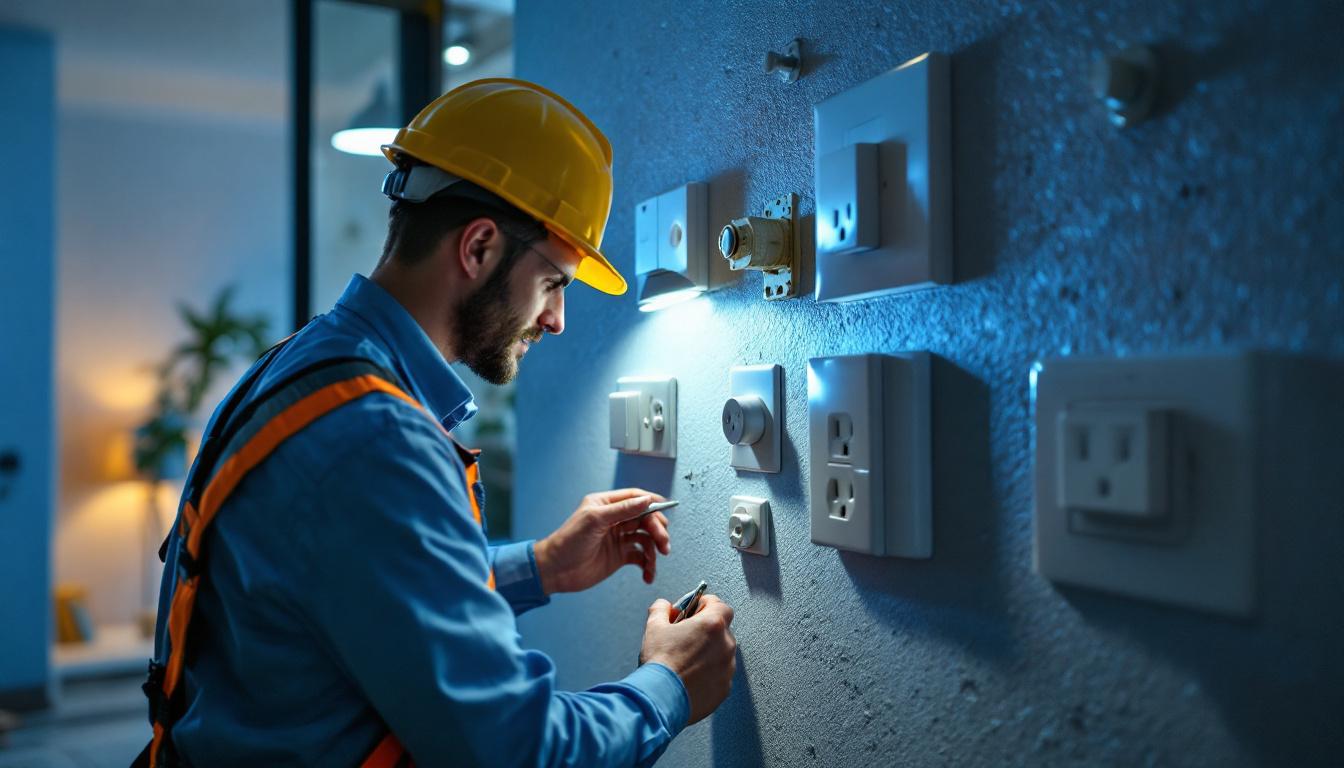
When it comes to lighting installations, the focus often falls on fixtures, bulbs, and control systems. Yet, the humble electrical outlet plays a pivotal role in the overall success and longevity of any lighting project. Lighting contractors who prioritize outlet styles not only enhance functionality but also ensure safety, aesthetics, and client satisfaction.
Outlets are the connection points between power sources and lighting equipment. Selecting the right style can influence everything from installation efficiency to future maintenance. Ignoring this detail can lead to costly retrofits or safety hazards down the line.
Moreover, the choice of outlet can significantly affect the design and ambiance of a space. For instance, decorative outlets can complement the overall interior design, blending seamlessly with the decor or adding a touch of elegance. In spaces where aesthetics are paramount, such as high-end residential projects or boutique commercial environments, the selection of outlets becomes as crucial as the choice of lighting fixtures themselves. Additionally, the placement of outlets should be carefully considered to ensure optimal lighting distribution and minimize unsightly cords, which can detract from the visual appeal of the installation.
Furthermore, advancements in technology have led to the emergence of smart outlets, which can be integrated into modern lighting systems for enhanced control and efficiency. These outlets not only allow for remote operation of lighting but can also provide energy monitoring capabilities, giving clients valuable insights into their energy consumption. As sustainability becomes an increasingly important consideration in lighting design, choosing outlets that support energy-efficient practices can contribute to a project’s overall environmental impact. By understanding the multifaceted role of electrical outlets, lighting professionals can create installations that are not only functional but also innovative and aligned with contemporary design trends.
1. Safety and Compliance: Meeting Modern Electrical Standards
Electrical codes and safety standards evolve to address emerging risks. Ground-fault circuit interrupter (GFCI) outlets, tamper-resistant receptacles (TRRs), and arc-fault circuit interrupter (AFCI) outlets have become increasingly common requirements in residential and commercial spaces.
Lighting contractors must stay current with these standards to avoid violations and ensure client safety. For example, GFCI outlets are essential in damp or outdoor areas where lighting fixtures are installed, preventing electrical shock. Choosing outlets that comply with local regulations protects contractors from liability and enhances the reliability of lighting systems.
In addition to GFCI and AFCI outlets, the implementation of smart technology in lighting systems is gaining traction, presenting new challenges and opportunities for compliance. Smart lighting solutions often incorporate features such as remote control and automation, which must also adhere to safety standards. Contractors must ensure that these systems are not only user-friendly but also secure from cyber threats, as poorly configured smart devices can expose homes and businesses to vulnerabilities. Therefore, understanding the intersection of electrical safety and technology is crucial for modern lighting professionals.
Moreover, the importance of proper installation practices cannot be overstated. For instance, using the correct gauge of wiring and ensuring that all connections are secure can significantly reduce the risk of electrical fires or failures. Regular training and certification courses can help contractors stay informed about the latest techniques and materials that comply with evolving standards. By prioritizing education and adherence to safety protocols, contractors can foster a culture of safety that benefits not only their clients but also their own professional reputation in the industry.
2. Enhancing Aesthetic Appeal and Design Integration
Outlets are often overlooked in the design phase, but their style and placement can significantly affect the visual harmony of a space. Modern outlets come in various finishes, colors, and configurations that can complement or clash with lighting designs.
For lighting contractors, recommending outlets that blend seamlessly with wall colors or fixture styles can elevate the overall project. For instance, sleek, low-profile outlets in matte finishes work well in minimalist interiors, while decorative outlet covers can add character in traditional settings. Prioritizing outlet aesthetics ensures the lighting installation looks intentional and polished.
Furthermore, the strategic placement of outlets can enhance both functionality and design. By considering the flow of a room and the positioning of furniture, contractors can suggest locations that not only serve practical needs but also maintain visual appeal. For example, placing outlets at a height that aligns with side tables or desks can create a more cohesive look, while also making them easily accessible for charging devices or plugging in lamps. This thoughtful integration of outlets into the overall design can transform them from mere utility points into stylish elements of the decor.
Additionally, the rise of smart home technology has introduced a new layer of design consideration. Smart outlets, which can be controlled remotely or programmed for specific tasks, offer both convenience and a sleek appearance. These outlets can be incorporated into the design without disrupting the aesthetic flow of a room. When selected with care, they can blend in with the surrounding decor, ensuring that the high-tech elements of a space do not detract from its overall beauty. This fusion of technology and design not only enhances the functionality of a space but also aligns with the modern homeowner’s desire for a seamless, integrated living environment.
3. Facilitating Advanced Lighting Controls and Smart Home Integration
The rise of smart lighting systems demands outlets capable of supporting advanced control technologies. Some outlet styles are designed with built-in USB ports, wireless charging pads, or compatibility with smart hubs, enabling seamless integration with modern lighting controls.
Lighting contractors who select outlets with these features provide clients with future-proof solutions. Smart outlets can simplify wiring, reduce the need for additional adapters, and enhance user convenience. This foresight positions contractors as knowledgeable professionals who deliver cutting-edge lighting experiences.
Moreover, the integration of smart lighting systems allows for personalized ambiance settings that can be controlled via smartphone apps or voice commands. Homeowners can easily adjust brightness levels, color temperatures, and even create lighting schedules that align with their daily routines. This level of customization not only enhances the aesthetic appeal of a space but also contributes to energy efficiency, as users can ensure lights are only on when needed. Additionally, many smart lighting systems can be programmed to simulate occupancy when homeowners are away, providing an added layer of security.
As the demand for smart home technology continues to grow, the importance of reliable and versatile outlets becomes increasingly evident. Contractors who stay informed about the latest advancements in smart technology can offer clients comprehensive solutions that include not just lighting, but also integration with other smart devices such as thermostats, security systems, and entertainment systems. This holistic approach not only elevates the homeowner’s experience but also positions the contractor as a go-to expert in the evolving landscape of home automation.
4. Improving Installation Efficiency and Maintenance
Different outlet styles can impact the ease and speed of installation. Contractors benefit from choosing outlets that accommodate various wiring configurations, have modular designs, or include features like quick-connect terminals.
For example, outlets with screwless faceplates or snap-in components reduce installation time and minimize errors. Additionally, outlets designed for easy replacement or upgrades help contractors provide better maintenance services. Prioritizing these practical aspects saves time on the job and enhances client trust through reliable, hassle-free installations.
Moreover, the integration of smart technology into outlet designs is revolutionizing the installation process. Smart outlets often come with built-in Wi-Fi connectivity and can be controlled remotely, which not only streamlines the installation but also adds significant value for homeowners. Contractors can easily install these outlets without extensive rewiring, as many models are designed to fit into standard electrical boxes. This adaptability allows for quicker installations and opens up new opportunities for upselling smart home features to clients.
Furthermore, the use of color-coded wiring and clear labeling on the outlets can greatly assist in reducing installation errors, particularly for less experienced electricians. These thoughtful design elements not only facilitate a smoother installation process but also contribute to overall safety by ensuring that connections are made correctly. In an industry where time is money, optimizing these small details can lead to substantial savings and improved satisfaction for both contractors and their clients.
5. Supporting Energy Efficiency and Load Management
Energy-efficient lighting is a priority for many clients, and outlets play a subtle but important role in supporting these systems. Some outlet styles include energy-monitoring capabilities or are designed to handle specific load requirements safely.
Lighting contractors who understand the electrical demands of LED fixtures, dimmers, and other energy-saving devices can select outlets that prevent overloads and optimize performance. This attention to detail contributes to longer-lasting lighting systems and helps clients reduce energy costs.
Conclusion: Why Lighting Contractors Should Never Overlook Outlet Styles
Electrical outlets are more than just power sources; they are integral components that influence safety, design, technology integration, installation efficiency, and energy management. Lighting contractors who prioritize outlet styles demonstrate professionalism and deliver superior results that satisfy clients and comply with regulations.
Choosing the right outlets upfront saves time, reduces risks, and enhances the overall quality of lighting projects. For contractors aiming to stand out in a competitive market, mastering the nuances of electrical outlet styles is a strategic advantage worth embracing.
Discover Unmatched Quality and Value with LumenWholesale
Ready to elevate your lighting projects with the right electrical outlet styles? Look no further than LumenWholesale for a vast selection of top-quality, spec-grade lighting products at unbeatable wholesale prices. Our commitment to cutting out the middleman means you get superior products without the inflated markups, all while meeting the highest industry standards. Make your next project a standout success with our hassle-free bulk buying options and free shipping. Don’t compromise on quality or value—Wholesale Lighting at the Best Value is just a click away. Choose LumenWholesale and experience the perfect blend of quality, affordability, and convenience today.