Understanding the Importance of Proper Lighting Planning
Lighting projects, whether residential, commercial, or industrial, require meticulous planning to achieve both aesthetic appeal and functional efficiency. For lighting contractors, the challenge lies in balancing client expectations with technical feasibility and budget constraints. Discount lighting stores offer an attractive avenue for sourcing fixtures and supplies at competitive prices, but without careful planning, the allure of low costs can lead to expensive mistakes down the line.
One of the most critical aspects of lighting planning is understanding the project’s scope and the specific needs of the space. This includes considering the purpose of the lighting—whether it’s for general illumination, accent lighting, or task lighting—and how different fixtures will interact within the environment. Poor planning often results in over-illumination or insufficient lighting, both of which can compromise the project’s success and client satisfaction.
Conducting a Thorough Site Assessment
Before selecting any lighting products, contractors should perform a comprehensive site assessment. This involves measuring the dimensions of the space, noting existing electrical infrastructure, and identifying any architectural features that may affect lighting placement. Understanding natural light availability is also essential, as it impacts the type and intensity of artificial lighting required.
Failing to conduct this assessment can lead to purchasing incompatible fixtures or underestimating the quantity of lighting needed, resulting in costly returns or last-minute adjustments. Additionally, site assessments help in identifying potential challenges such as moisture exposure in outdoor or bathroom areas, which dictate the need for specific fixture ratings like IP65 or higher.
Moreover, a thorough site assessment allows contractors to consider the psychological effects of lighting on occupants. For instance, warm lighting can create a cozy atmosphere in residential settings, while cooler, brighter lights may be more suitable for workspaces to enhance productivity. Understanding the emotional and behavioral responses to different lighting conditions can significantly influence the overall design and effectiveness of the project. Furthermore, it is crucial to evaluate the energy efficiency of proposed lighting solutions, as this not only affects operational costs but also aligns with increasing sustainability goals in both residential and commercial sectors.
Another vital component of lighting planning is engaging with clients throughout the process. Regular communication ensures that the lighting design aligns with their vision and needs, while also educating them about the implications of their choices. For example, discussing the benefits of LED technology over traditional incandescent bulbs can lead to more informed decisions that favor long-term savings and environmental sustainability. By fostering a collaborative atmosphere, contractors can build trust and ensure that the final lighting design is not only functional but also a true reflection of the client’s style and preferences.
Choosing the Right Fixtures and Components from Discount Lighting Stores
Discount lighting stores provide access to a wide range of fixtures, from LED panels to chandeliers, at prices often significantly lower than traditional suppliers. However, the lower price point can sometimes reflect compromises in quality, warranty, or compliance with safety standards. Contractors must exercise due diligence when selecting products to ensure they meet project requirements and industry regulations.
Evaluating Product Quality and Certification
One of the most common pitfalls in purchasing from discount lighting stores is overlooking product certifications. Lighting fixtures should comply with standards such as UL, ETL, or CE certifications, which confirm that the products have undergone rigorous safety and performance testing. Using uncertified products can lead to electrical hazards, voided insurance policies, and legal liabilities.
Contractors should request documentation from suppliers and verify certifications independently when possible. Additionally, examining customer reviews and seeking recommendations from industry peers can provide insights into product reliability and longevity. It’s also beneficial to familiarize oneself with the specific testing processes behind these certifications, as understanding the nuances can help in discerning the quality of different products. For instance, some manufacturers may prioritize aesthetics over durability, leading to a product that looks appealing but fails to withstand the test of time or usage.
Matching Fixtures to Project Specifications
Another frequent mistake is selecting fixtures based solely on price or appearance without considering technical specifications. Factors such as lumen output, color temperature, beam angle, and energy efficiency must align with the project’s lighting design goals. For example, using a fixture with a color temperature that is too cool in a residential setting can create an uninviting atmosphere, while insufficient lumen output in a commercial workspace can reduce productivity.
Discount lighting stores often provide detailed product datasheets. Contractors should review these documents carefully and, when in doubt, consult manufacturers or technical experts to confirm suitability. Additionally, it’s wise to consider the long-term implications of energy efficiency ratings. Fixtures with higher energy efficiency may have a higher upfront cost but can lead to significant savings on electricity bills over time, making them a more economical choice in the long run. Furthermore, understanding the lighting layout and how different fixtures interact with each other can enhance the overall ambiance and functionality of a space, ensuring that the final outcome meets both aesthetic and practical needs.
Planning for Electrical Compatibility and Installation Challenges
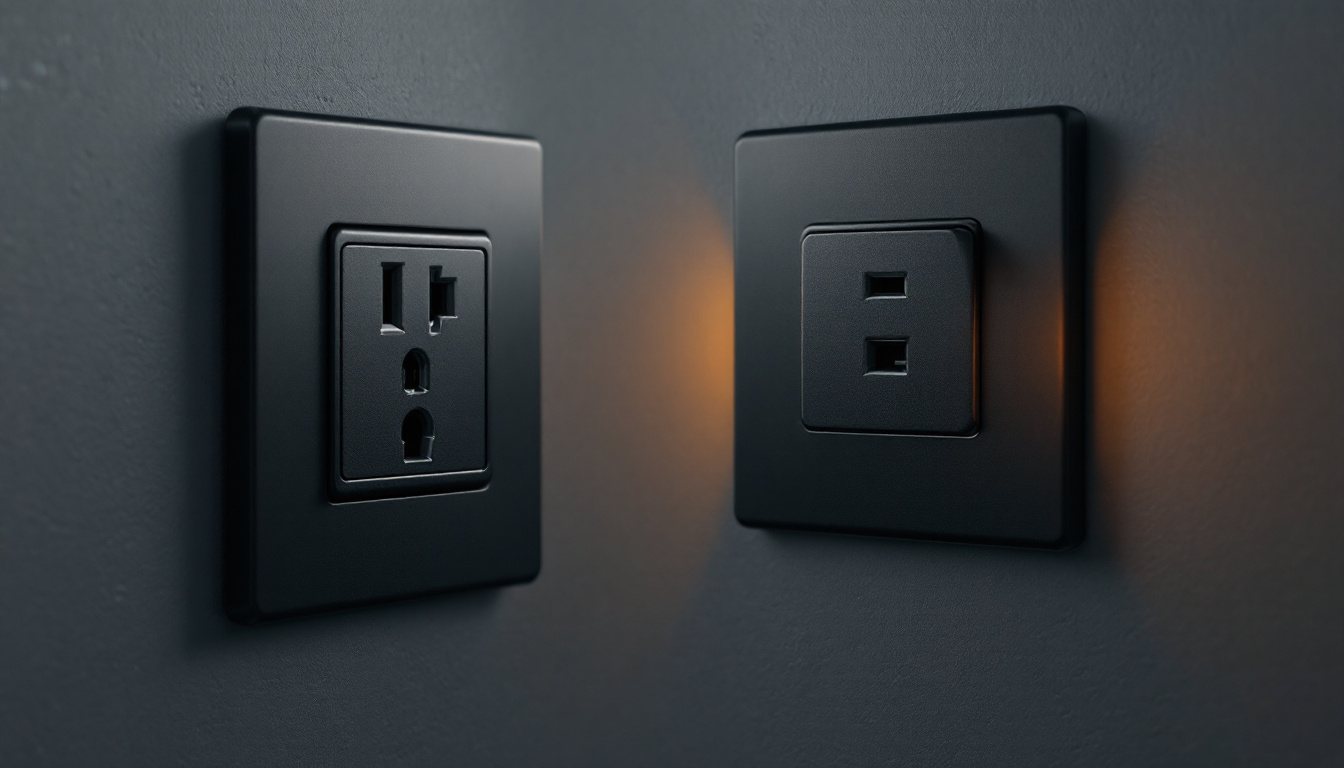
Electrical compatibility is a critical consideration that can be easily overlooked in discount lighting projects. Mismatched voltage, incompatible dimming systems, or inadequate wiring can lead to fixture failure, increased maintenance costs, or even safety hazards.
Ensuring Voltage and Dimming Compatibility
Lighting fixtures come in various voltage ratings, commonly 120V or 277V in commercial settings. Using a fixture rated for a different voltage than the supply can cause immediate failure or reduce the lifespan of the product. Similarly, dimming compatibility is essential when integrating fixtures with control systems. Not all LED fixtures are compatible with every dimmer type, and using the wrong combination can cause flickering, buzzing, or damage.
Contractors should verify voltage requirements and dimming compatibility before purchasing and installation. Consulting with electrical engineers or referring to manufacturer guidelines can prevent costly rework. Additionally, it is beneficial to conduct a thorough inventory of existing electrical systems and fixtures to identify any potential mismatches early in the planning phase. This proactive assessment can save time and resources, ensuring that all components work harmoniously together.
Accounting for Installation Complexity
Discount lighting stores may offer fixtures that look appealing but require specialized installation techniques or tools. For example, recessed lighting may necessitate ceiling modifications, while certain outdoor fixtures require weatherproof junction boxes. Underestimating installation complexity can lead to extended labor hours and increased costs.
Planning should include a detailed review of installation manuals and, if necessary, training for installation teams. This proactive approach minimizes surprises on-site and ensures that projects stay on schedule and within budget. Furthermore, it is wise to consider the potential need for additional materials, such as mounting brackets or wiring extensions, which may not be included with the fixtures. By anticipating these requirements, project managers can streamline the installation process and avoid delays caused by last-minute trips to the hardware store.
Moreover, engaging with experienced electricians during the planning stage can provide invaluable insights into common pitfalls and best practices. Their expertise can help identify potential challenges related to local building codes or safety regulations that must be adhered to, further ensuring that the installation process runs smoothly and efficiently. By fostering collaboration between contractors, electricians, and suppliers, projects can achieve a higher standard of quality and reliability, ultimately leading to greater customer satisfaction.
Managing Inventory and Logistics to Avoid Delays
Efficient inventory management and logistics are often underestimated in lighting projects, especially when sourcing from discount stores that may have variable stock levels and shipping times. Delays in receiving critical components can stall entire projects and inflate costs.
Verifying Stock Availability and Lead Times
Before committing to a purchase, contractors should confirm that the discount lighting store has sufficient stock to fulfill the order promptly. Some discount suppliers operate on limited inventory or rely on drop-shipping, which can extend lead times unexpectedly.
Maintaining open communication with suppliers and requesting written confirmation of delivery schedules helps avoid last-minute surprises. When possible, ordering critical items well in advance or keeping a buffer stock can safeguard against delays.
Planning for Returns and Warranty Claims
Even with careful planning, some fixtures may arrive damaged or fail to meet expectations. Understanding the discount store’s return policies and warranty terms is vital. Some discount suppliers have restrictive return windows or restocking fees that can erode project margins.
Contractors should negotiate favorable terms upfront and document all transactions meticulously. Keeping records of purchase orders, delivery receipts, and correspondence simplifies the process of resolving disputes or warranty claims.
Implementing Quality Control and Post-Installation Testing
Quality control does not end with product selection and installation. Post-installation testing ensures that lighting systems perform as intended and meet client expectations. This phase is crucial for identifying issues early and avoiding costly callbacks.
Conducting Photometric and Functional Testing
After installation, lighting contractors should perform photometric testing to verify that illumination levels meet design specifications. Tools like light meters can measure lux levels across different zones to ensure uniformity and adequacy.
Functional testing includes checking dimming controls, emergency lighting operation, and fixture stability. Identifying and addressing problems during this phase prevents operational disruptions and enhances client satisfaction.
Providing Comprehensive Documentation and Client Training
Delivering detailed documentation, including as-built drawings, product manuals, and maintenance schedules, empowers clients to manage their lighting systems effectively. Additionally, offering training sessions on system operation and troubleshooting can reduce future service calls.
Good documentation and client education reflect professionalism and build long-term trust, which is invaluable for repeat business and referrals.
Conclusion: Strategic Approaches to Cost-Effective Lighting Projects
Discount lighting stores can be excellent resources for contractors seeking to optimize project budgets without compromising quality. However, avoiding costly mistakes requires a strategic approach encompassing thorough planning, careful product selection, electrical compatibility checks, efficient logistics management, and rigorous quality control.
By prioritizing these factors, lighting contractors can deliver successful projects that satisfy clients, adhere to safety standards, and maintain profitability. Embracing best practices in lighting projects not only mitigates risks but also enhances reputation and fosters sustainable business growth.
Get Your Lighting Right with LumenWholesale
Ready to elevate your lighting projects while keeping costs in check? LumenWholesale is your trusted partner for all your lighting needs. With our extensive range of top-quality, spec-grade lighting products at unbeatable wholesale prices, you can say goodbye to middleman markups and hello to superior lighting solutions. Our commitment to quality and affordability, coupled with the convenience of free shipping on bulk orders, ensures that you get the best value without any hidden fees. Don’t compromise on quality or your budget. Visit LumenWholesale today and experience the ideal combination of quality, affordability, and convenience for your next lighting project.