Understanding Corn Cob LED Light Bulbs
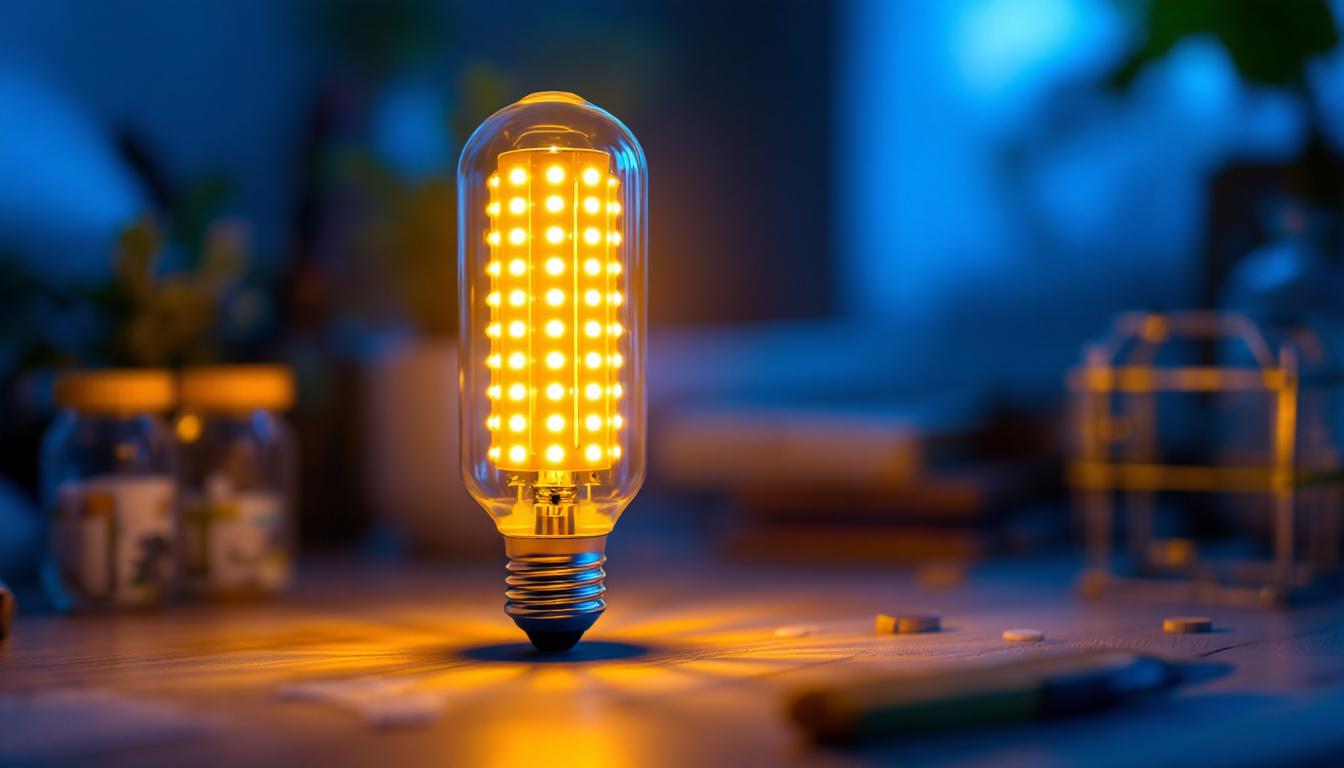
Corn cob LED light bulbs have become a staple in commercial and industrial lighting projects. Their unique design, resembling an ear of corn, is more than just aesthetic-it’s a functional approach to maximizing light output and distribution. For lighting contractors, grasping the specifics of these bulbs is essential to recommending and installing the right solutions for clients.
The term “corn cob” refers to the bulb’s cylindrical shape studded with rows of LED chips. This structure provides 360-degree illumination, making them ideal for fixtures where omnidirectional light is required. Unlike traditional bulbs, corn cob LEDs deliver high lumen output with significantly lower energy consumption, which appeals to businesses looking to reduce operational costs.
Key Features and Benefits
One of the most compelling features of corn cob LED bulbs is their energy efficiency. They typically consume 60-80% less power than equivalent HID or incandescent bulbs, which translates to substantial savings on electricity bills over time. Additionally, their long lifespan-often exceeding 50,000 hours-means fewer replacements and less maintenance.
Another advantage is their heat dissipation design. The bulbs often incorporate aluminum heat sinks that prevent overheating, ensuring consistent performance and extending the bulb’s life. This is particularly important in high-ceiling applications like warehouses or gymnasiums where maintenance can be challenging and costly.
Moreover, corn cob LED bulbs are available in a variety of color temperatures, ranging from warm white to cool daylight. This versatility allows businesses to create the desired ambiance for different environments, whether it’s a cozy retail space or a bright and energizing workshop. The ability to choose the right color temperature can significantly impact employee productivity and customer experience, making it a crucial factor in lighting design.
Furthermore, many corn cob LEDs are designed to be compatible with dimming systems, providing even greater control over lighting levels. This feature is particularly beneficial in settings where lighting needs may change throughout the day, such as in conference rooms or restaurants. By adjusting the brightness, businesses can enhance the mood and functionality of their spaces, all while maintaining energy efficiency and reducing costs.
Applications and Ideal Use Cases
Corn cob LEDs are versatile and fit a variety of lighting needs. Their high lumen output and wide beam angle make them perfect for large indoor spaces requiring bright, uniform illumination. Lighting contractors frequently specify these bulbs for commercial warehouses, manufacturing plants, parking garages, and retail stores. In warehouses, for instance, the ability to illuminate expansive areas with minimal fixtures not only enhances visibility but also improves safety for workers navigating through aisles and machinery. The energy efficiency of corn cob LEDs further contributes to cost savings, making them an appealing choice for businesses looking to reduce operational expenses.
Outdoor applications also benefit from corn cob LED bulbs, especially when paired with appropriate fixtures that protect against environmental elements. They are commonly used in street lighting, security lighting, and exterior floodlights. Their robust design and resistance to shock and vibration make them suitable for such demanding environments. In urban areas, the use of corn cob LEDs in street lighting can significantly enhance nighttime visibility, contributing to safer pedestrian and vehicular traffic. Additionally, their long lifespan reduces the frequency of replacements, which is a crucial factor for municipalities aiming to minimize maintenance costs and disruptions.
Comparing Corn Cob LEDs to Other LED Bulbs
When selecting LED bulbs, contractors often weigh corn cob LEDs against other popular types like panel LEDs, tube LEDs, or traditional bulb-shaped LEDs. Corn cob LEDs stand out for their high lumen density and omnidirectional light distribution. This makes them a better fit for fixtures where light needs to spread evenly in all directions. For instance, in gymnasiums or large retail spaces, the ability to cast light uniformly without dark spots can significantly enhance the overall atmosphere and functionality of the space.
However, in applications requiring focused or directional light, such as spotlighting or accent lighting, other LED types might be more appropriate. Understanding these nuances helps contractors tailor lighting solutions that optimize both performance and client satisfaction. For example, while corn cob LEDs may be ideal for general illumination, a contractor might opt for track lighting with adjustable spotlights to highlight specific merchandise in a retail setting. This strategic combination of lighting types ensures that each area is illuminated effectively, enhancing both aesthetics and practicality in the design.
Installation Considerations for Lighting Contractors
Installing corn cob LED bulbs requires attention to fixture compatibility and electrical specifications. These bulbs come in various base types, including E26, E39, and mogul bases, so verifying the fixture’s socket type before ordering is crucial. Mismatched bases can lead to installation delays or additional costs. Furthermore, it’s essential to consider the bulb’s physical dimensions, as some corn cob LEDs can be bulkier than traditional bulbs, which may affect their fit in existing fixtures.
Voltage compatibility is another factor. Corn cob LEDs are available in a range of voltages, from standard 120V for residential and light commercial use to higher voltages for industrial settings. Contractors should confirm the power supply matches the bulb’s requirements to avoid premature failure or safety hazards. Additionally, understanding the wattage equivalency can help in selecting the right bulb for the desired brightness, ensuring that the lighting meets the specific needs of the space while maximizing energy efficiency.
Thermal Management and Ventilation
Proper heat dissipation is vital for maintaining the longevity of corn cob LEDs. While the bulbs themselves are designed with heat sinks, the fixture and surrounding environment also play a role. Enclosed or poorly ventilated fixtures can trap heat, potentially reducing bulb life. It’s advisable for contractors to monitor the ambient temperature of the installation site, especially in areas with high ambient heat or limited airflow, as this can significantly impact performance.
Lighting contractors should assess the fixture design and consider ventilation improvements or alternative bulb choices if heat buildup is a concern. In some cases, retrofitting fixtures with additional cooling features or selecting bulbs with enhanced thermal management can prevent future issues. Moreover, educating clients about the importance of maintaining proper ventilation and avoiding the use of dimmers not rated for LED technology can further enhance the performance and lifespan of the installed lighting system. This proactive approach not only ensures optimal functionality but also fosters customer satisfaction through reliable and efficient lighting solutions.
Energy Savings and Return on Investment
For clients, the financial benefits of corn cob LED bulbs often drive purchasing decisions. Lighting contractors can leverage detailed energy savings calculations to demonstrate the value of upgrading from traditional lighting technologies.
Compared to metal halide or high-pressure sodium lamps, corn cob LEDs offer immediate reductions in wattage consumption while delivering equal or superior brightness. This efficiency not only cuts energy costs but also reduces cooling loads in climate-controlled environments, adding indirect savings.
Maintenance and Lifecycle Cost Advantages
Beyond energy savings, the extended lifespan of corn cob LEDs reduces maintenance frequency. This is especially significant in large facilities where replacing bulbs can be labor-intensive and disruptive. Fewer replacements mean lower labor costs and less downtime.
Contractors should emphasize these lifecycle cost advantages when advising clients. A higher upfront cost for LED bulbs is often offset by years of operational savings, making corn cob LEDs a smart investment for long-term lighting projects.
Choosing the Right Corn Cob LED Bulbs
Not all corn cob LED bulbs are created equal. Lighting contractors must evaluate several factors to select the best product for each project.
Lumen Output and Color Temperature
Matching lumen output to the space’s lighting requirements is critical. Over-lighting wastes energy and can cause glare, while under-lighting reduces visibility and safety. Contractors should consult lighting design standards and client needs to specify bulbs with appropriate brightness levels.
Color temperature influences ambiance and functionality. Corn cob LEDs come in a range from warm white (2700K) to daylight (5000K+). Warehouses and industrial sites often benefit from cooler temperatures that enhance visibility and alertness, while retail spaces may prefer warmer tones for a welcoming atmosphere.
Quality and Certification
Selecting bulbs from reputable manufacturers ensures reliability and compliance with safety standards. Look for certifications such as UL, DLC, or Energy Star, which indicate that the product meets stringent performance and safety criteria.
Contractors should also consider warranty terms and customer support. A strong warranty protects both the contractor and the client from premature failures and reduces risk on large-scale installations.
Common Challenges and Troubleshooting
Despite their advantages, corn cob LED bulbs can present challenges during installation and operation. Being prepared to address these issues helps contractors maintain professional standards and client trust.
Flickering and Compatibility Issues
Flickering is a common complaint that often stems from incompatible dimmers or power supplies. Corn cob LEDs require compatible drivers and controls to function smoothly. Contractors should verify compatibility with existing dimming systems or recommend upgrades as needed.
Light Distribution Problems
Improper fixture selection or placement can lead to uneven lighting or shadows. Since corn cob LEDs emit light in all directions, fixtures must be chosen to harness this characteristic effectively. Lighting layouts should be reviewed and adjusted to achieve uniform coverage.
Final Thoughts for Lighting Contractors
Corn cob LED light bulbs offer a compelling combination of efficiency, brightness, and durability. For lighting contractors, mastering their features and application nuances unlocks opportunities to deliver superior lighting solutions that satisfy clients’ demands for performance and cost-effectiveness.
Careful attention to installation details, product selection, and maintenance considerations ensures that these bulbs perform reliably over time. By integrating corn cob LEDs thoughtfully into projects, contractors can enhance their reputation as knowledgeable professionals and trusted advisors in the lighting industry.
Get Your Premium Corn Cob LED Bulbs at LumenWholesale
Ready to elevate your lighting projects with the efficiency and durability of corn cob LED bulbs? At LumenWholesale, we provide lighting contractors with the highest quality, spec-grade lighting products at unbeatable wholesale prices. Say goodbye to inflated markups and hello to superior lighting solutions that fit your budget. With our hassle-free bulk buying and free shipping, you can stock up on reliable, high-performance lighting without any hidden fees. Don’t compromise on quality or value—choose LumenWholesale for the perfect blend of affordability and convenience. Take the next step in optimizing your lighting projects by visiting Wholesale Lighting at the Best Value today.