Understanding the Differences Between Can Lights and Track Lights
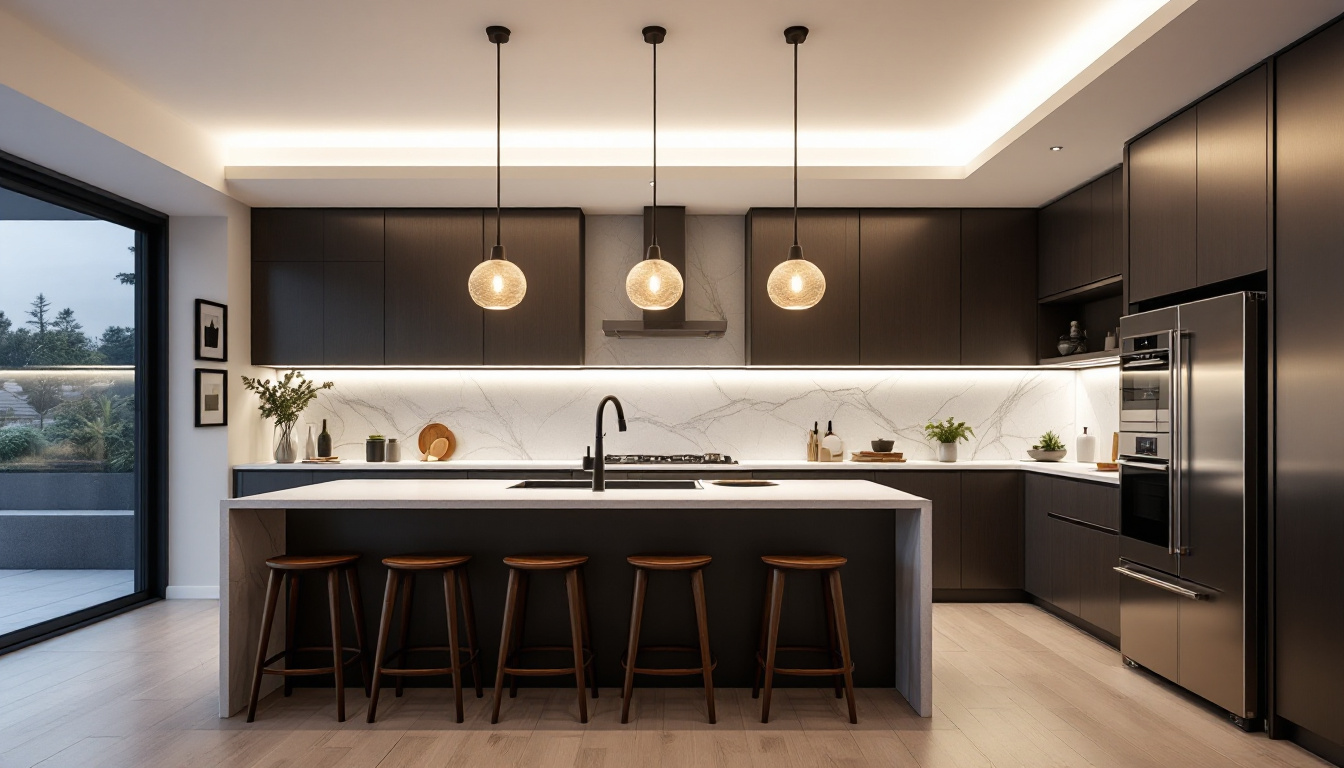
Before diving into the conversion process, it’s essential to grasp what sets can lights and track lights apart. Can lights, also known as recessed lights, sit flush with the ceiling, providing a clean, unobtrusive look. They’re excellent for general illumination but offer limited flexibility in directing light. This makes them particularly suitable for spaces where a minimalist aesthetic is desired, such as modern kitchens or living rooms, where the goal is to create a seamless and spacious feel.
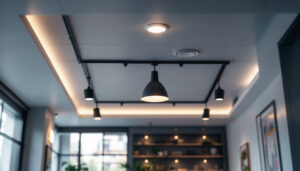
Track lights, on the other hand, are mounted on a track system that allows individual fixtures to be moved, angled, and repositioned. This adaptability makes them ideal for accent lighting, highlighting artwork, or focusing light on specific areas. The versatility of track lighting can transform a room, allowing homeowners to easily adjust the ambiance by simply shifting the direction of the light. Additionally, track lights come in various styles and finishes, making it easy to match them with existing decor or to create a bold statement piece.
For contractors, understanding these fundamental differences shapes the approach to conversion. It’s not just swapping fixtures; it’s about rethinking the lighting design to meet the client’s needs while ensuring safety and compliance. Moreover, contractors must consider the electrical requirements and potential modifications to the ceiling structure when transitioning from can lights to track lights. This might involve assessing the existing wiring, ensuring adequate power supply, and determining the best placement for the track system to maximize both functionality and aesthetic appeal.
Furthermore, the choice between can lights and track lights can significantly impact energy efficiency and maintenance. Can lights often utilize LED bulbs, which provide long-lasting illumination with lower energy consumption, making them an eco-friendly option. In contrast, track lights can accommodate a variety of bulb types, including halogen and incandescent, which may require more frequent replacements. Understanding these factors helps contractors guide their clients toward the most suitable lighting solution for their specific needs and preferences, ultimately enhancing the overall living experience.
Assessing the Existing Electrical Setup
Evaluating the Wiring and Junction Boxes
Can lights typically connect to ceiling junction boxes designed for recessed fixtures. When converting to track lighting, the wiring must support the new system’s requirements. Track lighting often demands a continuous power feed along the track, which may require rewiring or installing new junction boxes.
Check the gauge and condition of existing wiring. Older homes might have wiring that doesn’t meet current electrical codes or isn’t compatible with track lighting systems. In such cases, upgrading wiring is not just recommended but mandatory for safety. Additionally, consider the placement of junction boxes; they should be accessible for future maintenance or adjustments. If the existing junction boxes are not rated for the load of track lighting, it’s crucial to replace them with ones that can accommodate the increased electrical demand, ensuring both functionality and compliance with safety regulations.
Confirming Circuit Capacity
Track lighting systems can draw more power depending on the number and type of fixtures installed. Verify the circuit’s amperage and ensure it can handle the additional load without tripping breakers. If the circuit is near capacity, consider adding a dedicated circuit for the track lighting. This not only provides a stable power supply but also allows for greater flexibility in design, enabling you to adjust the lighting as needed without overloading the existing system.
Moreover, it’s essential to assess the overall layout of the electrical circuits in your home. Understanding how different circuits interact can prevent potential overloads and ensure that your lighting setup operates efficiently. It may also be beneficial to consult with a licensed electrician who can provide insights into the best practices for circuit management and help identify any hidden issues that could arise during installation. Proper planning at this stage can save time and expense in the long run, ensuring a seamless transition to your new track lighting system.
Choosing the Right Track Lighting System
Types of Track Systems
Track lighting comes in several varieties: H, J, and L systems, each with different track shapes and electrical configurations. Selecting the right system depends on the client’s aesthetic preferences and functional needs.
H-type tracks are the most common, with two conductors and a standard fixture connection. J and L types offer three conductors, enabling more complex wiring setups, such as separate control of different fixtures on the same track. This flexibility allows for creative lighting designs that can highlight artwork, illuminate workspaces, or create mood lighting in living areas. Additionally, the choice of fixtures can greatly enhance the overall look; options range from sleek, modern designs to more traditional styles, allowing homeowners to tailor their lighting to their unique decor.
Compatibility with Existing Infrastructure
Ensure the chosen track system is compatible with the existing ceiling structure and electrical setup. Some tracks require surface mounting, while others can be recessed or suspended. The ceiling material and height will influence this decision. For instance, a high ceiling may benefit from suspended tracks that draw the eye upward and create a sense of spaciousness, while lower ceilings might necessitate a more streamlined surface-mounted option to avoid overwhelming the space.
Moreover, it’s essential to consider the existing electrical load and whether the current wiring can support the new lighting system. Consulting with a licensed electrician can help determine if any upgrades are necessary to accommodate the new fixtures, ensuring safety and functionality. Additionally, evaluating the room’s overall design and purpose can guide the decision-making process; for example, a kitchen might require brighter, more focused lighting for tasks, while a bedroom could benefit from softer, ambient options to create a relaxing atmosphere.
Planning the Installation
Layout and Placement
Track lighting’s strength lies in its flexibility. Before installation, map out the track layout carefully. Consider the areas that need illumination and the direction of each fixture. A well-planned layout maximizes efficiency and enhances the space’s ambiance.
Measure ceiling dimensions accurately and mark where the track will be mounted. Keep in mind access to power sources and avoid placing tracks where they might interfere with ceiling joists or ductwork.
Gathering Tools and Materials
Essential tools include a voltage tester, wire strippers, screwdrivers, a drill with appropriate bits, a fish tape for pulling wires, and a ladder. Materials will vary but typically include the track lighting kit, mounting hardware, electrical boxes, wire connectors, and possibly new wiring.
Step-by-Step Conversion Process
Removing Existing Can Lights
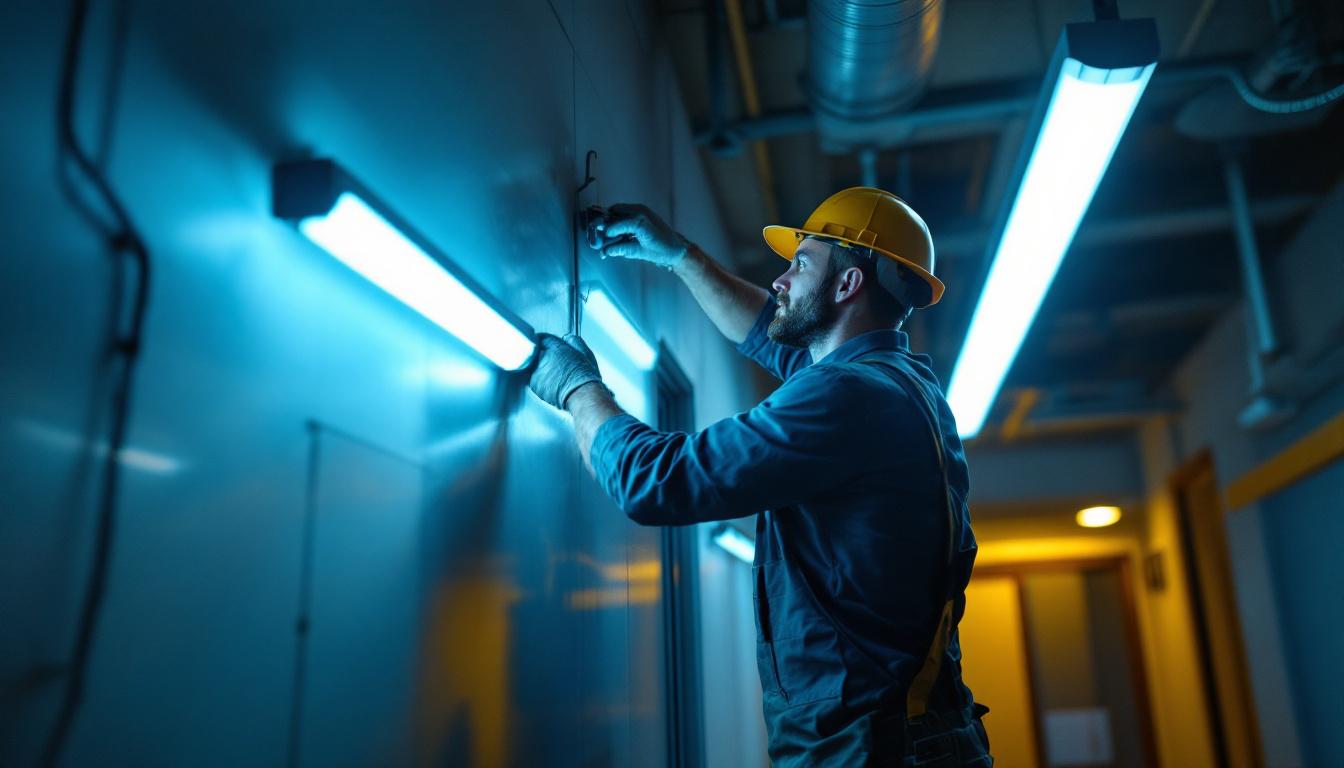
Start by switching off power at the circuit breaker. Use a voltage tester to confirm no electricity is flowing. Carefully remove the can light trims and bulbs, then detach the housing from the ceiling. Disconnect wiring, noting how connections were made for reference.
Inspect the ceiling for any damage or insulation issues that need addressing before installing the track system.
Installing the Track Lighting System
Install new junction boxes if necessary, ensuring they are securely mounted and accessible. Mount the track according to the manufacturer’s instructions, using appropriate anchors or screws for the ceiling material.
Connect the wiring from the junction box to the track’s power feed. Use wire nuts and electrical tape to secure connections, and make sure all wiring complies with local electrical codes.
Mounting and Positioning Fixtures
Attach the track lighting fixtures to the track, snapping or twisting them into place depending on the system. Position each fixture to direct light where needed. Test each fixture to confirm proper operation before finalizing the installation.
Addressing Common Challenges
Dealing with Insulation and Ceiling Types
Some can lights are rated for direct contact with insulation (IC-rated), while others are not. When removing can lights, verify that the new track lighting installation doesn’t compromise insulation or violate fire safety codes.
For ceilings with textured finishes or plaster, mounting track lighting may require additional preparation or specialized hardware to ensure a secure fit.
Ensuring Compliance with Electrical Codes
Track lighting installations must comply with National Electrical Code (NEC) standards and any local amendments. This includes proper grounding, use of approved materials, and adherence to circuit load limits.
Contractors should stay updated on code changes and consider consulting with local inspectors if uncertain about specific requirements.
Final Checks and Client Handover
Testing and Troubleshooting
After installation, conduct a thorough test of the entire track lighting system. Check for flickering, loose connections, or uneven lighting. Adjust fixture positions as needed to achieve the desired effect.
If any issues arise, troubleshoot wiring connections and fixture compatibility before completing the job.
Educating the Client
Explain how to operate and adjust the track lighting system. Highlight any maintenance tips, such as replacing bulbs with compatible types and cleaning fixtures safely. Providing this information helps clients get the most out of their new lighting.
Offer documentation, including warranty information and manufacturer instructions, to support ongoing use and care.
Conclusion
Converting can lights to track lights offers clients enhanced flexibility and design options, but it requires careful planning and execution. By thoroughly assessing the existing setup, choosing the right track system, and following a detailed installation process, contractors can deliver a high-quality, safe lighting upgrade that meets client expectations.
Attention to electrical codes, ceiling conditions, and client education ensures the project’s success and long-term satisfaction. With these considerations in mind, lighting contractors can confidently tackle can-to-track light conversions and expand their service offerings.
Upgrade Your Lighting Projects with LumenWholesale
Ready to elevate your lighting installations with the flexibility and design prowess of track lighting? At LumenWholesale, we provide lighting contractors with an exceptional range of spec-grade lighting products at unbeatable wholesale prices. Say goodbye to local distributor markups and hello to premium, reliable lighting solutions that meet the highest industry standards. Our hassle-free bulk buying options, complete with free shipping, ensure that you get the best value without any hidden fees. Make your next project shine with the quality, affordability, and convenience offered by LumenWholesale. Discover our extensive selection and take advantage of Wholesale Lighting at the Best Value today.