Understanding Closeout Lighting Sales
Closeout lighting sales offer contractors a chance to acquire quality lighting fixtures at significantly reduced prices. These sales typically occur when manufacturers or retailers clear out inventory to make room for new models or discontinue certain product lines. For lighting contractors, closeouts can be an attractive opportunity to source materials cost-effectively.
However, while the immediate financial benefits are clear, the implications for energy efficiency are more complex. Not all closeout lighting products meet the latest energy standards or incorporate cutting-edge technologies. This raises important questions about the long-term value and sustainability of using closeout items in projects focused on energy efficiency.
Moreover, it is essential for contractors to conduct thorough research before purchasing closeout items. Understanding the specifications and performance ratings of these products can help ensure that they align with the project’s goals and regulatory requirements. For instance, some closeout fixtures may still utilize outdated incandescent bulbs, which can lead to higher energy consumption over time. By carefully evaluating the energy efficiency ratings and potential rebates available for newer technologies, contractors can make informed decisions that balance initial savings with future operational costs.
Additionally, closeout sales can provide a unique opportunity for contractors to experiment with innovative designs and styles that they might not typically consider. With the wide variety of fixtures available at discounted prices, contractors can explore diverse aesthetics that could enhance the overall appeal of their projects. This experimentation can lead to creative solutions that not only meet functional lighting needs but also elevate the visual impact of a space, ultimately contributing to a more engaging environment for occupants. Therefore, while closeout sales present a financial advantage, they also invite contractors to think outside the box and embrace new possibilities in lighting design.
Energy Efficiency Standards and Closeout Products
Are Closeout Fixtures Up to Code?
Energy efficiency standards for lighting have evolved rapidly over recent years. Regulations such as ENERGY STAR certifications and minimum efficacy requirements have pushed manufacturers to develop more efficient LEDs and smart lighting controls. Closeout products, especially those from older production runs, may not comply with these updated standards.
For contractors, it is essential to verify whether closeout lighting fixtures meet local building codes and energy regulations. Installing non-compliant products could not only affect the performance of the lighting system but also lead to legal or warranty complications. Checking product datasheets and certifications before purchase is a critical step. Additionally, understanding the local energy codes can help in making informed decisions about which products to choose. Many regions have specific requirements that can vary significantly, making it vital for contractors to stay updated on these regulations to avoid costly mistakes.
Technological Obsolescence and Efficiency
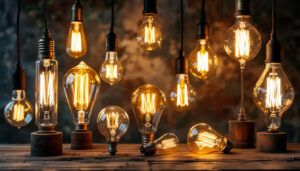
Many closeout items are based on older technology. For example, some fixtures may still use halogen or fluorescent bulbs instead of LEDs. While these products might be cheaper upfront, they often consume more electricity and have shorter lifespans. This can increase operational costs and maintenance frequency over time.
On the other hand, some closeout sales include high-quality LED fixtures that have been replaced by newer models with incremental improvements. These products can still offer excellent energy savings compared to traditional lighting but may lack features like advanced dimming or smart controls. Furthermore, the rapid pace of technological advancement means that even slightly older LED models can become obsolete quickly, leading to concerns about compatibility with future systems. As smart lighting technology continues to integrate with home automation systems, opting for closeout products that do not support these advancements may limit the potential for upgrades down the line. Therefore, it’s crucial for buyers to weigh the initial cost savings against potential long-term inefficiencies and limitations when considering closeout fixtures.
Financial Implications for Contractors
Balancing Initial Cost and Long-Term Savings
One of the biggest appeals of closeout lighting sales is the reduced upfront cost. For contractors working within tight budgets, this can make a significant difference in project feasibility. However, energy-efficient lighting is an investment that pays off over time through lower utility bills and reduced maintenance. By opting for closeout lighting that is still energy-efficient, contractors can effectively balance the immediate financial relief with the long-term benefits that come from lower operational costs. This strategic approach not only aids in budgeting but also aligns with the growing trend towards sustainable building practices.
Choosing closeout products without considering their energy consumption can lead to higher operational expenses for clients. This is particularly true in commercial or industrial settings where lighting runs for extended hours daily. Contractors should weigh the initial savings against potential increases in energy costs. Additionally, the longevity of the lighting fixtures plays a crucial role; products that require frequent replacements can quickly erode any initial savings. Therefore, a thorough analysis of the total cost of ownership, including installation, energy use, and maintenance, is essential for making informed decisions that benefit both the contractor and the client.
Impact on Client Satisfaction and Reputation
Contractors who prioritize energy-efficient solutions often build stronger relationships with clients who value sustainability and cost-effectiveness. Using outdated or inefficient closeout products might undermine this trust if clients notice higher energy bills or frequent fixture replacements. Furthermore, as awareness of environmental issues grows, clients are increasingly seeking contractors who can provide solutions that align with their values. By demonstrating a commitment to energy efficiency, contractors can not only meet client expectations but also differentiate themselves in a competitive marketplace.
Conversely, sourcing closeout items that still meet high efficiency standards can enhance a contractor’s reputation for delivering value without compromising quality. Transparency about the benefits and limitations of closeout products helps manage client expectations. This open dialogue fosters a collaborative environment, where clients feel informed and empowered to make decisions. Additionally, contractors who provide education on the advantages of energy-efficient lighting—such as improved ambiance and productivity in workspaces—can further solidify their standing as trusted advisors in the industry. By doing so, they not only enhance client satisfaction but also pave the way for future referrals and repeat business.
Environmental Considerations
Energy Consumption and Carbon Footprint
Lighting accounts for a significant portion of electricity use in residential and commercial buildings. Choosing energy-efficient fixtures reduces this consumption, directly lowering carbon emissions associated with power generation. Closeout products that are less efficient contribute more to environmental degradation over their operational life.
Contractors play a key role in promoting sustainable building practices. When selecting closeout lighting, it is important to consider the environmental impact alongside cost savings. Opting for products with verified energy efficiency can help meet green building certifications and corporate sustainability goals.
Waste and Disposal Challenges
Closeout sales sometimes involve products nearing the end of their lifecycle or those with limited support for repairs and parts. This can lead to increased waste if fixtures fail prematurely and require replacement. Proper disposal of outdated lighting, especially those containing hazardous materials like mercury in older fluorescents, is crucial to minimize environmental harm.
Contractors should advise clients on responsible disposal and recycling options. Additionally, selecting closeout items with longer lifespans and recyclable components supports circular economy principles.
Best Practices for Contractors Using Closeout Lighting
Thorough Product Evaluation
Before purchasing closeout lighting, contractors should conduct a detailed assessment of product specifications. This includes checking wattage, lumens output, color temperature, and energy certifications. Comparing these metrics against current project requirements ensures the fixtures will perform as needed.
Requesting test samples or visiting showrooms can provide hands-on experience with the products. This helps verify build quality and light quality, which are important for client satisfaction and compliance with design standards.
Integrating Closeout Products with Modern Systems
When older closeout fixtures are chosen, contractors should consider compatibility with modern lighting controls such as dimmers, occupancy sensors, and daylight harvesting systems. Incompatible products can negate potential energy savings and reduce system functionality.
Retrofitting closeout lighting with updated drivers or smart modules might be an option in some cases, but it requires technical expertise and additional costs. Evaluating these factors upfront prevents surprises during installation.
Clear Communication with Clients
Transparency about the pros and cons of closeout lighting is essential. Contractors should explain how these products compare to current offerings in terms of energy efficiency, lifespan, and warranty coverage. Providing this information helps clients make informed decisions aligned with their priorities.
Documenting these discussions and obtaining client approval can protect contractors from disputes related to product performance or energy costs.
Case Studies: Closeout Lighting in Action
Commercial Office Retrofit
A lighting contractor working on a mid-sized office retrofit sourced LED closeout fixtures that were discontinued but still ENERGY STAR certified. The initial savings allowed the client to upgrade more areas within budget. Post-installation, the lighting system achieved a 40% reduction in energy use compared to the previous setup, demonstrating that closeout products can be effective when carefully selected.
Retail Store Installation Challenges
Another contractor purchased fluorescent closeout fixtures for a retail store to save costs. Despite low purchase prices, the fixtures consumed more energy and required frequent bulb replacements. The client faced higher operational expenses, leading to dissatisfaction. This case highlights the risks of prioritizing upfront savings over long-term efficiency.
Conclusion: Navigating Closeout Lighting for Energy Efficiency
Closeout lighting sales present both opportunities and challenges for contractors focused on energy efficiency. While the cost savings can be substantial, it is crucial to evaluate each product’s compliance with current energy standards, technological relevance, and compatibility with modern controls.
Contractors who approach closeout purchases with a strategic mindset-balancing initial costs, long-term savings, environmental impact, and client expectations-can leverage these sales to deliver value without compromising performance. Informed decisions and clear communication remain key to maximizing the benefits of closeout lighting in energy-efficient projects.
Illuminate Your Projects with LumenWholesale
Ready to enhance your lighting projects while maximizing energy efficiency and cost savings? Look no further than LumenWholesale for a vast array of top-quality, spec-grade lighting products at unbeatable wholesale prices. With our commitment to cutting out the middleman, you can trust that you’re getting superior lighting solutions without inflated markups. Our selection not only meets but exceeds the highest industry standards, ensuring reliable and high-performance lighting for every project. Plus, with the convenience of free shipping on bulk orders, you can enjoy premium lighting at the best value — without hidden fees or compromises. Make the smart choice for your lighting needs and experience the best in wholesale lighting at LumenWholesale.