Why Choose Circle Hanging Lights?
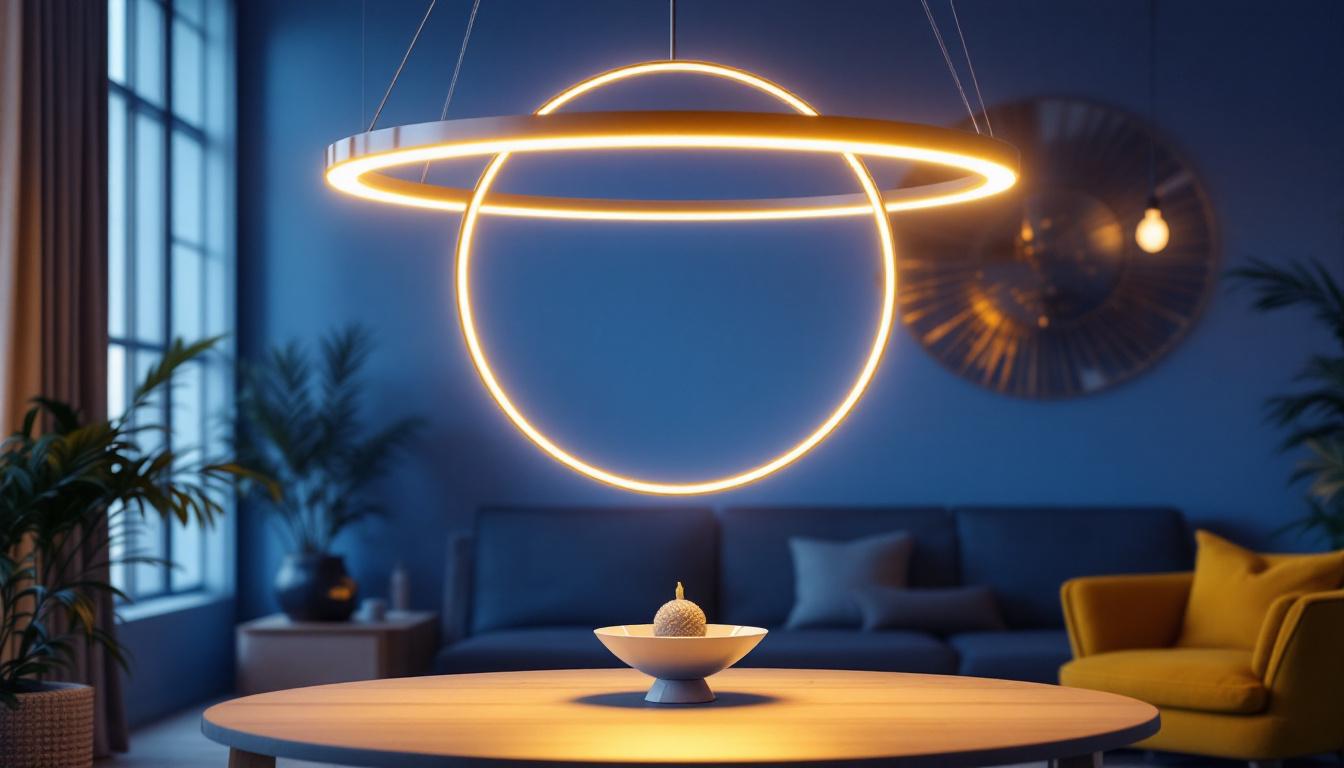
Circle hanging lights have surged in popularity among designers and contractors alike. Their sleek, minimalist design complements a variety of architectural styles, from modern industrial lofts to cozy, contemporary homes. But beyond aesthetics, these fixtures offer practical benefits that make them a go-to choice for many lighting projects.
One major advantage is their ability to provide even, diffused lighting. Unlike traditional pendant lights that focus illumination downward, circle hanging lights often incorporate LED strips or diffusers around their entire circumference. This design reduces harsh shadows and creates a soft, ambient glow that enhances a room’s atmosphere. The uniform light distribution is especially beneficial in larger spaces, such as open-plan living areas or dining rooms, where it can help to create a cohesive and inviting environment.
For contractors, the modular nature of circle lights simplifies installation and maintenance. Many models come with adjustable suspension cables, allowing for precise height customization to suit different ceiling heights and room functions. This flexibility saves time on-site and reduces the need for additional hardware. Additionally, the lightweight materials often used in these fixtures make them easier to handle and install, further streamlining the process for professionals.
Moreover, circle hanging lights are increasingly available in a variety of materials and finishes, from sleek metals to warm woods, allowing homeowners to select a style that aligns perfectly with their interior design vision. This versatility means they can be used not just in residential settings but also in commercial spaces like cafes and boutiques, where they can serve as both functional lighting and eye-catching decor. The ability to customize the color temperature of the lighting also adds another layer of adaptability, enabling users to create the desired mood for different occasions, whether it’s a cozy dinner party or a vibrant social gathering.
Common Installation Challenges and Solutions
Weight and Support Considerations
Circle hanging lights can vary widely in size and weight, especially when incorporating metal frames and high-output LED arrays. One frequent question is how to ensure the ceiling structure can support the fixture safely.
Lighting contractors should always verify the ceiling joists or mounting points before installation. For heavier fixtures, reinforcing the mounting area with additional bracing or using specialized anchors is often necessary. In commercial settings, adherence to local building codes regarding fixture weight limits is crucial to avoid liability. Additionally, it’s wise to consider the long-term effects of the fixture’s weight on the ceiling structure, especially in older buildings where materials may have weakened over time. A thorough inspection can help identify potential issues before they become costly problems.
Wiring and Power Supply Issues
Another common concern involves wiring, particularly with LED circle lights that may require low-voltage drivers or dimmable power supplies. Contractors must confirm compatibility between the fixture and existing electrical systems.
Many circle hanging lights come with integrated LED drivers, simplifying connections to standard line voltage. However, when drivers are external, proper placement and ventilation are essential to prevent overheating. Additionally, ensuring that dimmer switches are compatible with LED technology avoids flickering or buzzing, which can frustrate clients. It’s also important to consider the overall energy efficiency of the installation; using high-quality, energy-efficient components can lead to significant cost savings over time, making the initial investment more worthwhile.
Height Adjustment and Cable Management
Adjusting the suspension height is often a source of confusion, especially when fixtures have multiple cables or wires. Contractors should familiarize themselves with the manufacturer’s mechanisms, which typically include locking grips or tensioners.
Proper cable management not only affects aesthetics but also safety. Excess cable length should be neatly coiled or concealed within ceiling canopies. Avoiding slack reduces the risk of accidental snagging or damage during routine maintenance. Furthermore, implementing a systematic approach to cable management can enhance the overall installation process, making future adjustments or replacements easier. Using color-coded cables or labeled connectors can also streamline troubleshooting, allowing for quicker identification of issues should they arise down the line.
Design Integration and Client Expectations
Matching Fixture Size to Space
Clients frequently ask about the appropriate size of a circle hanging light for their rooms. The fixture’s diameter should be proportional to the room’s dimensions to maintain visual harmony.
A practical rule of thumb is to add the room’s length and width (in feet) and convert that sum to inches to find an ideal fixture diameter. For example, a 12-by-14-foot room would suit a circle light approximately 26 inches wide. While not absolute, this guideline helps contractors advise clients confidently. Additionally, it’s important to consider the height of the ceiling. In rooms with higher ceilings, larger fixtures can create a more dramatic effect, while lower ceilings may require more compact designs to avoid overwhelming the space. This balance ensures that the light not only fits the room but also complements its architectural features.
Layering with Other Lighting Elements
Circle hanging lights rarely serve as the sole light source. They work best when layered with task lighting, accent lights, or wall sconces. Contractors should discuss with clients how the circle fixture will interact with other elements to achieve balanced illumination.
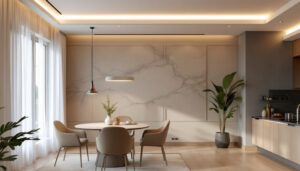
For instance, in dining rooms, a circle hanging light centered over the table can provide ambient light, while recessed downlights or wall washers highlight artwork or architectural features. Such combinations elevate the overall lighting scheme and client satisfaction. Furthermore, incorporating dimmable options into these layered lighting designs allows clients to adjust the ambiance for different occasions, whether it’s a lively dinner party or a quiet family meal. By thoughtfully considering the interplay of various light sources, contractors can help clients create a dynamic and inviting atmosphere that enhances the functionality of their spaces.
Color Temperature and Dimming Options
Clients often want control over the mood created by their lighting. Circle hanging lights with adjustable color temperature and dimming capabilities offer this flexibility.
Contractors should ensure that fixtures support tunable white LEDs or are compatible with smart lighting controls. This enables users to shift from bright, cool white light for tasks to warm, cozy tones for relaxation. Properly setting up these features requires careful wiring and programming but pays off in client delight. Additionally, educating clients about the psychological effects of color temperature can help them make informed choices. For example, cooler temperatures can enhance focus and productivity in home offices, while warmer tones can promote relaxation in bedrooms. By providing this knowledge, contractors empower clients to personalize their lighting experience, ultimately leading to a more satisfying and functional living environment.
Maintenance and Longevity Considerations
Cleaning and Upkeep
Circle hanging lights, especially those with open or exposed designs, can accumulate dust and grime over time. Easy access for cleaning is a feature contractors should look for when selecting fixtures.
Fixtures with detachable diffusers or modular components simplify maintenance. Using microfiber cloths and gentle cleaning agents prevents damage to delicate finishes or LED surfaces. Advising clients on routine care extends the fixture’s lifespan and maintains its appearance.
LED Lifespan and Replacement
LED technology has significantly improved fixture longevity, with many circle hanging lights rated for tens of thousands of hours. However, eventual degradation or failure of LED components is inevitable.
Contractors should verify whether the fixture allows for LED module replacement or if the entire unit must be swapped out. Fixtures designed with replaceable LED boards reduce long-term costs and environmental impact. Offering clients this information upfront helps manage expectations and supports sustainable practices.
Warranty and Support
Understanding warranty terms is essential. Some manufacturers provide extended warranties on LED components and drivers, while others offer limited coverage.
Contractors should clarify warranty details with suppliers and communicate them to clients. This transparency builds trust and can influence purchasing decisions, especially for high-end installations.
Energy Efficiency and Code Compliance
Meeting Energy Standards
Energy efficiency is a priority for many clients, both residential and commercial. Circle hanging lights with integrated LEDs typically consume less power than traditional incandescent or fluorescent fixtures.
Contractors must ensure that selected fixtures comply with local energy codes, such as requirements for ENERGY STAR certification or Title 24 standards in certain regions. These certifications guarantee performance and can qualify clients for rebates or incentives.
Emergency Lighting Integration
In commercial applications, circle hanging lights may need to integrate with emergency lighting systems. Contractors should verify compatibility with backup power sources or emergency drivers.
Failing to meet these requirements can lead to code violations and safety hazards. Early coordination with electrical engineers or building inspectors helps ensure seamless compliance.
Smart Controls and Automation
Smart lighting controls are becoming standard in many projects. Circle hanging lights that support wireless protocols like Zigbee, Z-Wave, or Wi-Fi enable advanced features such as scheduling, occupancy sensing, and scene setting.
Contractors should assess the client’s existing smart home or building automation systems to select compatible fixtures. Proper integration enhances user experience and future-proofs the installation.
Final Thoughts for Lighting Contractors
Circle hanging lights offer a versatile and attractive option for a wide range of projects. Understanding the nuances of their design, installation, and maintenance helps contractors deliver superior results.
Clear communication with clients about sizing, controls, and upkeep fosters satisfaction and repeat business. Staying informed about evolving technologies and code requirements ensures installations are safe, efficient, and stylish.
By mastering these common questions and challenges, lighting contractors can confidently recommend circle hanging lights as a centerpiece in their lighting solutions portfolio.
Illuminate Your Projects with LumenWholesale
Ready to elevate your lighting game with circle hanging lights that blend form, function, and affordability? Look no further than LumenWholesale. Our extensive selection of spec-grade lighting products is designed to meet the highest industry standards, providing you with reliable and high-performance lighting solutions. With unbeatable wholesale prices and the convenience of free shipping on bulk orders, you can ensure your projects shine without breaking the bank. Discover wholesale lighting at the best value and make LumenWholesale your partner for all your lighting needs.