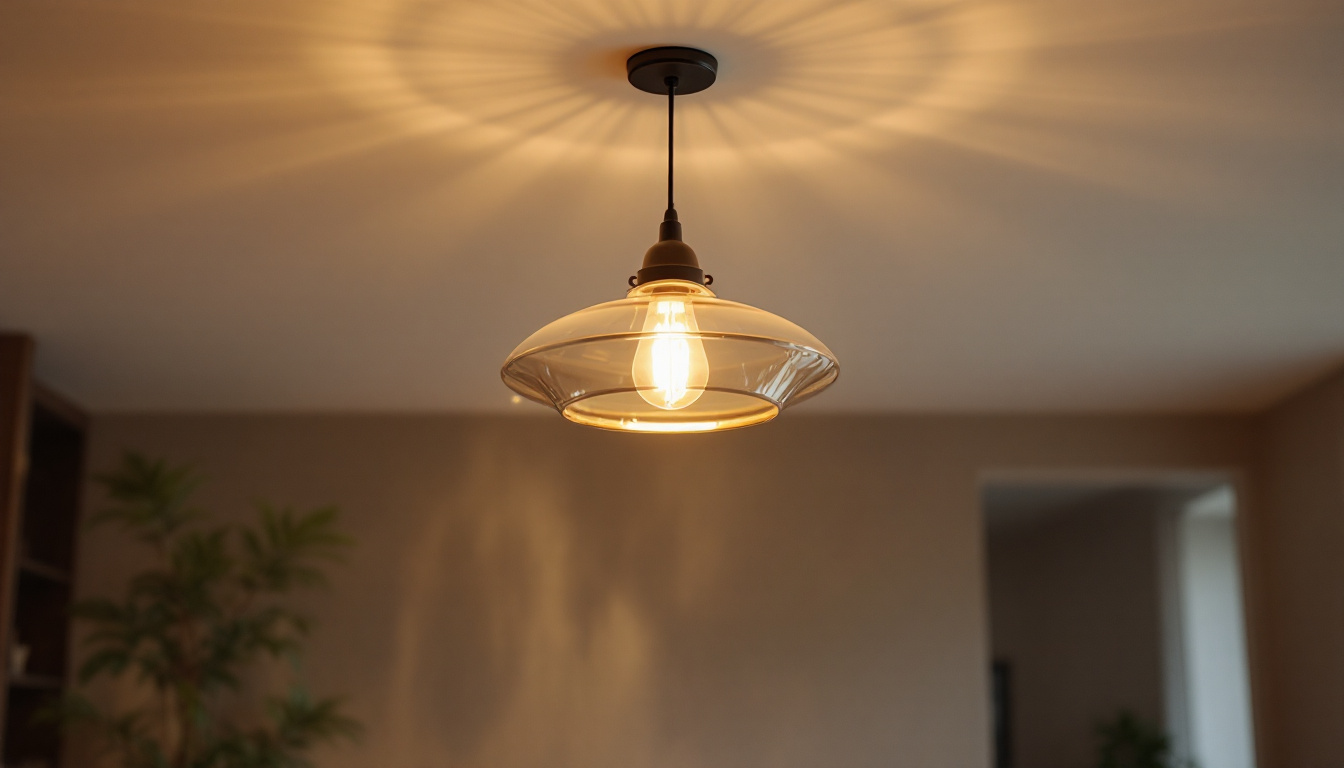
As the demand for elegant and sophisticated lighting solutions continues to rise, chandeliers remain a popular choice among homeowners and businesses alike. For lighting contractors, understanding the nuances of selecting and installing chandeliers is crucial to delivering exceptional results. This guide aims to provide insights into the pitfalls to avoid when purchasing chandeliers, ensuring that both contractors and clients are satisfied with the final outcome.
Understanding the Basics of Chandeliers
Chandeliers are not just decorative elements; they serve as focal points in a room, enhancing the overall aesthetic while providing essential lighting. They come in various styles, sizes, and materials, making it essential for contractors to understand the different types available in the market.
Types of Chandeliers
Chandeliers can be broadly categorized into several types, including traditional, modern, and rustic designs. Traditional chandeliers often feature intricate designs with crystal or glass accents, while modern chandeliers may incorporate sleek lines and innovative materials. Rustic chandeliers, on the other hand, often utilize wood and metal to create a warm, inviting atmosphere.
Understanding these categories helps contractors make informed decisions based on the specific style preferences of their clients. Additionally, it is essential to consider the functionality of the chandelier, as some designs may be better suited for certain spaces than others. For example, a multi-tiered chandelier can provide ample light for larger dining areas or ballrooms, while a minimalist pendant might be more appropriate for cozy kitchens or intimate dining nooks. Moreover, the choice of bulbs—whether incandescent, LED, or halogen—can significantly impact the ambiance, energy efficiency, and maintenance of the chandelier.
Size and Scale Considerations
Choosing the right size chandelier is critical to achieving a balanced look in any space. A chandelier that is too large can overwhelm a room, while one that is too small may get lost in the decor. As a rule of thumb, the diameter of the chandelier should be approximately one-half to two-thirds the width of the table or area it will be hung over.
Additionally, consider the height at which the chandelier will be installed. A general guideline is to hang the chandelier about 30 to 36 inches above a dining table. In spaces with high ceilings, a larger chandelier can create a dramatic effect, while a smaller one may be more appropriate for lower ceilings. It’s also worth noting that the scale of the chandelier should complement other elements in the room, such as furniture, wall decor, and architectural features. For instance, in a room with tall windows or grand molding, a statement chandelier can enhance the verticality of the space, drawing the eye upward and creating an illusion of greater height.
Common Pitfalls When Purchasing Chandeliers
Even seasoned contractors can encounter challenges when selecting chandeliers. Awareness of common pitfalls can help avoid costly mistakes and ensure client satisfaction.
Overlooking Quality and Craftsmanship
One of the most significant mistakes contractors make is prioritizing aesthetics over quality. A beautiful chandelier may catch the eye, but if it is poorly made, it won’t stand the test of time. It is essential to examine the materials used, the craftsmanship, and the manufacturer’s reputation before making a purchase.
Investing in high-quality chandeliers may come with a higher upfront cost, but it pays off in the long run through durability and reduced maintenance needs. Additionally, clients will appreciate the value of a well-crafted piece that enhances their space.
Ignoring the Electrical Requirements
Chandeliers often require specific electrical setups, including wiring and voltage considerations. Before purchasing, contractors should assess the existing electrical infrastructure to ensure compatibility. Failure to do so can lead to installation delays and additional costs.
Moreover, understanding the wattage requirements and the type of bulbs needed for the chandelier is crucial. Some chandeliers may require multiple bulbs, while others may use a single, more powerful fixture. Ensuring the electrical system can accommodate these needs is vital for a successful installation.
Neglecting the Importance of Lighting Design
lighting design is a critical aspect of any project, and chandeliers play a significant role in this. Contractors should consider how the chandelier will interact with other light sources in the room, such as ambient, task, and accent lighting. A well-designed lighting plan will create a harmonious atmosphere and enhance the functionality of the space.
Additionally, the color temperature of the bulbs used in the chandelier can significantly impact the overall ambiance. Warmer tones create a cozy feel, while cooler tones may be more suitable for modern or minimalist designs. Understanding the client’s preferences and the intended use of the space is essential in making the right lighting choices.
Installation Tips for Success
Once a chandelier has been selected, proper installation is crucial to ensure safety and functionality. Here are some tips to keep in mind during the installation process.
Preparation and Planning
Before installation, it is essential to prepare the site adequately. This includes measuring the height at which the chandelier will hang and ensuring that the electrical connections are safe and secure. Having all necessary tools and materials on hand will streamline the installation process and minimize disruptions.
Additionally, reviewing the manufacturer’s installation instructions is vital. Different chandeliers may have unique requirements, and following these guidelines will ensure a successful installation.
Safety First
Safety should always be a top priority during chandelier installation. Contractors should ensure that the power is turned off before beginning any work on electrical connections. Using appropriate safety gear, such as gloves and goggles, can help prevent accidents.
Furthermore, if the chandelier is particularly large or heavy, it may be necessary to have additional help during the installation process. Utilizing a sturdy ladder and ensuring that the chandelier is securely mounted will prevent any accidents or damage to the fixture.
Testing and Final Adjustments
After installation, it is essential to test the chandelier to ensure it functions correctly. This includes checking that all bulbs are working and that the fixture is securely mounted. Making any necessary adjustments to the height or angle of the chandelier can enhance its appearance and functionality.
Once everything is in place, taking the time to clean the chandelier and ensure it is free of dust and debris will present a polished final product. Clients will appreciate the attention to detail, and it will enhance the overall aesthetic of the space.
Choosing the Right Supplier
The supplier chosen for purchasing chandeliers can significantly impact the overall experience and outcome of a project. Selecting a reputable supplier ensures access to quality products and reliable customer service.
Researching Suppliers
Before making a purchase, contractors should conduct thorough research on potential suppliers. This includes reading reviews, checking ratings, and seeking recommendations from peers in the industry. A supplier with a strong reputation is more likely to provide high-quality products and support throughout the purchasing process.
Additionally, visiting showrooms can provide valuable insights into the quality and variety of chandeliers available. Seeing the products in person allows contractors to assess their craftsmanship and suitability for specific projects.
Understanding Return Policies and Warranties
Before finalizing any purchases, it is crucial to understand the supplier’s return policies and warranty options. Chandeliers can be a significant investment, and having the option to return or exchange a product if it does not meet expectations is essential.
A solid warranty can also provide peace of mind, ensuring that any defects or issues can be addressed without incurring additional costs. Contractors should always clarify these details before completing a purchase.
Staying Updated on Trends and Innovations
The world of lighting design is constantly evolving, with new trends and innovations emerging regularly. Staying informed about these changes can help contractors provide the best options to their clients and remain competitive in the industry.
Following Industry Publications and Resources
Subscribing to industry publications, attending trade shows, and participating in workshops can provide valuable insights into the latest trends in chandelier design and technology. These resources often highlight innovative products and showcase emerging styles, allowing contractors to stay ahead of the curve.
Networking with other professionals in the field can also lead to valuable exchanges of ideas and experiences. Engaging with peers can provide inspiration and help contractors discover new suppliers or products that may be beneficial for their projects.
Embracing Technology
Technology is playing an increasingly significant role in lighting design, including chandeliers. Smart lighting solutions, such as adjustable color temperatures and remote control features, are becoming more popular among homeowners. Contractors should familiarize themselves with these technologies to offer clients modern, customizable options.
Additionally, understanding energy-efficient lighting solutions, such as LED chandeliers, can help contractors provide sustainable options that appeal to environmentally conscious clients. Staying updated on these advancements will enhance the contractor’s ability to meet diverse client needs.
Conclusion
Choosing and installing chandeliers involves careful consideration and attention to detail. By avoiding common pitfalls, understanding the nuances of chandelier design, and staying informed about industry trends, lighting contractors can enhance their offerings and ensure client satisfaction. The right chandelier can transform a space, making it essential for contractors to approach each project with knowledge and professionalism.
Ultimately, a well-executed chandelier installation not only elevates the aesthetic of a room but also showcases the contractor’s expertise. By following the guidelines outlined in this article, contractors can navigate the complexities of chandelier selection and installation with confidence, delivering stunning results that will leave a lasting impression.
Illuminate Your Projects with LumenWholesale
Ready to elevate your lighting projects with the finest chandeliers and avoid the common pitfalls discussed? Look no further than LumenWholesale. Our commitment to providing contractors with high-quality, spec-grade lighting solutions at unbeatable wholesale prices ensures that your installations shine with excellence. With an extensive selection that meets rigorous industry standards, you can trust that you’re getting reliable, high-performance lighting every time. Plus, our hassle-free bulk buying experience, complete with free shipping, guarantees that you receive premium lighting at the best value — without hidden fees or compromises. Don’t settle for less; choose LumenWholesale for quality, affordability, and convenience. Wholesale Lighting at the Best Value is just a click away.