Understanding the Importance of Ceiling Recessed Light Covers
Ceiling recessed lighting has become a staple in modern interior design, offering a sleek, unobtrusive way to illuminate spaces. However, the role of recessed light covers often goes underestimated. For lighting contractors, selecting and installing the right light cover is crucial—not only for aesthetic appeal but also for safety, energy efficiency, and longevity of the lighting system.
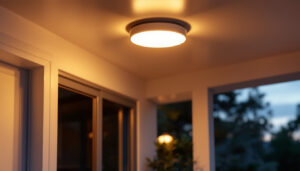
Recessed light covers serve multiple purposes: they protect the light fixture from dust and debris, diffuse the light to reduce glare, and can even enhance the fixture’s energy efficiency. Additionally, they play a vital role in fire safety and insulation compliance, especially when installed in ceilings with insulation or in fire-rated assemblies.
Understanding these factors is essential for contractors who want to deliver high-quality, code-compliant installations that satisfy both their clients and regulatory requirements. Furthermore, the choice of material for the recessed light cover can significantly impact the overall performance of the lighting system. For instance, acrylic covers tend to be lightweight and shatter-resistant, making them an excellent choice for residential applications. In contrast, glass covers can provide a more sophisticated look and are often used in commercial settings where aesthetics are paramount. The right material not only enhances the visual appeal but also contributes to the durability and maintenance of the lighting fixtures.
Moreover, the design of recessed light covers can vary widely, from simple, minimalist styles to more decorative options that can complement a room’s decor. Some covers are designed with specific features, such as adjustable angles for directional lighting, which can be particularly beneficial in spaces that require focused illumination, like art galleries or retail environments. By offering a range of choices, contractors can better meet the diverse needs of their clients, ensuring that the lighting not only serves its functional purpose but also enhances the overall ambiance of the space.
Types of Ceiling Recessed Light Covers and Their Applications
Trim Styles and Materials
Lighting contractors encounter various trim styles when working with recessed light covers. The trim is the visible part of the light cover and significantly influences the fixture’s appearance and light distribution.
Common trim styles include baffle trims, reflector trims, and eyeball trims. Baffle trims reduce glare by absorbing excess light and are ideal for living rooms and bedrooms where softer lighting is preferred. Reflector trims maximize light output and are suited for task-oriented spaces like kitchens and offices. Eyeball trims allow directional lighting, perfect for highlighting artwork or architectural features. The choice of trim can dramatically alter the ambiance of a room, making it essential for contractors to understand the specific needs of their clients.
Materials vary from aluminum and steel to plastic and glass. Aluminum trims are durable and offer excellent heat dissipation, which is critical for high-wattage bulbs. Plastic trims are lightweight and cost-effective but may not withstand high temperatures as well. Glass covers provide a clean, modern look but require careful handling during installation. Additionally, some manufacturers offer trims with decorative finishes or colors, allowing homeowners to customize their lighting fixtures to match their interior design. This versatility in materials and styles enables a wide range of aesthetic possibilities, ensuring that recessed lighting can complement any decor.
IC vs. Non-IC Rated Covers
One of the most important distinctions in recessed light covers is whether they are Insulation Contact (IC) rated or non-IC rated. IC-rated covers are designed to be installed in direct contact with ceiling insulation without risk of overheating, which is essential for energy efficiency and fire safety.
Non-IC rated covers, on the other hand, require a clearance space around the fixture to prevent heat buildup. When working in insulated ceilings, contractors must ensure the correct type of cover is used to comply with building codes and manufacturer specifications. Using a non-IC rated cover in an insulated ceiling can pose serious fire hazards. Furthermore, the choice between IC and non-IC rated covers can influence the overall energy efficiency of a home. IC-rated fixtures often allow for better insulation, reducing heating and cooling costs over time. As energy efficiency becomes increasingly important in modern construction, understanding these distinctions helps contractors provide informed recommendations to their clients, ultimately leading to safer and more sustainable lighting solutions.
Installation Best Practices for Lighting Contractors
Preparing the Ceiling and Fixture
Proper installation begins with thorough preparation. Contractors should first verify the ceiling type and insulation presence to determine the appropriate cover type. Measuring the fixture’s diameter and depth is critical to ensure the cover fits snugly without gaps that could allow drafts or moisture intrusion. Understanding the specific requirements of different ceiling materials—such as drywall, plaster, or drop ceilings—can also influence the choice of installation techniques and tools required.
Before installing the cover, inspect the fixture for any damage or loose wiring. Secure all electrical connections and test the fixture to confirm it is operational. This step prevents the need to remove the cover later for troubleshooting. Additionally, it’s advisable to familiarize oneself with local electrical codes and regulations, as these can dictate specific installation practices and safety measures that must be adhered to, ensuring compliance and safety in every project.
Securing the Cover and Ensuring Safety
When installing the recessed light cover, it is important to follow manufacturer instructions precisely. Many covers use spring clips or torsion springs to hold them in place. Ensuring these clips are properly engaged will prevent the cover from loosening over time. Moreover, it is beneficial to use a level during installation to ensure that the cover sits flush with the ceiling surface, which not only enhances the visual appeal but also ensures optimal light distribution throughout the space.
Additionally, contractors should verify that the cover does not obstruct the heat dissipation of the fixture. Overheating can reduce bulb life and increase fire risk. For IC-rated covers, confirm that insulation is properly installed around the fixture without compressing it excessively, which can reduce insulation effectiveness. Understanding the thermal dynamics of the lighting system can help in selecting the right fixtures and covers that align with energy efficiency goals while ensuring safety and performance.
Sealing and Finishing Touches
To enhance energy efficiency and prevent air leakage, sealing around the recessed light cover is recommended. Using fire-rated caulk or foam sealant can help maintain the integrity of the ceiling assembly, especially in airtight or energy-efficient buildings. This sealing process not only contributes to energy savings but also plays a crucial role in soundproofing, which is particularly important in residential and commercial spaces where noise reduction is a priority.
Finally, the cover should be cleaned and checked for proper alignment. A well-installed cover not only performs better but also contributes to the overall aesthetic of the space, reflecting the professionalism of the contractor’s work. It is also wise to educate clients on the importance of regular maintenance checks for their lighting fixtures, ensuring longevity and sustained performance. Providing clients with tips on bulb replacement and cleaning can further enhance their satisfaction and trust in your expertise, solidifying your reputation as a reliable lighting contractor.
Common Challenges and How to Overcome Them
Dealing with Irregular Ceiling Surfaces
Older buildings or custom architectural designs often feature ceilings that are not perfectly flat or uniform. This can complicate the installation of recessed light covers, leading to gaps or uneven finishes.
Contractors can address this by using adjustable trims or flexible gaskets designed to conform to irregular surfaces. In some cases, minor ceiling modifications or the use of drywall compound may be necessary to create a smooth surface for the cover.
Compatibility with LED Retrofits
As LED technology continues to dominate the lighting market, contractors frequently retrofit existing recessed fixtures with LED modules. However, not all recessed light covers are compatible with LED bulbs, especially those designed for incandescent or halogen lamps.
LED bulbs generate less heat but may have different beam angles and sizes. Selecting covers specifically designed or tested for LED compatibility ensures optimal light distribution and prevents overheating or mechanical interference.
Maintaining Compliance with Codes and Standards
Building codes and electrical standards evolve over time, and lighting contractors must stay informed to avoid costly rework or liability issues. For example, fire safety codes often require specific types of recessed light covers in certain occupancies or ceiling assemblies.
Regularly consulting resources such as the National Electrical Code (NEC), local building codes, and manufacturer guidelines will help contractors maintain compliance. Additionally, documenting installations and providing clients with product specifications can be valuable for inspections and future maintenance.
Enhancing Client Satisfaction Through Expert Recommendations
Educating Clients on Benefits and Options
Clients often appreciate contractors who can explain the benefits of different recessed light covers and help them make informed decisions. Discussing options related to aesthetics, energy savings, and safety builds trust and positions the contractor as a knowledgeable professional.
For example, recommending LED-compatible covers can help clients reduce energy costs, while suggesting baffle trims can improve comfort in living spaces by minimizing glare. Providing samples or visual aids can further enhance the client experience.
Offering Maintenance and Upgrade Services
Lighting contractors can differentiate themselves by offering ongoing maintenance and upgrade services. Over time, recessed light covers may become discolored, damaged, or outdated. Proactively suggesting replacements or upgrades can extend fixture life and improve lighting quality.
Additionally, advising clients on cleaning techniques and inspection schedules helps maintain optimal performance and safety. These value-added services foster long-term relationships and generate repeat business.
Conclusion: Mastering Ceiling Recessed Light Covers for Professional Success
For lighting contractors, mastering the selection and installation of ceiling recessed light covers is a vital skill that impacts safety, efficiency, and client satisfaction. By understanding the various types of covers, adhering to installation best practices, and navigating common challenges, contractors can deliver superior results that stand the test of time.
Staying current with industry standards and technological advancements further enhances a contractor’s reputation and ability to meet diverse client needs. Ultimately, attention to detail in recessed light cover installation reflects a commitment to quality and professionalism that distinguishes top-tier lighting contractors in a competitive market.
Get Your Premium Recessed Light Covers at LumenWholesale
Ready to elevate your lighting installations with the highest quality recessed light covers? Look no further than LumenWholesale, where we provide contractors with spec-grade lighting products at unbeatable wholesale prices. Say goodbye to local distributor markups and hello to our extensive selection that meets rigorous industry standards. With free shipping on bulk orders, LumenWholesale is your go-to source for reliable, high-performance lighting that merges quality with affordability. Don’t compromise on your lighting needs. Wholesale Lighting at the Best Value is just a click away. Experience the LumenWholesale difference today!