Introduction to Ceiling Light Remote Systems
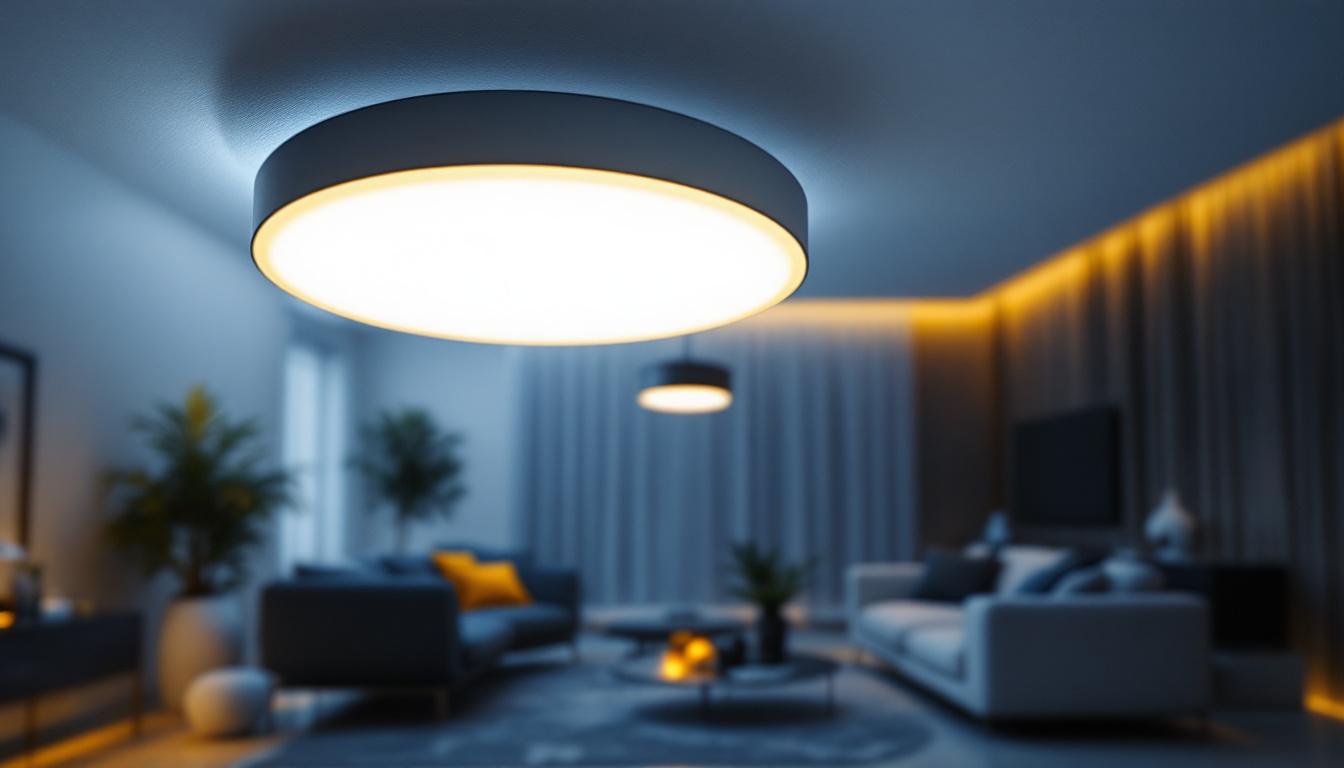
In the evolving landscape of smart home technology, ceiling light remote systems have become a pivotal feature in modern lighting installations. For lighting contractors, understanding the nuances of these systems is essential to delivering solutions that meet both aesthetic and functional demands of contemporary clients. Ceiling light remotes provide an intuitive interface for controlling lighting fixtures, offering convenience, energy efficiency, and enhanced ambiance control.
These systems range from simple infrared (IR) remotes to advanced radio frequency (RF) and Wi-Fi-enabled smart controls. The integration of remote controls into ceiling lighting not only elevates user experience but also opens avenues for contractors to differentiate their services with cutting-edge technology.
Moreover, the versatility of these systems allows for customization based on individual preferences and room requirements. For instance, many modern ceiling light remote systems come equipped with features such as dimming capabilities, color temperature adjustments, and programmable settings that can be tailored to suit various activities—from hosting a dinner party to enjoying a quiet evening with a book. This level of personalization not only enhances the functionality of the lighting but also contributes to creating a unique atmosphere that reflects the homeowner’s style and mood.
In addition, the rise of smart home ecosystems has led to the development of ceiling light remote systems that can seamlessly integrate with other smart devices, such as voice assistants and smart thermostats. This interconnectedness allows users to control their lighting through voice commands or automate their lighting schedules based on their daily routines. As a result, lighting contractors are not just installing fixtures; they are becoming integral players in the broader smart home experience, providing clients with comprehensive solutions that enhance comfort, security, and energy management throughout their living spaces.
Key Technologies Behind Ceiling Light Remote Controls
Infrared (IR) Remote Controls
Infrared remotes have been the traditional choice for ceiling light control due to their simplicity and cost-effectiveness. They rely on line-of-sight communication, emitting IR signals that the light fixture’s receiver interprets to adjust brightness, switch modes, or turn the light on and off.
While IR remotes are straightforward and reliable, their limitations include restricted range and the necessity for direct visibility between remote and receiver. For contractors, IR systems are often suitable for smaller rooms or installations where the fixture is easily accessible. Additionally, the simplicity of IR technology means that it can be easily integrated into existing lighting systems without the need for extensive rewiring or additional components, making it an attractive option for retrofitting older homes.
Radio Frequency (RF) Remote Controls
RF remotes operate on radio waves, allowing for non-line-of-sight communication and greater range compared to IR systems. This technology is particularly advantageous in larger spaces or where the fixture is obscured by furniture or architectural elements.
RF remotes provide more flexibility in installation and user convenience, enabling control from different rooms or even from adjacent floors. Lighting contractors appreciate RF systems for their robustness and adaptability to complex layouts. Moreover, RF technology often comes with the added benefit of multi-channel operation, allowing multiple fixtures to be controlled independently or in groups, enhancing the overall user experience in both residential and commercial settings.
Wi-Fi and Smart Home Integration
The latest ceiling light remote solutions incorporate Wi-Fi connectivity, enabling control through smartphones, voice assistants, and automation platforms. This advancement aligns with the growing demand for smart home ecosystems where lighting is seamlessly integrated with other devices.
For contractors, offering Wi-Fi-enabled ceiling light controls means catering to tech-savvy clients who prioritize remote access, scheduling, and scene-setting capabilities. Additionally, these systems often support firmware updates and integration with popular smart home protocols such as Zigbee or Z-Wave. The ability to create customized lighting scenes, such as a “movie night” mode that dims the lights and adjusts color temperatures, adds a layer of personalization that modern homeowners increasingly seek. Furthermore, with energy monitoring features becoming more common, users can track their energy usage and make informed decisions about their lighting habits, contributing to both sustainability and cost savings.
Design Considerations for Lighting Contractors
Assessing Client Needs and Usage Patterns
Successful implementation of ceiling light remote systems begins with a thorough understanding of the client’s lifestyle and lighting preferences. Contractors should inquire about the desired level of control, preferred interface types, and any specific scenarios such as dimming for home theaters or color temperature adjustments for workspaces.
Understanding these requirements allows contractors to recommend appropriate technologies and customize solutions that enhance user satisfaction and utility.
Compatibility and Fixture Selection
Not all ceiling fixtures are compatible with every remote control technology. Contractors must evaluate the electrical specifications, communication protocols, and physical design of fixtures to ensure seamless integration.
For example, LED ceiling lights often require specialized drivers that support dimming and remote control functions. Selecting fixtures with built-in receivers or those designed for retrofit with remote modules simplifies installation and reduces potential issues.
Installation and Wiring Challenges
Integrating remote control systems into ceiling lighting can present wiring challenges, especially in retrofit scenarios. Contractors must plan for access to power sources, placement of receivers, and potential interference with other electronic devices.
Proper installation techniques, including shielding and grounding, are critical to maintaining signal integrity and ensuring reliable operation of the remote controls.
Energy Efficiency and Sustainability Benefits
Ceiling light remote systems contribute significantly to energy conservation efforts. The ability to precisely control lighting levels and automate schedules reduces unnecessary energy consumption, aligning with green building standards and client expectations for sustainability.
Lighting contractors can leverage these benefits to promote environmentally responsible solutions, often qualifying projects for energy rebates or certifications. Moreover, remote dimming extends the lifespan of LED fixtures by reducing thermal stress, further enhancing sustainability.
Enhancing User Experience Through Advanced Features
Scene Setting and Mood Control
Modern ceiling light remote systems offer scene-setting capabilities, allowing users to pre-program lighting moods for different activities such as dining, reading, or entertaining. This feature adds a layer of personalization that resonates well with homeowners and commercial clients alike.
Contractors can demonstrate the value of these features during consultations, showcasing how tailored lighting scenes improve comfort and ambiance.
Integration with Voice Assistants
Voice control compatibility is increasingly expected in smart lighting solutions. Ceiling light remotes that integrate with platforms like Amazon Alexa, Google Assistant, or Apple HomeKit provide hands-free convenience and accessibility.
For contractors, ensuring that installed systems support these integrations enhances the appeal of their offerings and future-proofs installations against evolving consumer preferences.
Remote Access and Automation
Remote access via mobile apps empowers users to control their ceiling lights from anywhere, adding security and convenience. Automation features, such as timers and occupancy sensors, further optimize energy use and user comfort.
Lighting contractors should emphasize these benefits when proposing smart ceiling light solutions, as they align with the growing trend toward connected, responsive environments.
Challenges and Solutions in Ceiling Light Remote Installations
Signal Interference and Range Limitations
One common challenge in remote-controlled ceiling lighting is signal interference caused by building materials, electronic devices, or competing wireless signals. Contractors must assess the installation environment and select technologies that mitigate these issues.
Using RF or Wi-Fi systems with mesh networking capabilities can enhance reliability. Additionally, strategic placement of receivers and repeaters ensures consistent performance.
Security and Privacy Concerns
As smart lighting systems connect to home networks, they become potential targets for cyber threats. Contractors must educate clients on securing their Wi-Fi networks and choosing devices with robust encryption and authentication protocols.
Implementing best practices in network security preserves user privacy and maintains the integrity of smart lighting systems.
Maintenance and Support
Remote-controlled ceiling lighting systems require occasional maintenance, including firmware updates and troubleshooting connectivity issues. Contractors should provide clear guidance and support options to clients, ensuring long-term satisfaction.
Offering maintenance contracts or remote diagnostics can differentiate contractors as trusted partners in smart lighting solutions.
Future Trends Impacting Ceiling Light Remote Solutions
Advancements in Wireless Communication
Emerging wireless standards promise faster, more reliable communication with lower power consumption. Lighting contractors should stay informed about developments such as Matter protocol adoption, which aims to unify smart home device interoperability.
Embracing these technologies will enable contractors to offer future-proof solutions that simplify integration and enhance user experience.
Integration with Building Automation Systems
The convergence of lighting control with broader building automation systems is gaining momentum, particularly in commercial and multi-residential projects. Ceiling light remote systems that can interface with HVAC, security, and energy management platforms provide comprehensive control and efficiency.
Contractors expanding their expertise into building automation will find new opportunities to deliver value-added services.
Artificial Intelligence and Adaptive Lighting
AI-driven lighting systems that learn user preferences and adjust lighting dynamically are on the horizon. These innovations promise to optimize comfort, productivity, and energy savings without manual intervention.
Contractors positioning themselves as early adopters of AI lighting technologies can capture emerging market segments and establish leadership in smart lighting solutions.
Conclusion: Strategic Approaches for Lighting Contractors
Ceiling light remote systems represent a vital component of modern lighting design and installation. For lighting contractors, adopting a strategic approach that encompasses technology selection, client education, and future-proofing is essential for success.
By mastering the technical aspects of remote control technologies, addressing installation challenges, and embracing emerging trends, contractors can deliver superior lighting experiences that satisfy evolving client demands. Ultimately, the integration of ceiling light remotes enhances not only the functionality and aesthetics of lighting but also the contractor’s reputation as a forward-thinking professional in the smart lighting industry.
Discover Unmatched Value with LumenWholesale
Ready to elevate your lighting installations with the latest ceiling light remote systems? Look no further than LumenWholesale for all your lighting needs. Our extensive selection of spec-grade lighting products comes at unbeatable wholesale prices, ensuring you get the most value for your investment. Say goodbye to local distributor markups and hello to high-performance lighting that meets the highest industry standards. Plus, enjoy the convenience of free shipping on bulk orders, making your purchase hassle-free. Don’t compromise on quality or price. Visit LumenWholesale today and experience the best in quality, affordability, and convenience for your next project.