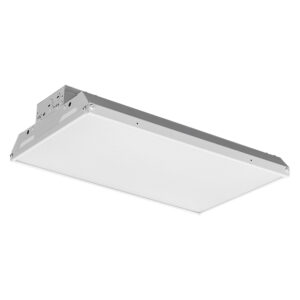
Understanding LED Cabinet Lighting
LED cabinet lighting has become a popular choice among homeowners and designers alike due to its energy efficiency, longevity, and versatility. These lights not only enhance the aesthetic appeal of cabinets but also improve functionality by illuminating workspaces. For lighting contractors, understanding the nuances of LED cabinet lighting is crucial for ensuring compliance with industry standards and meeting client expectations.
As the demand for LED lighting solutions continues to rise, contractors must stay informed about the latest technologies and regulations. This knowledge is essential not only for compliance but also for providing clients with the best possible solutions for their lighting needs. Furthermore, staying updated on emerging trends, such as smart lighting systems that can be controlled via smartphone apps or voice commands, can set contractors apart in a competitive market. These advancements not only offer convenience but also allow for greater customization in lighting design, catering to the unique preferences of each client.
Benefits of LED Cabinet Lighting
One of the primary advantages of LED cabinet lighting is its energy efficiency. Compared to traditional incandescent bulbs, LEDs consume significantly less power, which translates to lower energy bills for homeowners. Additionally, the long lifespan of LED lights means that they require less frequent replacement, resulting in reduced maintenance costs. This longevity is particularly appealing to homeowners looking to minimize their environmental footprint, as fewer bulbs in landfills contribute to sustainability efforts.
Moreover, LED cabinet lights offer a variety of color temperatures, allowing contractors to create different atmospheres within a space. From warm, inviting tones to cooler, more modern hues, the flexibility of LED lighting can cater to diverse design preferences. This adaptability also extends to dimmable options, which enable users to adjust the brightness according to the time of day or specific tasks, further enhancing the functionality of the space.
Types of LED Cabinet Lighting
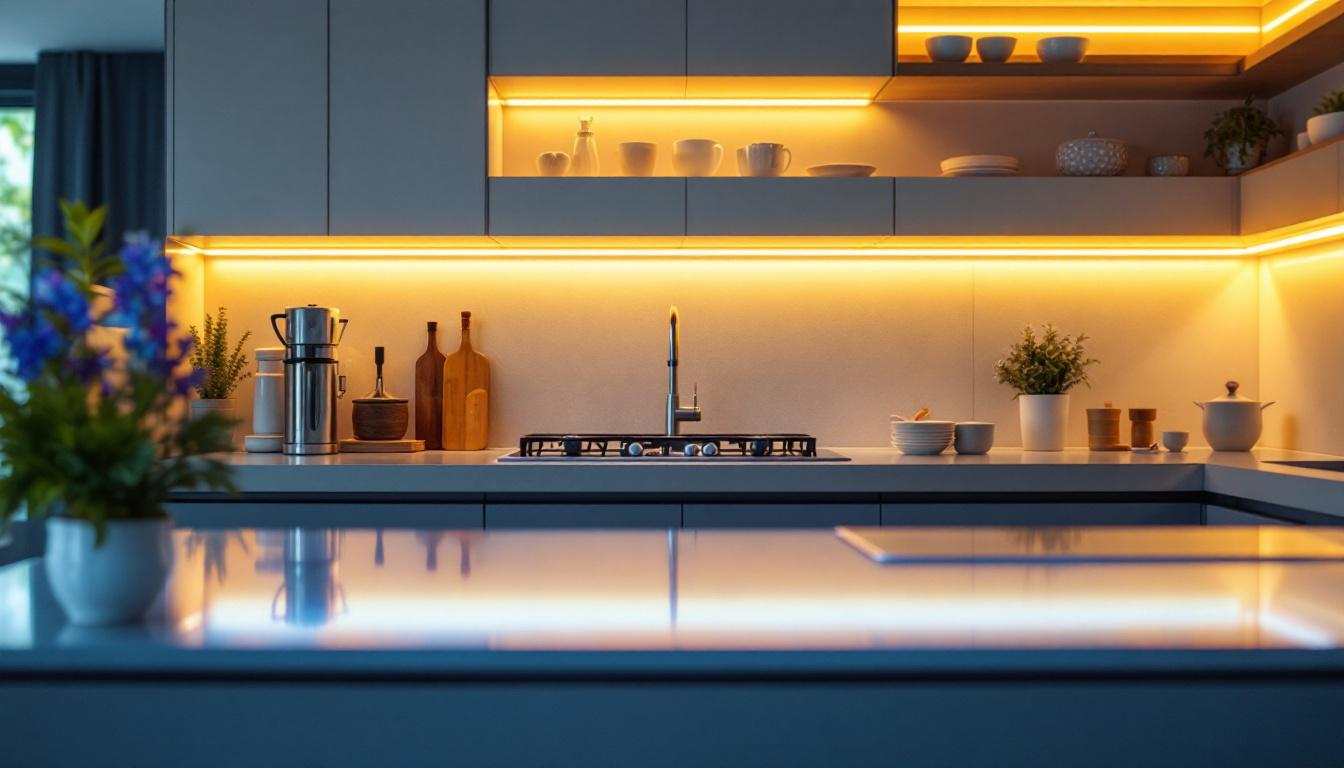
There are several types of LED cabinet lighting options available, each with its unique characteristics. Under-cabinet lights are among the most popular choices, providing direct illumination to countertops and workspaces. These lights can be installed in various configurations, including strip lights, puck lights, and linear fixtures. The choice of fixture can significantly impact the overall look of the kitchen or workspace, making it essential for contractors to understand the aesthetic preferences of their clients.
In-cabinet lighting is another option that enhances visibility within cabinets, making it easier for users to find items. This type of lighting can be particularly beneficial in kitchens and storage areas where organization is key. Additionally, LED tape lights can be used for accent lighting, highlighting specific features or creating a dramatic effect. These versatile strips can be easily cut to size and installed in various locations, such as along shelves or inside glass-front cabinets, allowing for a personalized touch that showcases the homeowner’s style while improving functionality.
Compliance Standards for LED Lighting
As the LED lighting market continues to evolve, compliance with various standards and regulations becomes increasingly important. Lighting contractors must be aware of these requirements to ensure that their installations are safe, efficient, and legal.
Compliance standards can vary by region, but there are some common guidelines that contractors should be familiar with. These include energy efficiency regulations, safety standards, and building codes that pertain to electrical installations. Understanding these standards is crucial for contractors who want to maintain a competitive edge in the market while ensuring that their work meets the highest quality benchmarks.
Energy Efficiency Regulations
Many regions have implemented energy efficiency regulations aimed at reducing energy consumption and promoting sustainable practices. These regulations often set minimum efficiency standards for lighting products, including LED cabinet lights. Contractors should ensure that the products they use meet or exceed these standards to avoid penalties and ensure customer satisfaction.
Moreover, staying informed about local energy efficiency programs can provide contractors with valuable insights into available incentives for clients. Many utility companies offer rebates for energy-efficient installations, which can be an attractive selling point for homeowners. Additionally, contractors can leverage these incentives to educate clients about the long-term cost savings associated with LED lighting, further enhancing their value proposition. By presenting a comprehensive understanding of energy efficiency, contractors can position themselves as trusted advisors in the industry.
Safety Standards
Safety is a paramount concern in any lighting installation. LED cabinet lights must comply with safety standards set by organizations such as Underwriters Laboratories (UL) and the National Electrical Code (NEC). These standards ensure that lighting products are tested for safety and performance, reducing the risk of electrical hazards.
Contractors should verify that the LED products they choose have the appropriate certifications and ratings. This not only protects clients but also enhances the contractor’s reputation as a knowledgeable professional in the field. Furthermore, understanding the nuances of safety standards can help contractors identify potential issues before they arise, allowing them to address concerns proactively. This level of diligence not only fosters trust with clients but also minimizes liability risks associated with non-compliance. In addition, ongoing education and training in safety protocols can empower contractors to stay ahead of industry changes and innovations, ensuring that their practices remain current and effective.
Installation Considerations
Proper installation of LED cabinet lighting is key to achieving optimal performance and compliance. Lighting contractors should pay close attention to several factors during the installation process to ensure that the lights function effectively and safely.
Wiring and Electrical Requirements
Before installation, it is essential to assess the existing wiring and electrical requirements of the space. LED lights typically operate on low voltage, which may require the use of transformers or drivers. Contractors should ensure that the electrical system can support the new lighting without overloading circuits.
In addition, proper placement of fixtures is crucial. Under-cabinet lights should be positioned to minimize shadows and provide even illumination across work surfaces. This may involve adjusting the height and angle of the fixtures to achieve the desired effect.
Choosing the Right Fixtures
Selecting the appropriate fixtures for LED cabinet lighting is vital for both aesthetics and functionality. Contractors should consider the size and design of the cabinets, as well as the overall style of the space. For example, puck lights may work well in smaller cabinets, while linear fixtures may be more suitable for larger areas.
Furthermore, it is important to choose fixtures that are compatible with dimmer switches if clients desire adjustable lighting levels. Not all LED products are dimmable, so contractors should verify compatibility before making a selection.
Client Education and Communication
Effective communication with clients is essential for successful lighting projects. Lighting contractors should take the time to educate clients about the benefits of LED cabinet lighting, as well as any maintenance requirements.
Explaining Energy Savings
One of the most compelling selling points of LED cabinet lighting is its energy efficiency. Contractors should explain to clients how switching to LED can lead to significant savings on energy bills over time. Providing clients with data on energy consumption and cost comparisons can help them understand the long-term benefits of their investment.
Additionally, discussing the potential for rebates and incentives can further motivate clients to choose energy-efficient solutions. Many homeowners are eager to reduce their environmental impact, and highlighting the sustainability of LED lighting can resonate with their values.
Maintenance and Lifespan
While LED lights are known for their longevity, it is still important for clients to understand the best practices for maintenance. Contractors should provide guidance on how to clean fixtures and troubleshoot common issues, such as flickering lights or dimming performance.
Educating clients about the expected lifespan of their LED cabinet lights can also set realistic expectations. While LED lights can last for many years, factors such as usage and environmental conditions can affect their performance. Ensuring clients are informed can lead to greater satisfaction and fewer service calls in the future.
Trends in LED Cabinet Lighting
As the lighting industry evolves, new trends in LED cabinet lighting are emerging. Staying updated on these trends can help contractors provide innovative solutions that meet client demands.
Smart Lighting Solutions
Smart technology is making its way into the world of cabinet lighting. Many homeowners are now seeking integrated smart lighting solutions that can be controlled via mobile apps or voice commands. This trend allows for greater customization and convenience, enabling users to adjust lighting levels and colors with ease.
Contractors should familiarize themselves with smart lighting products and their installation requirements. Offering clients these advanced options can set a contractor apart from competitors and appeal to tech-savvy homeowners.
Design Aesthetics
Another trend in LED cabinet lighting is the focus on design aesthetics. Homeowners are increasingly looking for lighting solutions that complement their interior design. This has led to a rise in decorative fixtures, such as stylish pendant lights and sleek linear designs, that enhance the overall look of a space.
Contractors should be prepared to discuss design options with clients and provide recommendations that align with their vision. Understanding current design trends can help contractors create cohesive and visually appealing lighting solutions.
Conclusion
LED cabinet lighting offers numerous benefits, including energy efficiency, longevity, and design versatility. However, for lighting contractors, compliance with industry standards and regulations is paramount. By understanding the various types of LED lighting, installation considerations, and client education strategies, contractors can ensure successful projects that meet both safety and aesthetic requirements.
As the lighting industry continues to evolve, staying informed about trends and technological advancements will be essential for contractors looking to thrive in a competitive market. By embracing these changes and prioritizing client satisfaction, lighting contractors can position themselves as trusted experts in LED cabinet lighting solutions.
Get Your LED Cabinet Lighting from LumenWholesale
Ready to elevate your lighting projects with the highest quality LED cabinet lighting? Look no further than LumenWholesale, where we provide contractors with spec-grade lighting products at unbeatable wholesale prices. Say goodbye to local distributor markups and hello to superior lighting solutions that meet rigorous industry standards. With our hassle-free bulk buying and free shipping, you can trust that you’re getting premium lighting at the best value — all without hidden fees. Don’t compromise on quality, affordability, or convenience. Make LumenWholesale your go-to source for all your lighting needs. Wholesale Lighting at the Best Value is just a click away.