Choosing the Right Bulbs: A Critical Decision for Lighting Contractors
Recessed lighting has become a staple in both residential and commercial projects, prized for its sleek, unobtrusive look and ability to provide focused illumination. However, the choice of bulbs for these fixtures is far from trivial. Lighting contractors know that selecting the right bulb can make or break the ambiance, energy efficiency, and longevity of their installations.
Contractors face a variety of bulb options—LED, halogen, incandescent, and CFLs—each with distinct characteristics. The challenge lies in balancing factors like brightness, color temperature, beam angle, and compatibility with dimmers or existing fixtures. This decision impacts client satisfaction and the contractor’s reputation for quality work.
In recent years, LED technology has surged in popularity, primarily due to its energy efficiency and longevity. These bulbs can last up to 25,000 hours, significantly reducing the need for frequent replacements and maintenance. Additionally, LEDs offer a wide range of color temperatures, allowing contractors to create the perfect atmosphere for any space, whether it be a warm, inviting glow for a living room or a bright, crisp light for a kitchen. However, it’s crucial for contractors to consider the initial cost of LEDs, as they can be more expensive upfront compared to traditional bulbs, yet the long-term savings on energy bills often justify the investment.
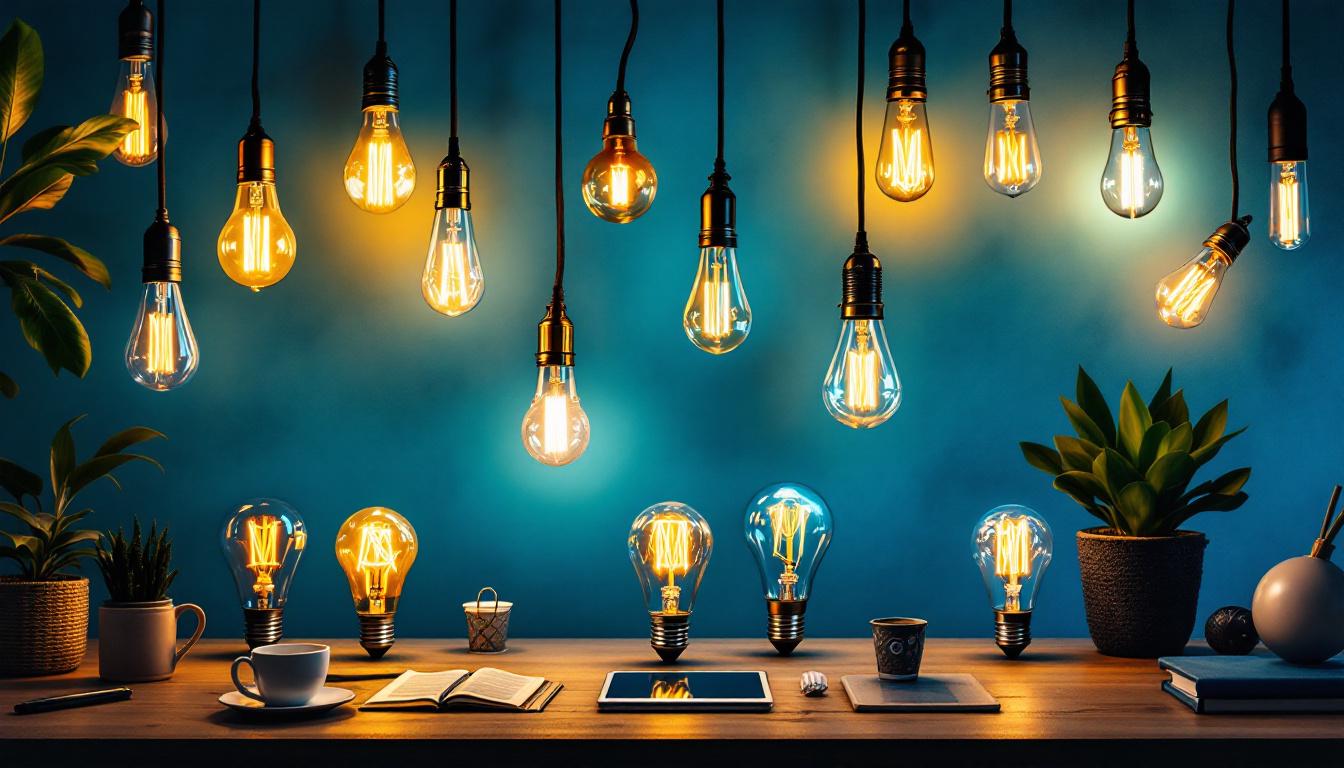
On the other hand, halogen and incandescent bulbs, while offering a warm light quality that many clients appreciate, are less energy-efficient and have shorter lifespans. Halogen bulbs can produce a higher lumen output, making them suitable for task lighting in areas like workshops or studios. However, they also generate more heat, which can be a concern in tightly sealed spaces. Furthermore, contractors must be aware of the environmental impact of incandescent bulbs, as their energy consumption is significantly higher than that of LED and CFL alternatives. As sustainability becomes an increasingly important factor in design, the choice of lighting can also reflect a contractor’s commitment to eco-friendly practices.
LED Bulbs: The Game-Changer in Recessed Lighting
Efficiency Meets Performance
LED bulbs have revolutionized recessed lighting. Their energy efficiency far surpasses traditional options, using up to 80% less electricity than incandescent bulbs. This translates into substantial savings for end-users and a compelling selling point for contractors who want to promote sustainable, cost-effective solutions.
Beyond energy savings, LED bulbs offer impressive longevity, often lasting 25,000 to 50,000 hours. For contractors, this means fewer callbacks for bulb replacements and enhanced client trust. The durability of LEDs also reduces maintenance costs, especially in commercial settings where lighting uptime is critical.
Moreover, the low heat emission of LED bulbs is a significant advantage. Unlike incandescent bulbs that generate excessive heat, LEDs remain cool to the touch, reducing the risk of burns and fire hazards. This characteristic not only enhances safety but also contributes to a more comfortable environment, particularly in enclosed spaces where heat buildup can be an issue.
In addition to their practical benefits, LED technology is also environmentally friendly. With no toxic materials like mercury found in fluorescent bulbs, LEDs are easier to dispose of and recycle. This eco-conscious approach resonates with a growing number of consumers who prioritize sustainability in their purchasing decisions, making LED bulbs a smart choice for both contractors and clients alike.
Versatility in Design and Application
LED technology has evolved to offer a wide range of color temperatures—from warm whites that mimic incandescent bulbs to cool whites that enhance task lighting. This flexibility allows contractors to tailor lighting schemes precisely to the space’s function and aesthetic.
Beam angles are equally important in recessed lighting. Narrow beams are ideal for accent lighting, while wider beams provide general illumination. Modern LED bulbs come in various beam spreads, enabling contractors to create layered lighting designs that enhance depth and texture.
Furthermore, the dimming capabilities of many LED fixtures add another layer of versatility. With compatible dimmer switches, these bulbs can adjust their brightness to suit different moods and activities, from bright, focused light for workspaces to soft, ambient lighting for relaxation. This adaptability not only enhances the functionality of a space but also allows homeowners to personalize their environments according to their preferences.
Additionally, the aesthetic possibilities with LED recessed lighting are virtually limitless. From sleek, minimalist designs to more ornate fixtures, the integration of LED technology can complement any architectural style. This adaptability makes LED recessed lighting a popular choice in both residential and commercial projects, where design and functionality must go hand in hand.
Compatibility and Installation Considerations
Ensuring Fixture and Bulb Compatibility
Not all bulbs fit seamlessly into every recessed fixture. Contractors must verify the size, base type, and heat dissipation requirements before installation. For example, some recessed cans are rated for specific bulb wattages or types to prevent overheating and fire hazards.
LED retrofit bulbs designed for recessed fixtures often include built-in heat sinks to manage temperature. This feature is critical because excessive heat can shorten bulb life and damage the fixture. Contractors should prioritize bulbs with certifications such as UL or Energy Star to guarantee safety and performance standards. Additionally, it is important to consider the beam angle of the bulbs, as this will affect how light is distributed in the space. A narrow beam angle may be ideal for highlighting artwork or architectural features, while a wider angle can create a more ambient lighting effect for general illumination.
Dimming and Control Systems
Dimming capability is a key feature that clients frequently request. Older recessed lighting systems using halogen or incandescent bulbs generally dim smoothly, but LED bulbs require compatible dimmers to avoid flickering or buzzing.
Lighting contractors must understand the nuances of LED dimming technology. Selecting bulbs labeled as “dimmable” and pairing them with compatible dimmer switches ensures seamless control. Additionally, integrating smart lighting controls can offer clients advanced features like scene setting and remote operation, adding value to the installation. These smart systems can be programmed to adjust lighting based on the time of day or occupancy, enhancing energy efficiency and user convenience. Furthermore, contractors should educate clients on the benefits of using tunable white LED bulbs, which allow users to adjust the color temperature of the light, creating a more dynamic and customizable lighting environment that can enhance mood and productivity in various settings.
Cost Implications and Client Communication
Balancing Upfront Costs with Long-Term Savings
One of the biggest hurdles contractors face is justifying the higher upfront cost of LED bulbs compared to traditional options. While LEDs may cost more initially, the long-term savings in energy consumption and maintenance are substantial.
Contractors who effectively communicate these benefits help clients make informed decisions. Providing clear comparisons-such as estimated energy savings over the bulb’s lifetime or reduced replacement frequency-can shift the conversation from price to value.
Educating Clients on Bulb Selection
Clients often have misconceptions about recessed lighting bulbs, such as assuming all bulbs produce the same quality of light or that cheaper bulbs are “good enough.” Lighting contractors serve as trusted advisors by explaining how bulb choice affects ambiance, energy use, and fixture longevity.
Using sample lighting demonstrations or visual aids can clarify differences in color temperature and beam spread. This hands-on approach helps clients visualize the final result and feel confident in their investment.
Emerging Trends Impacting Recessed Lighting Bulbs
Smart Lighting Integration
The rise of smart home technology is reshaping how recessed lighting is controlled and experienced. Bulbs equipped with wireless connectivity allow users to adjust brightness, color, and schedules via smartphones or voice assistants.
For contractors, mastering smart bulb installation and troubleshooting is becoming essential. Offering these advanced solutions can differentiate a contractor’s services and meet growing client demand for convenience and customization.
Advancements in Light Quality and Efficiency
Continuous improvements in LED technology are pushing the boundaries of light quality. Newer bulbs offer higher color rendering indexes (CRI), which means colors appear more natural and vibrant under artificial light. This is especially important in retail, hospitality, and residential applications where ambiance matters.
Efficiency gains also continue, with some LEDs delivering more lumens per watt than ever before. Contractors who stay updated on these developments can recommend the best products that maximize performance and client satisfaction.
Practical Tips for Lighting Contractors Working with Recessed Bulbs
Conduct Thorough Site Assessments
Before selecting bulbs, evaluate the space’s lighting needs carefully. Consider ceiling height, room function, existing natural light, and client preferences. This groundwork ensures the chosen bulbs will perform optimally and meet expectations.
Stock a Range of Bulbs
Maintaining an inventory of various bulb types, wattages, and color temperatures can streamline installations and reduce delays. It also allows contractors to offer on-the-spot solutions when clients request changes or upgrades.
Keep Up with Manufacturer Guidelines
Always consult the latest manufacturer specifications for bulbs and fixtures. This practice prevents compatibility issues and ensures compliance with safety standards. Manufacturers often update product lines with improved features or new certifications that can benefit installations.
Conclusion: Elevating the Craft Through Smart Bulb Choices
Bulbs for recessed lighting are more than mere components; they are pivotal elements that shape the success of a lighting installation. For contractors, understanding the nuances of bulb technology, compatibility, and client communication transforms their approach and elevates their craft.
By embracing LED innovations, smart controls, and quality-focused selections, lighting professionals can deliver installations that satisfy clients, reduce operational costs, and stand the test of time. This strategic attention to bulbs not only enhances project outcomes but also strengthens a contractor’s reputation as a knowledgeable and reliable expert in the field.
Illuminate Your Projects with LumenWholesale
Ready to elevate your lighting installations with the best bulbs on the market? Look no further than LumenWholesale, where we provide lighting contractors with superior, spec-grade lighting products at unbeatable wholesale prices. Say goodbye to inflated markups and hello to a vast selection of reliable, high-performance lighting that meets the highest industry standards. With free shipping on bulk orders, LumenWholesale is your go-to source for quality and affordability. Don’t compromise on your lighting needs—Wholesale Lighting at the Best Value is just a click away.