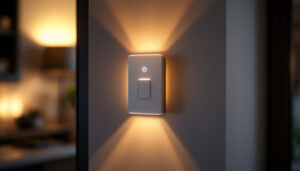
The Shift to Smart Lighting: A Game Changer for Contractors
Lighting contractors have always been at the forefront of adapting to new technologies and client demands. The rise of smart lighting systems represents one of the most significant shifts in the industry. Unlike traditional lighting setups, smart lighting integrates with digital controls, sensors, and even voice commands, offering unprecedented convenience and energy efficiency.
For contractors, this shift means more than just installing bulbs and fixtures. It requires a deeper understanding of networked systems, software integration, and ongoing maintenance. The complexity can be intimidating, but the financial upside is substantial. Smart lighting projects often command higher bids due to their technical requirements and the value they bring to end-users.
Understanding the Financial Impact
Smart lighting installations typically involve higher upfront costs. Components like smart switches, dimmers, and hubs are pricier than their traditional counterparts. However, these costs are offset by the premium clients are willing to pay for advanced features such as remote control, energy monitoring, and automation.
Contractors who invest in training and certification for smart lighting systems can position themselves as specialists, opening doors to lucrative commercial and residential projects. Additionally, many utility companies offer rebates for energy-efficient installations, which can be a selling point and help close deals faster.
Moreover, the integration of smart lighting systems can lead to significant long-term savings for clients, making them more attractive investments. For instance, smart lighting can adjust based on occupancy, ensuring that lights are only on when needed, which can drastically reduce energy consumption. This not only benefits the environment but also aligns with the growing trend of sustainability that many clients prioritize. Furthermore, with the rise of smart home technology, clients are increasingly looking for solutions that can be seamlessly integrated into their existing systems, such as smart thermostats and security cameras, enhancing the overall appeal of smart lighting installations.
As the demand for smart lighting continues to grow, contractors have the opportunity to differentiate themselves by offering tailored solutions that meet specific client needs. This could involve creating customized lighting schemes for different spaces, such as mood lighting for living rooms or task lighting for home offices. By understanding the unique requirements of each project and leveraging the capabilities of smart technology, contractors can not only enhance their service offerings but also build lasting relationships with clients who appreciate the added value of a well-executed smart lighting system.
Labor and Training: The Hidden Costs and Opportunities
Transitioning to smart lighting is not just about materials; it’s about people. Contractors must evaluate the skills of their workforce and the time it takes to train technicians on new systems. This training is an investment that pays dividends through increased efficiency and reduced errors on the job. The learning curve associated with smart lighting technologies can be steep, but with the right training programs in place, technicians can quickly become adept at troubleshooting and optimizing these systems. Investing in hands-on workshops and online courses can empower employees, fostering a culture of continuous learning that benefits both the individual and the company.
Labor costs may initially rise as teams get up to speed. However, once proficient, contractors can complete smart lighting projects more quickly than traditional ones, thanks to streamlined programming and fewer manual adjustments. This efficiency can directly improve profit margins. Furthermore, as technicians become more skilled, they are likely to take on more complex projects, which can lead to higher-value contracts and increased customer satisfaction. The ability to deliver projects on time and within budget can enhance a contractor’s reputation, leading to more referrals and repeat business.
Building Expertise for Competitive Advantage
Contractors who develop expertise in popular smart lighting platforms—such as those compatible with major voice assistants or home automation hubs—gain a competitive edge. Clients increasingly seek contractors who can offer seamless integration with their existing smart home ecosystems. This demand for expertise also opens doors to collaborative opportunities with technology providers, allowing contractors to stay ahead of the curve by participating in beta testing for new products or features. Such partnerships can enhance a contractor’s credibility and visibility in the marketplace.
Moreover, offering ongoing maintenance contracts for these systems creates recurring revenue streams, stabilizing income beyond the initial installation. This approach requires contractors to stay current with software updates and emerging technologies but can significantly enhance long-term profitability. Regular maintenance not only ensures that systems operate at peak efficiency but also provides an opportunity for upselling additional features or upgrades, further increasing the value offered to clients. Building strong relationships through these maintenance contracts can lead to trust and loyalty, making clients more likely to turn to the contractor for future projects or referrals.
Supply Chain Dynamics and Pricing Strategies
The smart lighting market is rapidly evolving, which affects supply chains and pricing. Components may fluctuate in availability and cost, influenced by factors like semiconductor shortages or new product launches. Contractors need to build strong relationships with reliable suppliers and stay informed about market trends. As the demand for energy-efficient solutions grows, manufacturers are also innovating to reduce lead times and improve production efficiency, which can further impact supply chain dynamics. Understanding these trends allows contractors to anticipate potential disruptions and adapt their strategies accordingly.
Pricing smart lighting jobs requires balancing material costs, labor, and the perceived value to the client. Transparent communication about the benefits—energy savings, convenience, and future-proofing—can justify higher price points. Bundling products and services into comprehensive packages often appeals to customers and simplifies the sales process. Additionally, offering financing options or incentives for early adoption can make these advanced solutions more accessible, enhancing the attractiveness of the proposal. As clients become more educated about smart technologies, contractors must also emphasize the long-term return on investment (ROI) to reinforce the value of their offerings.
Leveraging Volume and Partnerships
Contractors working on multiple projects or with commercial clients can leverage volume discounts from suppliers. Establishing partnerships with manufacturers or distributors may also provide access to exclusive pricing or early product releases. This strategic approach not only enhances profitability but also fosters a collaborative environment where contractors can influence product development based on real-world feedback from their projects.
These advantages allow contractors to maintain healthy margins even as competition intensifies. Staying agile and responsive to supply chain shifts ensures projects stay on schedule and within budget, which is crucial for client satisfaction and repeat business. Furthermore, by utilizing data analytics and market research, contractors can better predict trends and adjust their inventory management practices. This proactive stance not only mitigates risks associated with supply chain volatility but also positions contractors as industry leaders who are well-equipped to navigate the complexities of the smart lighting landscape.
Energy Efficiency and Regulatory Incentives
Energy efficiency remains a top priority for both consumers and regulators. Smart lighting systems excel in this area by reducing unnecessary energy consumption through sensors, timers, and adaptive controls. Contractors who emphasize these benefits can tap into a growing market segment focused on sustainability. The integration of these advanced technologies not only leads to lower energy bills for consumers but also contributes to a significant reduction in carbon footprints, aligning with global efforts to combat climate change.
Many jurisdictions offer incentives for installing energy-efficient lighting, including tax credits, rebates, and grants. Navigating these programs can be complex, but contractors who assist clients in accessing these incentives add value and differentiate themselves from competitors. Furthermore, staying informed about local and federal regulations can position contractors as trusted advisors, enabling them to guide clients through the intricacies of compliance while maximizing financial benefits. This proactive approach not only fosters client loyalty but also opens doors to new business opportunities as clients seek knowledgeable partners in their energy-saving initiatives.
Impact on Project Scope and Profitability
Incorporating energy-efficient solutions often expands the scope of a project. For example, integrating daylight harvesting sensors or occupancy detectors can increase the number of devices installed and the complexity of programming. While this adds to labor and material costs, it also raises the overall project value. Additionally, the use of high-efficiency LED fixtures and smart controls can lead to longer lifespans and reduced maintenance costs, providing clients with a compelling return on investment over time.
Contractors who master the art of designing and installing these systems can command premium pricing. Additionally, successful energy-efficient projects enhance reputation and lead to referrals, further boosting the bottom line. As more consumers become environmentally conscious, the demand for energy-efficient solutions is expected to rise, creating a competitive edge for contractors who can showcase their expertise in this area. By investing in training and staying updated on the latest technologies, contractors can ensure they remain at the forefront of this evolving market, ultimately securing their position as leaders in energy efficiency and sustainability. This commitment not only benefits their business but also contributes positively to the communities they serve, fostering a culture of environmental responsibility.
Customer Expectations and Service Models
Clients today expect more than just functional lighting. They want systems that are intuitive, customizable, and seamlessly integrated with their lifestyle or business operations. Meeting these expectations requires contractors to adopt a consultative sales approach and provide exceptional post-installation support.
Offering training sessions, user manuals, and responsive customer service builds trust and encourages repeat business. Many contractors are now developing service models that include remote monitoring and troubleshooting, transforming one-time installations into ongoing relationships.
From Installation to Partnership
Shifting from project-based work to partnership-oriented service models changes the financial landscape. Recurring revenue from maintenance contracts, software updates, and system upgrades provides stability and growth potential.
This model also demands investment in customer relationship management and technical support infrastructure. However, contractors who embrace this approach often see higher lifetime value per client and stronger competitive positioning.
Conclusion: Embracing Change to Boost Profitability
The big light switch to smart lighting is more than a technological upgrade; it’s a fundamental transformation in how lighting contractors operate and generate revenue. Success hinges on adapting to new skills, managing supply chains effectively, leveraging energy incentives, and evolving service models.
Contractors who rise to the challenge can unlock significant financial rewards. By positioning themselves as experts in smart lighting, they not only increase project profitability but also build lasting client relationships in a rapidly changing market.
Illuminate Your Projects with LumenWholesale
Ready to enhance your lighting projects and elevate your bottom line? At LumenWholesale, we provide lighting contractors like you with the highest quality, spec-grade lighting products at unbeatable wholesale prices. Say goodbye to middleman markups and hello to a vast selection of reliable, high-performance lighting solutions that meet the strictest industry standards. With free shipping on bulk orders, LumenWholesale is your go-to source for premium lighting without hidden fees or compromises. Make the smart switch today and experience the perfect blend of quality, affordability, and convenience. Wholesale Lighting at the Best Value is just a click away.