Understanding Recessed Lighting: A Foundation for Contractors
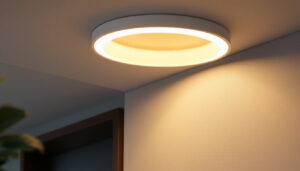
Recessed lighting, often referred to as can lighting or downlighting, is a staple in modern residential and commercial lighting design. For lighting contractors, mastering the nuances of recessed lighting is essential—not only to meet client expectations but also to ensure safety, efficiency, and aesthetic appeal. Unlike surface-mounted fixtures, recessed lights are installed within the ceiling, creating a clean, streamlined look that blends seamlessly with any décor.
One of the primary advantages of recessed lighting is its versatility. It can be used for general illumination, task lighting, or accent lighting, depending on the placement and type of bulb used. However, selecting the best recessed light involves more than just picking a fixture off the shelf. Contractors must consider a variety of factors including housing type, trim style, bulb compatibility, and energy efficiency standards.
Why Recessed Lighting is Popular Among Clients
Clients often request recessed lighting because it offers unobtrusive illumination that doesn’t interfere with room design. It’s particularly favored in spaces with low ceilings or where a minimalist aesthetic is desired. Additionally, recessed lighting can be strategically placed to highlight architectural features, artwork, or workspaces, enhancing the overall functionality and ambiance of a room.
From a contractor’s perspective, understanding the client’s needs and the architectural constraints of the space is crucial in recommending the right recessed lighting solution. This requires a thorough knowledge of the different types of recessed fixtures and their appropriate applications. For instance, contractors should be well-versed in the differences between new construction and remodel housings, as well as the various trim options available, which can dramatically affect the light’s distribution and intensity. Furthermore, the choice of LED versus incandescent bulbs can also influence energy consumption and longevity, making it essential to stay updated on the latest advancements in lighting technology.
Moreover, the installation process itself can vary significantly based on the ceiling type and the desired lighting effect. For example, sloped ceilings may require specialized housings to ensure proper alignment and light direction, while drop ceilings might necessitate different mounting techniques. Additionally, contractors should consider the impact of dimmer switches and smart home integration, which can enhance the user experience by allowing clients to customize their lighting settings. This level of detail not only showcases a contractor’s expertise but also builds trust with clients, ensuring they feel confident in their lighting choices.
Types of Recessed Light Housings and Their Applications
The housing is the metal can or enclosure that holds the light fixture inside the ceiling. Choosing the correct housing is critical for safety, performance, and compliance with building codes. There are three main types of housings:
1. New Construction Housing
New construction housings are designed for installation in open ceiling joists before drywall or ceiling material is installed. These housings come with mounting brackets that attach directly to the framing, providing a secure and stable fixture location. They are ideal for new builds or major renovations where ceilings are accessible.
Lighting contractors should ensure that these housings meet the local fire safety codes, especially if installed in insulated ceilings. Many new construction housings are rated for insulation contact (IC-rated), allowing insulation to be placed directly against the housing without risk of overheating.
2. Remodel Housing
Remodel housings are designed for installation in existing ceilings where the joists are not exposed. They feature clips or springs that secure the housing to the drywall or ceiling material from above. This type of housing is perfect for retrofit projects where adding recessed lighting is desired without major ceiling demolition.
Contractors must be cautious to select remodel housings that fit the ceiling thickness and ensure a snug, secure installation. Like new construction housings, IC-rated remodel housings are preferred when insulation is present to prevent fire hazards.
3. Shallow or Low-Profile Housing
In spaces with limited ceiling depth, such as basements or rooms with ductwork, shallow housings are essential. These housings have a reduced height, allowing installation in tight spaces without compromising fixture performance. Lighting contractors should verify the available clearance and select appropriate shallow housings to avoid installation issues.
Choosing the Right Trim and Bulb for Optimal Performance
The trim is the visible part of the recessed light that finishes the fixture and directs light output. Selecting the right trim style and bulb type is fundamental to achieving the desired lighting effect and energy efficiency.
Trim Styles and Their Impact on Lighting
Trim styles vary widely, each suited to different lighting needs and aesthetic preferences:
- Standard Baffle Trim: Features ridges that reduce glare, providing a soft, diffused light. Ideal for general lighting in living rooms and hallways.
- Reflector Trim: Has a shiny, reflective surface that increases light output and brightness. Suitable for task lighting in kitchens or workspaces.
- Adjustable or Eyeball Trim: Allows directional control of the light beam, perfect for accent lighting to highlight artwork or architectural features.
- Open Trim: Offers a minimalist look with no reflector, often used in commercial settings for a clean, modern appearance.
Contractors should discuss trim options with clients to align lighting function with design goals. Additionally, trim compatibility with housing and bulb type must be confirmed to ensure proper fit and performance.
Bulb Types: LED, Halogen, and CFL
LED bulbs have become the industry standard for recessed lighting due to their superior energy efficiency, long lifespan, and reduced heat output. LEDs consume up to 75% less energy than incandescent or halogen bulbs and can last up to 25 times longer, significantly reducing maintenance costs for clients.
Halogen bulbs, while offering excellent color rendering and brightness, generate more heat and consume more energy, making them less desirable in modern installations. CFLs (compact fluorescent lamps) are more efficient than halogens but contain mercury, posing environmental disposal concerns.
Lighting contractors should prioritize LED-compatible housings and trims to future-proof installations and meet increasingly stringent energy codes. Additionally, selecting dimmable LED bulbs and compatible dimmer switches enhances client satisfaction by providing customizable lighting levels.
Energy Efficiency and Compliance: What Contractors Must Know
Energy efficiency is a critical consideration in recessed lighting installations. Many jurisdictions have adopted energy codes that set minimum efficiency standards for lighting products, including recessed fixtures. Contractors must stay informed about these regulations to ensure code compliance and avoid costly rework.
IC-Rated and Airtight Fixtures
IC-rated housings are designed to safely come into contact with ceiling insulation without risk of fire. This rating is essential for recessed lights installed in insulated ceilings, which is common in residential construction. Non-IC-rated housings require a clearance space around the fixture, limiting insulation placement and potentially reducing energy efficiency.
Airtight housings prevent air leakage between conditioned and unconditioned spaces, improving a building’s overall energy performance. Many energy codes now require airtight recessed fixtures in insulated ceilings to reduce heating and cooling losses.
Energy Star Certification and Utility Rebates
Energy Star-certified recessed lights meet strict energy efficiency and performance criteria. Installing these fixtures can help contractors qualify their clients for utility rebates or incentives, making projects more cost-effective. Contractors should familiarize themselves with local rebate programs and recommend Energy Star products accordingly.
Using certified fixtures also assures clients of quality and durability, enhancing the contractor’s reputation and fostering repeat business.
Installation Best Practices for Lighting Contractors
Proper installation is paramount to the performance and longevity of recessed lighting. Lighting contractors should adhere to best practices that ensure safety, functionality, and client satisfaction.
Planning and Layout
Effective recessed lighting design begins with careful planning. Contractors should consider room size, ceiling height, furniture placement, and lighting goals when determining fixture quantity and spacing. A common guideline is to space recessed lights approximately 4 to 6 feet apart, depending on the beam angle and desired brightness.
In kitchens or work areas, placing lights directly above countertops or work surfaces enhances task visibility. For ambient lighting, a uniform grid pattern provides even illumination without shadows.
Wiring and Electrical Considerations
All electrical work must comply with the National Electrical Code (NEC) and local regulations. Contractors should use appropriate wiring methods, junction boxes, and connectors to ensure safe and reliable connections. When installing dimmable LED fixtures, verifying compatibility between bulbs, drivers, and dimmer switches is essential to avoid flickering or reduced dimming range.
Additionally, lighting contractors should be mindful of load calculations and circuit capacity to prevent overloads and ensure balanced electrical distribution.
Sealing and Insulation
To maximize energy efficiency, contractors should seal around recessed housings with fire-rated caulk or foam gaskets to prevent air leakage. This step is particularly important in airtight and IC-rated fixtures. Proper insulation placement around housings further improves thermal performance and reduces energy costs for clients.
Common Challenges and Solutions in Recessed Lighting Projects
Lighting contractors often face challenges that can impact recessed lighting installations. Anticipating and addressing these issues can streamline projects and improve outcomes.
Limited Ceiling Depth
In spaces with shallow ceilings or obstructions like ductwork and plumbing, standard housings may not fit. Using shallow or low-profile housings designed for tight spaces resolves this problem without sacrificing fixture quality.
Glare and Uneven Lighting
Glare can cause discomfort and reduce the effectiveness of recessed lighting. Selecting baffle trims and appropriate beam angles helps minimize glare. Additionally, combining recessed lighting with other light sources such as wall sconces or pendant lights creates layered lighting that reduces harsh shadows and enhances visual comfort.
Compatibility Issues with LED Retrofits
Retrofitting existing recessed fixtures with LED bulbs can lead to compatibility issues, including flickering or reduced dimming performance. Contractors should verify that retrofit kits are compatible with existing housings and dimmers or recommend full fixture replacements when necessary to ensure optimal performance.
Conclusion: Elevating Your Recessed Lighting Expertise
For lighting contractors, mastering the selection, installation, and troubleshooting of recessed lighting is a vital skill that directly impacts client satisfaction and project success. By understanding the various housing types, trim options, bulb technologies, and energy efficiency requirements, contractors can deliver tailored lighting solutions that enhance both aesthetics and functionality.
Staying current with industry standards, energy codes, and emerging technologies empowers contractors to provide expert guidance and quality workmanship. Ultimately, the best recessed light is one that meets the unique demands of each project while delivering safe, efficient, and beautiful illumination.
Get Your Premium Recessed Lighting at LumenWholesale
Ready to elevate your lighting projects with the best recessed lights on the market? Look no further than LumenWholesale, where we provide contractors with exceptional, spec-grade lighting products at unbeatable wholesale prices. Our extensive selection is designed to meet the highest industry standards, ensuring you deliver safe, efficient, and stunning illumination for every space. Plus, with free shipping on bulk orders, you can stock up on premium lighting solutions without worrying about hidden costs. Don’t compromise on quality or value—choose LumenWholesale for the perfect blend of affordability and convenience. Wholesale Lighting at the Best Value is just a click away.