Understanding the Importance of Optimal Head Lighting
In the realm of lighting installation and design, the focus often centers on ambient, task, or accent lighting. However, the significance of proper head lighting—illumination that directly impacts the head and face area—cannot be overstated. For lighting contractors, prioritizing the best light for head applications is not just a matter of aesthetics; it’s a critical factor influencing safety, functionality, and user comfort.
Head lighting plays a pivotal role in environments ranging from industrial workplaces to healthcare facilities and residential settings. When executed correctly, it enhances visibility, reduces eye strain, and supports the natural circadian rhythms of occupants. This article explores five compelling reasons why lighting contractors should prioritize the best light for head applications in their projects.
One of the primary benefits of optimal head lighting is its ability to improve communication and interaction among individuals. In settings like conference rooms or classrooms, well-placed head lighting can illuminate facial features, allowing for better non-verbal cues and expressions. This is particularly important in professional environments where collaboration and teamwork are essential. Moreover, in healthcare settings, proper head lighting can help medical professionals assess patients more accurately, facilitating better diagnoses and treatment plans. The right lighting can make all the difference in how effectively information is conveyed and understood.
Additionally, the psychological impact of head lighting should not be overlooked. Studies have shown that lighting can influence mood and productivity levels. For instance, cooler light temperatures can enhance alertness and concentration, making them ideal for workspaces, while warmer tones can create a more relaxed atmosphere suitable for homes or waiting areas. By carefully selecting the type of head lighting used, contractors can help create environments that not only meet functional needs but also promote well-being and comfort for all occupants. This understanding of the psychological effects of lighting can lead to more thoughtful design choices that enhance the overall experience of a space.
1. Enhancing Safety and Reducing Workplace Accidents
Visibility and Hazard Awareness
One of the primary reasons to prioritize head lighting is its direct impact on safety. In industrial and construction environments, workers rely heavily on clear, focused lighting to navigate complex machinery, identify hazards, and perform precision tasks. Insufficient or poorly designed head lighting can lead to missteps, accidents, and even severe injuries.
Studies indicate that proper illumination reduces workplace accidents by improving hazard recognition and reaction times. For example, well-placed head lighting in manufacturing plants can illuminate critical control panels and moving parts, ensuring operators maintain situational awareness. Lighting contractors who specify high-quality, glare-free head lighting contribute significantly to creating safer work environments. Moreover, the integration of smart lighting systems that adjust brightness based on ambient light conditions can further enhance visibility, allowing workers to adapt to changing environments without compromising safety.
Ergonomic Considerations
Beyond visibility, lighting that is too harsh or poorly directed can cause glare and shadows, leading to eye strain and fatigue. These conditions increase the likelihood of errors and accidents. By carefully selecting light sources with appropriate color temperature, intensity, and beam angle, contractors can optimize head lighting to support ergonomic safety.
Furthermore, the psychological effects of lighting should not be overlooked; studies show that well-designed lighting can enhance mood and productivity among workers. A well-lit environment can foster a sense of alertness and well-being, which is crucial in high-stakes settings. Incorporating adjustable lighting options allows workers to personalize their workspace, catering to individual preferences and tasks at hand. This flexibility not only promotes comfort but also encourages a proactive approach to safety, as workers feel more empowered to manage their own environments effectively.
2. Supporting Visual Comfort and Reducing Eye Strain
Importance of Balanced Illumination
Visual comfort is a critical factor in any lighting design, particularly for head lighting that directly affects the eyes. Lighting contractors must understand how different light qualities influence visual acuity and comfort. For instance, lighting that is too dim forces the eyes to work harder, while overly bright or flickering lights can cause discomfort and headaches.
Implementing lighting solutions that provide balanced, uniform illumination helps reduce eye strain. LED technology, with its ability to offer adjustable brightness and color temperature, is often the preferred choice for head lighting applications. Lighting contractors can leverage these features to tailor lighting conditions to the specific needs of the environment and occupants. Additionally, incorporating dimming systems can further enhance visual comfort by allowing users to customize the light intensity based on their activities, whether they are reading, working on a computer, or simply relaxing. This adaptability not only promotes a more pleasant atmosphere but also contributes to overall productivity and well-being.
Color Temperature and Circadian Rhythm
Another aspect of visual comfort is the color temperature of the light. Cooler, blue-enriched light tends to promote alertness and is ideal for daytime environments, while warmer tones are better suited for evening settings to encourage relaxation. Lighting contractors who prioritize the best light for head applications consider these factors to enhance occupant well-being and productivity. Moreover, understanding the impact of color temperature on circadian rhythms is essential, as exposure to the right light at the right time can significantly influence sleep patterns and overall health.
Research has shown that exposure to cooler light during the day can help regulate the body’s internal clock, making it easier to maintain focus and energy levels. Conversely, transitioning to warmer light in the evening can signal to the body that it is time to wind down, promoting better sleep quality. By integrating smart lighting solutions that adjust automatically based on the time of day, lighting contractors can create environments that not only support visual comfort but also align with the natural rhythms of the human body, fostering a healthier and more productive lifestyle.
3. Improving Aesthetic Appeal and Functional Design
Lighting as a Design Element
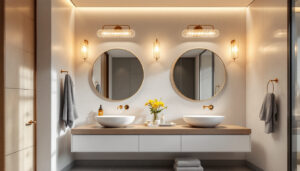
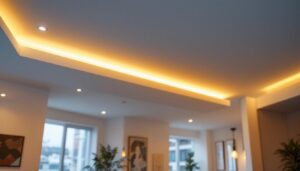
Head lighting is not solely functional; it also plays a significant role in the overall aesthetic of a space. Whether in commercial interiors, retail environments, or residential projects, well-designed head lighting can highlight architectural features, enhance textures, and create inviting atmospheres. The interplay of light and shadow can transform a mundane area into a captivating focal point, encouraging exploration and engagement. For instance, strategically placed head lighting can accentuate a beautiful ceiling design or a unique wall texture, making the space feel more dynamic and layered.
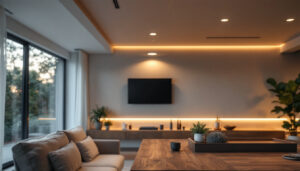
Lighting contractors who prioritize quality head lighting contribute to the visual harmony of a space. For example, in retail settings, illuminating the head and face areas of mannequins or displays can draw customer attention and enhance product appeal. In hospitality environments, subtle head lighting can create warmth and intimacy, elevating the guest experience. Moreover, the choice of light temperature—whether warm, cool, or neutral—can evoke different emotions and responses from visitors. Warm lighting tends to create a cozy and welcoming environment, while cooler tones can lend a more modern and sleek feel, thus influencing how spaces are perceived and utilized.
Flexibility and Customization
Modern lighting technologies offer a range of options for customizing head lighting. Adjustable fixtures, dimmable LEDs, and smart controls allow contractors to design lighting schemes that adapt to different activities and moods. This flexibility is a key selling point for clients seeking both functionality and style. For example, in a multi-purpose room, the ability to shift lighting from bright and energizing for work or events to soft and ambient for relaxation or social gatherings can significantly enhance the usability of the space. Additionally, integrating smart technology allows users to control lighting through mobile apps or voice commands, providing an unprecedented level of convenience and personalization.
Furthermore, the trend towards sustainability has led to the development of energy-efficient lighting solutions that not only reduce electricity consumption but also contribute to a greener environment. LED technology, for instance, offers longevity and lower heat output, making it an ideal choice for head lighting in various settings. As clients become more environmentally conscious, the ability to offer customizable, energy-efficient lighting solutions can set contractors apart in a competitive market. This commitment to sustainability, combined with aesthetic appeal, ensures that lighting design remains at the forefront of innovative architectural solutions.
4. Meeting Regulatory Standards and Energy Efficiency Goals
Compliance with Safety and Lighting Codes
Lighting contractors must ensure that all installations comply with relevant safety and building codes. Many regulations specify minimum illumination levels for head and face areas, especially in workplaces where precision and safety are paramount. Prioritizing the best light for head applications helps contractors meet these requirements, avoiding costly rework and liability issues.
For example, OSHA guidelines emphasize adequate lighting in industrial settings to prevent accidents. Similarly, healthcare facilities are subject to stringent lighting standards to support clinical tasks and patient care. Contractors who stay informed about these standards can design compliant, effective lighting solutions.
Energy Efficiency and Sustainability
Energy consumption is a critical consideration in modern lighting design. Prioritizing the best light for head applications does not mean compromising on efficiency. On the contrary, selecting energy-efficient fixtures and controls can reduce operational costs and environmental impact.
LED technology, combined with smart sensors and dimming capabilities, enables contractors to deliver optimal head lighting while minimizing energy use. This approach aligns with growing client demands for sustainable building practices and can enhance a contractor’s reputation in the market.
5. Enhancing User Experience and Client Satisfaction
Impact on Occupant Well-being
Ultimately, the success of any lighting project is measured by the satisfaction of its users. Prioritizing the best light for head applications directly contributes to occupant comfort, productivity, and well-being. Whether in office environments, educational institutions, or healthcare settings, proper head lighting supports tasks that require concentration and precision.
Lighting contractors who focus on these outcomes can differentiate themselves by delivering solutions that improve daily experiences. Positive feedback from clients often leads to repeat business and referrals, reinforcing the contractor’s market position.
Future-Proofing Installations
Investing in high-quality head lighting also future-proofs installations. As lighting technology evolves, fixtures that support upgrades and integration with building management systems offer long-term value. Contractors who prioritize these features demonstrate foresight and commitment to client success.
Conclusion
For lighting contractors, prioritizing the best light for head applications is a strategic decision with far-reaching benefits. From enhancing safety and visual comfort to meeting regulatory standards and elevating design aesthetics, the quality of head lighting profoundly influences project outcomes.
By understanding the unique requirements of head lighting and leveraging advanced technologies, contractors can deliver superior solutions that satisfy clients and improve occupant experiences. In an industry where precision and quality matter, focusing on the best light for the head is a hallmark of professional excellence.
Illuminate Your Projects with LumenWholesale
Ready to elevate your lighting projects with the best head lighting solutions? At LumenWholesale, we provide lighting contractors with the highest quality, spec-grade lighting products at unbeatable wholesale prices. Say goodbye to inflated markups and hello to a vast selection of reliable, high-performance lighting that meets the most rigorous industry standards. With free shipping on bulk orders, LumenWholesale is your go-to source for premium lighting at the best value. Don’t compromise on quality or cost. Wholesale Lighting at the Best Value is just a click away. Enhance your professional excellence with LumenWholesale today.