Why Closet Lighting Deserves More Attention
Closets are often overlooked when it comes to lighting design. Yet, they play a crucial role in daily routines, affecting how easily clothes and accessories can be seen and selected. For lighting contractors, understanding the nuances of closet lighting is essential—not just for functionality but also for energy efficiency and client satisfaction.
Unlike general room lighting, closet lighting demands a balance between brightness, color accuracy, and space constraints. Poor lighting can lead to frustration, wasted time, and even damage to clothing due to UV exposure from certain bulbs. On the other hand, an intelligently designed lighting system can elevate the user experience while minimizing energy consumption.
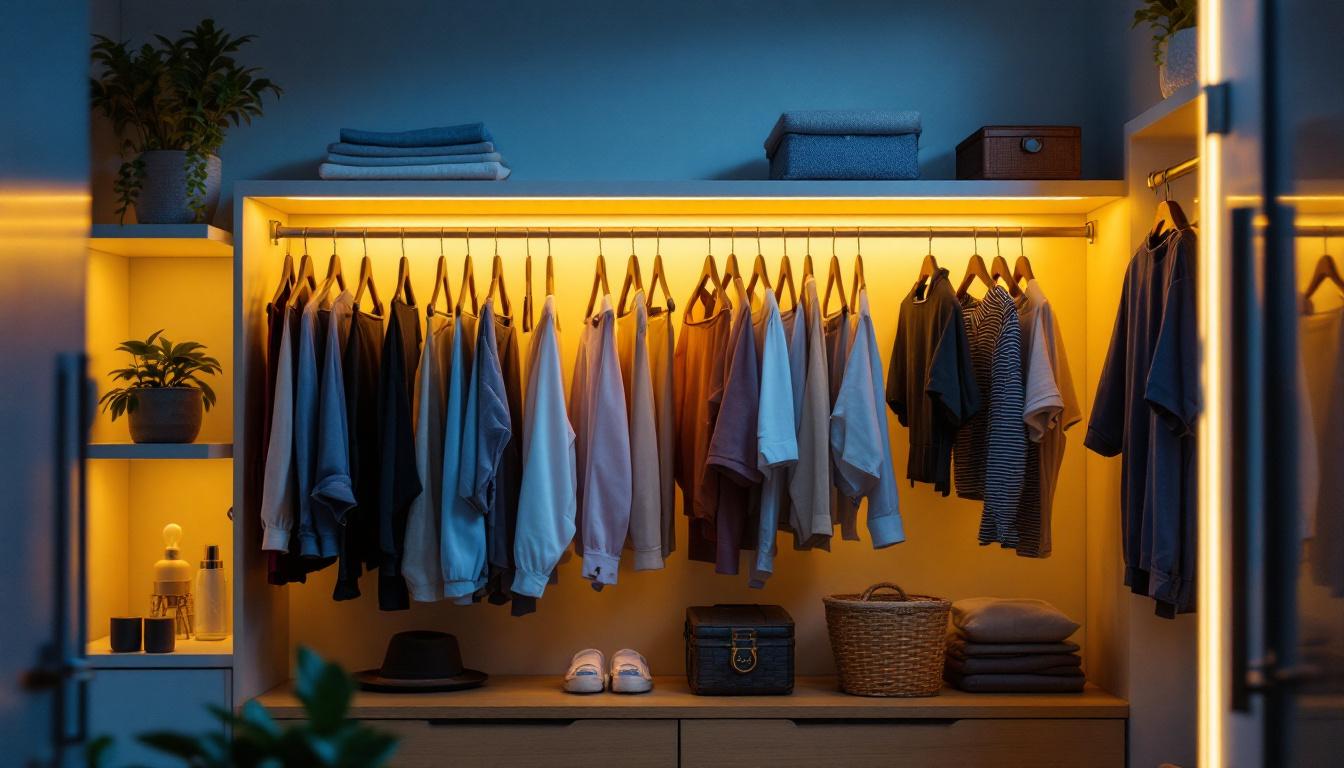
Moreover, the choice of lighting fixtures can greatly influence the overall aesthetic of the closet space. LED strip lights, for instance, can be installed along shelves or inside drawers, providing a sleek and modern look while ensuring that every item is illuminated. Additionally, motion-sensor lights can automatically activate when the closet door opens, enhancing convenience and ensuring that energy is not wasted when the space is not in use. This blend of functionality and style can transform a mundane closet into a well-organized and visually appealing area.
Furthermore, the color temperature of the lighting can significantly impact how clothing colors appear. A warm light may make colors look more inviting, while a cooler light can provide a more accurate representation of shades, which is particularly important for individuals who are particular about their wardrobe choices. By carefully selecting the right type of lighting, homeowners can create a closet that not only serves its practical purpose but also reflects their personal style and enhances their daily dressing experience.
Key Considerations for Closet Lighting
Space and Fixture Size
Closets come in all shapes and sizes—from small reach-ins to sprawling walk-ins. The size and layout dictate the type of fixtures that can be installed. Compact spaces call for low-profile fixtures that don’t interfere with storage or movement. For walk-in closets, multiple fixtures or strip lighting might be necessary to ensure even illumination. The choice of fixture also impacts the overall aesthetic of the closet; sleek, modern designs can enhance the look of a contemporary space, while vintage-style fixtures can add charm to more traditional designs.
Lighting contractors should also consider the mounting options: recessed, surface-mounted, or under-shelf lighting. Each has its pros and cons depending on ceiling height and shelf configuration. Recessed lights save space but may require more installation effort, while surface-mounted fixtures are easier to retrofit. Additionally, incorporating motion sensors can be beneficial in walk-in closets, automatically illuminating the space when the door is opened, thus enhancing convenience and energy efficiency.
Brightness and Light Distribution
Closet lighting must be bright enough to reveal colors and textures accurately without causing glare. A minimum of 70 lumens per square foot is generally recommended for closet spaces. However, this can vary based on the closet’s function and the user’s preferences. For instance, a closet dedicated to formal wear may require brighter lighting to ensure that fabrics and colors are accurately perceived, while a casual storage area might not need as much intensity.
Uniform light distribution is critical. Shadows can obscure items and create a cluttered appearance. Fixtures that provide diffuse light or multiple light sources positioned strategically can help eliminate dark spots. LED strip lights along shelves or hanging rods are particularly effective for this purpose. Moreover, integrating adjustable lighting can allow users to tailor the brightness to their needs, whether they are simply selecting an outfit or conducting a thorough inventory of their wardrobe.
Color Rendering Index (CRI) and Color Temperature
Color accuracy is vital in a closet. A high Color Rendering Index (CRI) of 80 or above ensures that clothing colors appear true to life. This helps users make better outfit choices and prevents unwanted surprises under natural daylight. It’s especially important for individuals who may have color-sensitive professions, such as fashion designers or stylists, where accurate color representation is crucial.
Color temperature also plays a role. Warm white light (2700K to 3000K) creates a cozy atmosphere but can slightly alter color perception. Neutral white (3500K to 4100K) strikes a good balance, offering clarity without harshness. Cool white (5000K and above) is less common in closets as it can feel clinical. Additionally, some modern lighting solutions allow for adjustable color temperatures, enabling users to switch between warm and cool light depending on the time of day or their mood, further enhancing the functionality of the closet space.
Top Energy-Efficient Lighting Options for Closets
LED Lighting: The Industry Standard
LED technology has revolutionized closet lighting. LEDs consume significantly less energy compared to incandescent or halogen bulbs while producing less heat—an important factor in confined spaces. Their long lifespan reduces maintenance and replacement costs, a benefit appreciated by both contractors and clients. Additionally, the versatility of LED lighting allows for creative design solutions, enabling homeowners to tailor their closet lighting to their specific needs and preferences.
LED fixtures come in various forms suitable for closets: recessed downlights, surface-mounted puck lights, strip lights, and even motion-activated modules. Motion sensors can further enhance energy savings by ensuring lights are only on when needed. Furthermore, many LED options now come with adjustable color temperatures, allowing users to switch between warm and cool light settings to create the perfect ambiance for their closet space. This adaptability not only enhances functionality but also elevates the overall aesthetic of the closet, making it a more enjoyable space to use.
Compact Fluorescent Lamps (CFLs)
CFLs offer better energy efficiency than traditional incandescent bulbs but fall short of LEDs in terms of lifespan and environmental safety due to mercury content. They can be used in closet fixtures where LED options are unavailable or cost-prohibitive. However, their warm-up time and size may limit suitability for small closets. While CFLs are a more economical choice upfront, their performance can be inconsistent, particularly in colder environments where they may take longer to reach full brightness.
Despite their drawbacks, CFLs can still be a viable option for those looking to upgrade their closet lighting without a significant investment. They are available in a variety of shapes and sizes, making them adaptable for different fixtures. Additionally, some manufacturers have started producing more compact and efficient versions of CFLs that can fit into tighter spaces, providing an alternative for those who want to maintain energy efficiency without compromising on style.
Low-Voltage Halogen Lighting
Halogen bulbs provide excellent color rendering and crisp light quality. They are often used in high-end closet installations where visual appeal is a priority. However, they consume more energy and generate more heat than LEDs, making them less ideal for energy-conscious projects. The bright, white light emitted by halogen bulbs can make colors appear more vibrant, which is particularly beneficial for individuals who want to showcase their clothing or accessories in the best possible light.
Moreover, low-voltage halogen systems can be designed to offer flexibility in lighting design, allowing for track lighting or adjustable fixtures that can highlight specific areas of the closet. This feature can be especially useful for larger closets where different zones may require varying levels of illumination. However, it’s essential to consider the heat output of halogen lights, as excessive heat can potentially damage sensitive materials or fabrics stored in the closet. Therefore, careful placement and selection of fixtures are crucial to maximize both functionality and safety in closet lighting design.
Installation Tips for Optimal Performance
Placement and Layering
Proper fixture placement is essential to avoid shadows and maximize illumination. Overhead lighting combined with under-shelf or side-mounted fixtures creates layers of light that enhance visibility. For walk-in closets, consider multiple light sources spaced evenly to cover all areas.
Lighting contractors should also pay attention to wiring accessibility and fixture maintenance. Using modular systems or fixtures with easy bulb replacement options can save time and cost in the long run.
Incorporating Controls for Efficiency
Integrating controls like occupancy sensors, dimmers, or smart lighting systems can significantly reduce energy consumption. Occupancy sensors automatically turn lights on when the closet is in use and off when it’s empty, eliminating wasted energy.
Dimmers allow users to adjust brightness based on need, which can extend bulb life and reduce energy use. Smart lighting systems offer remote control and scheduling, adding convenience and further energy savings.
Addressing Heat and Ventilation
Closets are often enclosed spaces with limited airflow. Heat generated by lighting fixtures can affect stored items and overall comfort. LEDs produce minimal heat, making them the preferred choice. For fixtures that generate more heat, such as halogens, ensuring adequate ventilation or using heat-resistant fixtures is critical.
Case Studies: Energy-Efficient Closet Lighting in Action
Residential Walk-In Closet Retrofit
A lighting contractor was tasked with upgrading a large walk-in closet in a luxury home. The original setup used incandescent bulbs that wasted energy and created hot spots. The solution involved installing LED recessed downlights paired with LED strip lights along shelves.
Motion sensors were added to ensure lights only operated when the closet was in use. The result was a 70% reduction in energy consumption and a vastly improved lighting experience for the homeowner.
Small Reach-In Closet with Limited Space
In a compact apartment, a contractor installed surface-mounted LED puck lights with a high CRI and neutral white color temperature. The fixtures were strategically placed to avoid shadows and maximize space.
Because of the limited wiring options, battery-operated motion-activated LEDs were used, offering a no-fuss, energy-efficient solution that required no electrical work.
Common Mistakes to Avoid
Overlighting or Underlighting
Too much light can cause glare and discomfort, while too little makes it difficult to see items clearly. Contractors should carefully calculate lumens needed based on closet size and user needs to strike the right balance.
Ignoring Color Quality
Choosing bulbs with low CRI can distort colors, frustrating users and leading to poor outfit choices. Always specify lighting with a CRI of 80 or higher for closets.
Neglecting Energy Efficiency
Some contractors default to traditional bulbs without considering energy consumption or heat output. This oversight can result in higher utility bills and dissatisfied clients. Prioritizing LED solutions and smart controls is a best practice.
Final Thoughts: Delivering Value Through Thoughtful Closet Lighting
Closet lighting may seem like a small detail, but it profoundly impacts daily life and energy use. For lighting contractors, mastering the art and science of closet illumination offers a chance to impress clients with both functionality and sustainability.
By selecting the right fixtures, prioritizing color quality, and incorporating energy-saving controls, contractors can create closet lighting solutions that are efficient, effective, and elegant. This attention to detail not only enhances the user experience but also aligns with growing demands for energy-conscious design.
Illuminate Your Projects with LumenWholesale
Ready to elevate your closet lighting projects with energy-efficient solutions that impress? Look no further than LumenWholesale. Our extensive selection of spec-grade lighting products is designed to meet the highest industry standards, ensuring you deliver top-quality results to your clients. With unbeatable wholesale prices and the convenience of free shipping on bulk orders, you can provide premium lighting without the premium price tag. Make the smart choice for your next project and experience the perfect blend of quality, affordability, and convenience. Wholesale Lighting at the Best Value is just a click away.