Introduction: The Growing Demand for Commercial LED Grow Lights
In recent years, the horticulture industry has witnessed a significant transformation fueled by advancements in lighting technology. Commercial LED grow lights have emerged as a game-changer, offering unparalleled efficiency and effectiveness for indoor and greenhouse cultivation. For lighting contractors, understanding and prioritizing these innovative lighting solutions is no longer optional but essential.
Lighting contractors play a pivotal role in shaping the success of commercial grow operations. Their expertise directly impacts crop yields, energy consumption, and operational costs. This article explores five compelling reasons why lighting contractors should prioritize the best commercial LED grow lights when designing and implementing grow light systems.
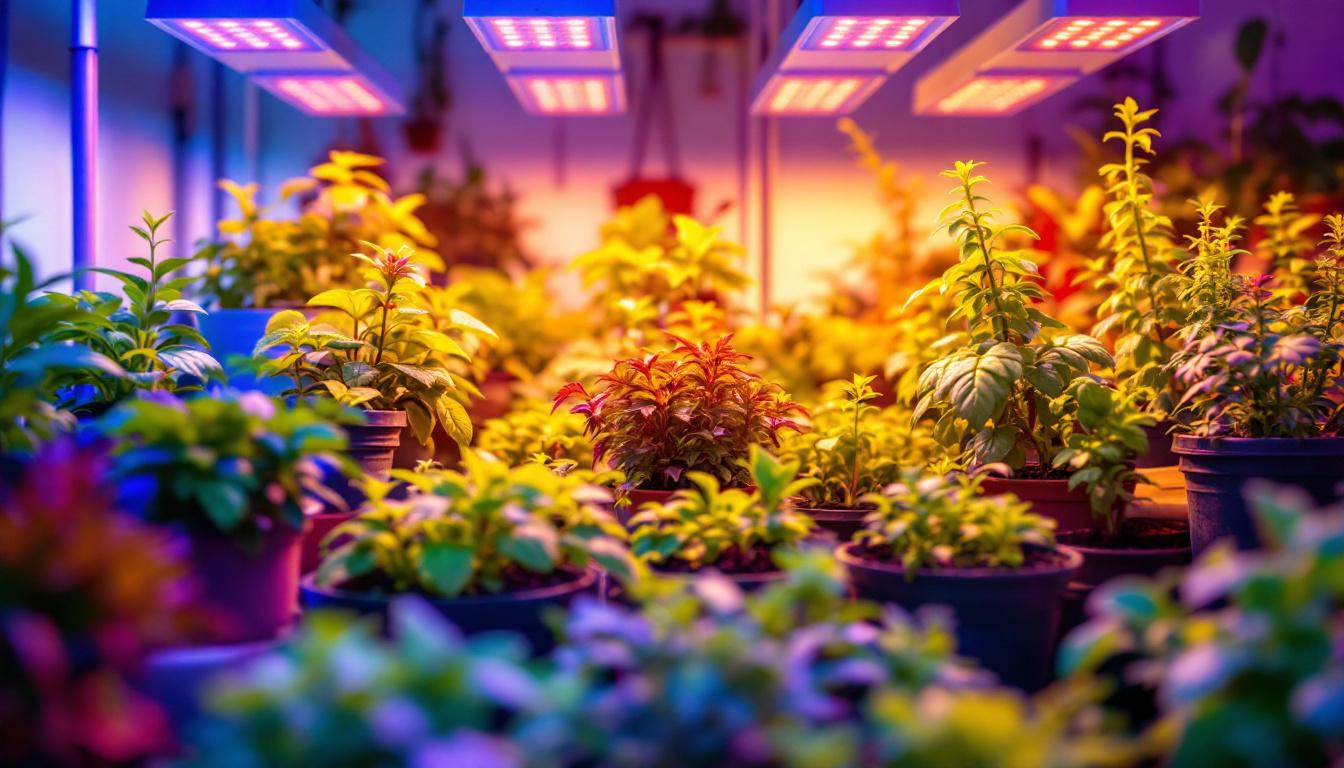
One of the key advantages of LED grow lights is their ability to provide a full spectrum of light, which is crucial for the photosynthesis process. Unlike traditional lighting systems, which often emit a limited range of wavelengths, LED technology can be tailored to emit specific light spectrums that cater to the unique needs of various plants at different growth stages. This adaptability not only enhances plant growth but also allows for the cultivation of a wider variety of crops in a single environment, maximizing the potential for profitability in commercial operations.
Moreover, the longevity of LED grow lights significantly reduces the frequency of replacements, which can be a major cost-saving factor for growers. With lifespans often exceeding 50,000 hours, these lights require less maintenance and fewer resources over time. This durability is complemented by their energy efficiency, as they consume considerably less power than traditional lighting options. As energy costs continue to rise, the financial benefits of switching to LED technology become increasingly apparent, making it an attractive option for both new and established growers looking to optimize their operations.
1. Superior Energy Efficiency and Cost Savings
Reducing Operational Expenses with LED Technology
One of the most significant advantages of commercial LED grow lights is their energy efficiency. Compared to traditional high-pressure sodium (HPS) or metal halide (MH) lamps, LEDs consume substantially less electricity while delivering the same or higher light output. This efficiency translates into considerable cost savings on energy bills, which can constitute up to 40-60% of a commercial grow operation’s expenses.
For lighting contractors, specifying LED grow lights means providing clients with a solution that lowers the total cost of ownership. The initial investment in LED fixtures may be higher, but the rapid return on investment through energy savings and reduced cooling requirements makes them financially attractive. Additionally, many regions offer incentives and rebates for energy-efficient lighting installations, further enhancing the economic benefits. These financial incentives can significantly offset the upfront costs, allowing growers to allocate their resources towards other critical aspects of their operations, such as improving plant genetics or expanding their cultivation area.
Enhanced Longevity and Reduced Maintenance Costs
LED grow lights boast an impressive lifespan, often exceeding 50,000 hours of operation. This longevity reduces the frequency of replacements and maintenance interventions, which can be disruptive and costly in commercial settings. Lighting contractors benefit from specifying reliable LED systems that minimize downtime and service calls, fostering client satisfaction and repeat business. Furthermore, the durability of LED fixtures means they are less susceptible to damage from environmental factors, such as humidity and temperature fluctuations, common in grow facilities.
In addition to their long lifespan, LED grow lights are designed with advanced thermal management systems that prevent overheating, a common issue with traditional lighting options. This feature not only extends the life of the fixtures but also ensures consistent performance over time. As a result, growers can maintain optimal light levels for their plants without the worry of diminished output or increased energy consumption. The combination of reduced maintenance needs and enhanced reliability allows growers to focus more on cultivation practices and less on lighting management, ultimately leading to better yields and healthier plants.
2. Optimized Light Spectrum for Plant Growth
Tailored Spectral Output for Different Growth Stages
Plants respond differently to various wavelengths of light throughout their growth cycle. Commercial LED grow lights can be engineered to emit specific light spectra that optimize photosynthesis, flowering, and fruiting. This spectral customization is a significant advantage over traditional lighting, which often emits a broad, less targeted spectrum.
Lighting contractors who understand the importance of spectral tuning can recommend LED solutions that enhance plant health and maximize yields. For example, blue light promotes vegetative growth, while red light encourages flowering and fruit production. Advanced LED systems may also incorporate far-red and ultraviolet light to influence plant morphology and secondary metabolite production. The integration of these wavelengths can lead to more robust plants that are better equipped to resist pests and diseases, ultimately reducing the need for chemical interventions.
Moreover, the ability to customize light spectra allows growers to simulate natural sunlight conditions, which can be particularly beneficial in indoor environments where natural light is limited. By adjusting the light spectrum to mimic seasonal changes, growers can effectively manage plant growth cycles, leading to more efficient use of space and resources. This level of control not only enhances the quality of the crops but also allows for staggered planting and harvesting, optimizing the overall production schedule.
Scientific Validation and Practical Outcomes
Research consistently supports the benefits of spectrum-optimized LED lighting. Studies have shown that plants grown under tailored LED spectra exhibit faster growth rates, higher biomass, and improved quality compared to those grown under conventional lighting. Lighting contractors who leverage this knowledge can position themselves as trusted advisors, helping clients achieve superior cultivation results.
In addition to growth metrics, the impact of optimized light spectra extends to the nutritional profile of the plants. For instance, certain wavelengths can enhance the production of vitamins and phytochemicals, which are crucial for both human health and plant resilience. This is especially relevant for growers focused on organic and health-conscious markets, where the demand for nutrient-dense produce is on the rise. Furthermore, as the industry continues to evolve, the integration of smart technology with LED systems allows for real-time monitoring and adjustments, ensuring that plants receive the ideal light conditions at all times. This technological advancement not only boosts productivity but also contributes to sustainable farming practices by minimizing energy consumption and waste.
3. Environmental Sustainability and Regulatory Compliance
Reducing Carbon Footprint with Energy-Efficient Lighting
Environmental sustainability is increasingly a priority for commercial growers and their stakeholders. LED grow lights contribute to reducing the carbon footprint of indoor agriculture by lowering energy consumption and minimizing heat emissions. This aligns with broader industry trends toward sustainable practices and corporate social responsibility.
Lighting contractors who prioritize LED solutions help clients meet environmental goals and appeal to eco-conscious consumers and investors. Moreover, sustainable lighting choices can enhance a grower’s brand reputation and market differentiation.
Navigating Regulatory Requirements and Incentives
Many jurisdictions have implemented energy efficiency standards and regulations that impact commercial lighting installations. LED grow lights often comply with or exceed these requirements, simplifying the permitting and inspection processes. Furthermore, lighting contractors can assist clients in accessing government incentives, rebates, and tax credits tied to energy-efficient upgrades.
4. Advanced Control and Integration Capabilities
Smart Lighting Systems for Precision Cultivation
Modern commercial LED grow lights frequently incorporate advanced control features, including dimming, spectral adjustment, and scheduling. These capabilities enable growers to fine-tune light intensity and quality in response to plant needs and environmental conditions. For lighting contractors, integrating such smart systems adds significant value to their service offerings.
Integration with environmental sensors, climate control systems, and automation platforms allows for holistic management of the grow environment. This precision reduces waste, optimizes resource use, and enhances crop consistency.
Remote Monitoring and Data-Driven Insights
Many LED grow light systems support remote monitoring and data collection through IoT (Internet of Things) technologies. Lighting contractors can leverage these features to provide ongoing support and maintenance, ensuring optimal system performance. Data analytics also empower growers to make informed decisions, improving operational efficiency and crop outcomes.
5. Versatility and Scalability for Diverse Commercial Applications
Adapting to Various Cultivation Methods and Spaces
Commercial LED grow lights are available in a wide range of form factors, power levels, and configurations, making them suitable for diverse cultivation environments. Whether it’s vertical farming, greenhouse supplementation, or large-scale indoor grows, LEDs offer the flexibility to meet specific spatial and horticultural requirements.
Lighting contractors benefit from this versatility by tailoring solutions that fit unique project constraints and client goals. Modular LED systems also facilitate phased installations and future expansions, accommodating business growth without major overhauls.
Supporting Emerging Trends and Crop Varieties
The commercial cultivation landscape is evolving rapidly, with new crops and growing techniques gaining popularity. LED grow lights can be customized to support these innovations, from microgreens and medicinal plants to exotic fruits and flowers. Contractors who stay current with industry trends and LED technology advancements can better serve clients seeking competitive advantages.
Conclusion: Prioritizing Commercial LED Grow Lights for Competitive Advantage
For lighting contractors, prioritizing the best commercial LED grow lights is a strategic decision that delivers multiple benefits. From energy efficiency and cost savings to enhanced plant growth, sustainability, advanced controls, and scalability, LED technology addresses the critical needs of modern commercial horticulture.
By embracing these lighting solutions, contractors not only improve client outcomes but also strengthen their market position in a rapidly growing and competitive industry. Staying informed about the latest LED innovations and cultivating expertise in horticultural lighting will be key drivers of success for lighting contractors moving forward.
Illuminate Your Projects with LumenWholesale
Ready to elevate your lighting solutions and gain a competitive edge in the horticultural industry? Look no further than LumenWholesale for the best commercial LED grow lights. Our commitment to quality and affordability ensures that you can provide your clients with spec-grade lighting products that meet the highest industry standards. Say goodbye to inflated markups and hello to unbeatable wholesale prices, free shipping, and the convenience of bulk buying. Don’t miss out on the opportunity to enhance your service offerings with reliable, high-performance lighting. Take the first step towards a brighter future and explore our selection of Wholesale Lighting at the Best Value today.