Understanding the Commercial Grow Light Market
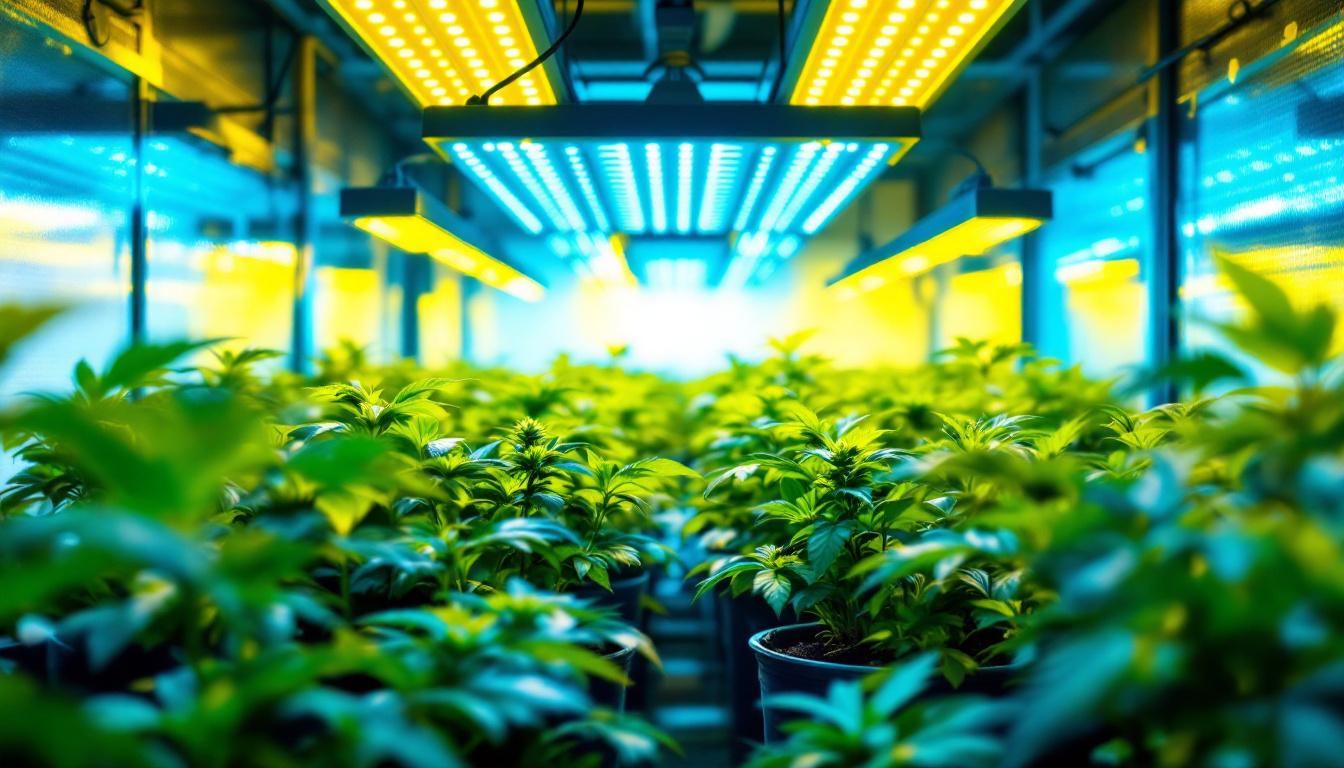
For lighting contractors, the commercial grow light sector presents a unique and rapidly expanding opportunity. As indoor agriculture and controlled environment farming gain momentum worldwide, the demand for efficient, reliable, and scalable lighting solutions grows in tandem. Unlike traditional lighting projects, commercial grow lights require a deep understanding of plant biology, energy efficiency, and environmental controls.
Lighting contractors must recognize that commercial grow lights are not just about illumination; they are integral components of a plant’s growth cycle. This means selecting the right type of light, spectrum, intensity, and distribution to optimize photosynthesis, flowering, and fruiting stages. The market is diverse, ranging from small-scale vertical farms to large greenhouse operations, each with distinct lighting requirements.
Statistics show that the global horticultural lighting market is projected to expand significantly, driven by increasing urban farming initiatives and technological advancements. For contractors, this translates into a need for expertise in LED technology, spectral tuning, and integration with environmental sensors and automation systems.
Moreover, the evolution of smart lighting systems is reshaping the landscape of commercial grow lights. These systems not only provide tailored lighting solutions but also offer real-time data analytics that help growers monitor plant health and optimize growth conditions. By utilizing smart technology, contractors can enhance their offerings, providing clients with the ability to adjust light settings remotely, track energy consumption, and even automate lighting schedules based on plant growth stages. This integration of technology not only improves efficiency but also contributes to sustainability efforts, as growers can minimize energy waste and reduce their carbon footprint.
Additionally, as consumer preferences shift towards organic and locally sourced produce, the demand for indoor farming solutions is likely to surge. This trend creates a fertile ground for lighting contractors to innovate and adapt their services. Understanding the nuances of different crops—such as leafy greens versus fruiting plants—will enable contractors to recommend specific lighting setups that cater to the unique needs of each type of plant. By staying informed about the latest research in plant-light interactions and emerging technologies, lighting contractors can position themselves as invaluable partners in the growth of the indoor agriculture industry.
Types of Commercial Grow Lights and Their Applications
High-Intensity Discharge (HID) Lights
Historically, HID lights such as Metal Halide (MH) and High-Pressure Sodium (HPS) lamps have dominated commercial grow operations. These lights are known for their high luminous efficacy and ability to cover large areas, making them suitable for traditional greenhouse setups.
MH lamps emit a blue spectrum ideal for vegetative growth, while HPS lamps provide a red-orange spectrum that promotes flowering and fruiting. Many commercial growers use a combination of both to mimic natural sunlight cycles. This dual approach not only optimizes plant growth but also enhances the overall health of the crops, leading to more robust yields. Additionally, the use of reflectors can maximize light distribution, ensuring that every plant receives adequate illumination.
However, HID lights generate significant heat, requiring robust cooling systems and increasing operational costs. For lighting contractors, installing HID systems demands careful planning to ensure adequate ventilation and safety measures. This includes assessing the thermal load and ensuring that the electrical infrastructure can support the high wattage demands of these systems. Moreover, the need for regular bulb replacements and maintenance adds to the operational complexity, making it essential for growers to weigh the pros and cons before committing to HID technology.
Light Emitting Diodes (LEDs)
LED technology has revolutionized commercial grow lighting by offering customizable spectra, energy efficiency, and longer lifespans. LEDs produce less heat, reducing cooling needs and enabling closer placement to plants for better light penetration. This proximity allows for more efficient photosynthesis, which can lead to faster growth rates and healthier plants overall.
Modern commercial LED grow lights allow spectral tuning, enabling growers to adjust light wavelengths to target specific growth stages or plant species. This flexibility improves crop yields and quality while lowering energy consumption. Some advanced LED systems even incorporate sensors and automation to adjust light intensity based on the plants’ real-time needs, further optimizing growth conditions. For contractors, installing LED systems requires familiarity with driver electronics, dimming controls, and integration with smart farming technologies. The upfront cost of LEDs can be higher than HID systems, but the long-term savings and performance benefits often justify the investment. Furthermore, as technology continues to advance, the price of LEDs is expected to decrease, making them an increasingly attractive option for growers of all sizes.
Fluorescent and Induction Lights
While less common in large-scale commercial applications, fluorescent and induction lights still find use in propagation rooms, seedling trays, and small-scale operations. They offer moderate energy efficiency and low heat output but lack the intensity needed for mature plant growth. Fluorescent lights, particularly T5 and T8 tubes, are popular for their ability to provide a broad spectrum of light and are often used in conjunction with other lighting systems to enhance growth during the early stages of plant development.
Contractors working with propagation environments should consider these options for their cost-effectiveness and ease of installation, especially in retrofit projects or supplemental lighting scenarios. Induction lights, while less common, offer a longer lifespan and lower maintenance needs compared to traditional fluorescent options, making them a viable choice for growers looking to minimize downtime and labor costs. Additionally, the lower heat output of these lights allows for closer placement to sensitive seedlings, promoting healthier growth without the risk of heat stress. As the industry evolves, the integration of fluorescent and induction lights with more advanced technologies could further enhance their utility in specific growing applications.
Key Factors in Selecting Commercial Grow Lights
Light Spectrum and Photosynthetic Efficiency
One of the most critical considerations for lighting contractors is the spectral output of grow lights. Plants primarily use blue (400-500 nm) and red (600-700 nm) light for photosynthesis, but recent research highlights the importance of green and far-red wavelengths in plant morphology and flowering.
Contractors should prioritize grow lights that deliver a balanced spectrum tailored to the crop’s growth stage. For example, blue-enriched light supports compact, leafy growth, while red light encourages flowering and fruit production. Some advanced LED fixtures offer programmable spectrums, allowing growers to adapt lighting dynamically.
Energy Efficiency and Operational Costs
Energy consumption is a major operational expense in commercial grow facilities. Lighting contractors must evaluate the efficacy of grow lights, typically measured in micromoles of photosynthetically active radiation (PAR) per joule of electrical input (µmol/J).
LED grow lights generally outperform HID lamps in energy efficiency, often delivering 2.0 µmol/J or higher, compared to 1.5 µmol/J for HPS lights. Selecting high-efficiency fixtures can significantly reduce electricity bills and improve the facility’s sustainability profile.
Heat Management and Environmental Integration
Excess heat from grow lights can adversely affect plant health and increase cooling demands. Lighting contractors should assess the thermal output of lighting systems and design installations that facilitate heat dissipation.
LEDs have the advantage of lower heat emissions, but proper heat sinks and ventilation remain essential. Integrating grow lights with environmental controls such as HVAC systems, CO2 enrichment, and humidity regulation enhances overall crop performance and energy efficiency.
Durability and Maintenance
Commercial grow lights operate under demanding conditions, including high humidity and continuous use. Contractors must select fixtures with robust construction, corrosion-resistant materials, and IP ratings suitable for wet environments.
Maintenance considerations include ease of lamp replacement, driver accessibility, and compatibility with automated monitoring systems. Minimizing downtime is crucial for commercial growers, making reliability a top priority.
Installation Best Practices for Lighting Contractors
Site Assessment and Lighting Design
Before installation, a comprehensive site assessment is essential. Contractors should analyze the facility’s size, crop types, growth stages, and existing infrastructure. This information guides the lighting layout, fixture selection, and electrical requirements.
Using lighting simulation software can optimize fixture placement and light distribution, ensuring uniform coverage and avoiding hotspots or shaded areas. Proper design maximizes photosynthetic photon flux density (PPFD) at the canopy level, directly impacting crop yield.
Electrical and Safety Considerations
Commercial grow light installations demand adherence to electrical codes and safety standards. Contractors must ensure proper wiring, grounding, and surge protection to prevent hazards and equipment damage.
Special attention should be given to waterproof connectors and cable management to withstand humid and wet conditions typical in grow environments. Implementing emergency shutoff systems and fire safety protocols is also critical.
Integration with Automation and Controls
Modern commercial grow facilities increasingly rely on automation for lighting schedules, dimming, and spectral adjustments. Lighting contractors should be proficient in integrating grow lights with control systems such as timers, sensors, and IoT platforms.
This integration enables precise environmental control, energy savings, and data-driven crop management. Contractors can add value by offering turnkey solutions that include lighting, controls, and monitoring services.
Emerging Trends and Technologies in Commercial Grow Lighting
Dynamic Spectrum Lighting
Dynamic spectrum lighting allows growers to modify light quality throughout the day or growth cycle, mimicking natural sunlight variations. This approach can enhance plant stress tolerance, secondary metabolite production, and overall crop quality.
Contractors should stay informed about fixtures offering programmable spectrums and software interfaces that enable growers to customize lighting recipes.
Wireless and Smart Lighting Systems
Wireless communication protocols such as Zigbee and Bluetooth are becoming common in grow light controls, simplifying installation and enabling remote management. Smart lighting systems can adapt in real-time to environmental feedback, optimizing energy use and crop outcomes.
Lighting contractors can differentiate themselves by mastering these technologies and offering clients scalable, future-proof solutions.
Integration with Renewable Energy
As sustainability becomes a priority, integrating commercial grow lights with renewable energy sources like solar panels is gaining traction. Energy-efficient LEDs combined with on-site generation and battery storage can significantly reduce operational carbon footprints.
Contractors knowledgeable in renewable energy integration can advise clients on cost-effective, green lighting solutions that align with corporate sustainability goals.
Conclusion: Positioning for Success in Commercial Grow Lighting
For lighting contractors, commercial grow lighting offers a compelling avenue for growth and specialization. Success depends on a thorough understanding of plant lighting science, energy efficiency, and system integration.
By selecting the right technologies, adhering to best installation practices, and embracing emerging trends, contractors can deliver high-value solutions that meet the evolving needs of commercial growers. Staying current with industry developments and cultivating expertise in smart, sustainable lighting systems will position contractors as trusted partners in the booming indoor agriculture sector.
Illuminate Your Projects with LumenWholesale
Ready to elevate your commercial grow lighting projects and outshine the competition? At LumenWholesale, we provide lighting contractors with the highest quality, spec-grade commercial grow lights at unbeatable wholesale prices. Say goodbye to local distributor markups and hello to superior lighting products that meet the most rigorous industry standards. With our hassle-free bulk buying and free shipping, you can secure premium lighting solutions at the best value — ensuring every project shines without hidden fees or compromises. Don’t miss out on the perfect blend of quality, affordability, and convenience. Wholesale Lighting at the Best Value is just a click away. Partner with LumenWholesale today and watch your indoor agriculture projects thrive.