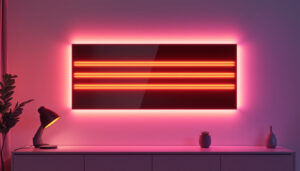
Introduction to Bed of Light
The concept of a “Bed of Light” has emerged as a transformative approach in the field of lighting installation. It refers to a systematic arrangement of lighting fixtures that not only enhances the aesthetic appeal of a space but also improves the functionality of lighting systems. For lighting contractors, understanding and implementing this concept can lead to more efficient projects and satisfied clients.
As the demand for innovative lighting solutions grows, the Bed of Light approach offers a fresh perspective on how to design and execute lighting installations. This article explores the benefits of this method, its applications, and how it can elevate the quality of lighting projects.
One of the key advantages of the Bed of Light concept is its versatility. It can be adapted to a wide range of environments, from residential homes to commercial spaces and even outdoor areas. For instance, in a residential setting, a Bed of Light can create a warm and inviting atmosphere by strategically placing soft, diffused lighting in living rooms or bedrooms. In contrast, commercial spaces can benefit from focused lighting arrangements that highlight products or create an engaging ambiance for customers. This adaptability allows designers to tailor their lighting solutions to meet the specific needs of each project, ensuring that every space is both functional and visually appealing.
Moreover, the Bed of Light approach encourages the integration of smart lighting technologies. With the rise of home automation, lighting systems can now be controlled remotely, allowing users to adjust brightness levels, color temperatures, and even lighting patterns with ease. This not only enhances user experience but also promotes energy efficiency, as lights can be dimmed or turned off when not in use. By incorporating smart technology within the Bed of Light framework, contractors can offer clients a modern and sustainable lighting solution that aligns with contemporary lifestyle preferences.
Understanding the Bed of Light Concept
The Bed of Light concept revolves around the idea of creating a cohesive lighting environment that harmonizes with the architecture and purpose of a space. Rather than treating each fixture as an isolated element, this approach emphasizes the relationship between different light sources and their collective impact on the overall ambiance.
By considering factors such as color temperature, intensity, and positioning, contractors can create a layered lighting design that enhances visibility while also contributing to the mood of the environment. This holistic approach is particularly beneficial in commercial spaces, where lighting can significantly influence customer experience. For instance, a well-lit retail environment can not only highlight products but also create an inviting atmosphere that encourages shoppers to linger longer, ultimately boosting sales.
Moreover, the Bed of Light concept can extend beyond mere aesthetics. It can also play a crucial role in enhancing safety and functionality. In spaces like offices or warehouses, appropriate lighting can reduce the risk of accidents and improve overall productivity by ensuring that employees can see clearly and work efficiently without straining their eyes.
Key Elements of a Bed of Light
To effectively implement a Bed of Light, several key elements must be considered:
- Layering: Combining ambient, task, and accent lighting creates a multi-dimensional effect that can transform a space.
- Color Temperature: Selecting the right color temperature for different areas can affect how people perceive a space, influencing their mood and productivity.
- Fixture Placement: Strategic placement of fixtures ensures that light is distributed evenly, reducing shadows and enhancing visibility.
Benefits of Implementing a Bed of Light
The advantages of adopting a Bed of Light approach are manifold. First and foremost, it allows for greater flexibility in design. Contractors can adapt lighting solutions to fit various types of spaces, from residential homes to expansive commercial venues.
Additionally, this method can lead to energy savings. By optimizing the placement and type of fixtures used, contractors can reduce energy consumption while still achieving desired lighting levels. This not only benefits the environment but also appeals to clients looking to minimize operational costs. Furthermore, the longevity of LED fixtures, often utilized in these designs, contributes to reduced maintenance and replacement expenses over time, making it a financially sound investment.
Another significant benefit is the potential for enhancing the aesthetic appeal of a space. Thoughtfully designed lighting can highlight architectural features, artwork, or landscaping, creating focal points that draw the eye and enrich the overall experience of the environment. This is particularly important in hospitality settings, where the ambiance can be a key factor in attracting and retaining guests. By integrating the Bed of Light concept, designers can ensure that every aspect of a space is illuminated in a way that complements its intended use and enhances its visual narrative.
Applications of Bed of Light in Different Settings
The versatility of the Bed of Light concept makes it applicable across various settings. Each environment presents unique challenges and opportunities, allowing contractors to showcase their expertise in lighting design.
Residential Spaces
In residential settings, the Bed of Light can enhance the comfort and functionality of living areas. By incorporating layered lighting, homeowners can create inviting atmospheres that cater to different activities, such as reading, entertaining, or relaxing.
For example, a combination of recessed lighting, floor lamps, and wall sconces can provide the necessary illumination while also adding to the decor. This thoughtful approach to lighting design not only improves the aesthetic appeal but also increases the usability of each space.
Commercial Spaces
In commercial environments, effective lighting is crucial for both functionality and branding. The Bed of Light concept can help businesses create a welcoming atmosphere that encourages customer engagement. Retailers, for instance, can use accent lighting to highlight merchandise, while ambient lighting sets the overall mood of the store.
Moreover, in office settings, the right lighting can enhance productivity and employee well-being. By utilizing a Bed of Light approach, contractors can design spaces that reduce eye strain and improve focus, ultimately benefiting the organization as a whole.
Outdoor Lighting
Outdoor spaces also benefit significantly from the Bed of Light concept. Whether it’s a garden, patio, or commercial landscape, the right lighting can enhance safety and aesthetics. By strategically placing path lights, uplights, and spotlights, contractors can create inviting outdoor environments that extend the usability of spaces after dark.
Furthermore, outdoor lighting can play a crucial role in security. A well-lit area deters potential intruders while providing a sense of safety for occupants. Understanding how to effectively implement outdoor lighting as part of a Bed of Light strategy can elevate a contractor’s offerings.
Designing a Bed of Light: Best Practices
When designing a Bed of Light, several best practices can guide contractors in creating effective lighting solutions. These practices ensure that the final result meets both aesthetic and functional requirements.
Conducting a Lighting Audit
A thorough lighting audit is essential before embarking on any installation project. This process involves assessing the existing lighting conditions, identifying problem areas, and understanding the specific needs of the space. By gathering this information, contractors can make informed decisions about fixture types, placements, and control systems.
Additionally, engaging with clients during this stage can provide valuable insights into their preferences and expectations, leading to a more tailored lighting solution.
Utilizing Technology
Incorporating technology into lighting design can significantly enhance the effectiveness of a Bed of Light. Smart lighting systems allow for greater control over brightness and color temperature, enabling users to adjust settings according to their needs.
Furthermore, the use of lighting design software can assist contractors in visualizing their concepts before implementation. This not only streamlines the design process but also helps in presenting ideas to clients in a clear and compelling manner.
Focusing on Sustainability
As sustainability becomes an increasingly important consideration in construction and design, lighting contractors should prioritize energy-efficient solutions. The Bed of Light approach can facilitate this by promoting the use of LED fixtures and smart controls that reduce energy consumption.
Additionally, educating clients about the long-term benefits of sustainable lighting can enhance their willingness to invest in these solutions, ultimately leading to a more environmentally friendly project.
Challenges in Implementing a Bed of Light
While the Bed of Light concept offers numerous benefits, it is not without its challenges. Understanding these potential hurdles can prepare contractors to address them effectively.
Budget Constraints
One of the primary challenges contractors face is budget constraints. Clients may have limited funds available for lighting installations, which can restrict the types of fixtures and technologies that can be used. In such cases, it is essential to prioritize key elements of the Bed of Light approach that will deliver the most impact within the available budget.
By focusing on a few high-quality fixtures and strategic placements, contractors can create effective lighting solutions that meet client expectations without exceeding financial limits.
Client Expectations
Managing client expectations is another challenge that can arise during lighting installation projects. Clients may have specific visions for their spaces that do not align with practical lighting solutions. Open communication and education are crucial in these situations.
Contractors should take the time to explain the benefits of the Bed of Light concept and how it can enhance their original ideas. By providing examples and visual aids, contractors can help clients understand the value of a cohesive lighting design.
Conclusion: The Future of Lighting Installation
The Bed of Light concept represents a significant advancement in lighting design and installation. By focusing on the interplay between different light sources and their collective impact, contractors can create spaces that are not only visually appealing but also functional and sustainable.
As the industry continues to evolve, embracing innovative approaches like the Bed of Light will be essential for lighting contractors looking to stay competitive. By understanding the principles of this concept and applying them effectively, contractors can elevate their projects, satisfy their clients, and contribute to a brighter, more sustainable future.
Illuminate Your Projects with LumenWholesale
Ready to bring the Bed of Light concept to life in your next installation project? At LumenWholesale, we provide you with the high-quality, spec-grade lighting products you need to create stunning, functional, and sustainable spaces. Say goodbye to inflated markups and hello to unbeatable wholesale prices, backed by our commitment to quality and convenience. Take advantage of our hassle-free bulk buying and free shipping to get your premium lighting at the best value. Elevate your lighting installations today and make every project shine brighter. Discover our extensive selection and experience the LumenWholesale difference by visiting Wholesale Lighting at the Best Value.