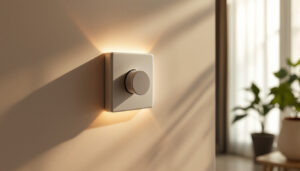
Introduction to Battery LED Lights with Switches
Battery LED lights with switches have become indispensable tools for lighting contractors. Their portability, ease of installation, and energy efficiency make them ideal for a wide range of applications, from temporary lighting setups to permanent installations where wiring is impractical. Understanding the nuances of these devices is crucial for professionals aiming to deliver reliable, cost-effective lighting solutions to clients.
In this comprehensive guide, lighting contractors will explore the technical aspects, installation best practices, and practical considerations involved in working with battery-powered LED lights equipped with switches. This knowledge will help ensure optimal performance, safety, and client satisfaction.
One of the key advantages of battery LED lights is their versatility. They can be used in various settings, including construction sites, outdoor events, and emergency situations. For instance, in a construction environment, these lights can illuminate work areas without the need for cumbersome extension cords or access to electrical outlets, thereby enhancing both safety and productivity. Additionally, their lightweight design allows for easy repositioning, making it simple to adapt to changing project requirements. Furthermore, advancements in battery technology have led to longer-lasting power sources, enabling these lights to operate for extended periods without frequent recharging or replacement.
Moreover, the integration of switches into battery LED lights adds another layer of convenience. Many models now feature user-friendly controls that allow for easy on/off operation, dimming capabilities, and even remote control options. This functionality is particularly beneficial in situations where lights need to be activated from a distance or where manual operation is not feasible. As a result, contractors can offer tailored lighting solutions that meet the specific needs of their clients, whether it’s for illuminating a cozy outdoor gathering or providing bright, focused light for detailed tasks. By understanding these features and how to leverage them effectively, contractors can enhance their service offerings and improve overall project outcomes.
Technical Overview of Battery LED Lights with Switches
Understanding LED Technology
Light Emitting Diodes (LEDs) are semiconductor devices that emit light when an electric current passes through them. Compared to traditional incandescent bulbs, LEDs offer superior energy efficiency, longer lifespan, and reduced heat output. These characteristics make LEDs particularly suitable for battery-powered applications where conserving energy is critical. The efficiency of LEDs is often quantified by their luminous efficacy, which measures the amount of light produced per watt of electricity consumed. This means that LEDs can produce the same amount of light as incandescent bulbs while using a fraction of the energy, leading to significant cost savings over time.
For lighting contractors, selecting the right LED type involves considering brightness (measured in lumens), color temperature (ranging from warm to cool white), and beam angle. These factors influence the ambiance and functionality of the installed lighting. Additionally, the color rendering index (CRI) is an important consideration, as it measures how accurately a light source displays colors in comparison to natural light. A higher CRI is essential in settings where color accuracy is critical, such as art studios or retail environments. Understanding these nuances allows contractors to tailor lighting solutions that not only meet technical specifications but also enhance the overall aesthetic appeal of a space.
Battery Types and Their Impact on Performance
The choice of battery significantly affects the runtime, reliability, and maintenance requirements of LED lights. Common battery types include alkaline, lithium-ion, and nickel-metal hydride (NiMH). Lithium-ion batteries are favored for their high energy density, longer life cycles, and lighter weight, though they come at a higher cost. In contrast, alkaline batteries are readily available and cost-effective, making them a popular choice for low-drain applications, but they tend to have a shorter lifespan and can leak if left unused for extended periods.
Contractors should assess the intended use environment and expected duration of operation to recommend the most suitable battery type. For example, lithium-ion batteries are ideal for high-demand or frequently used lights, while alkaline batteries may suffice for occasional or emergency lighting. Furthermore, the environmental impact of battery disposal and recycling is becoming increasingly important. Contractors are encouraged to educate clients on proper disposal methods and consider recommending rechargeable options that reduce waste and promote sustainability. This not only enhances the longevity of the lighting system but also aligns with growing consumer preferences for eco-friendly products.
The Role of Switches in Battery LED Lights
Switches serve as the user interface for controlling the light, enabling easy on/off operation and sometimes dimming or mode selection. Common switch types include toggle, push-button, and slide switches. The choice of switch affects user convenience, durability, and the overall design of the lighting fixture. For instance, push-button switches may offer tactile feedback and a modern aesthetic, while toggle switches can provide a more traditional look. Additionally, some advanced LED systems incorporate smart technology, allowing users to control lighting through mobile apps or voice commands, adding a layer of convenience and customization.
For contractors, it is important to ensure that the switch is rated for the voltage and current of the LED light system to prevent premature failure or safety hazards. Additionally, switches with waterproof or dustproof ratings may be necessary for outdoor or industrial applications. The placement of the switch also plays a crucial role in user experience; it should be easily accessible and positioned in a way that minimizes the risk of accidental activation. By considering these factors, contractors can enhance the functionality and user satisfaction of battery LED lighting systems, ultimately leading to better performance and longer-lasting installations.
Installation Best Practices for Lighting Contractors
Site Assessment and Planning
Before installation, a thorough site assessment is essential. Lighting contractors should evaluate the location’s power availability, environmental conditions, and lighting requirements. Battery LED lights with switches are particularly advantageous in areas lacking electrical infrastructure or where temporary lighting is needed.
Planning should also include considerations for battery replacement or recharging access, switch placement for user convenience, and compliance with local electrical codes and safety standards.
Mounting and Wiring Considerations
Battery LED lights are often designed for easy mounting using screws, adhesive pads, or magnetic bases. Contractors should select mounting methods appropriate for the surface material and expected load to ensure stability and safety.
While battery-powered LEDs reduce the need for extensive wiring, some installations may require connecting multiple units or integrating with existing lighting controls. In such cases, proper wiring techniques and secure connections are critical to maintain system integrity and prevent electrical faults.
Testing and Commissioning
After installation, comprehensive testing ensures that the battery LED lights function as intended. Contractors should verify switch operation, light output, battery performance, and any additional features such as dimming or motion sensing.
Documenting test results and providing clients with operational instructions and maintenance guidelines enhances service quality and reduces future support calls.
Practical Applications and Case Studies
Emergency and Safety Lighting
Battery LED lights with switches are widely used in emergency lighting systems due to their independence from the main power supply. In facilities such as hospitals, schools, and commercial buildings, these lights provide critical illumination during power outages, aiding safe evacuation and reducing accident risks.
Lighting contractors should select units with reliable battery backup, clear switch accessibility, and compliance with safety regulations. Regular maintenance and testing protocols are also vital to ensure readiness in emergencies.
Temporary and Event Lighting
For construction sites, outdoor events, and temporary installations, battery LED lights offer flexible lighting solutions without the need for complex wiring or power sources. Their portability and ease of use enable quick setup and takedown, saving time and labor costs.
Contractors can enhance client satisfaction by recommending lights with adjustable brightness, durable housings, and user-friendly switches that accommodate varying event requirements.
Residential and Commercial Retrofit Projects
In retrofit projects where upgrading existing lighting is desired without extensive rewiring, battery LED lights with switches provide an effective alternative. They can be installed in closets, cabinets, or under shelves to improve visibility and convenience.
Contractors should assess battery life expectancy, switch placement, and aesthetic considerations to ensure seamless integration with the existing environment.
Maintenance and Troubleshooting Tips
Battery Management
Proper battery maintenance extends the lifespan of battery LED lights and ensures consistent performance. Contractors should advise clients on best practices such as regular charging cycles for rechargeable batteries, timely replacement of disposable batteries, and storage conditions to prevent degradation.
Implementing battery monitoring systems or indicators can also help users identify when replacements or recharging are necessary, reducing downtime.
Switch and Circuit Care
Switches are mechanical components subject to wear and environmental damage. Routine inspection for signs of corrosion, loose connections, or mechanical failure is important. Cleaning contacts and ensuring proper sealing against moisture can prevent common issues.
In cases of switch failure, prompt replacement with compatible components is recommended to maintain system functionality and safety.
Common Troubleshooting Scenarios
Lighting contractors frequently encounter issues such as flickering lights, reduced brightness, or complete failure to illuminate. These symptoms often stem from battery depletion, poor switch contacts, or LED driver malfunctions.
Systematic troubleshooting involves checking battery charge levels, testing switch continuity, and inspecting LED modules. Keeping spare parts and diagnostic tools on hand facilitates efficient resolution of common problems.
Emerging Trends and Innovations
Smart Battery LED Lighting Systems
Integration of smart technology into battery LED lights is transforming the lighting industry. Features such as remote control via mobile apps, programmable lighting schedules, and motion-activated switches enhance user convenience and energy savings.
Lighting contractors should stay informed about these advancements to offer cutting-edge solutions that meet evolving client demands and improve operational efficiency.
Advancements in Battery Technology
Ongoing improvements in battery chemistry and management systems continue to extend the runtime and safety of battery-powered LED lights. Solid-state batteries and enhanced lithium-ion variants promise higher capacities and faster charging times.
Contractors should evaluate new battery technologies for compatibility and cost-effectiveness to recommend the best options for their projects.
Sustainability and Environmental Considerations
With increasing emphasis on sustainable building practices, battery LED lights with switches contribute by reducing energy consumption and minimizing waste. Selecting recyclable batteries and energy-efficient LEDs aligns with green building certifications and client sustainability goals.
Lighting contractors play a pivotal role in educating clients about these benefits and incorporating eco-friendly products into their offerings.
Conclusion
Battery LED lights with switches represent a versatile and efficient lighting solution for a broad spectrum of applications. For lighting contractors, mastering the technical details, installation techniques, and maintenance practices associated with these devices is essential for delivering superior service and achieving client satisfaction.
By staying abreast of technological advancements and industry trends, contractors can continue to provide innovative, reliable, and sustainable lighting solutions that meet the dynamic needs of their clients.
Get Your Premium Lighting Supplies at LumenWholesale
Ready to elevate your lighting projects with the best in battery LED lights with switches? Look no further than LumenWholesale, where we provide contractors with superior, spec-grade lighting products at unbeatable wholesale prices. Say goodbye to local distributor markups and hello to our extensive selection that meets the highest industry standards. With free shipping on bulk orders, you can trust that you’re getting premium lighting at the best value — without hidden fees or compromises. Don’t miss out on the perfect blend of quality, affordability, and convenience. Visit LumenWholesale today and make your next lighting project shine brighter than ever.