Understanding Bath Lighting Fixture Outlets: The Basics
Lighting contractors working on bathroom installations must have a clear understanding of bath lighting fixture outlets, especially when it comes to compliance with electrical codes and safety standards. Bathrooms are unique environments where moisture and electricity coexist, creating specific challenges and requirements for lighting fixtures and their outlets.
Bath lighting fixture outlets refer to the electrical points where lighting fixtures are connected, including wall-mounted sconces, vanity lights, ceiling fixtures, and recessed lighting. These outlets must be installed in a way that ensures safety, functionality, and aesthetic appeal, while strictly adhering to local and national electrical codes.
Given the high risk of electrical shock in damp or wet areas, lighting contractors need to be vigilant about the correct placement, type, and protection of these outlets. This article explores key compliance considerations, practical installation tips, and the latest standards that contractors need to know to deliver safe and code-compliant bathroom lighting solutions.
One critical aspect of bath lighting fixture outlets is their location in relation to water sources, such as sinks, showers, and bathtubs. The National Electrical Code (NEC) outlines specific zones in the bathroom that dictate how far outlets must be from these water sources. For instance, fixtures installed within three feet of a bathtub or shower must be rated for damp or wet locations, ensuring they can withstand the moisture without compromising safety. Additionally, the use of GFCI (Ground Fault Circuit Interrupter) outlets is often required in these areas to provide an extra layer of protection against electrical shock, automatically shutting off the power if a ground fault is detected.
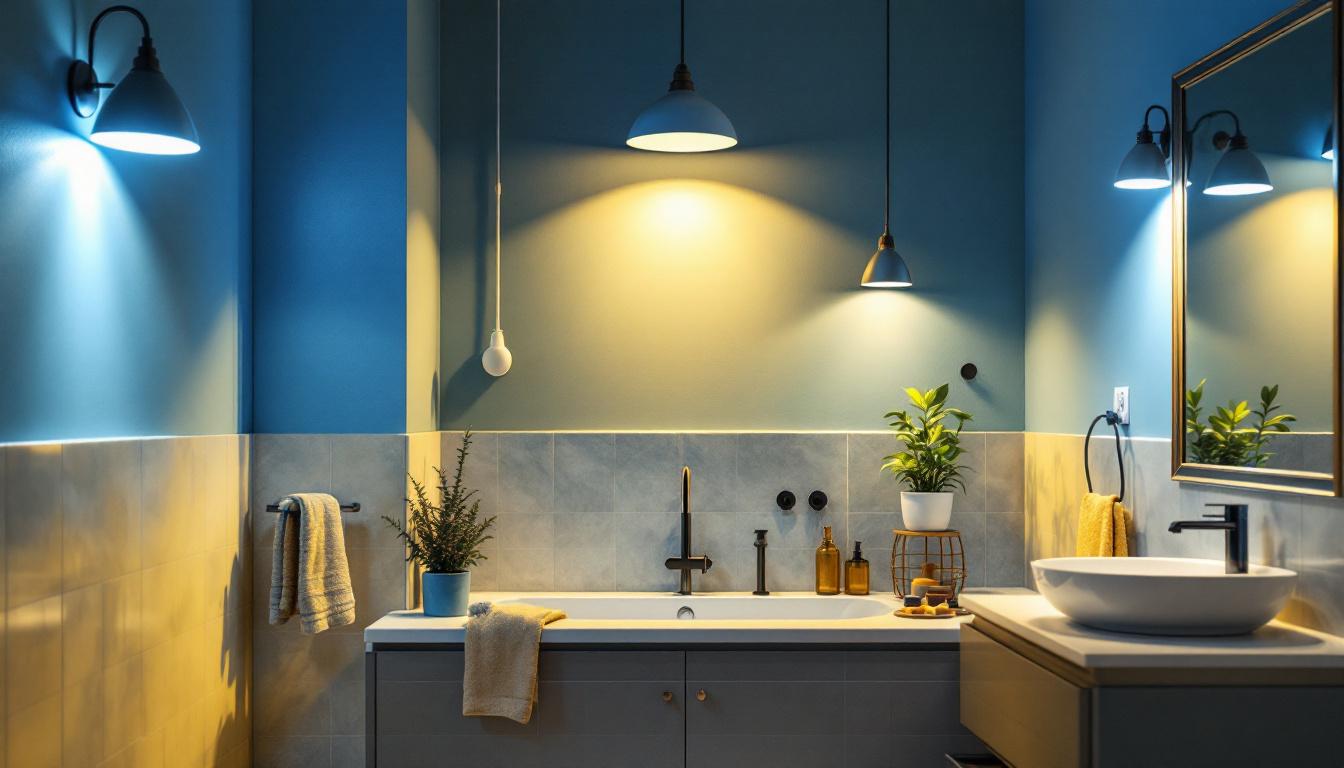
Another important consideration is the type of lighting fixtures that are suitable for bathroom environments. Contractors should recommend fixtures that not only meet safety standards but also enhance the overall ambiance of the space. For example, LED fixtures are increasingly popular due to their energy efficiency and long lifespan, while also providing a range of color temperatures to create the desired mood. Furthermore, the design of the fixtures can significantly impact the bathroom’s aesthetic, with options ranging from sleek modern designs to more traditional styles, allowing homeowners to express their personal taste while ensuring safety and compliance.
Key Compliance Standards for Bath Lighting Fixtures
National Electrical Code (NEC) Requirements
The National Electrical Code (NEC) provides the primary regulatory framework for electrical installations in bathrooms. NEC guidelines focus on protecting users from electrical hazards by specifying how and where lighting fixture outlets should be installed.
One of the most critical NEC requirements is the use of Ground-Fault Circuit Interrupters (GFCIs) for bathroom lighting circuits. GFCIs are designed to shut off power quickly if an electrical fault is detected, reducing the risk of shock. According to NEC, all lighting outlets in bathrooms must be protected by GFCI devices, especially those located near water sources such as sinks, bathtubs, and showers.
Another important aspect is the classification of bathroom zones, which dictate the type of fixtures allowed based on their proximity to water. For example, fixtures installed within a defined wet zone must be rated for wet or damp locations, ensuring they can withstand moisture exposure without compromising safety.
Local Code Variations and Amendments
While the NEC serves as the baseline, many local jurisdictions adopt amendments or additional requirements. Lighting contractors must verify local codes before installation to ensure full compliance. Some municipalities may require specific fixture types, additional protective measures, or particular installation methods that go beyond the NEC.
For example, certain areas mandate the use of low-voltage lighting in wet zones or require sealed fixtures to prevent moisture ingress. Staying informed about these variations is essential to avoid costly rework, penalties, or safety hazards.
Fixture Certification and Ratings
All bath lighting fixtures must have appropriate certifications such as UL (Underwriters Laboratories) or ETL (Intertek) listings. These certifications confirm that the fixture has been tested and approved for safe use in specified environments, including damp or wet locations.
Contractors should always check the fixture’s rating before installation. A fixture rated for dry locations is unsuitable for bathroom use, especially near water sources. Using the correct rating not only ensures safety but also helps maintain warranty coverage and compliance with insurance policies.
Practical Considerations for Lighting Contractors
Proper Placement of Bath Lighting Fixture Outlets
Correct placement of lighting fixture outlets is crucial for both safety and functionality. Vanity lighting, for instance, should be positioned to minimize shadows on the face, typically at eye level or slightly above the mirror. Wall sconces on either side of the mirror provide balanced illumination, improving visibility for grooming tasks.
Contractors must also consider the proximity of outlets to water sources. NEC defines specific distances where certain fixture types are permitted. For example, within 3 feet of a bathtub or shower, only fixtures rated for wet locations can be installed. Beyond this zone, damp-rated fixtures are acceptable.
Additionally, ceiling fixtures or recessed lights should be installed with moisture resistance in mind, especially in bathrooms with steam or high humidity levels. Proper sealing and use of moisture-resistant trims help prevent fixture damage and electrical hazards.
Wiring and Circuit Protection Best Practices
When wiring bath lighting fixture outlets, contractors should ensure circuits are dedicated and protected by GFCI breakers or outlets. This protection is non-negotiable due to the high risk of shock in bathrooms.
Wiring should be routed to minimize exposure to moisture and mechanical damage. Using conduit or moisture-resistant cables in vulnerable areas adds an extra layer of safety. Junction boxes must be rated for damp or wet locations and properly sealed to prevent water ingress.
Another best practice is to label circuits clearly in the electrical panel, indicating which ones serve bathroom lighting. This facilitates maintenance, troubleshooting, and ensures that future work complies with safety standards.
Energy Efficiency and Lighting Controls
Modern bathroom lighting installations increasingly incorporate energy-efficient fixtures such as LEDs, which offer long life, low heat output, and reduced energy consumption. Lighting contractors should recommend and install ENERGY STAR® rated fixtures to help clients reduce utility bills and environmental impact.
Incorporating lighting controls such as dimmers, timers, or occupancy sensors can enhance energy savings and user convenience. For example, dimmers allow users to adjust brightness for different tasks, while occupancy sensors ensure lights are off when the bathroom is unoccupied.
However, it is important to ensure that dimmers and controls are compatible with the installed fixtures and comply with electrical codes. Using incompatible devices can lead to flickering, reduced fixture lifespan, or safety issues.
Common Challenges and How to Overcome Them
Dealing with Limited Space and Layout Constraints
Bathrooms often have limited space, making it challenging to position lighting fixture outlets optimally while maintaining code compliance. Contractors must balance aesthetic considerations with safety requirements, sometimes requiring creative solutions.
For example, in small bathrooms, recessed lighting combined with wall sconces can provide sufficient illumination without overcrowding the space. Using compact, moisture-rated fixtures can also help maximize available room.
Early collaboration with designers and clients helps ensure that lighting plans meet both functional and regulatory needs. Proper planning reduces the risk of costly modifications during or after installation.
Ensuring Longevity in Moisture-Prone Environments
Moisture is the enemy of electrical fixtures, causing corrosion, short circuits, and potential failures. Selecting fixtures with appropriate IP (Ingress Protection) ratings is essential. IP ratings indicate the level of protection against solids and liquids, with higher numbers signifying better resistance.
Contractors should also pay attention to installation details such as sealing gaps, using waterproof gaskets, and applying silicone sealants where necessary. Routine maintenance advice for clients, such as regular cleaning and inspection of fixtures, can extend the life of bath lighting installations.
Addressing Retrofit and Renovation Projects
Retrofitting bath lighting fixtures in older homes presents unique challenges, including outdated wiring, insufficient circuit protection, and non-compliant fixture types. Contractors must conduct thorough inspections before starting work to identify potential hazards and code violations.
Upgrading to GFCI-protected circuits, replacing dry-rated fixtures with damp or wet-rated alternatives, and ensuring proper grounding are common retrofit tasks. In some cases, rewiring or adding new circuits may be necessary to meet current standards.
Clear communication with clients about the scope, cost, and benefits of compliance upgrades helps manage expectations and ensures safety and satisfaction.
Emerging Trends and Innovations in Bath Lighting
Smart Lighting Integration
The rise of smart home technology has extended into bathroom lighting, offering new possibilities for lighting contractors. Smart bath lighting fixtures can be controlled via smartphones, voice assistants, or automated schedules, enhancing convenience and customization.
Features such as color temperature adjustment, scene setting, and integration with other smart devices improve user experience. However, contractors must ensure that smart lighting components comply with electrical codes and are installed following manufacturer guidelines.
Advances in Fixture Materials and Design
Innovations in materials, such as corrosion-resistant metals, sealed LED modules, and shatterproof glass, have improved the durability and safety of bath lighting fixtures. Modern designs also focus on minimizing crevices where moisture can accumulate, simplifying cleaning and maintenance.
These advancements enable contractors to offer clients stylish, long-lasting fixtures that meet stringent safety standards without compromising aesthetics.
Focus on Sustainability and Health
Beyond energy efficiency, bath lighting is evolving to support wellness and sustainability goals. Circadian lighting systems that mimic natural daylight patterns can improve sleep and mood, making bathrooms more than just functional spaces.
Lighting contractors should stay informed about these emerging technologies and certifications, positioning themselves as knowledgeable advisors who can deliver cutting-edge solutions that align with client values.
Conclusion: The Contractor’s Role in Safe and Compliant Bath Lighting
Bath lighting fixture outlets require careful attention to compliance, safety, and design. Lighting contractors play a critical role in ensuring that installations meet all relevant electrical codes, protect users from hazards, and provide effective illumination.
By staying current with NEC requirements, local code variations, and industry best practices, contractors can avoid common pitfalls and deliver high-quality bathroom lighting solutions. Incorporating energy-efficient technologies, smart controls, and durable fixtures further enhances value for clients.
Ultimately, a thorough understanding of bath lighting fixture outlet compliance empowers contractors to create safe, functional, and beautiful bathroom environments that stand the test of time.
Get Your Spec-Grade Bath Lighting Fixtures at LumenWholesale
Ready to elevate your bathroom lighting projects with compliance, safety, and design in mind? Look no further than LumenWholesale for all your lighting needs. Our extensive selection of top-quality, spec-grade lighting products is available at unbeatable wholesale prices, ensuring you get the best value for every installation. Say goodbye to inflated markups and hello to reliable, high-performance lighting that meets the highest industry standards. Plus, with free shipping on bulk orders, you can stock up on premium lighting without any hidden fees or compromises. Don’t miss out on the perfect blend of quality, affordability, and convenience. Visit LumenWholesale today and experience the best in wholesale lighting at the best value.