Understanding the Importance of Basement Lighting
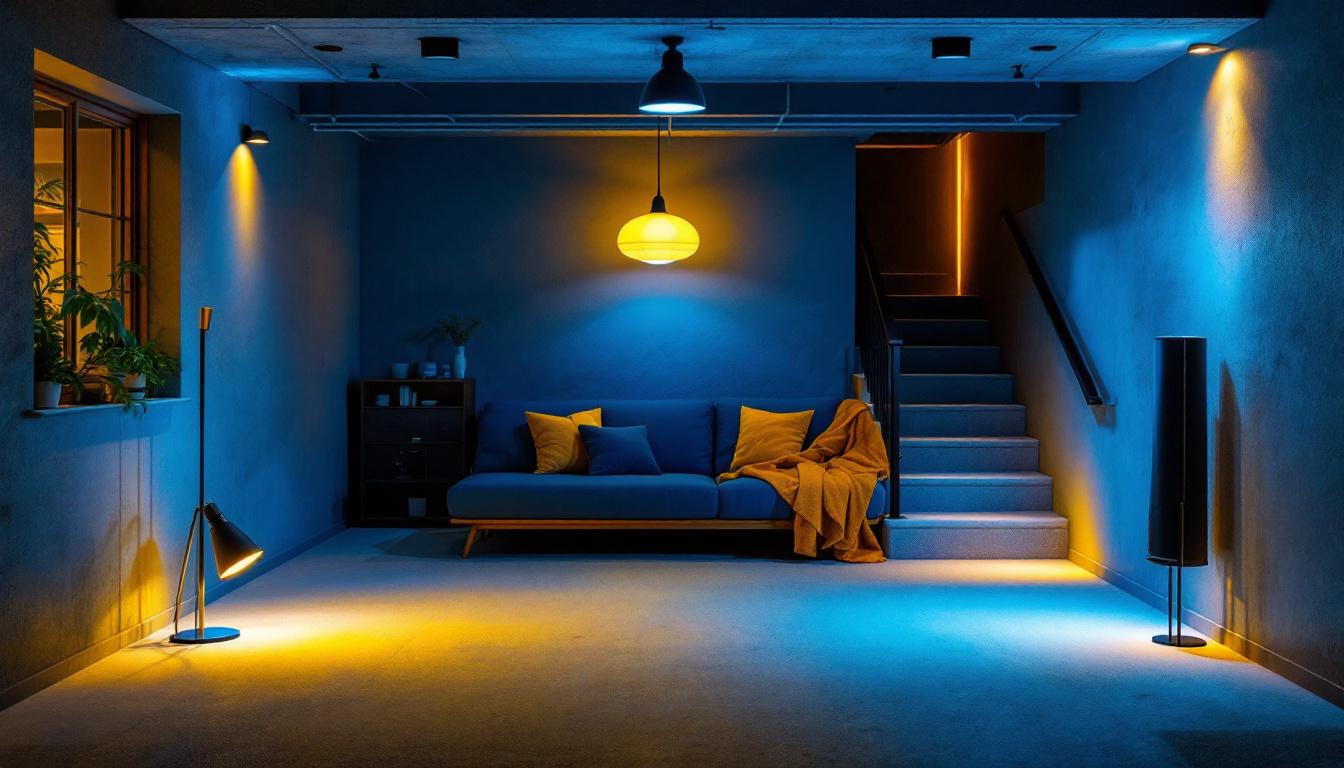
Basements are often underutilized spaces in homes, primarily due to their lack of natural light and poor illumination. However, with the right lighting solutions, these areas can be transformed into functional and inviting environments. For lighting contractors, understanding the nuances of basement lighting is essential for delivering quality service and ensuring client satisfaction.
Good lighting can enhance the aesthetics of a basement, making it more appealing for various uses, such as entertainment rooms, home offices, or additional living spaces. This not only increases the value of the property but also improves the overall quality of life for its inhabitants. A well-lit basement can become a versatile area for family gatherings, movie nights, or even a peaceful retreat for reading and relaxation, showcasing the potential that these often-neglected spaces hold.
Challenges in Basement Lighting
Lighting contractors face unique challenges when it comes to illuminating unfinished basements. These challenges include limited ceiling height, the presence of structural elements, and the need for flexibility in design. Each of these factors can complicate the installation process and influence the choice of lighting fixtures.
Moreover, unfinished basements often lack the necessary electrical infrastructure, which can lead to additional work for contractors. Addressing these challenges effectively requires a deep understanding of lighting design principles and a creative approach to problem-solving. For example, contractors might need to install new wiring or incorporate battery-operated lights in areas where running electrical lines is impractical. Additionally, the use of mirrors and light-colored paint can help to reflect light and create an illusion of a larger, brighter space, making it feel more open and inviting.
Types of Lighting Solutions
When it comes to basement lighting, contractors can choose from a variety of solutions. Ambient lighting, task lighting, and accent lighting all play crucial roles in creating a well-lit space. Ambient lighting serves as the primary source of illumination, while task lighting focuses on specific areas where activities will take place. Accent lighting, on the other hand, highlights architectural features or decor, adding depth and interest to the space.
For unfinished basements, a combination of these lighting types can be particularly effective. For instance, recessed lighting can provide a seamless ambient glow, while pendant lights or track lighting can serve as task lighting for work areas or recreational spaces. In addition to these options, LED strip lights can be used creatively along shelves or under cabinets, providing both functional and decorative illumination. This versatility allows homeowners to customize their basement lighting to suit their unique needs and preferences, ensuring that the space is not only well-lit but also reflects their personal style.
Design Considerations for Basement Lighting
Effective basement lighting design goes beyond merely installing fixtures. It involves a thoughtful approach that considers the layout, purpose, and aesthetics of the space. Lighting contractors must take into account the specific needs of their clients and the intended use of the basement.
Assessing the Space
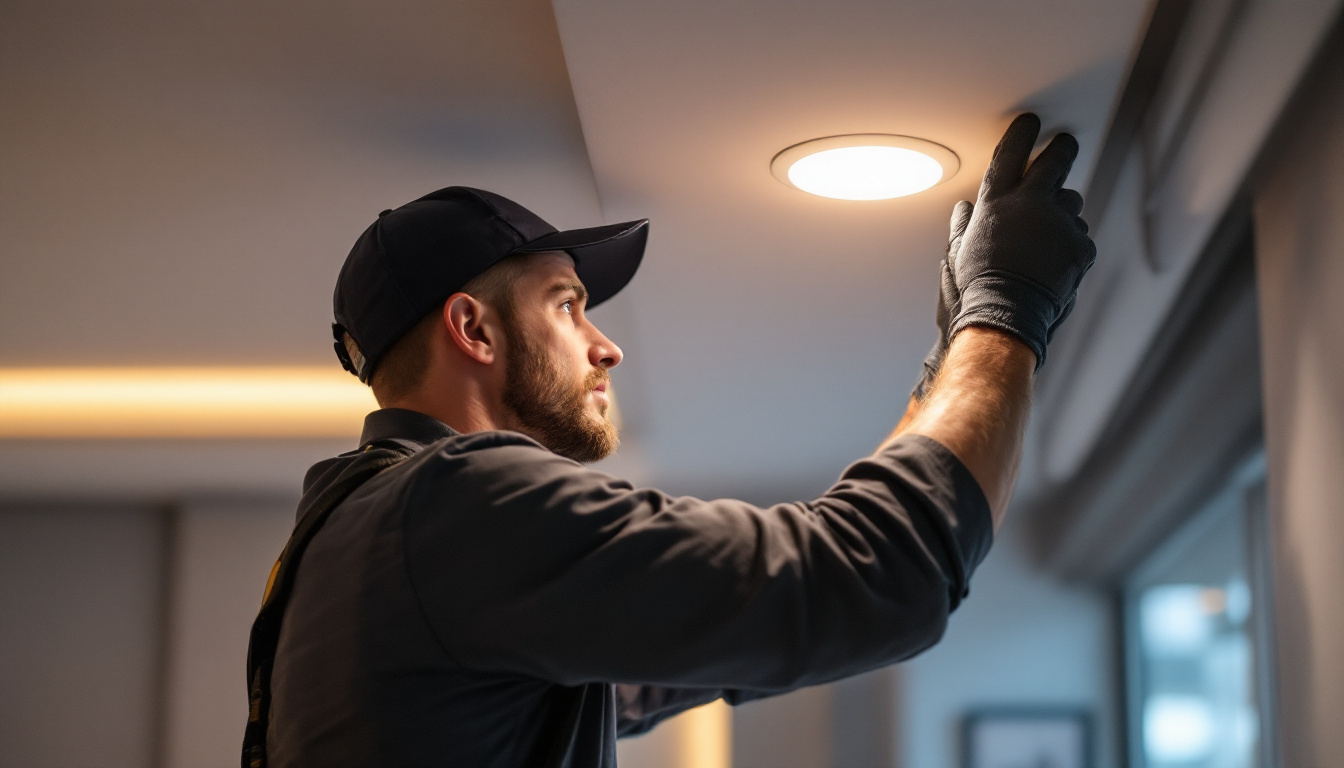
Before proceeding with any lighting installation, contractors should conduct a thorough assessment of the basement space. This includes measuring the dimensions, understanding the existing electrical setup, and identifying any potential obstructions that may affect the lighting design.
Additionally, contractors should consider the color scheme and decor of the basement. Lighter colors can help reflect light and create a more open feel, while darker colors may absorb light and necessitate the use of more powerful fixtures. The choice of materials, such as flooring and wall finishes, can also influence how light interacts within the space. For instance, glossy surfaces can enhance brightness, while matte finishes may require more strategic lighting placements to achieve the desired effect.
Layering Light for Maximum Effect
Layering light is a fundamental principle in lighting design, and it is especially important in basements. By combining different types of lighting, contractors can create a balanced and inviting atmosphere. For example, using recessed lights for ambient lighting, paired with stylish wall sconces for accent lighting, can create a warm and welcoming environment.
Moreover, incorporating dimmers can provide flexibility, allowing homeowners to adjust the brightness according to their needs or mood. This adaptability is particularly valuable in multi-functional spaces where different activities may require varying levels of illumination. In addition to ambient and accent lighting, task lighting should not be overlooked. For areas designated for work or hobbies, such as a home office or craft area, focused task lighting can enhance functionality and reduce eye strain, ensuring that the space is not only beautiful but also practical.
Furthermore, incorporating smart lighting technology can elevate the basement experience. Smart bulbs and fixtures can be programmed to change color temperature or brightness based on the time of day or specific activities, providing an effortless transition from a bright, energetic workspace to a cozy, relaxing retreat in the evening. This level of customization not only enhances the usability of the basement but also adds a modern touch that aligns with contemporary living trends.
Energy Efficiency in Basement Lighting
As energy costs continue to rise, homeowners are increasingly seeking energy-efficient lighting solutions. Lighting contractors can play a significant role in guiding their clients toward sustainable options that not only reduce energy consumption but also lower utility bills.
Choosing the Right Fixtures
LED lighting has become a popular choice for basement applications due to its energy efficiency and long lifespan. Unlike traditional incandescent bulbs, LEDs consume significantly less energy and produce less heat, making them a safer option for enclosed spaces like basements.
Contractors should also consider fixtures that are designed for energy efficiency, such as those with built-in sensors or smart technology. These features can help homeowners manage their energy use more effectively, contributing to a more sustainable living environment.
Incorporating Natural Light
Whenever possible, lighting contractors should explore options for incorporating natural light into basement spaces. This could involve installing larger windows, using light tubes, or even creating openings that allow light to filter in from above. Natural light not only enhances the aesthetic appeal of a basement but also contributes to the overall well-being of its occupants.
Safety and Compliance in Basement Lighting
Safety is a paramount concern when it comes to basement lighting. Contractors must ensure that all installations comply with local building codes and regulations. This includes adhering to guidelines for electrical work, as basements can be prone to moisture and other hazards.
Moisture Considerations
Basements are often susceptible to dampness, which can pose risks to both the fixtures and the overall electrical system. Contractors should choose moisture-resistant fixtures and ensure that all wiring is properly insulated and protected from potential water exposure.
Additionally, it is essential to install GFCI (Ground Fault Circuit Interrupter) outlets in basements to prevent electrical shock hazards. These safety measures not only protect the homeowners but also enhance the contractor’s reputation for quality and safety.
Emergency Lighting Solutions
In the event of a power outage, having an emergency lighting plan in place is crucial. Contractors should discuss options for emergency lighting systems with their clients, ensuring that basements remain safe and navigable during emergencies. This could involve battery-powered lights or backup generators that provide illumination when needed most.
Trends in Basement Lighting
The world of lighting design is constantly evolving, and staying abreast of the latest trends can give contractors a competitive edge. Understanding current preferences and innovations can help contractors offer clients the most appealing and functional solutions.
Smart Lighting Technology
Smart lighting technology has gained significant traction in recent years. Homeowners are increasingly interested in controlling their lighting through smartphones or voice-activated devices. Contractors can enhance their service offerings by incorporating smart lighting solutions that allow for remote control, scheduling, and customization of lighting settings.
These systems can also integrate with home automation platforms, providing a seamless experience for homeowners who wish to manage their entire living environment from a single interface.
Minimalist and Industrial Designs
Minimalist and industrial design aesthetics have become popular choices for basement spaces. Clean lines, exposed fixtures, and a focus on functionality are key elements of these styles. Contractors can capitalize on this trend by offering lighting solutions that complement these design philosophies, such as sleek pendant lights or industrial-style track lighting.
Client Education and Engagement
Educating clients about their lighting options is an essential part of the contractor’s role. By providing valuable information and engaging clients in the decision-making process, contractors can build trust and foster long-term relationships.
Consultative Approach
A consultative approach involves actively listening to clients’ needs and preferences while offering expert advice. Contractors should take the time to understand how clients plan to use their basement spaces and what atmosphere they wish to create. This collaborative process can lead to more satisfactory outcomes and increased client loyalty.
Additionally, providing clients with visual aids, such as mood boards or lighting simulations, can help them envision the final result. This not only enhances the decision-making process but also empowers clients to feel more involved in their project.
Post-Installation Support
After the installation is complete, contractors should not consider their job done. Providing ongoing support and maintenance options can set a contractor apart from the competition. This may include offering follow-up consultations, troubleshooting assistance, or even routine maintenance checks to ensure that the lighting continues to perform optimally.
Conclusion
In the realm of lighting contracting, basement lighting presents both challenges and opportunities. By understanding the unique requirements of unfinished basements and employing effective design strategies, contractors can elevate their service offerings and enhance client satisfaction. From energy-efficient solutions to safety compliance and the latest design trends, lighting contractors have the tools to transform basements into well-lit, functional spaces.
Ultimately, successful basement lighting is about more than just fixtures; it’s about creating an environment that meets the needs of homeowners while adhering to safety standards and embracing innovative technologies. By prioritizing education, collaboration, and ongoing support, lighting contractors can ensure their success in this evolving market.
Illuminate Your Projects with LumenWholesale
Ready to take your basement lighting projects to the next level? At LumenWholesale, we provide lighting contractors like you with the highest quality, spec-grade lighting products at prices that can’t be beaten. Say goodbye to local distributor markups and hello to a vast selection of reliable, high-performance lighting that meets the most rigorous industry standards. Plus, with free shipping on bulk orders, you can stock up on premium lighting solutions without worrying about hidden fees or compromises. Elevate your service offerings with the perfect blend of quality, affordability, and convenience at LumenWholesale. Wholesale Lighting at the Best Value is just a click away.