Understanding Architectural Lighting: More Than Just Illumination
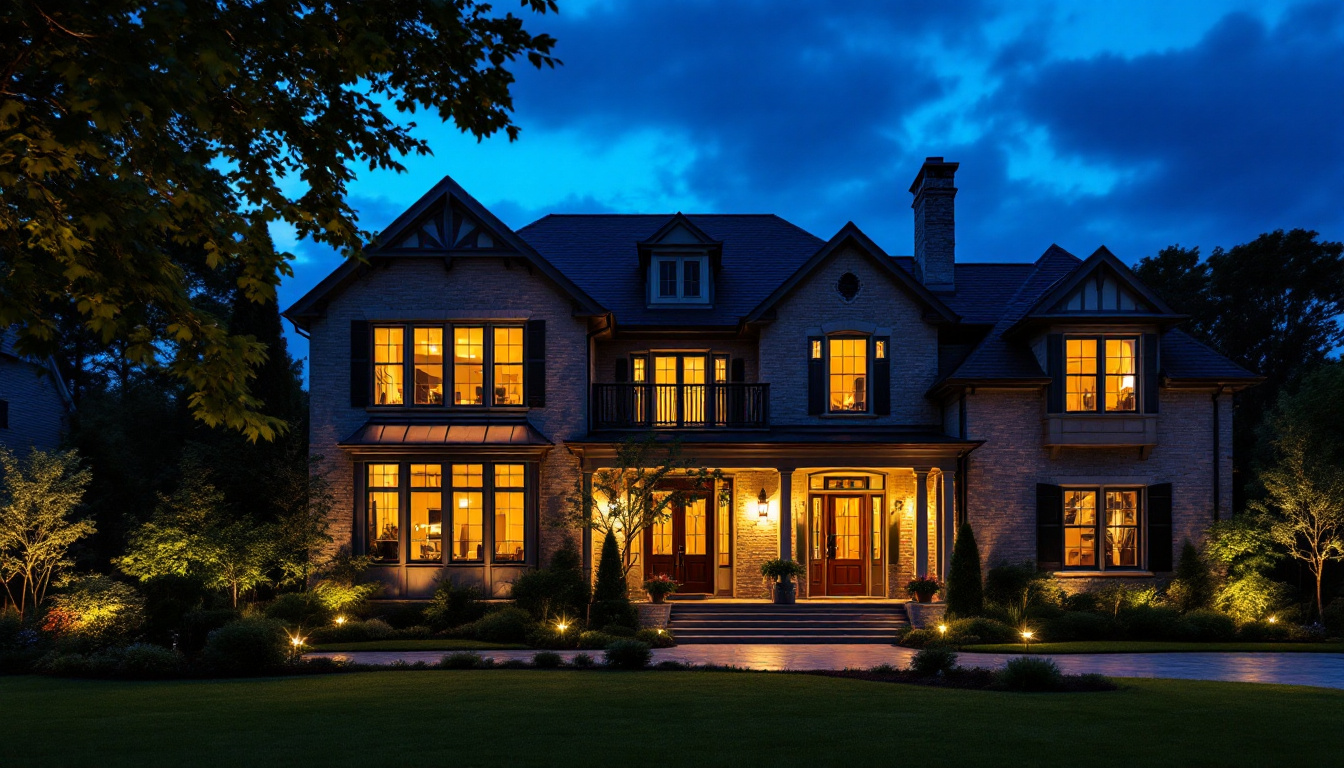
Architectural lighting is a specialized field that goes beyond simply brightening a space. It’s about enhancing the structure’s form, highlighting textures, and creating moods that complement the design intent. For lighting contractors, mastering this art means balancing technical precision with creative vision.
Unlike standard lighting installations, architectural lighting requires a deep understanding of how light interacts with materials and space. This includes considering shadows, reflections, and color temperature to bring out the best in a building’s architecture. Every fixture, angle, and lumen count plays a critical role in achieving the desired effect. The careful selection of lighting types—such as ambient, task, and accent lighting—can dramatically transform a space, making it not only functional but also visually stunning.
The Role of Lighting Contractors in Architectural Projects
Lighting contractors are the bridge between design concepts and functional reality. They interpret architectural plans and lighting designs, ensuring that installations meet both aesthetic and regulatory standards. This requires technical expertise in electrical systems, lighting controls, and fixture placement, as well as strong communication skills to coordinate with architects, designers, and clients.
Successful projects depend on a contractor’s ability to foresee potential challenges—like glare, uneven illumination, or energy inefficiency—and proactively address them. This proactive approach not only improves the quality of the lighting but also enhances client satisfaction and project reputation. Furthermore, staying updated with the latest advancements in LED technology and smart lighting systems allows contractors to offer innovative solutions that are both energy-efficient and environmentally friendly. By integrating these modern technologies, they can create dynamic lighting environments that adapt to the needs of the occupants, enhancing both comfort and functionality.
In addition to technical skills, lighting contractors must also possess a keen artistic sensibility. They often collaborate closely with interior designers to ensure that the lighting complements furniture, artwork, and architectural features. This collaboration can lead to unique lighting designs that tell a story or evoke a specific atmosphere, making each project distinct. For instance, in a gallery setting, the lighting must be meticulously designed to showcase artwork without causing damage, while in a hospitality environment, it should create a warm and inviting ambiance that encourages social interaction.
Key Types of Architectural Lighting and Their Applications
Architectural lighting can be categorized into several types, each serving a distinct purpose. Understanding these categories helps contractors recommend the right solutions and execute installations that align with design goals.
Ambient Lighting
Ambient lighting provides general illumination, creating a comfortable level of brightness throughout a space. It sets the foundation upon which other lighting layers build. For architectural projects, ambient lighting often involves recessed fixtures, wall sconces, or indirect cove lighting that evenly distributes light without harsh shadows.
Lighting contractors must ensure ambient lighting is energy-efficient and complies with local codes. Using LED technology with dimmable controls allows for flexibility, adapting the ambiance to different times of day or activities. Additionally, integrating smart lighting systems can enhance user experience, allowing occupants to customize their environment through mobile apps or voice commands. This adaptability not only improves comfort but also contributes to energy savings, as users can adjust lighting based on their needs and preferences.
Accent Lighting
Accent lighting highlights specific architectural features such as columns, textured walls, or artwork. It adds depth and drama, drawing attention to focal points. Spotlights, track lighting, and wall washers are common fixtures used for accent purposes.
Precision is key here. Contractors need to position fixtures carefully to avoid glare or unwanted shadows. The color rendering index (CRI) of the light source is also critical, especially when illuminating artwork or natural materials, to ensure colors appear vibrant and true. Furthermore, accent lighting can be creatively employed to enhance the narrative of a space, guiding visitors through a building by illuminating pathways or emphasizing transitions between different areas. This strategic use of light can transform a mundane corridor into an inviting journey, making the architectural experience more engaging.
Task Lighting
Task lighting focuses on illuminating areas where specific activities occur, like reading, cooking, or working. In architectural projects, this often means under-cabinet lights, pendant fixtures over workstations, or adjustable desk lamps integrated into the design.
Contractors should collaborate with designers and end-users to understand the functional needs of each space. Proper task lighting enhances usability and comfort, reducing eye strain and increasing productivity. Moreover, incorporating adjustable features into task lighting—such as dimmers or movable arms—can further enhance its effectiveness, allowing users to tailor the light intensity and direction to suit their specific tasks. This adaptability not only improves the functionality of the space but also contributes to a more personalized and enjoyable user experience.
Decorative Lighting
Decorative lighting serves both functional and aesthetic purposes. It includes chandeliers, pendant lights, and sculptural fixtures that contribute to the overall design theme. While these fixtures provide illumination, their primary role is to add character and style.
Lighting contractors must balance the decorative appeal with practical considerations such as weight, mounting requirements, and electrical compatibility. Ensuring safe and secure installation is paramount. Additionally, the choice of materials and finishes for decorative fixtures can significantly influence the overall atmosphere of a space. For instance, a sleek, modern pendant made of polished metal can create a contemporary vibe, while a vintage-inspired chandelier with intricate glasswork can evoke a sense of nostalgia and elegance. By thoughtfully selecting decorative lighting, contractors can help to reinforce the design narrative, creating spaces that resonate with the intended aesthetic and emotional impact.
Choosing the Right Fixtures and Technologies
Selecting appropriate fixtures and lighting technologies is crucial for architectural lighting success. Contractors must stay current with innovations while considering project-specific factors like budget, energy efficiency, and maintenance.
LED Lighting: The Industry Standard
LEDs have revolutionized architectural lighting with their longevity, energy efficiency, and versatility. They offer a wide range of color temperatures and dimming capabilities, making them ideal for layered lighting designs.
For contractors, working with LED fixtures means understanding driver compatibility, heat dissipation, and potential flicker issues. Proper installation ensures optimal performance and client satisfaction.
Smart Lighting Controls
Integrating smart controls enhances the functionality of architectural lighting. Systems can include occupancy sensors, daylight harvesting, and programmable scenes that adjust lighting based on use or time of day.
Lighting contractors should be proficient in installing and programming these controls, ensuring seamless operation. This not only improves energy management but also adds value to the project by offering customizable user experiences.
Material and Finish Considerations
Fixtures come in various materials and finishes that must complement the architectural style. For example, brushed metal finishes suit modern, industrial designs, while bronze or antique finishes align with traditional aesthetics.
Contractors should collaborate with designers to select fixtures that enhance the space visually while meeting durability and maintenance requirements, especially in outdoor or high-traffic areas.
Installation Best Practices for Lighting Contractors
Precision and attention to detail during installation can make or break an architectural lighting project. Contractors must follow best practices to ensure safety, functionality, and design integrity.
Pre-Installation Planning
Thorough planning includes reviewing architectural drawings, lighting layouts, and electrical schematics. Contractors should verify fixture specifications, mounting heights, and wiring paths before starting work.
Coordination with other trades-such as electricians, carpenters, and HVAC technicians-is essential to avoid conflicts and delays. Early site visits help identify potential issues like limited access or structural constraints.
Accurate Fixture Placement and Alignment
Precise positioning of fixtures is critical for achieving the intended lighting effects. Contractors should use laser levels, measuring tools, and templates to ensure alignment with architectural features.
Adjustments may be necessary on-site to account for unexpected variables, such as ceiling irregularities or obstructions. Documenting these changes helps maintain transparency with clients and designers.
Wiring and Electrical Safety
Compliance with local electrical codes and standards is non-negotiable. Contractors must use appropriate wiring methods, grounding, and circuit protection to ensure safety and reliability.
Testing circuits and verifying connections before finalizing installation prevents future issues. Proper labeling and documentation also facilitate maintenance and troubleshooting.
Commissioning and Quality Assurance
Once installed, lighting systems should be thoroughly tested for functionality, including dimming, color accuracy, and control responsiveness. Contractors should walk through the space with clients and designers to confirm satisfaction.
Providing detailed operation manuals and maintenance guidelines adds professionalism and supports long-term performance.
Common Challenges and How to Overcome Them
Architectural lighting projects often present unique challenges. Experienced contractors anticipate these and apply solutions that maintain project quality and timelines.
Dealing with Glare and Light Pollution
Glare can detract from the visual experience and cause discomfort. Proper fixture selection, shielding, and aiming reduce glare. Using diffusers and adjusting beam angles also helps control light spill.
Outdoor architectural lighting should minimize light pollution by directing light downward and using timers or sensors to limit operation during off-hours.
Balancing Energy Efficiency with Design Goals
Energy codes and sustainability goals require efficient lighting solutions. Contractors must balance these demands with design aesthetics, often by selecting high-quality LEDs and advanced controls.
Educating clients on the benefits of energy-efficient systems encourages acceptance of upfront costs for long-term savings.
Managing Complex Control Systems
Smart lighting controls can be complex to install and program. Contractors should invest time in training and stay updated on evolving technologies.
Clear documentation and client training ensure smooth operation and reduce service calls.
Staying Ahead: Trends Lighting Contractors Should Watch
Keeping pace with industry trends enhances a contractor’s competitive edge and expands service offerings.
Human-Centric Lighting
This approach tailors lighting to support human health and well-being, adjusting color temperature and intensity throughout the day to mimic natural light cycles. It’s gaining traction in offices, healthcare, and residential projects.
Contractors familiar with tunable white LEDs and advanced controls can offer solutions that improve occupant comfort and productivity.
Integration with Building Automation Systems
Lighting is increasingly integrated into broader building automation, linking with HVAC, security, and shading systems. This holistic approach optimizes energy use and enhances user experience.
Contractors who understand these integrations can provide more comprehensive and innovative solutions.
Sustainable and Recyclable Materials
Clients are demanding environmentally responsible products. Fixtures made from recyclable materials and designed for easy disassembly are becoming standard.
Contractors should source eco-friendly products and highlight these features during project proposals.
Conclusion: Mastering Architectural Lighting as a Contractor
Architectural lighting is a complex but rewarding field that demands both technical skill and creative insight. Lighting contractors who understand the nuances of different lighting types, stay current with technologies, and execute installations with precision will consistently deliver outstanding results.
Building strong relationships with designers and clients, anticipating challenges, and embracing innovation are key to success. This guide serves as a foundation for contractors aiming to elevate their expertise and reputation in architectural lighting projects.
Illuminate Your Projects with LumenWholesale
Ready to bring your architectural lighting projects to the next level? At LumenWholesale, we provide you with the high-quality, spec-grade lighting products you need to shine. Our unbeatable wholesale prices mean you can light up your spaces without the burden of inflated costs. With our extensive selection that meets rigorous industry standards, you’re guaranteed to find the reliable, high-performance lighting solutions your projects deserve. Plus, with the convenience of free shipping on bulk orders, you can enjoy premium lighting at the best value — all without hidden fees or compromises. Elevate your expertise and reputation in architectural lighting today with Wholesale Lighting at the Best Value from LumenWholesale.