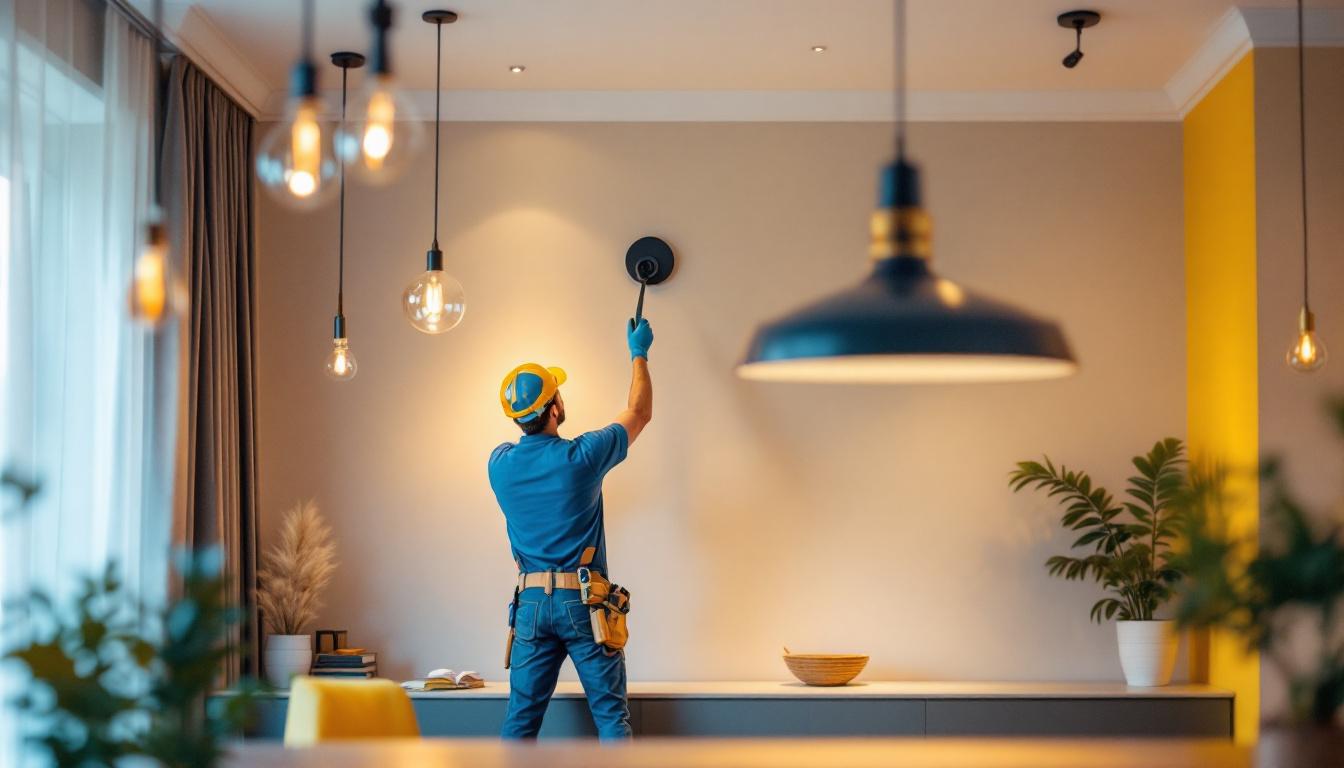
Understanding Antique Fluorescent Light Fixtures
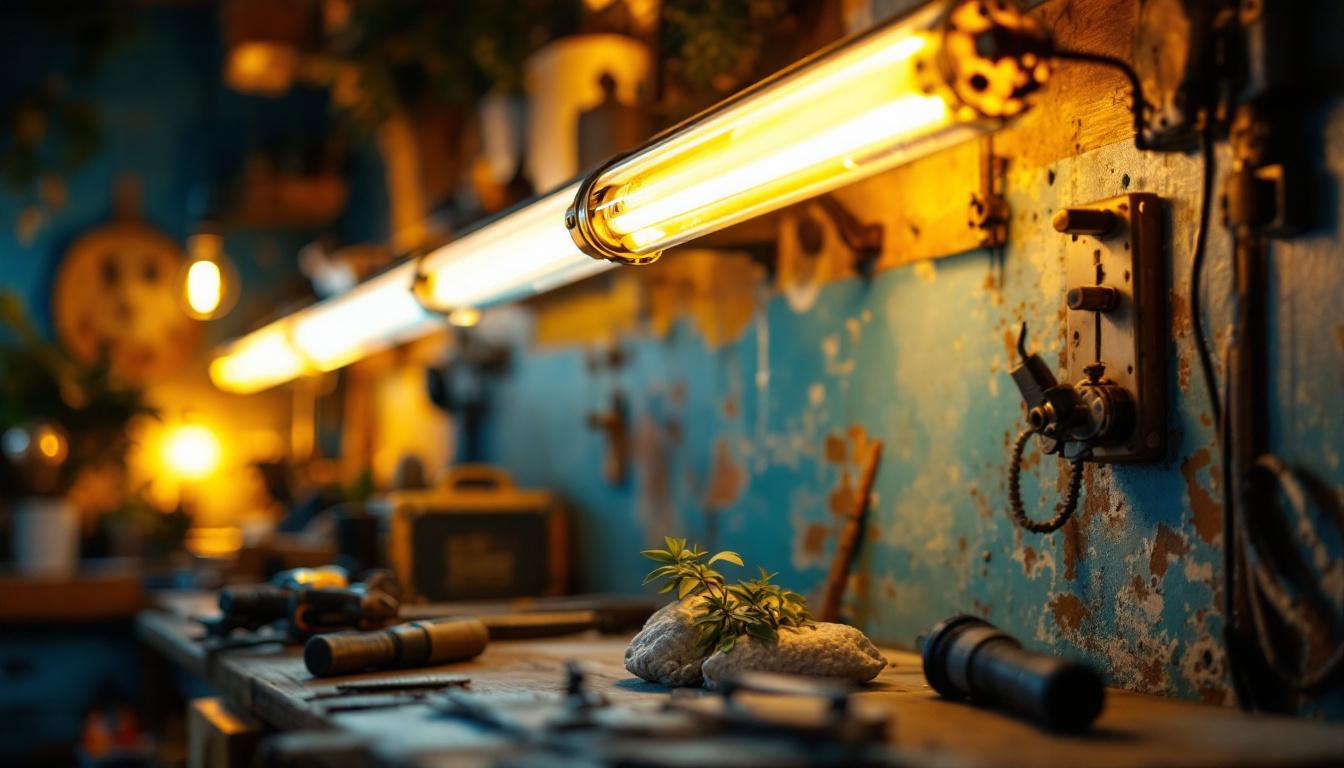
Antique fluorescent light fixtures offer a unique blend of historical charm and functional lighting, making them a sought-after element in both restoration projects and modern interior design. For lighting contractors, working with these fixtures requires a thorough understanding of their construction, electrical components, and aesthetic value. Unlike contemporary fluorescent fixtures, antique models often feature distinct materials such as brass, porcelain, or early plastics, and incorporate design elements reflective of the era in which they were produced.
These fixtures were originally designed during a period when fluorescent technology was still evolving, which means their electrical and mechanical components can differ significantly from modern standards. This variability presents both challenges and opportunities for contractors tasked with installation, repair, or retrofitting. A deep knowledge of these differences is essential to ensure safety, functionality, and preservation of the fixture’s historical integrity.
Historical Context and Design Characteristics
Fluorescent lighting became popular in commercial and industrial settings due to its energy efficiency and longer lifespan compared to incandescent bulbs. Early fluorescent fixtures, dating back several decades, often featured robust metal housings and exposed tubes that emphasized durability and utility. Over time, manufacturers began incorporating more decorative elements, resulting in fixtures that are now considered collectible antiques.
Recognizing the design characteristics of antique fluorescent fixtures can help contractors identify the period and manufacturer, which is beneficial when sourcing replacement parts or advising clients on restoration options. Common features include tubular glass bulbs with specific pin configurations, ballasts that predate electronic versions, and unique mounting hardware that may not be compatible with modern electrical boxes.
Moreover, the aesthetic appeal of these fixtures is often enhanced by intricate detailing and craftsmanship that reflect the design trends of their time. For instance, Art Deco fixtures might showcase geometric patterns and bold colors, while Mid-Century Modern designs often emphasize sleek lines and minimalistic forms. This rich variety not only adds character to spaces but also serves as a conversation starter, allowing homeowners and designers to weave stories of the past into their contemporary settings. Collectors and enthusiasts often seek out these fixtures not just for their functionality but for their ability to evoke nostalgia and appreciation for the craftsmanship of yesteryear.
In addition to their visual appeal, antique fluorescent fixtures can also be a sustainable choice for modern renovations. By restoring and repurposing these fixtures, contractors can contribute to reducing waste and preserving historical artifacts. This practice aligns with a growing trend towards sustainability in design, where the emphasis is on reusing and revitalizing existing materials rather than opting for new, mass-produced items. As a result, antique fluorescent fixtures not only illuminate spaces but also illuminate the path towards a more environmentally conscious approach to interior design.
Key Considerations for Lighting Contractors
When working with antique fluorescent light fixtures, contractors must balance preservation with modern safety standards. This involves careful evaluation of the fixture’s condition, electrical components, and installation environment.
Assessment and Safety Evaluation
Before installation or restoration, a comprehensive assessment of the fixture is crucial. This includes inspecting the wiring for signs of wear, corrosion, or outdated insulation materials that could pose fire hazards. Many antique fixtures were wired with cloth-covered or rubber insulation, which deteriorates over time and is no longer compliant with electrical codes.
Contractors should also test the ballast, which in older fixtures may be magnetic and contain hazardous materials like PCBs (polychlorinated biphenyls). Identifying such components early on allows for safe removal or replacement with modern, energy-efficient electronic ballasts that fit within the original housing. Furthermore, it is essential to document the condition of the fixture and any modifications made during the restoration process. This documentation can be invaluable for future maintenance and for preserving the historical integrity of the fixture.
Compatibility with Modern Electrical Systems
One of the main challenges when installing antique fluorescent fixtures is ensuring compatibility with current electrical systems. Voltage and wiring standards have evolved, so contractors must verify that the fixture’s electrical requirements align with the building’s supply. In some cases, rewiring or upgrading components is necessary to meet local electrical codes and ensure reliable operation.
Additionally, many antique fixtures were designed for T12 or T8 fluorescent tubes, which are less common today. Contractors may need to source compatible bulbs or retrofit the fixture to accommodate modern T8 or T5 tubes, balancing energy efficiency with aesthetic preservation. It is also worth considering the impact of LED technology, which offers a longer lifespan and lower energy consumption. Some contractors have successfully integrated LED retrofits into antique fixtures, allowing for a blend of historical charm and modern efficiency without compromising the fixture’s original design.
Restoration and Retrofit Techniques
Restoring antique fluorescent light fixtures requires a combination of technical skill and respect for the fixture’s historical value. Contractors should approach restoration with the goal of maintaining the original appearance while upgrading internal components for safety and performance. This delicate balance ensures that the charm and character of the fixture are preserved while also making it functional for modern use.
Cleaning and Surface Restoration
Cleaning antique fixtures involves removing accumulated dirt, rust, and oxidation without damaging delicate finishes. Non-abrasive cleaners and gentle polishing techniques are recommended to preserve patina and original paintwork. For metal parts, contractors may use specialized rust removers or protective coatings to prevent further corrosion. It’s important to note that the choice of cleaning agents can significantly impact the longevity of the fixture, so using pH-neutral solutions is advisable to avoid chemical reactions that could harm the finish.
Glass components, such as diffusers or tubes, should be handled with care to avoid breakage. Replacement glass may be necessary if originals are cracked or missing, and contractors should seek historically accurate reproductions to maintain authenticity. Additionally, careful consideration should be given to the type of glass used; for instance, vintage glass often has unique textures or patterns that contribute to the fixture’s overall aesthetic. Sourcing these materials can involve reaching out to specialty glass suppliers or artisans who focus on historical reproductions, ensuring that the restoration remains true to its original design.
Electrical Component Upgrades
Replacing obsolete ballasts with modern electronic versions is a common retrofit that improves energy efficiency and reduces flickering or humming. Contractors must select ballasts compatible with the fixture’s size and tube type, ensuring proper fit and electrical connections. This upgrade not only enhances performance but also aligns the fixture with contemporary energy standards, making it a more sustainable choice for lighting.
Rewiring with modern insulation and connectors is essential for safety and code compliance. Using wire colors and gauges that meet current standards helps prevent confusion during future maintenance and reduces the risk of electrical faults. Furthermore, integrating smart technology options, such as dimmers or motion sensors, can provide additional functionality while preserving the vintage look of the fixture. These enhancements allow antique fixtures to seamlessly blend into modern environments, offering both historical charm and contemporary convenience, making them a versatile choice for various settings, from residential homes to commercial spaces.
Practical Tips for Installation and Maintenance
Successful installation and ongoing maintenance of antique fluorescent fixtures require attention to detail and adherence to best practices.
Mounting and Support
Antique fixtures may have unique mounting brackets or hardware that do not align with modern electrical boxes. Contractors should assess the structural integrity of mounting points and, if necessary, fabricate custom supports that secure the fixture safely without altering its appearance.
Ensuring that the fixture is level and properly aligned enhances both aesthetics and light distribution. Using appropriate anchors and fasteners that accommodate the fixture’s weight is critical to prevent damage or accidents. It is also advisable to consider the historical context of the fixture; understanding its original installation methods can provide insights into the best practices for securing it in a contemporary setting. For instance, some antique fixtures may have been designed to hang from chains or cables, which could influence the choice of mounting hardware and support systems.
Routine Maintenance and Troubleshooting
Regular inspection of antique fluorescent fixtures helps identify issues before they become serious problems. Contractors should advise clients to check for signs of flickering, dimming, or unusual noises, which may indicate ballast failure or wiring issues.
Replacing fluorescent tubes with compatible, high-quality bulbs extends fixture life and maintains optimal light output. Additionally, cleaning diffusers and reflectors periodically ensures that light distribution remains consistent and effective. It is important to use non-abrasive cleaners and soft cloths to avoid scratching the surfaces of these delicate components. Furthermore, clients should be educated about the importance of maintaining the electrical components, such as checking for loose connections or signs of corrosion, which can compromise the fixture’s performance and safety. Keeping a log of maintenance activities can also help track the fixture’s condition over time, making it easier to spot recurring issues and plan for future repairs or restorations.
Conclusion: The Value of Expertise in Antique Fluorescent Lighting
For lighting contractors, working with antique fluorescent light fixtures presents a rewarding opportunity to blend craftsmanship with technical knowledge. These fixtures not only illuminate spaces but also serve as historical artifacts that enhance architectural character. Mastery of assessment, restoration, and installation techniques ensures that these fixtures can continue to function safely and beautifully in modern environments.
By prioritizing safety, respecting original design elements, and applying modern electrical standards, contractors can deliver exceptional results that satisfy both aesthetic and functional demands. As interest in vintage and antique lighting continues to grow, expertise in this niche area positions contractors as valuable partners in preservation and innovation within the lighting industry.
Illuminate Your Projects with LumenWholesale
Ready to elevate your lighting projects with the perfect fusion of vintage charm and modern efficiency? At LumenWholesale, we specialize in providing lighting contractors with high-quality, spec-grade lighting solutions at unbeatable wholesale prices. Our extensive selection is designed to meet the highest industry standards, ensuring you have access to reliable and high-performance lighting for every restoration or installation. Plus, with free shipping on bulk orders, you can stock up on premium lighting without the worry of hidden fees. Don’t compromise on quality or value—visit LumenWholesale today and discover the best in wholesale lighting at the best value for your next project.