In the evolving world of interior design and architectural lighting, LED lights have become a staple for both residential and commercial spaces. Their versatility, energy efficiency, and aesthetic appeal make them a favorite choice among lighting contractors. However, effectively incorporating LED lights on walls requires a deep understanding of various factors, including design principles, installation techniques, and the latest trends. This article aims to provide lighting contractors with essential tips and insights to master the art of wall-mounted LED lighting.
Understanding LED Technology
Before diving into installation techniques and design considerations, it’s crucial for lighting contractors to have a solid grasp of LED technology. Understanding how LEDs work can significantly enhance the quality of installations and client satisfaction.
What are LEDs?
Light Emitting Diodes (LEDs) are semiconductor devices that emit light when an electric current passes through them. Unlike traditional incandescent bulbs, which produce light through heat, LEDs are more efficient and have a longer lifespan. This efficiency translates into lower energy costs and reduced environmental impact, making them an attractive option for clients.
Benefits of Using LEDs
One of the most compelling reasons to use LED lights is their energy efficiency. LEDs consume significantly less power than conventional lighting options, leading to substantial savings on electricity bills. Additionally, their longevity—often lasting up to 25,000 hours or more—means less frequent replacements, which is a significant advantage for both contractors and clients.
Moreover, LEDs offer a wide range of color temperatures and brightness levels, allowing for versatile design options. They can create various moods and atmospheres, from warm and inviting to cool and modern, making them suitable for various settings. This adaptability is particularly beneficial in commercial environments, where the lighting needs may change throughout the day or for different events. For instance, a retail store can use cooler, brighter LEDs during peak shopping hours to enhance visibility and attract customers, while switching to warmer tones in the evening to create a more relaxed shopping experience.
Another noteworthy benefit of LEDs is their durability. Unlike traditional bulbs that can easily break, LEDs are solid-state lights, meaning they are more resistant to shocks, vibrations, and external impacts. This makes them ideal for both indoor and outdoor applications, including areas prone to rough handling or fluctuating weather conditions. Furthermore, LEDs emit very little heat compared to incandescent bulbs, reducing the risk of burns or fire hazards, making them a safer choice for homes and businesses alike. As technology continues to advance, the integration of smart controls with LED systems is becoming increasingly popular, allowing users to customize lighting settings remotely, further enhancing energy savings and convenience.
Design Principles for Wall-Mounted LEDs
Designing with LED lights involves more than just selecting the right fixtures. It requires a thoughtful approach to placement, intensity, and color to achieve the desired effect. Here are some key design principles to consider.
Layered Lighting
Layered lighting is a fundamental principle in creating a well-lit space. It involves combining different types of lighting—ambient, task, and accent—to enhance the overall aesthetic. When installing LED lights on walls, consider how they can complement other light sources in the room.
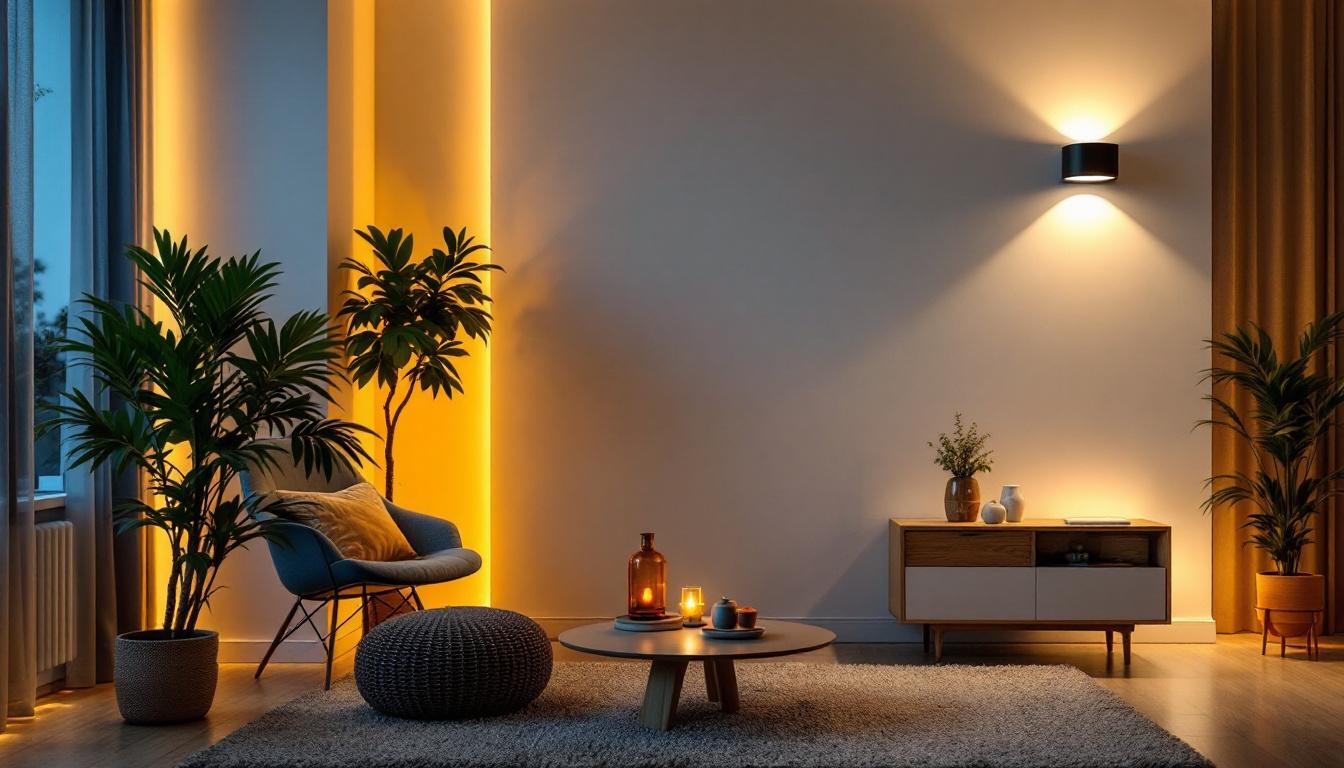
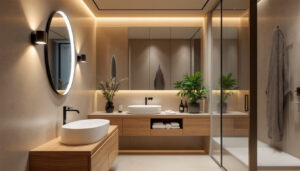
For instance, wall-mounted LEDs can serve as accent lighting, highlighting artwork or architectural features. By strategically placing these lights, contractors can create depth and interest, transforming a plain wall into a focal point. Additionally, incorporating dimmable options allows for versatility, enabling the lighting to adapt to various activities, from intimate gatherings to lively celebrations. This adaptability not only enhances functionality but also contributes to the overall ambiance, making the space feel more inviting and personalized.
Color Temperature and Mood
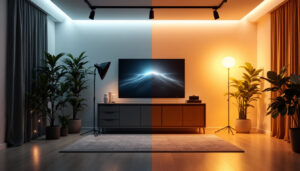
The color temperature of LED lights can significantly impact the mood of a space. Warmer tones (2700K-3000K) create a cozy and inviting atmosphere, ideal for residential settings. In contrast, cooler tones (4000K-5000K) are more suitable for commercial spaces, providing a clean and professional look.
Lighting contractors should discuss color temperature options with clients to ensure the selected LEDs align with their vision. Additionally, dimmable LED fixtures can offer flexibility, allowing users to adjust the mood according to their needs. Beyond just temperature, the use of colored LEDs can also be explored, providing an opportunity to infuse creativity into the design. For example, using RGB LED strips can allow for dynamic color changes, perfect for spaces that require a more playful or modern touch, such as game rooms or entertainment areas.
Placement and Spacing
Proper placement and spacing of wall-mounted LEDs are crucial for achieving an even distribution of light. A common mistake is to install fixtures too close together, leading to harsh shadows and uneven lighting. Instead, contractors should aim for a balanced layout that enhances the overall design.
As a general rule, spacing fixtures about 4 to 6 feet apart can create a harmonious look. However, this may vary depending on the wall’s height and the desired intensity of light. Always consider the room’s dimensions and the purpose of the lighting when planning the layout. Furthermore, the height at which the fixtures are mounted can also play a significant role; for instance, mounting lights higher can create a more dramatic effect, while lower placements can provide a more intimate feel. It’s essential to take into account the activities that will take place in the space and adjust the lighting accordingly to ensure both functionality and aesthetic appeal.
Installation Techniques
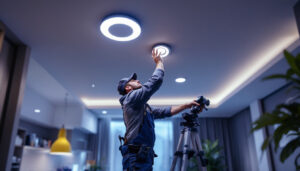
Once the design is finalized, the next step involves the installation of the LED lights. Proper installation is vital for ensuring safety, functionality, and aesthetic appeal. Here are some essential techniques to keep in mind.
Wiring and Electrical Considerations
Before installing wall-mounted LEDs, contractors must ensure that the electrical system can support the new fixtures. This may involve upgrading existing wiring or adding new circuits. It’s essential to adhere to local building codes and regulations to ensure safety and compliance.
Using low-voltage LED systems can simplify installation, as they require less wiring and can be powered by a transformer. This option is particularly useful for retrofitting existing spaces where traditional wiring may be challenging to modify.
Mounting Options
There are various mounting options for wall-mounted LED lights, including surface-mounted, recessed, and track lighting. Each option has its advantages and can be chosen based on the design aesthetic and functional requirements.
Surface-mounted fixtures are easy to install and can add a decorative element to the space. Recessed lights, on the other hand, provide a sleek and modern look, seamlessly integrating into the wall. Track lighting offers flexibility, allowing for adjustable positioning and direction of the light.
Testing and Adjustments
After installation, testing the LED lights is crucial to ensure they function correctly and meet the client’s expectations. This includes checking for proper brightness, color temperature, and even distribution of light. If adjustments are necessary, contractors should be prepared to reposition fixtures or modify settings to achieve the desired effect.
Trends in Wall-Mounted LED Lighting
The world of lighting design is constantly evolving, with new trends emerging regularly. Staying informed about the latest styles and technologies can help contractors offer innovative solutions to their clients.
Smart Lighting Solutions
Smart lighting technology has gained popularity in recent years, allowing users to control their lighting through mobile apps or voice commands. Integrating smart LED lights into wall installations can enhance convenience and energy efficiency.
Contractors should familiarize themselves with various smart lighting systems and how they can be incorporated into wall-mounted LED designs. This may involve installing compatible fixtures, setting up wireless connections, and ensuring users understand how to operate the system.
Minimalist Designs
Minimalism continues to be a dominant trend in interior design, emphasizing simplicity and functionality. Wall-mounted LED fixtures that feature clean lines and understated designs align perfectly with this aesthetic.
Contractors should consider offering clients minimalist options that blend seamlessly with the surrounding decor. This may include flush-mounted fixtures or LED strips that can be discreetly integrated into architectural elements.
Color-Changing LEDs
Color-changing LEDs allow users to customize their lighting experience, making them an exciting option for wall installations. These fixtures can shift between various colors, enabling users to set the mood for different occasions.
When recommending color-changing LEDs, contractors should discuss the potential applications with clients, such as creating vibrant atmospheres for parties or calming environments for relaxation. Understanding the client’s preferences will help tailor the lighting solution to their needs.
Maintenance and Troubleshooting
Even the best-installed LED lights may require maintenance or troubleshooting over time. Being proactive about these aspects can enhance client satisfaction and prolong the lifespan of the fixtures.
Regular Inspections
Encouraging clients to conduct regular inspections of their wall-mounted LED lights can help identify potential issues before they escalate. This includes checking for flickering, dimming, or color inconsistencies.
Contractors should provide clients with guidelines on what to look for and how to address minor issues. This proactive approach can foster trust and demonstrate a commitment to quality service.
Replacing LEDs
While LEDs are known for their longevity, they may eventually need replacement. Understanding the specific type of LED used in the installation is crucial for ensuring compatibility when replacements are necessary.
Contractors should maintain records of the installed fixtures, including specifications and warranty information, to facilitate future replacements. This practice can streamline the process and minimize downtime for clients.
Dealing with Common Issues
Common issues with wall-mounted LED lights may include flickering, buzzing sounds, or inconsistent brightness. Contractors should be equipped to troubleshoot these problems, which may involve checking connections, replacing drivers, or adjusting dimmer settings.
Providing clients with a basic understanding of these issues can empower them to address minor concerns independently, while also knowing when to seek professional assistance.
Conclusion
Mastering the art of wall-mounted LED lighting requires a combination of technical knowledge, design expertise, and an understanding of current trends. By focusing on the principles of layered lighting, proper installation techniques, and maintenance practices, lighting contractors can elevate their services and provide exceptional value to clients.
As the demand for energy-efficient and aesthetically pleasing lighting solutions continues to grow, staying informed about advancements in LED technology and design trends will be essential for success in the industry. Embracing these tips and insights will not only enhance the quality of installations but also foster long-lasting relationships with clients, paving the way for future projects and referrals.
Get Your Premium LED Lighting Supplies at LumenWholesale
Ready to take your lighting projects to the next level? At LumenWholesale, we provide lighting contractors like you with the highest quality, spec-grade LED lighting products at prices that can’t be beaten. Say goodbye to local distributor markups and hello to our extensive selection that meets rigorous industry standards. With free shipping on bulk orders, you can stock up on superior lighting solutions and save big. Don’t compromise on quality or value—choose LumenWholesale for the perfect blend of affordability and convenience. Elevate your lighting installations today by visiting Wholesale Lighting at the Best Value.