Understanding the Power and Purpose of 400W LED Bulbs
When a lighting contractor is tasked with illuminating large spaces—warehouses, stadiums, industrial sites—the choice of bulb can make or break the project. A 400W LED bulb is often the go-to solution for these demanding environments. But what exactly does a 400W LED bulb offer, and why should contractors pay close attention to its specifications?
First, it’s important to clarify what “400W” means in the context of LED technology. Unlike traditional incandescent or metal halide bulbs, LED wattage doesn’t directly translate to brightness in the same way. A 400W LED bulb typically replaces a much higher wattage metal halide or high-pressure sodium lamp, often in the 1000W range, while consuming less energy and producing less heat. This efficiency is a critical factor for contractors aiming to balance performance and energy costs.
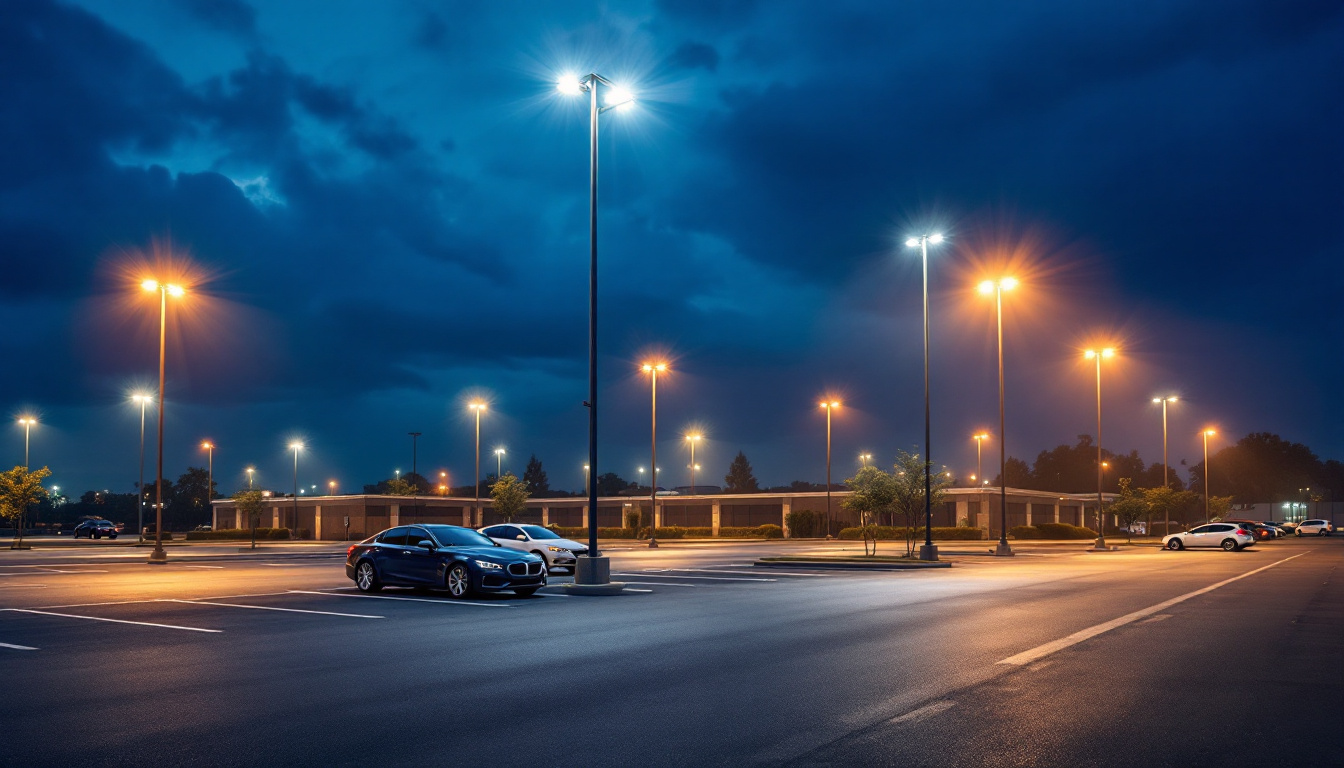
Choosing the right 400W LED bulb means understanding its intended application. These bulbs are designed for high-intensity lighting needs. They are commonly used in commercial and industrial settings where powerful illumination is necessary for safety, productivity, and compliance with lighting standards.
Moreover, the longevity of 400W LED bulbs is another compelling reason for their selection. Most LED bulbs can last up to 50,000 hours or more, significantly outpacing traditional lighting options. This extended lifespan reduces the frequency of replacements and maintenance, a crucial consideration for contractors managing large-scale projects with tight budgets and timelines. Additionally, many 400W LED bulbs come with advanced thermal management systems, which help dissipate heat effectively, further extending their operational life and ensuring consistent performance.
Another aspect worth noting is the versatility of 400W LED bulbs in terms of color temperature and beam angle. Depending on the specific needs of a project, contractors can choose bulbs that emit warm white light for a more inviting atmosphere or cool white light for enhanced visibility and alertness. Furthermore, with options for different beam angles, these bulbs can be tailored to provide focused lighting for specific areas or broader illumination for expansive spaces, ensuring that every corner is adequately lit. This adaptability not only enhances the functionality of the lighting but also contributes to energy efficiency by allowing for targeted illumination where it’s most needed.
Key Technical Specifications Lighting Contractors Must Know
Luminous Efficacy and Brightness
Luminous efficacy measures how well a light source produces visible light, expressed in lumens per watt (lm/W). A high-quality 400W LED bulb can deliver upwards of 130 to 150 lm/W. This means a single bulb can emit between 52,000 to 60,000 lumens, providing intense, uniform illumination over large areas.
For comparison, a traditional 1000W metal halide bulb might produce around 80,000 lumens but consume more than twice the energy. This efficiency not only reduces energy bills but also minimizes heat output, which can affect the longevity of fixtures and the comfort of the environment. Additionally, the lower heat generation contributes to a more sustainable lighting solution, as it reduces the demand on air conditioning systems in commercial spaces, further enhancing energy savings over time.
Color Temperature and Color Rendering Index (CRI)
Color temperature, measured in Kelvins (K), influences the ambiance and functionality of a space. 400W LED bulbs typically come in a range of color temperatures from 4000K (neutral white) to 6000K (daylight). Contractors should select the appropriate temperature based on the application—cool white for task-oriented environments, neutral white for general lighting, and warmer tones for areas requiring a softer feel. Understanding the psychological effects of color temperature can also aid in creating the desired atmosphere; for instance, warmer tones are often preferred in hospitality settings to evoke comfort and relaxation.
CRI is equally important, especially in settings where accurate color perception is critical, such as manufacturing or retail. A CRI above 80 is generally considered good, with some premium 400W LED bulbs offering CRIs of 90 or higher for superior color fidelity. This high CRI ensures that colors appear vibrant and true to life, which can significantly enhance product displays and improve the overall shopping experience. In environments like art galleries or design studios, where color accuracy is paramount, investing in lighting with a high CRI can make a substantial difference in how artworks and designs are perceived.
Beam Angle and Light Distribution
Beam angle determines how light spreads from the bulb. A narrow beam angle (15°-30°) delivers focused lighting, ideal for spotlighting or highlighting specific areas. Wider beam angles (60°-120°) provide broad, even coverage, suitable for general area lighting.
Lighting contractors must assess the space’s layout and ceiling height to pick the correct beam angle. This ensures optimal light distribution, reduces shadows, and prevents over-illumination or dark spots. Moreover, understanding the interplay between beam angle and fixture placement can enhance the overall design of a lighting scheme. For instance, using a combination of narrow and wide beam angles can create dynamic lighting effects that add depth and interest to a space, making it more visually appealing. Additionally, considering the use of adjustable fixtures can allow for flexibility in lighting design, enabling contractors to adapt the light distribution as the needs of the space evolve over time.
Installation Considerations and Compatibility
Fixture Compatibility and Retrofitting
One of the advantages of 400W LED bulbs is their ability to retrofit existing fixtures designed for higher wattage traditional bulbs. However, not all LED bulbs fit seamlessly into older fixtures. Contractors should verify socket type, physical dimensions, and ballast compatibility before installation.
Many 400W LED bulbs are designed to bypass or replace existing ballasts, simplifying installation and reducing maintenance. This can be a significant time saver on large projects, but it requires careful planning to avoid electrical issues or voiding warranties.
Thermal Management and Heat Dissipation
Despite their efficiency, 400W LED bulbs generate heat that must be managed to maintain performance and lifespan. Effective heat sinks and proper fixture ventilation are essential. Lighting contractors should inspect the fixture’s design and ensure it supports adequate airflow.
In enclosed or poorly ventilated fixtures, heat buildup can degrade LED components, leading to premature failure. Selecting bulbs with robust thermal management features and pairing them with compatible fixtures is crucial for long-term reliability.
Electrical Requirements and Safety Standards
Electrical compatibility is non-negotiable. Contractors must confirm that the power supply matches the LED bulb’s voltage and current requirements. Many 400W LED bulbs operate on standard line voltages (120-277V or 347-480V for industrial applications), but verifying this prevents costly mistakes.
Additionally, adherence to safety certifications such as UL, DLC, or CE ensures the bulb meets rigorous quality and safety standards. These certifications often impact eligibility for rebates or incentives, which can be a selling point for clients.
Energy Efficiency and Cost Implications
Energy Savings and Return on Investment (ROI)
Switching to 400W LED bulbs from traditional high-wattage lamps can cut energy consumption by more than 50%. For facilities running lights 12 hours a day or more, this translates into substantial monthly savings. Over time, the reduced energy cost often offsets the initial investment in LED technology.
Calculating ROI involves considering bulb cost, installation expenses, energy savings, and maintenance reductions. LEDs typically last 3 to 5 times longer than metal halide or high-pressure sodium bulbs, reducing replacement frequency and labor costs.
Maintenance and Longevity
Long lifespan is a major advantage of 400W LED bulbs. Rated life spans commonly range from 50,000 to 100,000 hours. This durability reduces downtime and maintenance calls, which is particularly valuable in industrial or commercial settings where lighting outages can disrupt operations.
Contractors should advise clients on maintenance schedules and the benefits of LED lighting warranties, which often cover several years. Proper installation and quality products extend the lifespan and maximize value.
Environmental Impact and Regulatory Compliance
Reducing Carbon Footprint
Energy-efficient 400W LED bulbs contribute significantly to lowering carbon emissions. For contractors working with environmentally conscious clients or on green building projects, this is a compelling selling point. LEDs consume less power and contain no hazardous materials like mercury, unlike some traditional bulbs.
Choosing LEDs aligns with sustainability goals and can help clients meet environmental regulations or certification standards such as LEED or Energy Star.
Meeting Local and Industry Standards
Lighting contractors must stay informed about local codes and industry standards that govern lighting installations. These can dictate minimum lighting levels, energy efficiency requirements, and safety protocols. Installing compliant 400W LED bulbs ensures projects pass inspections and avoid costly rework.
Understanding these regulations helps contractors provide value-added advice, positioning themselves as trusted experts rather than just installers.
Practical Tips for Lighting Contractors Handling 400W LED Bulbs
Site Assessment and Lighting Design
Before selecting a 400W LED bulb, conduct a thorough site assessment. Measure ceiling heights, room dimensions, and existing lighting conditions. Use lighting design software or photometric analysis to determine the number of bulbs and placement needed for optimal coverage.
Proper design avoids over-illumination, which wastes energy, and under-illumination, which compromises safety and productivity.
Client Education and Communication
Clients may be unfamiliar with the benefits and requirements of 400W LED bulbs. Clear communication about energy savings, maintenance advantages, and upfront costs builds trust. Provide comparisons with traditional lighting to highlight long-term value.
Offering demonstrations or case studies can help clients visualize the improvements and justify investment decisions.
Installation Best Practices
Follow manufacturer guidelines meticulously during installation. Ensure proper torque on sockets, verify electrical connections, and test bulbs before finalizing the setup. Document the installation process for warranty purposes and future maintenance.
Consider safety protocols, especially when working at heights or with high-voltage systems. Proper training and equipment reduce risk and improve efficiency.
Conclusion: Why 400W LED Bulbs Are a Smart Choice for Contractors
For lighting contractors, 400W LED bulbs represent a powerful tool to deliver high-quality, energy-efficient lighting solutions. Their ability to replace traditional high-wattage lamps while reducing energy consumption and maintenance costs makes them ideal for a broad range of commercial and industrial applications.
Success hinges on understanding the technical specifications, installation requirements, and client needs. By mastering these elements, contractors can provide superior lighting solutions that enhance safety, productivity, and sustainability.
Ultimately, embracing 400W LED technology positions contractors at the forefront of modern lighting, offering clients tangible benefits and fostering long-term partnerships built on trust and expertise.
Illuminate Your Projects with LumenWholesale
Ready to elevate your lighting projects with the efficiency and power of 400W LED bulbs? Look no further than LumenWholesale for all your lighting needs. Our commitment to quality and affordability ensures that you get the best value on spec-grade lighting products. Say goodbye to middleman markups and hello to a vast selection of industry-standard lighting solutions. Plus, with free shipping on bulk orders, you can stock up on premium lighting without any hidden costs. Don’t compromise on quality or price. Discover wholesale lighting at the best value today and light up your projects with confidence.