Understanding Lumens: The Foundation of Lighting Design
For lighting contractors, grasping the concept of lumens is fundamental to delivering effective and efficient lighting solutions. Lumens measure the total amount of visible light emitted by a source, directly influencing how bright a space appears. Unlike watts, which quantify energy consumption, lumens provide a true indicator of light output, making them essential for specifying fixtures and bulbs that meet client expectations.
In practical terms, a 40-lumen light source emits a modest amount of light, suitable for applications such as accent lighting, nightlights, or decorative fixtures. Recognizing the appropriate lumen level for various environments ensures that lighting installations are both functional and aesthetically pleasing. For instance, a cozy reading nook may benefit from softer, lower lumen levels to create a warm atmosphere, while a kitchen or workspace typically requires higher lumens to facilitate tasks effectively. By understanding how to balance these requirements, contractors can enhance both the utility and ambiance of a space.
Why Lumens Matter More Than Watts
Historically, watts were used as a proxy for brightness, but this approach has become obsolete with the rise of energy-efficient lighting technologies like LEDs. A 40-watt incandescent bulb, for example, produces approximately 450 lumens, while an LED bulb consuming only 6 watts can deliver the same brightness. This discrepancy underscores the importance of specifying lumens when designing and installing lighting systems. Furthermore, as energy efficiency becomes increasingly prioritized in both residential and commercial sectors, understanding lumens allows contractors to recommend solutions that not only meet brightness needs but also contribute to sustainability goals. This shift in focus from watts to lumens aligns with modern energy standards and client expectations for eco-friendly practices.
Key Metrics for Lighting Contractors
Beyond lumens, contractors must consider factors such as color temperature, color rendering index (CRI), and beam angle. Together, these metrics influence the quality and character of light, impacting everything from mood to productivity. A thorough understanding of these parameters complements lumen specifications and enables contractors to tailor lighting solutions to client needs. For example, a color temperature of 3000K emits a warm, inviting light ideal for residential spaces, while a cooler 5000K light mimics daylight, making it suitable for work environments where alertness and focus are paramount. Additionally, the CRI measures how accurately colors are rendered under a light source, which is crucial in settings like art galleries or retail spaces where color perception is key. By mastering these metrics, contractors can elevate their designs, ensuring that every lighting solution is not only functional but also enhances the overall experience of the space.
Applications of 40 Lumens in Lighting Projects
While 40 lumens may seem low compared to typical room lighting standards, it serves critical roles in specialized applications. Lighting contractors should recognize where this lumen output excels to optimize their project outcomes.
Accent and Decorative Lighting
Accent lighting enhances architectural features, artwork, or landscaping elements by providing focused illumination. A 40-lumen fixture can highlight small details without overwhelming the surrounding space. For example, LED puck lights or mini spotlights emitting around 40 lumens are ideal for under-cabinet lighting in kitchens or illuminating display shelves.
Decorative fixtures such as string lights or fairy lights often operate at low lumen levels to create ambiance. These lighting elements contribute to the atmosphere without contributing significant brightness, making 40 lumens a practical choice.
Safety and Pathway Lighting
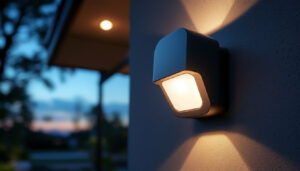
Safety lighting along pathways, staircases, and entryways requires enough illumination to prevent accidents without causing glare or light pollution. Low-lumen fixtures around 40 lumens can provide subtle guidance lighting that enhances safety while maintaining energy efficiency.
In outdoor settings, solar-powered pathway lights commonly emit between 20 and 50 lumens, balancing visibility with battery life. Lighting contractors should select fixtures that meet local code requirements while considering lumen output to optimize performance.
Nightlights and Task-Specific Illumination
Nightlights designed to provide gentle illumination in bedrooms, hallways, or bathrooms typically range between 10 and 50 lumens. A 40-lumen nightlight offers sufficient brightness to navigate spaces safely without disrupting sleep cycles.
Task lighting for activities such as reading or crafting may require higher lumen outputs, but 40 lumens can be effective for small-scale tasks or as supplementary lighting. Contractors should assess client needs carefully to recommend appropriate lumen levels.
Technical Considerations for Specifying 40-Lumen Fixtures
When incorporating 40-lumen light sources into projects, lighting contractors must evaluate several technical factors to ensure optimal performance and client satisfaction.
Energy Efficiency and Power Consumption
One of the advantages of low-lumen lighting is reduced energy consumption. LED technology allows for high luminous efficacy, meaning more lumens per watt. A 40-lumen LED light may consume as little as 0.5 to 1 watt, significantly lowering operational costs and environmental impact.
Contractors should calculate total energy usage for lighting systems, especially in large-scale projects, to provide clients with accurate estimates of long-term savings and sustainability benefits.
Fixture Compatibility and Installation
Not all fixtures are designed to operate efficiently at low lumen outputs. Lighting contractors must verify that chosen fixtures can accommodate 40-lumen bulbs or integrated LEDs without compromising performance or lifespan.
Installation considerations include the fixture’s beam angle, mounting options, and compatibility with dimmers or controls. For example, narrow beam angles concentrate light, making 40 lumens appear brighter in a focused area, while wide beam angles distribute light more diffusely.
Color Temperature and Visual Comfort
Color temperature, measured in Kelvin (K), affects the perceived warmth or coolness of light. Low-lumen lighting benefits from warmer color temperatures (2700K to 3000K) to create inviting and comfortable environments, especially in residential or hospitality settings.
Contractors should avoid overly cool or harsh lighting at low lumen levels, as it can cause discomfort or reduce the effectiveness of the illumination.
Regulatory and Safety Guidelines for Low-Lumen Lighting
Compliance with industry standards and local regulations is a critical responsibility for lighting contractors. Even low-lumen lighting installations must adhere to safety codes and best practices.
Building Codes and Lighting Standards
Building codes often specify minimum lighting levels for different spaces to ensure occupant safety and accessibility. While 40 lumens may be suitable for accent or decorative lighting, it may not meet minimum requirements for general illumination in certain areas.
Contractors should consult relevant standards such as those from the Illuminating Engineering Society (IES) and local building authorities to verify that lighting designs comply with regulations.
Electrical Safety and Installation Practices
Proper wiring, grounding, and fixture installation are essential to prevent electrical hazards. Low-lumen fixtures may use low-voltage systems, which require specific transformers and wiring methods.
Lighting contractors must ensure all components are rated for the intended application and installed according to manufacturer instructions and safety codes.
Environmental and Light Pollution Considerations
Minimizing light pollution is increasingly important, especially in residential and environmentally sensitive areas. Low-lumen lighting can reduce skyglow and glare, contributing to more sustainable lighting designs.
Contractors should select fixtures with appropriate shielding and direct light only where needed, aligning with dark-sky initiatives and client sustainability goals.
Best Practices for Lighting Contractors Using 40 Lumens
Integrating 40-lumen lighting effectively requires strategic planning and attention to detail. The following best practices help ensure successful project outcomes.
Conducting Thorough Site Assessments
Before specifying low-lumen fixtures, contractors should perform comprehensive site evaluations to understand spatial dimensions, existing lighting conditions, and client requirements. This information guides appropriate lumen selection and fixture placement.
Using light meters and simulation software can provide accurate predictions of how 40-lumen sources will perform in the space.
Communicating with Clients About Lighting Expectations
Clients may not be familiar with lumens or how light levels translate to real-world brightness. Contractors should educate clients on the purpose and benefits of 40-lumen lighting in specific applications, setting realistic expectations.
Visual aids such as sample fixtures or lighting demonstrations can enhance client understanding and satisfaction.
Incorporating Controls and Automation
Pairing low-lumen lighting with dimmers, timers, or smart controls maximizes flexibility and energy savings. For instance, motion sensors can activate 40-lumen pathway lights only when needed, extending fixture life and reducing power consumption.
Lighting contractors should recommend control systems compatible with low-lumen fixtures to enhance functionality and user experience.
Regular Maintenance and Quality Assurance
Even low-lumen lighting requires periodic maintenance to ensure consistent performance. Contractors should advise clients on cleaning, bulb replacement, and troubleshooting common issues.
Implementing quality assurance checks during and after installation helps identify and resolve problems early, maintaining the integrity of the lighting system.
Emerging Trends and Innovations in Low-Lumen Lighting
The lighting industry continues to evolve, offering new technologies and design approaches that impact how contractors use low-lumen sources like 40 lumens.
Advancements in LED Technology
LEDs are becoming increasingly efficient and versatile, enabling even smaller fixtures to produce consistent 40-lumen outputs with improved color quality and longer lifespans. Innovations in micro-LEDs and OLED panels open new possibilities for decorative and integrated lighting solutions.
Integration with Smart Building Systems
Smart lighting systems allow precise control over lumen levels, color temperature, and scheduling. Integrating 40-lumen fixtures into these systems enhances energy management and user comfort, aligning with modern building automation trends.
Sustainability and Circular Economy Approaches
Lighting contractors are embracing sustainable practices such as specifying recyclable materials, modular designs, and energy-efficient products. Low-lumen lighting fits well within these frameworks by reducing energy consumption and minimizing waste.
Conclusion: Mastering the Use of 40 Lumens in Lighting Projects
For lighting contractors, understanding and effectively applying 40-lumen lighting solutions is a valuable skill that enhances project versatility and client satisfaction. By appreciating the nuances of lumen measurement, selecting appropriate applications, adhering to technical and regulatory standards, and embracing emerging technologies, contractors can deliver lighting designs that are both functional and sustainable.
Incorporating low-lumen fixtures thoughtfully supports diverse lighting needs—from accentuating design features to improving safety—while optimizing energy use and minimizing environmental impact. This checklist serves as a comprehensive guide to mastering the art and science of 40-lumen lighting in professional practice.
Illuminate Your Projects with LumenWholesale
Ready to elevate your lighting projects with the precision of 40 lumens? At LumenWholesale, we provide lighting contractors like you with the highest quality, spec-grade lighting products at prices that can’t be beaten. Say goodbye to middleman markups and hello to a vast selection of reliable lighting solutions that meet stringent industry standards. With free shipping on bulk orders, LumenWholesale ensures you get the best value without any hidden fees. Enhance your professional practice with the exceptional blend of quality, affordability, and convenience that only LumenWholesale can offer. Discover our unbeatable wholesale lighting deals and start optimizing your lighting designs today by visiting Wholesale Lighting at the Best Value.