Understanding the Basics of 4-Inch Recessed Can Lights
Recessed can lights, especially the 4-inch variety, are a staple in residential and commercial lighting projects. Their compact size makes them ideal for spaces where a sleek, unobtrusive look is desired without sacrificing illumination quality. For lighting contractors, mastering the nuances of these fixtures is essential for delivering both functionality and aesthetics.
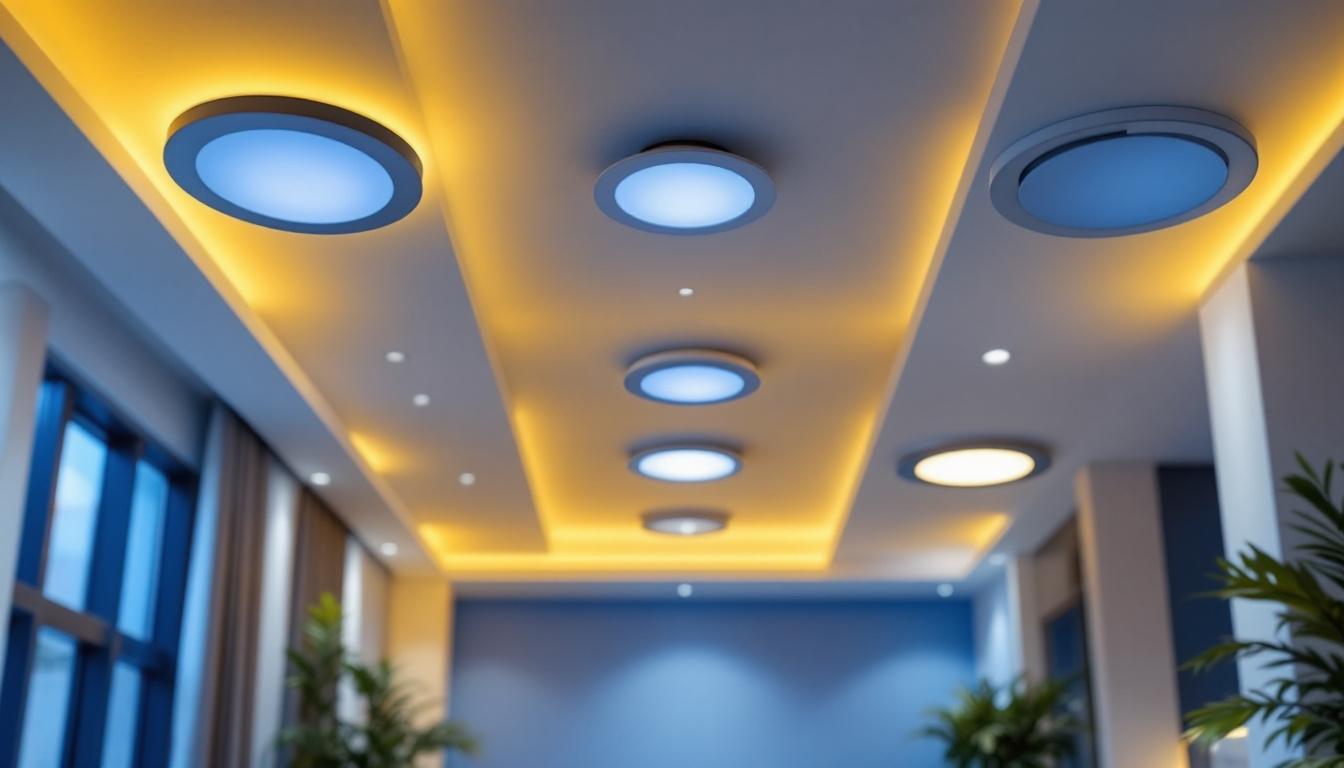
These fixtures are designed to sit flush with the ceiling, providing a clean, modern appearance. Unlike larger cans, 4-inch recessed lights are perfect for accent lighting, task lighting, or general illumination in smaller rooms or areas with lower ceilings. Their versatility means they can be used in kitchens, bathrooms, hallways, and even retail spaces where subtle lighting is key.
Why Choose 4-Inch Recessed Cans?
The smaller diameter offers several advantages. First, it allows for more precise lighting placement, which is crucial in highlighting architectural features or creating mood lighting. Second, the reduced size means less ceiling disruption during installation, making them a preferred choice in remodels or retrofit projects. Lastly, their energy efficiency has improved significantly with advancements in LED technology, offering contractors a chance to recommend sustainable solutions to clients.
Moreover, the 4-inch recessed can lights come in various styles and finishes, allowing for customization that can match any interior design theme. From sleek metallic finishes to more traditional white options, these lights can blend seamlessly into the decor or stand out as a design feature. Additionally, many models now offer adjustable features, such as tilt and swivel capabilities, which enable users to direct light exactly where it is needed, enhancing both functionality and ambiance.
Another important aspect to consider is the integration of smart technology. Many modern 4-inch recessed lights can be controlled via smartphone apps or voice-activated devices, providing homeowners with the ability to adjust brightness and color temperature on demand. This level of control not only enhances convenience but also allows for energy savings by enabling users to turn off lights remotely or set schedules to reduce energy consumption when spaces are unoccupied. As smart home technology continues to evolve, the incorporation of these features in recessed lighting is becoming increasingly popular, making them a forward-thinking choice for today’s lighting projects.
Installation Considerations for Lighting Contractors
Installing 4-inch recessed can lights requires careful planning and execution. Unlike surface-mounted fixtures, these lights demand precise measurements to ensure proper fit and alignment. Lighting contractors must be familiar with ceiling types, insulation requirements, and electrical codes to avoid common pitfalls. A thorough understanding of the layout and design of the space is essential, as this will influence not only the placement of the fixtures but also the overall ambiance of the room.
One critical aspect is determining the correct spacing between fixtures. Overcrowding can cause uneven lighting and heat buildup, while too much distance may leave dark spots. A general rule of thumb is to space 4-inch cans about 4 to 6 feet apart, but this varies depending on ceiling height and the desired lighting effect. For instance, in rooms with higher ceilings, it may be beneficial to increase the spacing to maintain an even distribution of light. Additionally, considering the type of activities that will take place in the space can help in deciding the optimal placement of the fixtures to enhance functionality and aesthetics.
IC vs. Non-IC Rated Housings
Understanding the difference between IC (Insulation Contact) and non-IC rated housings is vital. IC-rated housings can safely come into contact with insulation, preventing fire hazards. Non-IC housings require a clearance from insulation, which can complicate installation in insulated ceilings. Lighting contractors must verify the housing type to comply with safety standards and local building codes. This knowledge not only ensures safety but also enhances the longevity and efficiency of the lighting system.
Additionally, selecting the right housing affects the ease of installation. Remodel housings are designed for retrofit projects and can be installed from below the ceiling without accessing the attic, while new construction housings require attachment to ceiling joists before drywall installation. This distinction is crucial, as it can save time and labor costs. Furthermore, contractors should also consider the type of trim that will be used with the housings, as this can influence the light output and aesthetic appeal. Trims come in various styles, such as baffle, reflector, and adjustable, each serving different purposes and contributing to the overall design of the space. Understanding these options allows contractors to provide tailored solutions that meet the specific needs of their clients, ultimately enhancing customer satisfaction and project outcomes.
Choosing the Right Bulbs and Trims
The performance of 4-inch recessed cans heavily depends on the bulbs and trims used. LED bulbs have become the standard due to their longevity, energy efficiency, and lower heat output. However, not all LED bulbs are created equal, and contractors should consider factors such as color temperature, lumen output, and beam angle to meet client expectations.
Color temperature plays a significant role in setting the ambiance. Warm white (2700K to 3000K) creates a cozy atmosphere suitable for living spaces, while cooler temperatures (3500K to 4100K) work well in work areas like kitchens or offices. High CRI (Color Rendering Index) bulbs are preferred to ensure colors appear natural under artificial lighting. Additionally, dimmable LED options can provide versatility, allowing homeowners to adjust the brightness according to their mood or specific activities, further enhancing the functionality of the space.
Trim Styles and Their Impact
Trim selection affects both the look and function of recessed lighting. Common trim styles include baffle, reflector, eyeball, and wall wash. Baffle trims reduce glare and are ideal for general lighting, while reflector trims maximize brightness. Eyeball trims allow directional lighting, perfect for accentuating artwork or architectural details. Wall wash trims evenly illuminate vertical surfaces, enhancing room depth and texture. Understanding the different trim styles can empower contractors to create tailored lighting solutions that not only meet practical needs but also elevate the aesthetic appeal of a room.
Contractors should advise clients on trim choices based on room function and desired lighting effects. Proper trim selection can enhance energy efficiency by optimizing light distribution and minimizing wasted illumination. Furthermore, the finish of the trim—whether it be white, black, or metallic—can influence the overall design scheme of the room. For instance, a matte black trim can add a modern touch to a contemporary space, while a polished chrome finish might complement a more traditional decor. By considering both functionality and style, contractors can help clients achieve a harmonious balance that enhances the overall atmosphere of their homes.
Maintenance and Troubleshooting Tips
Lighting contractors often get called back to job sites for issues related to recessed can lights. Understanding common problems and their solutions can save time and improve client satisfaction. Regular follow-ups with clients can also help in identifying any emerging issues before they escalate, fostering a stronger relationship and ensuring that clients feel valued and heard.
One frequent issue is flickering or dimming lights, often caused by incompatible dimmer switches or faulty wiring. Ensuring LED bulbs are paired with compatible dimmers during installation can prevent this. Additionally, loose connections or damaged sockets may require inspection and repair. It’s beneficial to educate clients on the importance of using quality components, as cheaper alternatives may lead to more frequent issues and dissatisfaction in the long run.
Addressing Heat and Ventilation Concerns
Although LED bulbs generate less heat than incandescent or halogen bulbs, heat buildup can still occur, particularly if the housing is improperly installed or insulation is in contact with non-IC rated cans. Overheating not only shortens bulb life but also poses safety risks. Contractors should verify that housings are correctly rated and installed with adequate ventilation. Additionally, it’s wise to recommend the use of thermal insulation barriers to protect against heat buildup, which can further enhance the longevity and efficiency of the lighting system.
Regular maintenance includes cleaning trims and lenses to prevent dust accumulation, which can diminish light output. Access to recessed fixtures should be planned during installation to facilitate future servicing without damaging ceilings. Implementing a routine maintenance schedule can help clients keep their lighting systems in optimal condition, reducing the likelihood of unexpected failures and ensuring consistent performance. Furthermore, contractors might consider providing clients with a simple guide on how to perform basic maintenance tasks, such as changing bulbs or cleaning fixtures, empowering them to take an active role in their lighting upkeep.
Get Your Premium Lighting Supplies at LumenWholesale
Ready to elevate your lighting projects with the finest 4-inch recessed can lights and accessories? Look no further than LumenWholesale, where we specialize in providing contractors with high-quality, specification-grade lighting products at the most competitive wholesale prices. Our commitment to excellence means you’ll find the perfect lighting solutions that meet the highest industry standards for your clients’ needs. Plus, with the convenience of free shipping on bulk orders, you can stock up on premium lighting without worrying about extra costs. Don’t settle for less—choose LumenWholesale for quality, affordability, and convenience. Visit our extensive selection and start saving today at Wholesale Lighting at the Best Value.