Introduction to Light Bulb Technologies
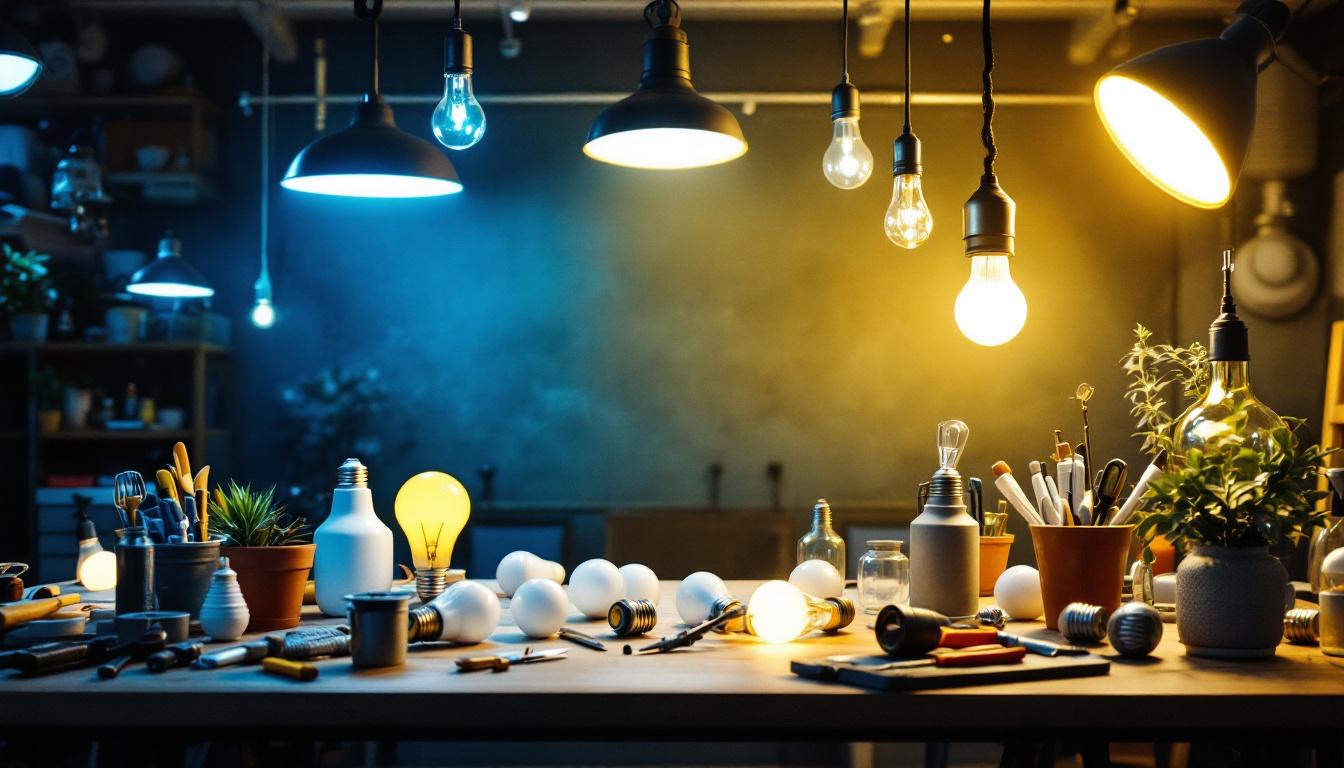
For lighting contractors, understanding the nuances of various light bulb technologies is essential to delivering optimal solutions for clients. The market offers a wide range of bulbs, each with unique characteristics that influence energy efficiency, longevity, light quality, and installation requirements. This handbook focuses on four primary types of light bulbs that dominate the industry: Incandescent, Compact Fluorescent Lamps (CFLs), Light Emitting Diodes (LEDs), and Halogen bulbs.
Each bulb type serves different applications and client needs, making it critical for contractors to grasp their advantages and limitations. From residential installations to commercial and industrial projects, selecting the right bulb can impact energy consumption, maintenance costs, and overall customer satisfaction.
Incandescent bulbs, known for their warm glow and excellent color rendering, have been a staple in households for decades. However, they are notoriously energy-inefficient, converting only about 10% of the energy they consume into visible light, with the rest lost as heat. This inefficiency has led to a decline in their use, especially as energy costs rise and environmental concerns grow. On the other hand, Compact Fluorescent Lamps (CFLs) offer a more energy-efficient alternative, using about 75% less energy than incandescent bulbs and lasting up to ten times longer. Their spiral design allows for versatile applications, but they can take time to warm up to full brightness and may not provide the same quality of light as their incandescent counterparts.
Light Emitting Diodes (LEDs) have revolutionized the lighting industry with their superior energy efficiency and longevity, boasting lifespans of up to 25,000 hours or more. They are available in a variety of colors and can be dimmed, making them suitable for a wide range of settings, from cozy home environments to high-tech commercial spaces. Additionally, the decreasing cost of LED technology has made it more accessible, encouraging widespread adoption. Halogen bulbs, a type of incandescent, offer a brighter and more efficient option, providing a crisp white light that enhances visibility and color accuracy. They are often used in track lighting and outdoor applications due to their durability and ability to perform well in various weather conditions. Understanding these distinctions is crucial for contractors aiming to tailor their recommendations to meet the specific needs of their clients.
Incandescent Bulbs: The Traditional Choice
Overview and Characteristics
Incandescent bulbs have been the cornerstone of lighting for over a century. They operate by passing an electric current through a tungsten filament, which heats up and emits light. Known for their warm, inviting glow, incandescent bulbs offer excellent color rendering, making them ideal for settings where ambiance is a priority.
However, incandescent bulbs are notoriously inefficient. A significant portion of the energy they consume is converted into heat rather than light. Their average lifespan is relatively short, typically around 1,000 hours, which means frequent replacements and higher operational costs over time.
Applications and Considerations
Despite their inefficiency, incandescent bulbs are still used in specific scenarios where light quality and dimming capabilities are paramount. For example, in theatrical lighting or certain residential applications where color accuracy is crucial, incandescent bulbs can outperform some alternatives.
Lighting contractors should advise clients on the trade-offs involved. While upfront costs for incandescent bulbs are low, the long-term energy and replacement expenses can outweigh initial savings. Moreover, many regions have phased out or restricted incandescent bulbs due to energy regulations, so contractors must stay informed about local codes and standards.
Compact Fluorescent Lamps (CFLs): Energy Efficiency Meets Affordability
Technology and Benefits
CFLs marked a significant advancement in lighting technology by offering a more energy-efficient alternative to incandescent bulbs. They function by exciting mercury vapor inside a tube, which then emits ultraviolet light that causes a phosphor coating to glow. This process uses roughly 70-80% less energy than incandescent bulbs and extends bulb life to approximately 8,000-10,000 hours.
The energy savings translate into lower utility bills and reduced environmental impact, making CFLs a popular choice for both residential and commercial lighting. Their affordability and availability have made them a staple in retrofit projects aiming to improve energy efficiency without significant upfront investment.
Limitations and Safety Concerns
Despite their advantages, CFLs come with some drawbacks. The presence of mercury requires careful handling and disposal to prevent environmental contamination. Lighting contractors must educate clients on proper recycling protocols and ensure compliance with hazardous waste regulations.
Additionally, CFLs can take time to reach full brightness, which may be inconvenient in certain applications. Their performance in extreme temperatures can also be inconsistent, limiting their use in outdoor or unheated spaces. Finally, CFLs are generally less compatible with dimmer switches unless specifically designed for that purpose.
Light Emitting Diodes (LEDs): The Future of Lighting
Advancements and Advantages
LED technology represents a revolutionary leap forward in lighting. LEDs produce light through electroluminescence, where electrons recombine with electron holes in a semiconductor, releasing energy in the form of photons. This process is highly efficient, with LEDs consuming up to 90% less energy than incandescent bulbs and lasting 25,000 to 50,000 hours or more.
LEDs offer superior durability, with resistance to shock, vibration, and temperature extremes. Their compact size allows for innovative design possibilities, including smart lighting systems and tunable color temperatures. The instant-on capability and excellent dimming performance further enhance their appeal across a broad spectrum of applications.
Considerations for Contractors
While LED prices have decreased significantly, the initial investment remains higher than traditional bulbs. However, the total cost of ownership is often lower due to energy savings and reduced maintenance. Lighting contractors should perform detailed cost-benefit analyses to demonstrate value to clients.
Compatibility with existing fixtures and controls can pose challenges. Some older dimmers and lighting systems may not work optimally with LEDs, requiring upgrades or replacements. Contractors must ensure proper installation and verify that LED products meet relevant certifications and standards.
Halogen Bulbs: Enhanced Incandescent Performance
Technical Features and Benefits
Halogen bulbs are a refined version of incandescent technology, incorporating a halogen gas that increases efficiency and bulb life. This gas allows the tungsten filament to operate at higher temperatures without rapid degradation, resulting in brighter light and improved energy efficiency—typically about 20-30% better than standard incandescent bulbs.
They produce a crisp, white light with excellent color rendering, making them suitable for accent lighting, task lighting, and display cases. Halogen bulbs also maintain consistent brightness and perform well with dimmers, offering flexibility in lighting design.
Limitations and Safety
Despite improvements, halogen bulbs still generate significant heat, which can pose fire hazards if not installed properly. They also have shorter lifespans compared to LEDs and CFLs, generally lasting around 2,000 hours. Lighting contractors must ensure proper fixture compatibility and advise clients on safe handling and placement.
Energy efficiency regulations have led to the gradual phase-out of certain halogen bulbs in many markets. Contractors should be aware of these changes and guide clients toward compliant alternatives when necessary.
Choosing the Right Bulb: Factors Lighting Contractors Must Consider
Energy Efficiency and Cost Implications
Energy consumption is a critical factor for most clients, especially commercial and industrial customers with large-scale lighting needs. LEDs offer the best efficiency and lowest operating costs, but the upfront price can be a barrier. CFLs provide a middle ground, while incandescent and halogen bulbs generally incur higher energy expenses.
Contractors should calculate total cost of ownership, including purchase price, energy use, maintenance, and disposal costs. Presenting clear, data-driven analyses helps clients make informed decisions aligned with their budgets and sustainability goals.
Light Quality and Application Needs
Different projects demand varying light qualities. Warm light tones from incandescent and halogen bulbs are preferred in hospitality and residential settings, whereas cooler, daylight-like LEDs are often favored in offices and retail environments for enhancing visibility and productivity.
Color Rendering Index (CRI) is another important consideration. High CRI bulbs (above 80) accurately reveal colors, which is vital in galleries, medical facilities, and fashion retail. Contractors should tailor recommendations based on the specific lighting objectives of each project.
Installation and Maintenance
Ease of installation and maintenance frequency affect project timelines and long-term costs. LEDs’ long lifespan reduces labor costs associated with bulb replacement, particularly in hard-to-reach fixtures. CFLs require careful handling and disposal, while incandescent and halogen bulbs need frequent replacements.
Contractors should assess the existing infrastructure and client preferences to determine the most practical lighting solutions, balancing upfront effort with ongoing maintenance demands.
Emerging Trends and Future Outlook
Smart Lighting Integration
Smart lighting systems are transforming the industry, offering remote control, automation, and energy management capabilities. LEDs are the backbone of these systems due to their compatibility with digital controls and sensors. Lighting contractors who embrace smart technologies can provide enhanced value and differentiate their services in a competitive market.
Sustainability and Regulatory Compliance
Environmental regulations continue to push the lighting industry toward more sustainable products. Phasing out inefficient bulbs and promoting recycling programs are becoming standard practice. Contractors must stay current with evolving codes and certification requirements to ensure compliance and promote green building standards.
Advances in LED Technology
Ongoing improvements in LED efficiency, color rendering, and cost reduction are expanding their applications. Innovations such as human-centric lighting, which adjusts color temperature to support circadian rhythms, are gaining traction. Lighting contractors should monitor these developments to offer cutting-edge solutions that meet client expectations and wellness considerations.
Conclusion
Mastering the characteristics and applications of incandescent, CFL, LED, and halogen bulbs is indispensable for lighting contractors aiming to deliver superior lighting solutions. Each bulb type has distinct advantages and limitations that influence energy consumption, cost, light quality, and compliance with regulations.
By staying informed about technological advancements, regulatory changes, and client needs, contractors can make strategic recommendations that optimize performance and satisfaction. This comprehensive understanding not only enhances project outcomes but also positions contractors as trusted experts in a rapidly evolving industry.
Illuminate Your Projects with LumenWholesale
Ready to elevate your lighting game? Look no further than LumenWholesale for an exceptional range of spec-grade lighting products designed to meet the demands of any project. With our commitment to quality, affordability, and convenience, you can access the best in lighting technology at wholesale prices that simply can’t be beaten. Say goodbye to middleman markups and hello to hassle-free bulk purchases with free shipping. Don’t compromise on performance or price. Click here to Wholesale Lighting at the Best Value and light up your projects with confidence.