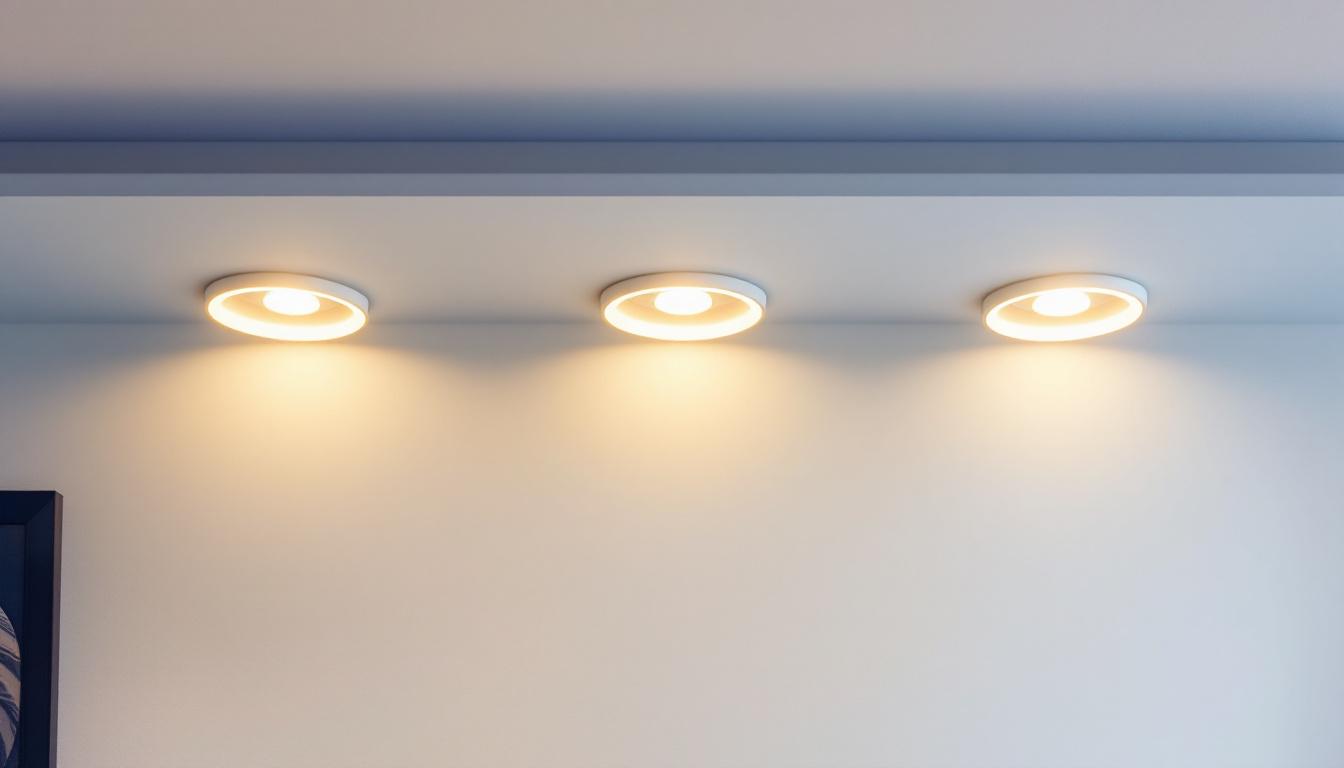
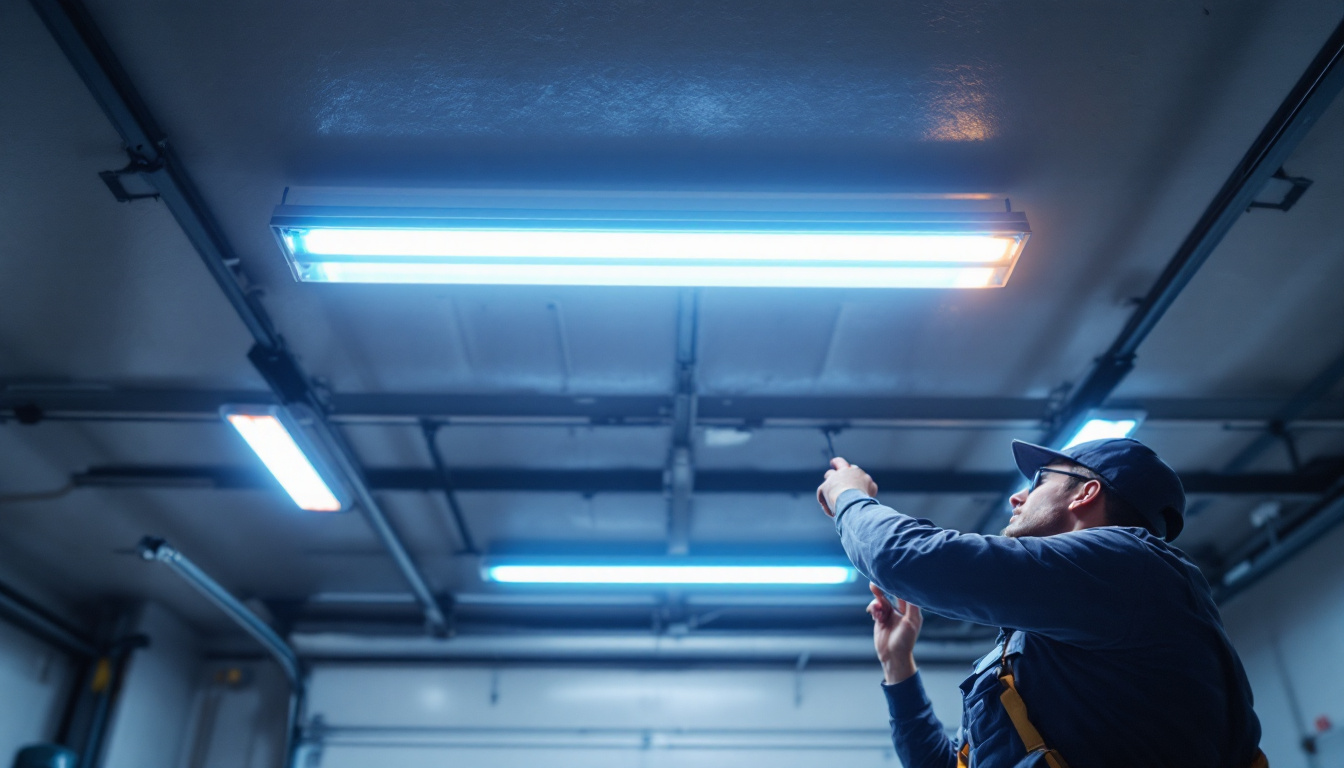
As the demand for modern and efficient lighting solutions continues to rise, recessed downlights have become a staple in both residential and commercial applications. These fixtures not only provide illumination but also enhance the aesthetic appeal of spaces. For lighting contractors, understanding the intricacies of recessed downlights is crucial for delivering quality installations and meeting client expectations. This article delves into three essential aspects of recessed downlights that every lighting contractor should know.
1. Types of Recessed Downlights
Recessed downlights come in various types, each designed for specific applications and environments. Familiarity with these types can help contractors make informed decisions when recommending fixtures to clients.
1.1. IC Rated vs. Non-IC Rated
One of the primary distinctions in recessed downlights is between IC rated and non-IC rated fixtures. IC rated downlights are designed to be installed in insulated ceilings, allowing them to come into direct contact with insulation without posing a fire hazard. This is particularly important in residential settings where energy efficiency and safety are paramount.
On the other hand, non-IC rated downlights should be installed in areas where insulation is not present. They require a minimum clearance from insulation to prevent overheating. Understanding these differences is critical for ensuring compliance with building codes and maintaining safety standards. Additionally, using the correct type of downlight can enhance the energy efficiency of a home, as IC rated fixtures allow for better insulation practices, ultimately reducing heating and cooling costs.
1.2. Adjustable vs. Fixed Trim
Another consideration is the type of trim used in recessed downlights. Fixed trim downlights provide a steady beam of light directed straight down, making them ideal for general lighting purposes. In contrast, adjustable trims allow the light to be angled, providing versatility for highlighting artwork or architectural features.
Contractors should assess the specific lighting needs of a space before recommending the appropriate trim type. Adjustable trims can enhance the functionality of a room, while fixed trims may be more suitable for uniform lighting in hallways or kitchens. Furthermore, the aesthetic appeal of the trim can also play a role; for instance, decorative trims can add a touch of elegance to living spaces, while more utilitarian designs may be better suited for commercial environments where practicality is key.
1.3. Color Temperature Options
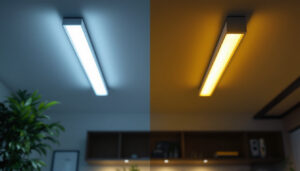
Color temperature plays a significant role in the ambiance of a space. Recessed downlights are available in a range of color temperatures, typically measured in Kelvins (K). Warm white light (2700K-3000K) creates a cozy atmosphere, making it ideal for living areas and bedrooms. In contrast, cool white light (3500K-4100K) is often preferred for kitchens and workspaces, as it promotes alertness and productivity.
Contractors should guide clients in selecting the appropriate color temperature based on the intended use of the space. This consideration can significantly impact the overall aesthetic and functionality of the lighting design. Moreover, some advanced recessed downlights now offer adjustable color temperatures, allowing users to switch between warm and cool light depending on the time of day or activity. This flexibility not only enhances the versatility of the lighting but also caters to the changing needs of occupants throughout the day, making it a popular choice for modern homes and offices.
2. Installation Best Practices
The installation of recessed downlights requires careful planning and execution to ensure optimal performance and safety. Adhering to best practices can help contractors avoid common pitfalls and deliver high-quality results.
2.1. Proper Placement and Spacing
One of the most critical aspects of recessed downlight installation is determining the proper placement and spacing of fixtures. A general rule of thumb is to space downlights approximately 4 to 6 feet apart, depending on the height of the ceiling and the desired level of illumination. This spacing helps to achieve even lighting without creating dark spots or overly bright areas.
Contractors should also consider the height of the ceiling when planning the layout. Higher ceilings may require more fixtures or fixtures with higher lumen output to ensure adequate lighting levels. Taking these factors into account during the planning phase can lead to a more successful installation. Additionally, it’s beneficial to think about the room’s function; for instance, in a kitchen or workspace, brighter lighting may be necessary for tasks, while a living room may benefit from softer, ambient lighting. This nuanced approach not only enhances the aesthetic appeal of the space but also improves its functionality.
2.2. Electrical Considerations
Electrical considerations are paramount when installing recessed downlights. Contractors must ensure that the electrical circuit can handle the load of the fixtures. This includes calculating the total wattage and ensuring that it does not exceed the circuit’s capacity.
Additionally, using compatible dimmers with recessed downlights can enhance the versatility of the lighting system. Not all LED fixtures are compatible with standard dimmers, so contractors should verify compatibility to avoid flickering or performance issues. It’s also wise to consider the use of smart lighting systems that allow for remote control and automation, offering users the ability to adjust brightness and color temperature based on their preferences or time of day. This modern approach not only adds convenience but can also contribute to energy savings over time.
2.3. Insulation and Air Sealing
When installing IC rated recessed downlights, it is essential to ensure proper insulation and air sealing around the fixtures. This not only enhances energy efficiency but also prevents air leaks that can lead to increased heating and cooling costs. Proper sealing can also help maintain indoor air quality by reducing the ingress of outside pollutants.
Contractors should use appropriate materials, such as insulation contact covers, to ensure compliance with building codes and energy efficiency standards. This attention to detail can significantly impact the long-term performance of the lighting system. Furthermore, it is important to educate homeowners about the benefits of these practices, as they can lead to reduced energy bills and a more comfortable living environment. By highlighting the importance of insulation and air sealing, contractors can foster a greater appreciation for the craftsmanship involved in the installation process, ultimately enhancing customer satisfaction and trust in their services.
3. Energy Efficiency and Sustainability
As the focus on energy efficiency and sustainability grows, recessed downlights have evolved to meet these demands. Contractors must stay informed about the latest advancements in energy-efficient lighting technologies to provide clients with sustainable options. The shift towards greener practices is not just a trend; it reflects a broader societal commitment to reducing carbon footprints and promoting environmental stewardship. By embracing energy-efficient solutions, contractors can play a pivotal role in this transition, helping clients make informed choices that benefit both their wallets and the planet.
3.1. LED Technology
LED recessed downlights have become increasingly popular due to their energy efficiency and long lifespan. Unlike traditional incandescent or halogen bulbs, LED fixtures consume significantly less energy while providing the same or even greater levels of illumination. This not only reduces energy costs but also minimizes the environmental impact. Additionally, LED technology has advanced to offer a variety of color temperatures and dimming capabilities, allowing homeowners to create the perfect ambiance for any occasion.
Contractors should educate clients about the benefits of LED technology, including lower heat output and reduced maintenance requirements. Transitioning to LED fixtures can lead to substantial savings over time, making them a wise investment for both residential and commercial applications. Moreover, with the increasing availability of high-quality LED products, clients can enjoy the aesthetic appeal of modern lighting designs without compromising on efficiency. The long lifespan of LED bulbs also means fewer replacements, contributing to less waste and a more sustainable approach to lighting.
3.2. Smart Lighting Solutions
Incorporating smart lighting solutions into recessed downlight installations is another way to enhance energy efficiency. Smart lighting systems allow users to control their lighting remotely, set schedules, and adjust brightness levels according to their preferences. This level of control can lead to significant energy savings, as lights can be turned off or dimmed when not in use. Furthermore, many smart lighting systems can integrate with other smart home devices, creating a seamless ecosystem that enhances overall home automation.
Contractors should explore partnerships with smart lighting manufacturers to offer clients integrated solutions that enhance both convenience and efficiency. As smart home technology continues to gain traction, being knowledgeable about these options can set contractors apart in a competitive market. Additionally, educating clients about the potential for energy savings and the convenience of remote access can encourage them to invest in these advanced systems. By showcasing the benefits of smart lighting, contractors can position themselves as forward-thinking professionals who are ready to meet the evolving needs of modern homeowners.
3.3. Compliance with Energy Codes
Staying compliant with local and national energy codes is essential for lighting contractors. Many regions have adopted stringent energy efficiency standards that govern the installation of recessed downlights. Understanding these codes can help contractors avoid costly fines and ensure that their work meets regulatory requirements. Moreover, compliance with these standards often translates to improved energy performance, which can be a selling point for clients looking to enhance their property’s value.
Contractors should familiarize themselves with the specific energy codes applicable to their area and ensure that all installations adhere to these standards. This commitment to compliance not only protects the contractor but also instills confidence in clients regarding the quality of the installation. Additionally, staying updated on changes in energy legislation can provide contractors with a competitive edge, enabling them to offer the latest and most efficient solutions available. By prioritizing compliance, contractors can contribute to a more sustainable future while building a reputation for reliability and expertise in their field.
Conclusion
In conclusion, recessed downlights are a versatile and essential component of modern lighting design. By understanding the different types of fixtures, adhering to installation best practices, and prioritizing energy efficiency, lighting contractors can deliver exceptional results that meet the evolving needs of their clients. As the industry continues to advance, staying informed about the latest trends and technologies will be key to maintaining a competitive edge in the market.
Ultimately, the knowledge and expertise of lighting contractors play a crucial role in shaping the future of lighting design. By embracing innovation and prioritizing quality, contractors can contribute to creating beautiful, functional, and sustainable spaces that enhance the lives of their clients.
Get Your Premium Recessed Downlights at LumenWholesale
Ready to elevate your lighting projects with the finest recessed downlights on the market? Look no further than LumenWholesale. We offer an exceptional range of spec-grade lighting products that blend quality, affordability, and convenience. With our unbeatable wholesale prices and commitment to cutting out the middleman, you can trust that you’re getting the best value for your investment. Plus, with free shipping on bulk orders, you can stock up on superior lighting solutions without worrying about hidden fees. Don’t compromise on quality or cost—choose LumenWholesale for your lighting needs and make every installation shine. Wholesale Lighting at the Best Value.