Understanding the Unique Challenges of 3 LED Recessed Lighting
3 LED recessed fixtures have become a popular choice for modern lighting projects due to their energy efficiency and sleek design. However, these compact units present unique challenges that lighting contractors must navigate carefully. Unlike traditional recessed lighting, 3 LED setups often involve tighter spaces and more complex wiring configurations, increasing the risk of installation errors.
One common issue is heat management. LEDs generate less heat than incandescent bulbs, but in a recessed housing with limited airflow, heat buildup can still occur. This can shorten the lifespan of the fixture and cause premature failure if not properly addressed. Contractors need to ensure that the housing and trim are compatible and rated for LED use to avoid overheating problems.
Another challenge is achieving consistent light distribution. With only three LEDs, the beam angle and placement become critical. Poor positioning or incompatible trims can lead to uneven lighting, hotspots, or shadows that detract from the overall aesthetic. Understanding the photometric properties of the fixture and conducting on-site tests can help avoid these pitfalls.
Additionally, the choice of color temperature can significantly impact the ambiance of a space. 3 LED recessed lights are available in various color temperatures, ranging from warm white to cool daylight. Selecting the right temperature is essential for achieving the desired mood in a room. For instance, warmer tones are often preferred in living areas to create a cozy atmosphere, while cooler tones may be more suitable for workspaces where clarity and focus are paramount. Contractors must engage with clients to understand their preferences and the intended use of the space to make informed recommendations.
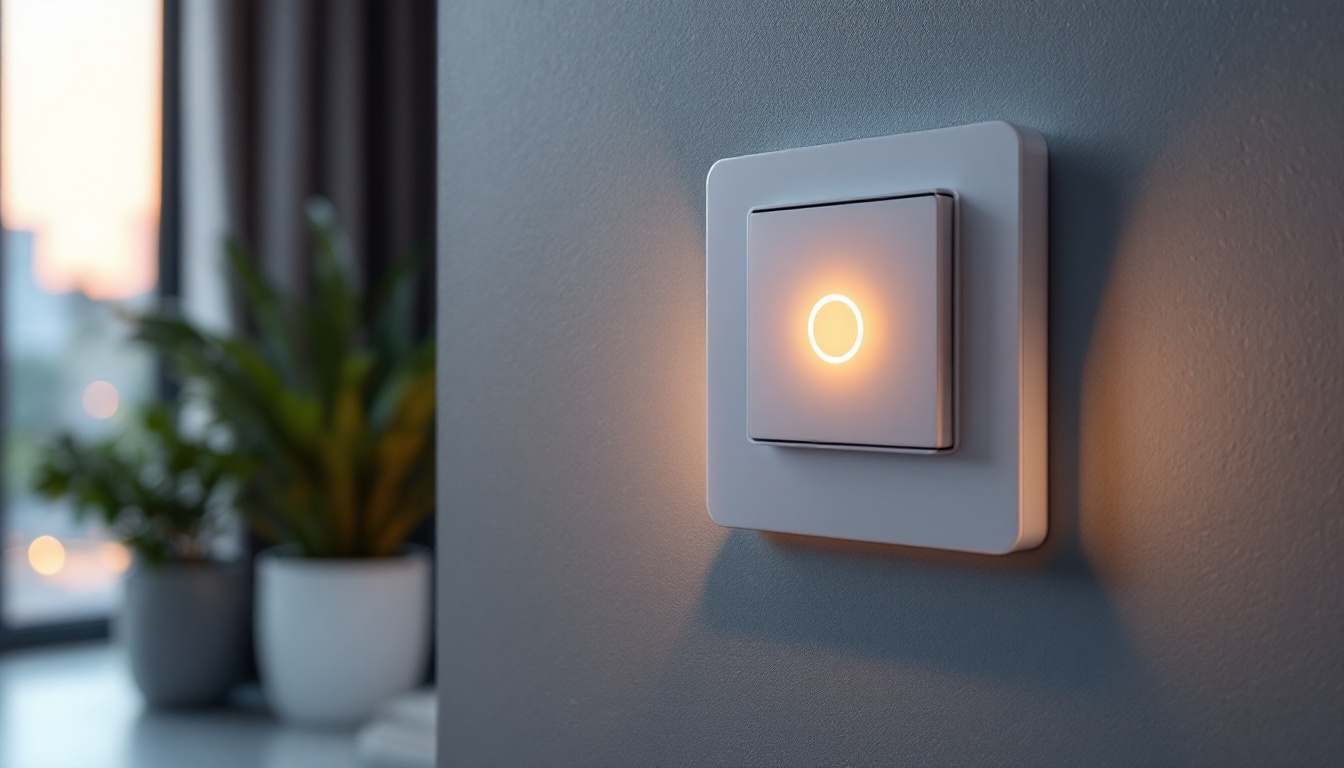
Furthermore, the integration of smart technology into 3 LED recessed lighting systems presents both opportunities and challenges. Many modern fixtures come equipped with smart capabilities, allowing users to control brightness, color, and even scheduling through mobile apps or voice-activated devices. However, this added complexity requires contractors to be well-versed in the latest technology and compatible systems. Ensuring seamless integration while maintaining the aesthetic appeal of the lighting design can be a delicate balancing act, demanding both technical knowledge and creative problem-solving skills.
Choosing the Right Components for Seamless Installation
Selecting Compatible Housings and Trims
LED technology varies widely between manufacturers, so compatibility is key. Not every recessed housing will work seamlessly with a 3 LED module. Lighting contractors should verify that the housing is rated for LED retrofit kits or integrated LED modules to prevent issues like flickering or poor thermal performance.
Trims also play a crucial role in the final look and function. Opting for trims designed specifically for 3 LED fixtures ensures proper light distribution and heat dissipation. Matte finishes help reduce glare, while adjustable trims allow for directional lighting, which can be valuable in accent or task lighting applications. Additionally, the choice of trim color and style can significantly impact the overall aesthetic of a space. For instance, a sleek, modern trim can enhance contemporary interiors, while a more ornate design may complement traditional decor. It’s essential to consider the surrounding elements, such as wall colors and furniture styles, to achieve a harmonious look.
Power Supplies and Dimming Controls
Power supplies must match the LED module’s specifications precisely. Using an incompatible driver can cause flickering, reduced lifespan, or even damage the LEDs. Contractors should source drivers from reputable manufacturers and double-check voltage and current ratings. Furthermore, it’s advisable to consider the efficiency of the power supply. Higher efficiency drivers not only reduce energy consumption but also generate less heat, contributing to the longevity of the entire lighting system.
Dimming is another area where problems frequently arise. Not all LED drivers support all dimmer types, and some dimmers can cause buzzing or flickering. Testing dimming compatibility before installation is essential, especially in commercial settings where lighting control systems are often integrated with building automation. Moreover, selecting the right dimming technology can enhance user experience; for example, smooth, flicker-free dimming can create the perfect ambiance for various activities, from focused work to relaxed gatherings. It’s also worth exploring advanced dimming options, such as smart dimmers that can be controlled via smartphone apps or voice commands, offering unprecedented convenience and customization for users.
Best Practices for Installation to Prevent Common Problems
Pre-Installation Planning and Site Assessment
Before beginning any installation, a thorough site assessment can save time and headaches. Confirm ceiling thickness, available clearance, and existing wiring conditions. This information helps determine if additional modifications or specialized components are necessary. Additionally, evaluating the overall layout and design of the space can help identify optimal fixture placement for maximum light distribution and aesthetic appeal. Consideration should also be given to the intended use of the space; for example, areas requiring task lighting may need different fixture types compared to ambient lighting zones.
Planning also involves coordinating with other trades to avoid conflicts, especially in retrofit projects where existing infrastructure may limit options. Clear communication ensures that the lighting system integrates smoothly with HVAC, fire suppression, and ceiling finishes. Furthermore, documenting the installation plan, including diagrams and notes on potential challenges, can serve as a valuable reference during the installation process, helping to streamline workflows and minimize disruptions.
Proper Wiring Techniques and Safety Considerations
Accurate wiring is fundamental to a successful LED recessed installation. Contractors should adhere strictly to electrical codes and manufacturer instructions. Using wire nuts rated for LED drivers and ensuring secure connections prevents loose wiring, which can cause intermittent operation or safety hazards. It is also advisable to use color-coded wires for easier identification and troubleshooting in the future. Additionally, labeling circuits and connections can significantly aid in maintenance and any potential future upgrades.
Grounding is equally important. Proper grounding reduces the risk of electrical shock and interference with dimming controls. When working in tight ceiling spaces, take care to avoid damaging insulation or other materials that could affect fixture performance or safety. Utilizing tools such as wire strippers and multimeters can help ensure that connections are not only secure but also compliant with safety standards. Regularly inspecting tools and equipment for wear and tear can further enhance safety during the installation process.
Managing Heat and Ventilation
Even though LEDs produce less heat, recessed housings can trap it if not designed properly. Contractors should use housings with adequate ventilation or heat sinks and avoid covering fixtures with insulation unless they are rated for such use (IC-rated). Overheating not only shortens LED lifespan but can also pose fire risks. It’s beneficial to conduct thermal imaging assessments post-installation to identify any hotspots that may indicate inadequate ventilation or potential issues that could arise over time.
Moreover, considering the airflow patterns in the ceiling cavity can also play a crucial role in heat management. Ensuring that there is sufficient space around the fixtures for air circulation can help maintain optimal operating temperatures. In some cases, installing additional ventilation systems or fans may be necessary to enhance airflow, particularly in larger or more complex installations. By proactively addressing heat management, contractors can significantly improve the longevity and performance of the lighting system, ensuring that it meets both aesthetic and functional requirements over its lifespan.
Post-Installation Checks and Maintenance Tips
Testing for Performance and Troubleshooting
After installation, it’s vital to test each fixture thoroughly. Check for flickering, dimming response, and consistent light output. Addressing issues immediately reduces callbacks and enhances client satisfaction.
If flickering occurs, verify driver compatibility and wiring integrity. Uneven light distribution may require trim adjustments or swapping components. Documenting these checks helps build a professional reputation and provides a reference for future projects.
Routine Maintenance and Client Guidance
LED fixtures generally require less maintenance than traditional lighting, but recessed installations can accumulate dust and debris, impacting performance. Advising clients on periodic cleaning and inspection extends fixture life and maintains optimal lighting quality.
Providing clients with information on warranty coverage, replacement parts, and recommended maintenance schedules empowers them to care for their lighting system properly. This proactive approach reduces service calls and fosters long-term relationships.
Leveraging Technology and Training for Better Outcomes
Staying Updated on LED Innovations
LED technology evolves rapidly. Lighting contractors who stay informed about the latest advancements can offer better solutions and avoid outdated practices that lead to issues. Subscribing to industry publications, attending trade shows, and engaging with manufacturers’ training programs are effective ways to keep skills sharp.
New developments in smart lighting controls, color tuning, and energy management provide opportunities to enhance 3 LED recessed installations. Understanding these trends allows contractors to recommend upgrades that meet client needs and building codes.
Investing in Workforce Training
Proper training for installation teams is crucial. Even experienced electricians can benefit from specialized instruction on LED recessed lighting nuances. Hands-on workshops and certification programs improve installation quality and reduce mistakes.
Training should cover component selection, wiring techniques, troubleshooting, and safety protocols. Well-trained crews complete jobs faster and with fewer errors, improving profitability and customer satisfaction.
Conclusion: Avoiding Issues with 3 LED Recessed Lighting
3 LED recessed lighting offers many benefits but requires careful attention to detail from lighting contractors. Selecting compatible components, planning installations meticulously, and following best practices for wiring and heat management are essential steps. Post-installation testing and client education further ensure long-term success.
Continuous learning and adaptation to new technologies keep contractors ahead of potential problems. By approaching each project with expertise and precision, lighting professionals can deliver high-quality 3 LED recessed lighting solutions that perform reliably and satisfy clients.
Get Your Premium 3 LED Recessed Lighting at LumenWholesale
Ready to elevate your lighting projects with the highest quality 3 LED recessed lighting solutions? Look no further than LumenWholesale, where we provide contractors with spec-grade lighting products at exceptional wholesale prices. Say goodbye to local distributor markups and hello to our extensive selection that meets rigorous industry standards. With LumenWholesale, you’ll enjoy the convenience of free shipping on bulk orders, ensuring you get the best value without any hidden costs. Don’t compromise on quality or price. Discover wholesale lighting at the best value and make your next installation a shining success with LumenWholesale.