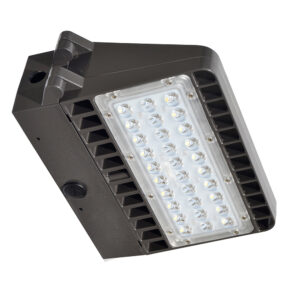
Understanding 277V LED Lighting Systems
For lighting contractors, 277V LED lighting systems represent a significant opportunity to deliver energy-efficient, reliable, and cost-effective solutions for commercial and industrial clients. Operating at 277 volts, these lighting systems are commonly found in North American commercial buildings, warehouses, and large retail spaces where three-phase power distribution is standard. Understanding the electrical characteristics and installation requirements of 277V LED lights is essential to ensure safety, performance, and customer satisfaction.
277V LED lights typically replace traditional fluorescent or HID fixtures, offering advantages such as reduced energy consumption, longer lifespan, and improved light quality. However, the higher voltage compared to standard residential 120V systems means contractors must be diligent about wiring practices, fixture compatibility, and regulatory compliance.
Why 277V? The Electrical Context
277 volts is derived from a 480V three-phase system, commonly used in commercial and industrial settings. The 480V supply is stepped down to 277V for lighting circuits, allowing for efficient power distribution and reduced current load on wiring. This setup enables lighting contractors to install fixtures that operate at higher voltage, which can reduce conductor size and installation costs.
From a contractor’s perspective, the 277V system demands careful attention to the type of LED fixtures selected. Not all LED drivers are rated for 277V, and using incompatible products can lead to premature failure, flickering, or even safety hazards. Verifying voltage ratings and ensuring UL or equivalent certification is critical.
Moreover, the implementation of 277V LED lighting systems can significantly contribute to a building’s overall energy efficiency goals. With the ability to dim and control lighting through advanced technologies, such as occupancy sensors and smart controls, these systems can optimize energy usage based on real-time needs. This adaptability not only enhances the comfort of occupants but also extends the lifespan of the lighting fixtures, making them a sustainable choice for businesses aiming to reduce their carbon footprint.
Additionally, the shift towards LED technology in 277V systems aligns with broader trends in energy conservation and sustainability. Many jurisdictions offer incentives for upgrading to energy-efficient lighting solutions, which can offset initial installation costs. As contractors navigate these opportunities, they can also educate clients on the long-term savings associated with lower energy bills and reduced maintenance costs, fostering a more informed decision-making process. This not only strengthens the contractor-client relationship but also positions contractors as knowledgeable partners in the transition to more sustainable practices.
Common Pitfalls When Installing 277V LED Lights
Despite the benefits, several pitfalls can undermine the success of 277V LED lighting projects. Awareness and proactive mitigation of these issues can prevent costly callbacks and maintain professional reputation.
Incorrect Fixture Selection and Compatibility Issues
One of the most frequent mistakes is selecting LED fixtures or drivers that are not designed for 277V operation. Some LED products are rated only for 120V or 240V circuits. Using these on a 277V line can cause immediate damage or reduce fixture lifespan. Contractors should always confirm the product specifications and consult manufacturer datasheets.
Additionally, compatibility with dimming controls is a critical consideration. Many commercial lighting systems incorporate dimmers or building automation controls. Not all 277V LED drivers support dimming, or they may require specific control protocols such as 0-10V or DALI. Failure to match the driver with the control system can result in flickering or non-functional dimming. It’s also worth noting that some LED fixtures may have built-in dimming capabilities, but these features might only be activated when paired with compatible drivers, further complicating the selection process.
Improper Wiring and Circuit Design
Working with 277V circuits requires strict adherence to electrical codes and best practices. Using wiring rated for lower voltage or incorrect gauge can lead to overheating and fire hazards. Lighting contractors must ensure that all wiring, connectors, and conduit meet local electrical code requirements for 277V applications.
Another common wiring pitfall is the incorrect identification of neutral and hot wires. Since 277V lighting circuits often share a neutral with other loads, proper labeling and testing are essential to avoid cross-connections or unintentional energizing of circuits during maintenance. Moreover, the layout of the circuit should be carefully planned to minimize voltage drop, which can affect light output and color consistency across fixtures. This is particularly important in larger installations where long runs of wire can lead to significant discrepancies in performance.
Ignoring Power Quality and Harmonics
LED lighting systems can be sensitive to power quality issues, especially in commercial environments with large electrical loads. Harmonics generated by non-linear loads such as variable frequency drives or large computer systems can cause flickering, reduced efficiency, and premature driver failure.
Contractors should assess the electrical environment and, if necessary, recommend harmonic filters or power conditioning devices. Additionally, specifying LED drivers with high power factor and low total harmonic distortion (THD) ratings helps ensure stable operation. It’s also beneficial to conduct a power quality analysis before installation, as this can uncover underlying issues that may not be immediately apparent but could lead to long-term complications. By addressing these concerns upfront, contractors can enhance the reliability of the lighting system and ultimately improve customer satisfaction.
Best Practices for Successful 277V LED Lighting Installations
Adopting a systematic approach to 277V LED lighting projects can minimize risks and optimize outcomes. The following best practices are essential for lighting contractors aiming to deliver high-quality installations.
Thorough Pre-Installation Planning
Before installation begins, conduct a comprehensive site survey to understand the existing electrical infrastructure, load requirements, and control systems. Verify the availability and condition of 277V circuits, and identify any potential conflicts or upgrades needed.
Engage with the client to clarify lighting goals, such as desired illumination levels, energy savings targets, and control preferences. This information guides fixture selection and system design, ensuring that the installed solution meets both technical and business objectives. Additionally, consider the environmental factors that may affect the lighting system, such as natural light availability and the specific activities taking place in the space. This holistic approach not only enhances the functionality of the lighting but also contributes to a more pleasant and productive environment for occupants.
Selecting the Right Fixtures and Drivers
Choose LED fixtures and drivers explicitly rated for 277V operation, preferably with certifications from recognized testing laboratories. Prioritize products with proven reliability and manufacturer support, as these factors reduce the risk of warranty claims and maintenance issues.
Consider the compatibility of fixtures with dimming and control systems early in the specification process. Where possible, select integrated solutions that simplify wiring and reduce installation time. Additionally, take into account the aesthetic aspects of the fixtures, as they should complement the architecture and design of the space. The right choice of fixtures can not only enhance the visual appeal but can also impact the overall mood and functionality of the area, making it essential to balance technical specifications with design considerations.
Adhering to Electrical Codes and Safety Standards
Compliance with the National Electrical Code (NEC) and local regulations is non-negotiable. Use appropriately rated wiring, connectors, and protective devices. Ensure all connections are secure and properly insulated to prevent electrical faults.
Implement lockout/tagout procedures during installation and maintenance to protect workers from accidental energization. Regularly update safety training for your team to keep pace with evolving standards and technologies. Furthermore, consider conducting regular audits of your safety practices and equipment to identify areas for improvement. This proactive approach not only enhances safety but also fosters a culture of responsibility and awareness among your team, ultimately leading to safer and more efficient installations.
Testing and Commissioning
After installation, perform thorough testing to verify correct operation. This includes checking voltage levels, verifying fixture illumination, assessing dimming functionality, and measuring power consumption. Document results and provide clients with detailed reports to demonstrate compliance and performance.
Commissioning also involves educating the client’s maintenance staff on system operation and troubleshooting, which helps extend the lifespan of the installation and reduces service calls. Additionally, consider setting up a follow-up schedule to assess the system’s performance over time. This ongoing relationship can provide valuable insights into how the lighting system is functioning in real-world conditions and allow for timely adjustments or upgrades as needed. By fostering this partnership, you not only enhance client satisfaction but also position yourself as a trusted advisor in their lighting needs.
Emerging Trends and Technologies in 277V LED Lighting
The lighting industry continues to evolve rapidly, and staying informed about emerging trends is crucial for contractors aiming to maintain a competitive edge.
Smart Lighting and IoT Integration
Smart lighting systems that incorporate sensors, wireless controls, and Internet of Things (IoT) connectivity are increasingly common in commercial buildings. These systems allow for advanced features such as occupancy sensing, daylight harvesting, and remote monitoring, which can significantly enhance energy savings and user comfort.
When working with 277V LED lights, contractors should consider how these smart technologies integrate with existing electrical infrastructure and control protocols. Selecting fixtures and drivers compatible with smart controls can future-proof installations and add value for clients.
Advancements in LED Driver Technology
New generations of LED drivers offer improved efficiency, wider input voltage ranges, and enhanced dimming capabilities. Some drivers now support universal voltage inputs, simplifying inventory management for contractors who work across different voltage systems.
Additionally, innovations in thermal management and surge protection increase fixture longevity and reliability, reducing maintenance costs for building owners.
Sustainability and Energy Codes
Energy codes and sustainability standards continue to tighten, driving demand for higher-efficiency lighting solutions. Many jurisdictions now require lighting systems to meet stringent performance criteria, including power factor, efficacy, and controllability.
Contractors should stay current with these regulations to ensure that 277V LED lighting installations comply and help clients achieve certification goals such as LEED or WELL Building Standard.
Conclusion: Delivering Excellence in 277V LED Lighting
For lighting contractors, mastering the nuances of 277V LED lighting systems is essential to deliver safe, efficient, and reliable solutions for commercial clients. By understanding the electrical context, avoiding common pitfalls, and adopting best practices, contractors can enhance project outcomes and build lasting client relationships.
Staying informed about technological advances and regulatory changes further positions contractors as trusted experts in the field. Ultimately, a thoughtful and professional approach to 277V LED lighting projects not only benefits contractors but also contributes to the broader goals of energy efficiency and sustainability in the built environment.
Get Your 277V LED Lighting Supplies at LumenWholesale
Ready to elevate your lighting projects with the best 277V LED solutions? At LumenWholesale, we provide lighting contractors like you with the highest quality, spec-grade lighting products at unbeatable wholesale prices. Say goodbye to local distributor markups and hello to our extensive selection that meets rigorous industry standards. With free shipping on bulk orders, you can trust that you’re getting premium lighting at the best value — all without hidden fees or compromises. Enhance your commercial installations with the perfect blend of quality, affordability, and convenience. Wholesale Lighting at the Best Value is just a click away.