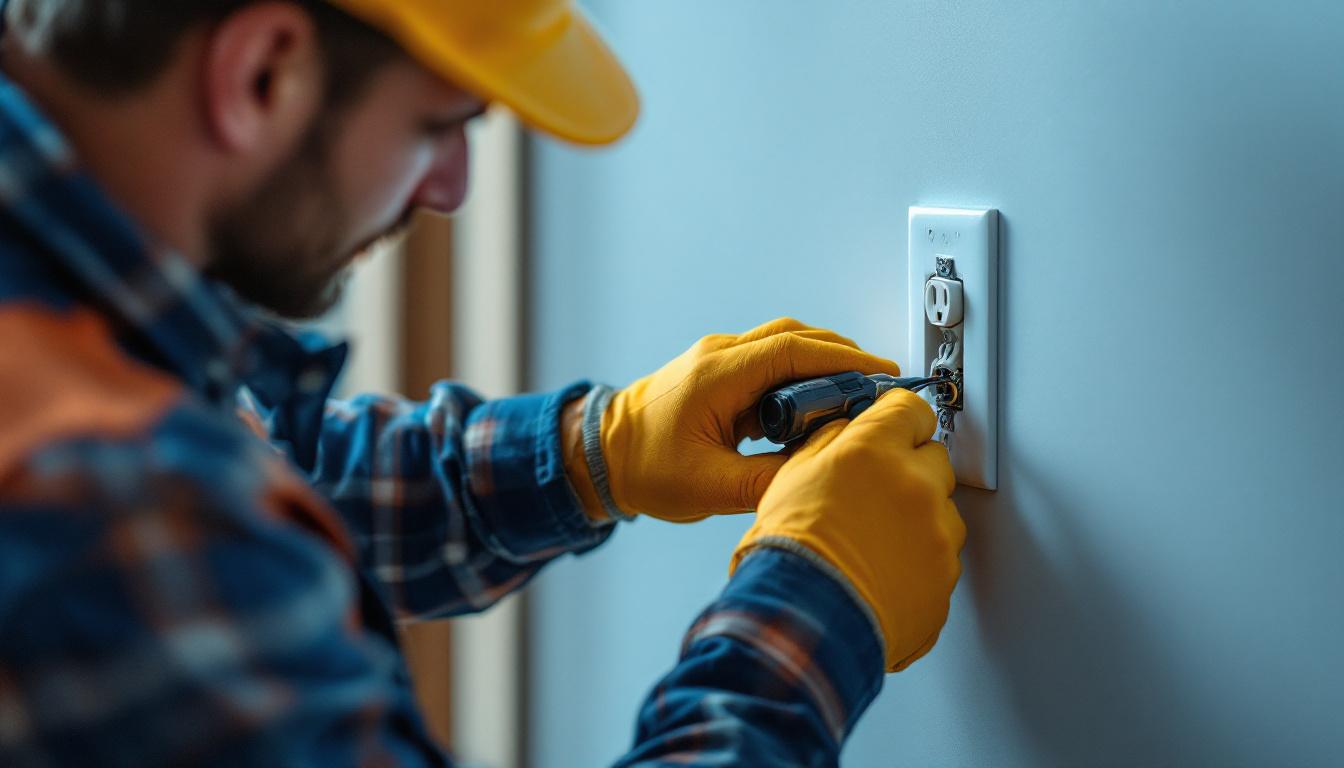
In the world of electrical installations, understanding the nuances of 110 electrical outlets is crucial for lighting contractors. These outlets are not just standard components; they play a vital role in ensuring safety, efficiency, and functionality in residential and commercial lighting projects. This article delves into essential tips and insights that every lighting contractor should consider when working with 110 electrical outlets.
Understanding 110 Electrical Outlets
Before diving into practical tips, it is essential to grasp what 110 electrical outlets are and their significance in the electrical system. Typically rated for 120 volts, these outlets are commonly used in North America for various applications, including lighting fixtures. The design and functionality of these outlets have evolved over the years, making them a staple in modern electrical systems. Understanding their role not only aids in proper installation but also enhances safety and efficiency in electrical usage.
Basic Specifications
110 electrical outlets are designed to handle a maximum current of 15 or 20 amps, depending on the circuit configuration. The standard outlet features two vertical slots and a round grounding hole. Understanding these specifications is vital for contractors to ensure that the outlets installed can handle the electrical load required by lighting systems. Additionally, the materials used in the construction of these outlets, such as thermoplastic or nylon, contribute to their durability and resistance to wear and tear, making them suitable for high-traffic areas.
Common Uses
These outlets are versatile and can be found in various settings, from residential homes to commercial buildings. They are primarily used to power lighting fixtures, ceiling fans, and other small appliances. Recognizing the common applications helps contractors plan installations effectively, ensuring that the right outlets are used for the right purposes. Beyond basic lighting, 110 outlets also support a range of devices, including computer equipment, televisions, and kitchen appliances, making them integral to everyday life. In commercial spaces, these outlets are often strategically placed to accommodate the needs of businesses, ensuring that employees have easy access to power sources for their devices and tools.
Safety Considerations
When working with 110 electrical outlets, safety should always be a top priority. It is crucial to ensure that all installations comply with local electrical codes and standards to prevent hazards such as electrical shocks or fires. Using GFCI (Ground Fault Circuit Interrupter) outlets in areas prone to moisture, like kitchens and bathrooms, adds an extra layer of protection. Furthermore, regular inspections and maintenance of outlets can help identify wear or damage, ensuring that they remain safe and functional over time. Proper labeling of circuits and outlets can also aid in quick identification during emergencies, making it easier for both homeowners and electricians to address issues promptly.
Installation Best Practices
Proper installation of 110 electrical outlets is critical for safety and functionality. Following best practices can prevent electrical hazards and ensure that lighting systems operate efficiently.
Choosing the Right Location
When installing 110 electrical outlets, location matters significantly. Outlets should be placed where they are easily accessible and can support the intended lighting design. For instance, in a living room, outlets should be positioned to accommodate floor lamps and table lamps without creating trip hazards.
Additionally, consider the height at which outlets are installed. Standard practice suggests placing outlets about 12 to 18 inches above the floor for easy access. However, this may vary based on specific design requirements or local codes.
Adhering to Local Codes
Every region has specific electrical codes that must be followed when installing outlets. Familiarity with local regulations is essential for contractors to ensure compliance and safety. These codes often dictate the number of outlets required in a room, the spacing between them, and safety measures such as GFCI (Ground Fault Circuit Interrupter) protection in wet areas.
Contractors should also stay updated on any changes to these codes, as they can impact future projects and installations.
Safety Considerations
Safety is paramount in any electrical installation, and working with 110 electrical outlets is no exception. Implementing safety measures can protect both the contractor and the end-user.
Using the Right Tools
Having the appropriate tools for installation is crucial. This includes insulated screwdrivers, voltage testers, and wire strippers. Using the right tools not only makes the installation process smoother but also minimizes the risk of accidents.
Moreover, contractors should ensure that all tools are in good working condition and suitable for electrical work. Regular maintenance and inspection of tools can prevent malfunctions during installations.
Implementing Safety Protocols
Before starting any electrical work, it is vital to implement safety protocols. This includes shutting off power at the circuit breaker, using lockout/tagout procedures, and wearing appropriate personal protective equipment (PPE).
Additionally, contractors should educate their teams about the importance of safety measures and encourage a culture of safety on the job site. This proactive approach can significantly reduce the risk of accidents and injuries.
Wiring Techniques for 110 Outlets
Proper wiring techniques are essential for ensuring that 110 electrical outlets function correctly and safely. Understanding how to wire these outlets is a fundamental skill for any lighting contractor.
Understanding Wiring Configurations
110 electrical outlets can be wired in several configurations, including series and parallel. Most installations use a parallel configuration, which allows multiple outlets to operate independently. This is particularly important for lighting applications, where one fixture should not affect the operation of another.
Contractors should also be familiar with the color-coding of wires: black or red for hot, white for neutral, and green or bare for ground. Properly connecting these wires is essential for safety and functionality.
Grounding Practices
Grounding is a critical aspect of electrical installations. Proper grounding of 110 electrical outlets helps prevent electrical shocks and equipment damage. Contractors should ensure that all outlets are correctly grounded, using the grounding screw provided on the outlet.
In cases where a grounding wire is not available, contractors may need to install GFCI outlets, which provide ground fault protection without a dedicated ground wire. Understanding these alternatives is essential for ensuring compliance and safety in various installation scenarios.
Testing and Maintenance
Once the installation is complete, testing and maintenance are crucial steps that should not be overlooked. These processes ensure that the electrical outlets function correctly and safely over time.
Conducting Tests
After installing 110 electrical outlets, contractors should conduct thorough testing to ensure proper functionality. This includes using a voltage tester to confirm that the outlet is receiving power and checking for any wiring issues.
Additionally, testing for ground continuity is essential to ensure that the outlet is grounded correctly. Regular testing can help identify potential issues before they become significant problems, ensuring safety and reliability for the end-users.
Implementing a Maintenance Schedule
Establishing a maintenance schedule for electrical outlets is a proactive approach to ensuring long-term functionality. This includes periodic inspections to check for signs of wear, loose connections, or damage.
Contractors should also educate clients on the importance of reporting any issues with outlets, such as flickering lights or tripped breakers. Early detection of problems can prevent costly repairs and enhance safety.
Common Issues and Troubleshooting
Even with proper installation and maintenance, issues can arise with 110 electrical outlets. Being prepared to troubleshoot these problems is essential for any lighting contractor.
Identifying Common Problems
Some common issues with 110 electrical outlets include tripped breakers, flickering lights, and outlets that do not work at all. Understanding the symptoms of these problems can help contractors diagnose issues quickly.
For instance, if multiple outlets are not functioning, it may indicate a tripped breaker or a problem with the circuit. On the other hand, flickering lights may suggest a loose connection or a failing fixture.
Troubleshooting Techniques
When troubleshooting, contractors should start by checking the circuit breaker to see if it has tripped. If the breaker is intact, the next step is to inspect the outlet itself for loose wires or damage.
Using a multimeter can also help identify electrical issues. By measuring voltage and continuity, contractors can pinpoint problems and take corrective action. Having a systematic approach to troubleshooting can save time and enhance service quality.
Future Trends in Electrical Outlets
The electrical industry is constantly evolving, and staying informed about future trends can give lighting contractors a competitive edge. Understanding these trends can help contractors adapt their services and offerings to meet changing demands.
Smart Outlets and Home Automation
With the rise of smart home technology, electrical outlets are becoming more advanced. Smart outlets allow users to control lighting and appliances remotely, enhancing convenience and energy efficiency. Lighting contractors should familiarize themselves with these technologies to offer clients modern solutions.
Integrating smart outlets into lighting designs can also provide added value, enabling homeowners to customize their lighting experiences. This trend is expected to grow, making it essential for contractors to stay ahead of the curve.
Energy Efficiency and Sustainability
As the focus on energy efficiency and sustainability increases, contractors should consider how electrical outlets can contribute to greener practices. This includes using energy-efficient lighting solutions and promoting the use of outlets that support energy-saving technologies.
By incorporating sustainable practices into their work, lighting contractors can appeal to environmentally conscious clients and contribute to a more sustainable future.
Conclusion
Understanding 110 electrical outlets is essential for lighting contractors aiming to deliver safe, efficient, and high-quality installations. By following best practices for installation, prioritizing safety, and staying informed about industry trends, contractors can enhance their services and ensure client satisfaction.
Whether dealing with installation, troubleshooting, or future technologies, a solid foundation in the principles of 110 electrical outlets will empower contractors to excel in their field. As the electrical landscape continues to evolve, staying knowledgeable and adaptable will be key to success in the lighting industry.
Get Your Premium Lighting Supplies at LumenWholesale
Ready to elevate your lighting installations with the highest quality products? Look no further than LumenWholesale, where we provide lighting contractors with spec-grade lighting products at unbeatable wholesale prices. Say goodbye to local distributor markups and hello to superior lighting solutions that meet the highest industry standards. With our hassle-free bulk buying and free shipping, you can trust that you’re getting premium lighting at the best value — without any hidden fees. Don’t compromise on quality, affordability, or convenience. Visit LumenWholesale today and experience the difference for yourself!