Understanding the Unique Challenges of Bathroom Lighting
Bathrooms present a distinctive set of lighting challenges that require careful consideration. Unlike other rooms, bathrooms combine high moisture levels, frequent temperature fluctuations, and the need for precise, flattering illumination. For lighting contractors, selecting LED lights that can withstand these conditions while enhancing functionality and aesthetics is critical.
Moisture resistance is paramount. Bathrooms are humid environments where condensation and splashes are common. Using fixtures not rated for damp or wet locations can lead to premature failure or safety hazards. Additionally, lighting must be bright enough for tasks like shaving or makeup application but also adaptable to create a relaxing ambiance for baths or unwinding.
Another important aspect of bathroom lighting is the layering of light sources. A well-designed bathroom should incorporate ambient, task, and accent lighting to create a versatile space. Ambient lighting provides overall illumination, often achieved through ceiling-mounted fixtures or recessed lights, while task lighting focuses on specific areas, such as around mirrors or vanities. Accent lighting, on the other hand, can highlight architectural features or decorative elements, adding depth and visual interest to the room. By thoughtfully combining these different types of lighting, homeowners can ensure that their bathrooms are both functional and inviting.
Furthermore, the color temperature of the lighting plays a significant role in how the space feels and functions. Warmer tones can create a cozy atmosphere, perfect for relaxation, while cooler tones are often more energizing and can help with detailed tasks. Many modern LED fixtures offer adjustable color temperatures, allowing users to customize their lighting based on the time of day or their specific needs. This flexibility not only enhances the overall experience but also contributes to the bathroom’s aesthetic appeal, making it a sanctuary for self-care and rejuvenation.
“`html
Key Factors to Consider When Choosing LED Lights for Bathrooms
IP Rating: Ensuring Safety and Durability
The Ingress Protection (IP) rating is a fundamental specification for bathroom lighting. It indicates how well a fixture is protected against solids and liquids. For bathroom installations, especially near showers, tubs, or sinks, an IP rating of at least IP44 is recommended. This rating ensures protection against water splashes from any direction.
For zones directly exposed to water jets or heavy moisture, such as inside shower enclosures, higher ratings like IP65 or IP67 are advisable. Selecting LED fixtures with appropriate IP ratings not only guarantees longevity but also ensures compliance with electrical safety codes. Additionally, it’s worth noting that fixtures with higher IP ratings tend to be more robust and can withstand the humid environment of a bathroom, reducing the risk of corrosion and electrical failures over time.
Color Temperature: Balancing Functionality and Comfort
Color temperature, measured in Kelvins (K), profoundly impacts the bathroom atmosphere. Cooler temperatures (4000K–5000K) emit a crisp, white light that mimics daylight, ideal for task lighting where clarity and detail are essential. This is beneficial around mirrors and vanity areas.
Warmer temperatures (2700K–3000K) create a cozy, inviting ambiance, better suited for general lighting or relaxation zones. Many modern LED products offer tunable white options, allowing users to adjust color temperature throughout the day, enhancing versatility in bathroom lighting. This adaptability can be particularly useful for creating a soothing environment during evening baths or energizing lighting during morning routines, thus catering to the varying needs of users at different times of the day.
Luminous Efficacy and Brightness
Brightness is measured in lumens, and efficiency is expressed as lumens per watt (lm/W). Bathrooms typically require between 70 to 100 lumens per square foot, depending on the size and layout. LED lights outperform traditional bulbs by delivering high brightness with lower energy consumption, a key selling point for clients focused on sustainability and cost savings.
Contractors should evaluate the lumen output relative to fixture size and placement to avoid under- or over-lighting. Dimmable LEDs provide flexibility, enabling users to tailor brightness to different needs and times of day. Furthermore, incorporating multiple light sources, such as sconces, recessed lights, and overhead fixtures, can enhance the overall lighting design, creating layers of light that add depth and dimension to the space while ensuring every corner is well-lit.
CRI (Color Rendering Index): True Colors Matter
CRI measures how accurately a light source reveals colors compared to natural light. For bathrooms, where color accuracy affects makeup application and grooming, a CRI of 80 or above is advisable. LEDs with high CRI values ensure skin tones and colors appear natural and vibrant, enhancing user satisfaction.
Moreover, a high CRI can significantly impact the overall aesthetic of the bathroom. When selecting fixtures, consider how they will interact with the colors of the tiles, paint, and decor. A well-lit bathroom with accurate color rendering can make the space feel more inviting and luxurious. Additionally, using fixtures with a high CRI can help in showcasing decorative elements, such as artwork or unique tile patterns, ensuring that the bathroom remains a visually appealing retreat.
“`
Types of LED Fixtures Suitable for Bathroom Applications
Recessed Downlights
Recessed LED downlights are a popular choice for bathrooms due to their sleek, unobtrusive design. They provide even, focused illumination without cluttering the ceiling. When selecting downlights, contractors must verify IP ratings and ensure they are installed with appropriate trims and seals to prevent moisture ingress.
These fixtures work well for general lighting and can be strategically placed to minimize shadows around mirrors and sinks. Additionally, recessed downlights can be equipped with dimmable features, allowing users to adjust the brightness according to their needs, whether it’s for a relaxing bath or a bright morning routine. The versatility of these fixtures makes them suitable for various bathroom styles, from contemporary to traditional, ensuring that they blend seamlessly with the overall design.
Vanity Lights and Mirror Lighting
Proper lighting around mirrors is critical. Vanity lights should eliminate shadows on the face, providing uniform illumination. LED strips or bars mounted vertically on either side of the mirror or integrated into the mirror frame are effective solutions.
Choosing fixtures with diffusers helps soften light and reduce glare, improving comfort. Some LED vanity lights also offer adjustable color temperatures, catering to different lighting preferences throughout the day. For instance, a cooler light can help with precise grooming tasks, while a warmer hue can create a more inviting atmosphere for relaxation. Furthermore, incorporating smart technology into vanity lighting allows users to control brightness and color settings via mobile apps or voice commands, enhancing convenience and personalization.
Ceiling-Mounted Fixtures and LED Panels
For larger bathrooms, ceiling-mounted LED panels or flush mounts provide broad, diffuse lighting. These fixtures distribute light evenly, reducing harsh contrasts and creating a clean, modern look. Their energy efficiency and long lifespan make them a practical choice for both residential and commercial bathrooms.
Moreover, LED panels can be integrated with advanced lighting systems that allow for customizable settings, such as different brightness levels and color temperatures. This adaptability is particularly beneficial in multifunctional bathrooms that serve as both a personal grooming space and a relaxation area. With the right ceiling-mounted fixtures, homeowners can create a spa-like ambiance that enhances their overall bathing experience.
Accent and Mood Lighting
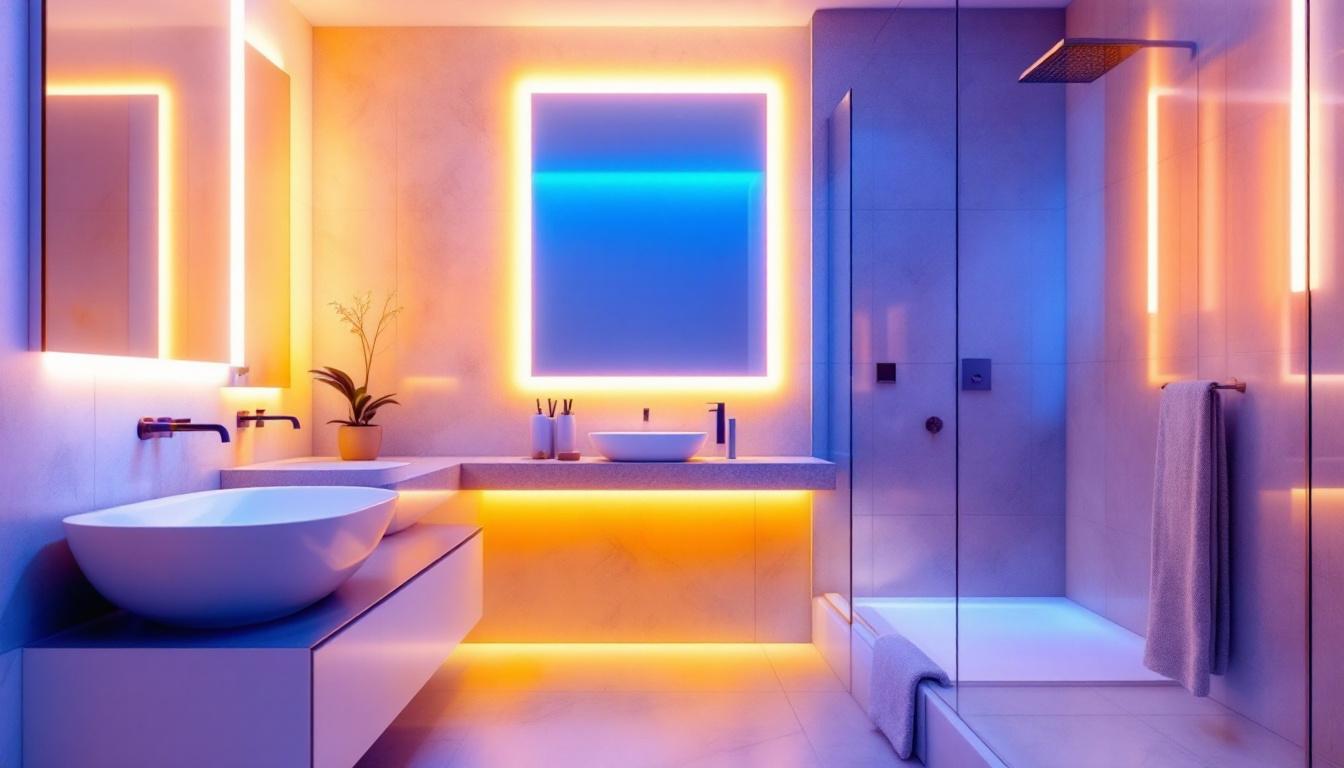
Accent lighting enhances architectural features or highlights decorative elements. LED strip lights installed under cabinets, around bathtubs, or along coves add depth and ambiance. These low-voltage options are easy to install and can be paired with dimmers or smart controls for dynamic effects.
In addition to their aesthetic appeal, accent lights can also improve safety by illuminating pathways and potential hazards in the bathroom. For instance, soft LED lighting around the edges of a step-in shower can help prevent slips and falls during nighttime use. Furthermore, using color-changing LED strips allows homeowners to set different moods for various occasions, transforming a standard bathroom into a vibrant space for entertaining or a serene retreat for self-care. This versatility makes accent lighting an essential component of modern bathroom design.
Installation Considerations and Best Practices
Compliance with Electrical Codes and Standards
Lighting contractors must adhere to local electrical codes and standards, which often specify requirements for bathroom lighting installations. This includes proper grounding, use of GFCI (Ground Fault Circuit Interrupter) protected circuits, and compliance with IP ratings for fixtures in wet zones.
Consulting the National Electrical Code (NEC) or relevant regional regulations ensures installations are safe and pass inspections without issues.
Placement and Zoning
Bathrooms are typically divided into zones based on proximity to water sources. Zone 0 is inside the bathtub or shower, Zone 1 is above the bathtub or shower up to 2.25 meters, and Zone 2 extends 0.6 meters beyond Zone 1. Each zone has specific lighting requirements, especially regarding IP ratings.
Proper zoning helps contractors select suitable fixtures and avoid safety hazards. For example, only IP67-rated lights should be used in Zone 0, while IP44 is acceptable for Zones 1 and 2.
Energy Efficiency and Sustainability
LED lights are inherently energy-efficient, but selecting products with ENERGY STAR certification or similar endorsements can reassure clients about performance and savings. Encouraging the use of dimmers, occupancy sensors, or smart lighting controls further reduces energy consumption and enhances user convenience.
Maintenance and Accessibility
Bathrooms require lighting fixtures that are easy to clean and maintain. Moisture and grime buildup can reduce light output and damage components. Choosing LED fixtures with sealed designs and accessible installation points simplifies routine maintenance.
Contractors should also educate clients on cleaning procedures and recommend periodic inspections to prolong fixture lifespan.
Emerging Trends and Technologies in Bathroom LED Lighting
Smart Lighting Integration
Smart LED lighting systems allow users to control brightness, color temperature, and schedules via smartphone apps or voice assistants. This technology is gaining traction in bathroom design, offering personalized lighting scenes for different activities.
For contractors, installing smart-compatible fixtures and wiring for connectivity adds value and future-proofs installations.
Human-Centric Lighting
Human-centric lighting focuses on aligning artificial light with natural circadian rhythms. In bathrooms, this means cooler, brighter light in the morning to stimulate alertness and warmer, dimmer light in the evening to promote relaxation.
LED products with tunable white capabilities support this approach, improving user well-being and comfort.
Advanced Materials and Designs
Innovations in LED technology include ultra-thin panels, flexible strips, and fixtures with enhanced moisture resistance. These advancements enable more creative and functional bathroom lighting designs, from seamless ceiling integrations to customizable accent lighting.
Conclusion: Making Informed Choices for Bathroom LED Lighting
Choosing the right LED lights for bathrooms requires a blend of technical knowledge, practical experience, and an understanding of client needs. Prioritizing IP ratings, color temperature, CRI, and fixture type ensures lighting solutions that are safe, efficient, and visually appealing.
Contractors who stay informed about emerging technologies and best practices will deliver superior installations that stand the test of time and elevate the bathroom experience.
“`html
Illuminate Your Projects with LumenWholesale
Ready to elevate your bathroom lighting installations with the best LED solutions on the market? Look no further than LumenWholesale, where we offer an extensive selection of spec-grade lighting products designed to meet the unique demands of bathroom environments. Benefit from our unbeatable wholesale prices and free shipping on bulk orders, ensuring you get the most value for your investment. Don’t compromise on quality or cost—choose Wholesale Lighting at the Best Value and make your next project shine with LumenWholesale.
“`