Understanding LED Lighting Trim: More Than Just a Finish
When it comes to LED lighting installations, the trim is often overlooked as a mere finishing touch. However, for lighting contractors, the trim plays a pivotal role in the overall performance, aesthetics, and functionality of the fixture. LED trim isn’t just about covering the hole in the ceiling; it directly impacts light distribution, heat dissipation, and even energy efficiency.
LED trims come in a variety of shapes, sizes, and materials, each designed to meet specific installation needs and design goals. Whether retrofitting an existing recessed housing or installing new fixtures, understanding the nuances of LED trim can save time, reduce callbacks, and enhance client satisfaction.
Why Trim Matters in LED Installations
Unlike traditional incandescent or fluorescent lighting, LED fixtures often integrate the light source and trim more closely. The trim influences beam angle, glare control, and color rendering. For example, a well-designed baffle trim can reduce glare in commercial spaces, improving occupant comfort and productivity.
Additionally, LED trims contribute to thermal management. Since LEDs generate less heat than traditional bulbs but are more sensitive to temperature, trims with proper heat dissipation features can extend fixture life and maintain lumen output. Ignoring this aspect risks premature fixture failure and increased maintenance costs.
Moreover, the choice of trim can significantly affect the overall ambiance of a space. For instance, trims with a matte finish can help diffuse light more evenly, creating a softer glow that enhances the mood of residential areas such as living rooms and bedrooms. On the other hand, polished or reflective trims can amplify brightness in commercial settings, making them ideal for retail spaces where product visibility is crucial. The interplay between trim design and light quality is essential for achieving the desired aesthetic and functional outcomes in any environment.
Furthermore, advancements in LED technology have led to the development of trims that incorporate smart features, such as adjustable color temperatures and integrated dimming capabilities. These innovative trims allow users to customize their lighting experience, adapting to different activities and times of day. As smart home technology continues to evolve, the integration of intelligent trims will become increasingly important, offering both convenience and energy savings. Understanding these options empowers contractors to provide tailored solutions that meet the unique needs of each client.
Types of LED Lighting Trim and Their Applications
Lighting contractors should be familiar with the main categories of LED trims to select the right option for each project. Here’s a breakdown of common types and where they excel:
1. Baffle Trims
Baffle trims feature a ribbed interior designed to absorb excess light and reduce glare. They are ideal for environments like offices, retail stores, and galleries where visual comfort is paramount. The matte finish inside the baffle minimizes reflections, creating a clean, focused light output. Additionally, baffle trims are available in various sizes and colors, allowing for customization that can complement the overall design aesthetic of a space. Their ability to provide soft, diffused lighting makes them particularly suitable for areas where prolonged visual tasks are performed, such as reading nooks or workstations.
2. Reflector Trims
Reflector trims use a smooth, reflective surface to maximize light output and create a wider beam spread. These trims are perfect for general ambient lighting in large spaces such as lobbies, conference rooms, and residential living areas. Their design enhances brightness without harshness. Moreover, reflector trims often come with options for different beam angles, allowing lighting designers to tailor the intensity and spread of light to meet specific needs. This versatility makes them a go-to choice for creating inviting atmospheres in both commercial and residential settings, where the right lighting can significantly influence mood and functionality.
3. Eyeball and Adjustable Trims
Adjustable trims allow directional control of the light beam, offering flexibility in highlighting architectural features, artwork, or retail displays. Eyeball trims are a popular choice in hospitality and museum settings where precise lighting angles are necessary to create mood or focus attention. These trims can also be beneficial in residential applications, such as in home theaters or living rooms, where adjustable lighting can enhance the viewing experience. With the ability to pivot and tilt, eyeball trims provide dynamic lighting solutions that can adapt to changing needs, making them an essential component in versatile design schemes.
4. Wall Wash Trims
Wall wash trims distribute light evenly across vertical surfaces, accentuating textures and colors. They are commonly used in galleries, corridors, and retail spaces to enhance visual interest and depth. Properly selected wall wash trims can dramatically change the perception of a room’s size and ambiance. In addition to their aesthetic benefits, wall wash trims can also help to create a sense of continuity in open spaces, guiding the eye along walls and leading visitors through a space. Their ability to highlight architectural details or artwork makes them invaluable in settings where visual storytelling is key, such as museums or high-end retail environments.
Key Considerations for Selecting LED Trims
Choosing the right LED trim involves more than matching size and style. Several technical and practical factors must be considered to ensure optimal performance and client satisfaction.
Compatibility with Housing and Fixtures
LED trims must be compatible with the recessed housing or fixture they accompany. Mismatched components can lead to installation difficulties, poor fit, or compromised thermal management. Contractors should verify manufacturer specifications and, when possible, source trims and housings from the same product line to avoid compatibility issues.
Color Temperature and CRI Alignment
The trim can influence how color temperature and color rendering index (CRI) are perceived in a space. For example, trims with certain finishes may slightly warm or cool the light output. Lighting contractors should consider the overall design intent and ensure the trim complements the LED source to achieve the desired ambiance.
Installation Environment and Code Compliance
Different trims are rated for specific environments, such as wet locations, insulated ceilings, or air-tight installations. Compliance with local electrical and building codes is non-negotiable. Selecting trims with appropriate certifications, such as UL listing for damp or wet locations, ensures safety and regulatory adherence.
Energy Efficiency and Thermal Management
While LED technology is inherently energy-efficient, the trim can affect heat dissipation. Poorly ventilated trims may trap heat, reducing LED lifespan and light output. Contractors should prioritize trims designed with heat sinks or materials that facilitate thermal transfer, especially in high-output or enclosed fixtures.
Installation Best Practices for LED Lighting Trim
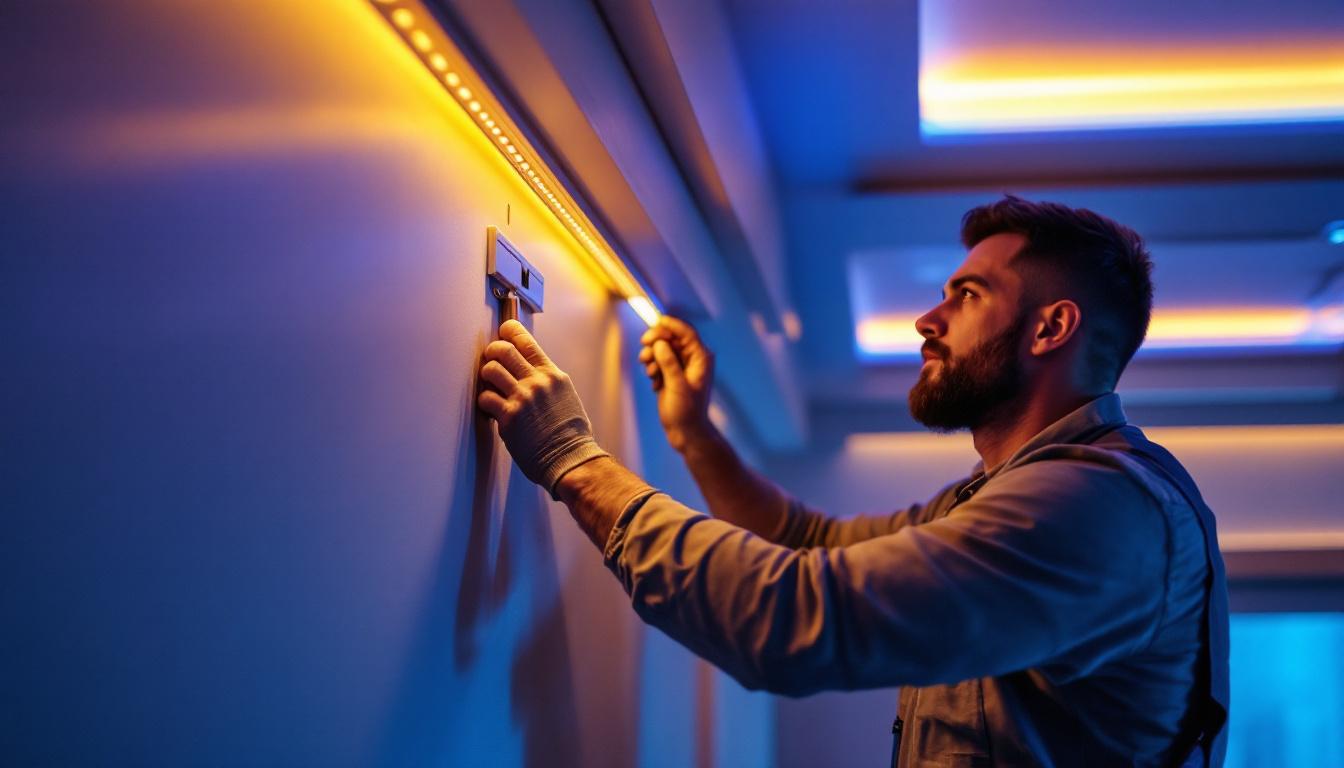
Proper installation is critical to maximizing the benefits of LED trims. Lighting contractors can avoid common pitfalls by following these guidelines:
Pre-Installation Planning
Before beginning installation, verify all components are on-site and compatible. Measure ceiling thickness and housing dimensions carefully. Assess the ceiling type-drywall, plaster, or drop ceiling-to determine the appropriate mounting method and trim style.
Handling and Positioning
LED trims are often delicate, with finishes that can scratch or dent easily. Handle trims with care, wearing gloves if necessary to avoid fingerprints on reflective surfaces. During installation, ensure the trim sits flush with the ceiling surface to maintain aesthetics and prevent light leaks.
Securing the Trim
Most LED trims use spring clips or torsion springs for attachment. Make sure these clips are properly engaged to prevent the trim from loosening over time. Loose trims can rattle, create gaps, or fall out, leading to safety hazards and client dissatisfaction.
Testing and Adjustment
Once installed, test the lighting for uniformity, glare, and beam direction. Adjustable trims should be aimed precisely to meet design specifications. Document any deviations and communicate with the project team to address issues promptly.
Common Challenges and How to Overcome Them
Lighting contractors frequently encounter challenges related to LED trims. Awareness and proactive strategies can mitigate these issues effectively.
Mismatch Between Trim and Housing
One of the most common problems is incompatibility between trims and housings, leading to installation delays or improper fit. To avoid this, maintain detailed records of product specifications and source components from trusted suppliers. When retrofitting, measure existing housings carefully and consult manufacturer compatibility charts.
Glare and Light Spill
Improper trim selection can cause glare or unwanted light spill, negatively affecting occupant comfort. Using baffle trims or trims with integrated glare shields can reduce this. Additionally, adjustable trims allow fine-tuning of beam direction to minimize spill.
Thermal Issues and Reduced LED Lifespan
Heat buildup inside the fixture due to inadequate trim design can shorten LED life. Selecting trims with enhanced thermal management features and ensuring proper ventilation during installation helps maintain performance. Regular maintenance checks can identify early signs of overheating.
Color Inconsistency
Variations in color temperature across fixtures can stem from mismatched trims or poor quality components. Standardizing product lines and ordering trims and LEDs from the same batch reduces this risk. Contractors should also educate clients on the importance of color consistency in lighting design.
Future Trends in LED Lighting Trim
Staying ahead of industry trends can give lighting contractors a competitive edge. Several innovations are shaping the future of LED trims:
Smart and Integrated Controls
LED trims are increasingly incorporating sensors and smart controls, allowing for dynamic lighting adjustments based on occupancy, daylight availability, or user preferences. This integration enhances energy savings and user experience.
Advanced Materials and Finishes
New materials that improve heat dissipation and durability are becoming more common. Finishes that resist dust and fingerprints reduce maintenance needs, especially in commercial and healthcare settings.
Customization and Modular Designs
Modular trims that can be easily swapped or customized on-site offer flexibility for evolving lighting needs. This adaptability is valuable for spaces that undergo frequent redesigns or tenant changes.
Conclusion: Mastering LED Trim Selection and Installation
For lighting contractors, LED lighting trim is far more than a decorative element. It influences light quality, fixture longevity, and overall project success. By understanding the different types of trims, their applications, and installation best practices, contractors can deliver superior results that meet client expectations and comply with industry standards.
Investing time in selecting the right trim and executing precise installations pays off with fewer callbacks, enhanced reputation, and satisfied customers. Embracing emerging trends and technologies in LED trims will further position contractors as trusted experts in the lighting industry.
Get Your Premium LED Lighting Trim at LumenWholesale
Ready to elevate your lighting projects with the highest quality LED trims? Look no further than LumenWholesale, where we provide contractors with spec-grade lighting products at unbeatable wholesale prices. Say goodbye to local distributor markups and hello to our extensive selection that meets rigorous industry standards. With LumenWholesale, you’ll enjoy the convenience of bulk buying, free shipping, and the assurance of top-notch performance for every installation. Don’t compromise on quality or value; discover wholesale lighting at the best value today and light up your projects with confidence.