Understanding the Landscape of Electrical Outlets in the US
When working on lighting projects, knowing the types of electrical outlets commonly found in the US is essential. It’s not just about plugging in a fixture; it’s about ensuring safety, compatibility, and future-proofing installations. For lighting contractors, this knowledge can be the difference between a smooth job and costly callbacks.
The US electrical system primarily operates on 120 volts with a frequency of 60 Hz. Outlets are designed to accommodate this standard, but variations exist depending on the application, location, and code requirements. Recognizing these differences helps contractors select the right components and avoid common pitfalls.
In residential settings, the most common outlet type is the standard 15-amp receptacle, which is typically used for general lighting and small appliances. However, in areas where higher power is needed, such as kitchens and laundry rooms, 20-amp outlets are often required. These outlets can handle larger loads and are equipped with a different configuration to prevent accidental use with lower-rated devices. Additionally, GFCI (Ground Fault Circuit Interrupter) outlets are crucial in wet areas like bathrooms and outdoor spaces, as they provide an extra layer of protection against electrical shocks. Understanding these specific requirements not only enhances safety but also ensures compliance with the National Electrical Code (NEC).
Moreover, as technology evolves, so do the types of outlets available. USB outlets, for instance, have gained popularity in recent years, allowing for convenient charging of devices without the need for bulky adapters. Smart outlets, which can be controlled remotely via apps or voice commands, are also becoming commonplace, reflecting the growing trend toward home automation. For contractors, staying informed about these advancements is vital, as they can offer clients modern solutions that enhance functionality and convenience in their homes. By integrating these innovative options into their projects, contractors can not only meet current demands but also position themselves as forward-thinking professionals in a competitive market.
Standard 15-Amp and 20-Amp Outlets: The Backbone of Residential and Commercial Lighting
15-Amp Outlets: The Most Common Type
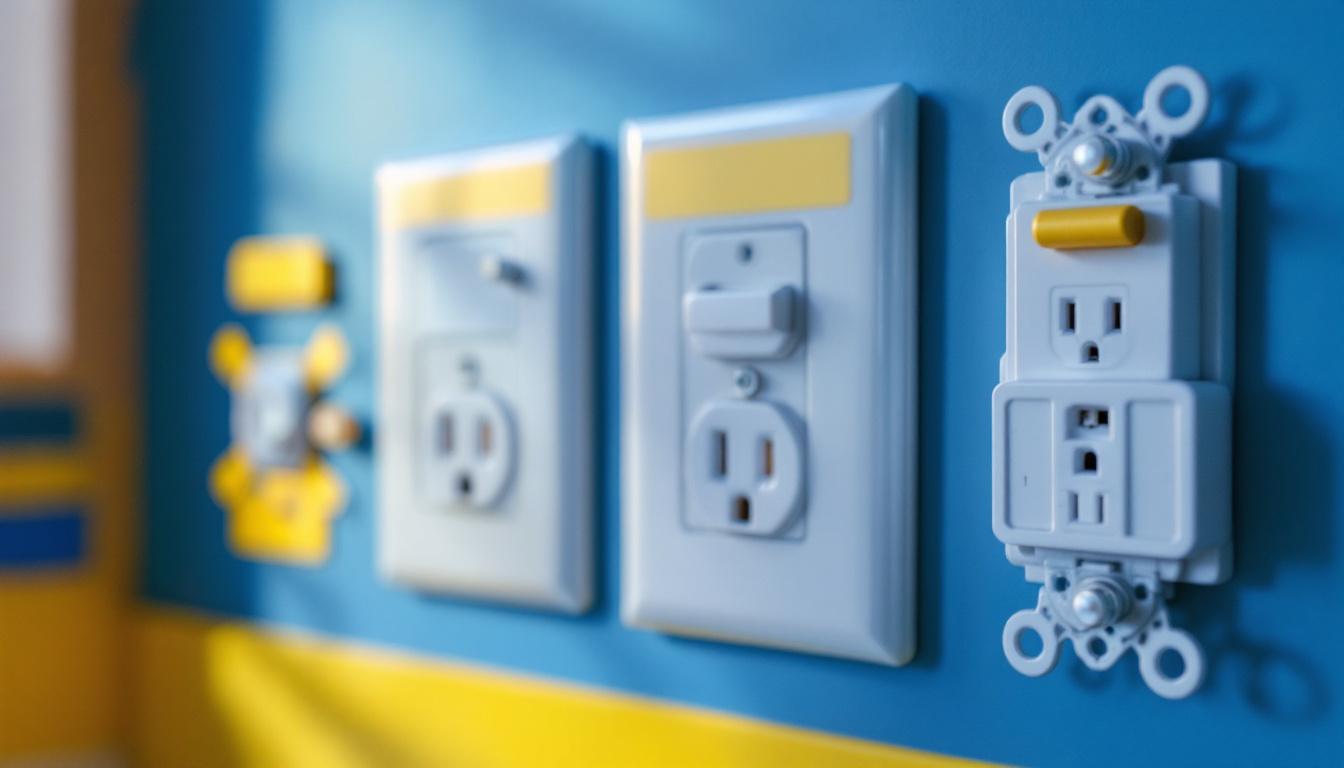
These outlets are the staple in most homes and many commercial spaces. They feature two vertical slots and a grounding hole, designed to handle up to 15 amps of current. Lighting contractors often encounter these outlets when installing or upgrading lighting fixtures in residential settings.
While 15-amp outlets are sufficient for most lighting loads, it’s important to verify the circuit’s capacity, especially when multiple fixtures or devices share the same circuit. Overloading can lead to tripped breakers or worse, electrical fires. Additionally, it’s worth noting that the National Electrical Code (NEC) recommends that lighting circuits should not exceed 80% of their rated capacity to ensure safety and reliability, which means a 15-amp circuit should ideally support no more than 12 amps of continuous load.
Moreover, the versatility of 15-amp outlets makes them a preferred choice for various applications, from simple table lamps to decorative chandeliers. Homeowners often overlook the importance of outlet placement; strategically located outlets can enhance the overall ambiance and functionality of a space. For instance, placing outlets near seating areas can facilitate the use of lamps, while overhead lighting can be complemented by wall sconces connected to the same circuit, creating a layered lighting effect that is both practical and aesthetically pleasing.
20-Amp Outlets: For Higher Demand Applications
These outlets look similar to 15-amp versions but include a horizontal slot alongside the vertical one, indicating a 20-amp rating. They are common in kitchens, workshops, and commercial environments where higher power draw is expected.
Lighting contractors should be aware that 20-amp circuits require specific wiring and breaker types. Using a 15-amp outlet on a 20-amp circuit is generally acceptable, but the reverse is not. Ensuring the correct outlet type aligns with the circuit rating is critical for safety and code compliance. In commercial settings, where high-wattage fixtures like LED floodlights or industrial lighting are used, the demand for 20-amp outlets becomes even more pronounced. These outlets not only support powerful lighting solutions but also accommodate additional equipment, such as power tools or kitchen appliances, without the risk of overloading the circuit.
Furthermore, the installation of 20-amp outlets can significantly enhance the efficiency of lighting systems in larger spaces. For example, in a restaurant kitchen, the ability to run multiple high-intensity lights and equipment simultaneously without tripping breakers allows for a well-lit and functional environment. Additionally, the use of smart lighting technologies in conjunction with 20-amp circuits can optimize energy consumption, providing both cost savings and improved lighting quality. This adaptability makes 20-amp outlets a vital component in modern electrical design, catering to the evolving needs of both residential and commercial users.
GFCI and AFCI Outlets: Safety Features Lighting Contractors Can’t Ignore
Ground Fault Circuit Interrupter (GFCI) Outlets
GFCI outlets are designed to protect against electrical shock by quickly shutting off power when a ground fault is detected. They are mandatory in areas with moisture exposure such as bathrooms, kitchens, garages, and outdoor locations.
For lighting contractors, installing GFCI outlets or ensuring existing ones are functioning properly is a key safety measure. Modern lighting designs often incorporate outlets in wet locations, and compliance with National Electrical Code (NEC) requirements is non-negotiable. Additionally, GFCI outlets are equipped with a test and reset button, allowing homeowners to regularly check their functionality. This feature not only empowers users to maintain safety but also serves as a reminder of the importance of electrical safety in high-risk areas.
Moreover, the installation of GFCI outlets can significantly reduce the risk of electrical hazards, especially in homes with children or elderly residents who may be more susceptible to accidents. Lighting contractors should also educate clients on the importance of not overloading GFCI outlets, as this can lead to nuisance tripping, which may undermine the outlet’s protective capabilities. By providing this knowledge, contractors can foster a culture of safety and awareness in their clients’ homes.
Arc Fault Circuit Interrupter (AFCI) Outlets
AFCI outlets help prevent fires by detecting dangerous arcing conditions in wiring. These are increasingly required in living spaces like bedrooms and family rooms. While not always directly related to lighting fixtures, AFCI protection on circuits powering lighting is becoming standard.
Lighting contractors should be familiar with AFCI technology and understand when these outlets or breakers are required. Integrating AFCI protection can enhance the safety profile of lighting installations and provide peace of mind to clients. The technology works by monitoring the electrical current for irregularities, such as those caused by damaged wires or loose connections, which can lead to sparks and potential fires. This proactive approach to electrical safety is especially crucial in older homes where wiring may be outdated or degraded.
Furthermore, the implementation of AFCI outlets can also lead to insurance benefits, as many insurance companies recognize the reduced risk of fire hazards associated with their use. By advising clients on the advantages of AFCI outlets, lighting contractors can not only ensure compliance with safety standards but also potentially save homeowners money on their insurance premiums. This dual benefit underscores the importance of staying informed about the latest advancements in electrical safety technology, enabling contractors to provide the best possible service to their clients.
Specialty Outlets and Their Role in Advanced Lighting Systems
240-Volt Outlets for High-Powered Lighting
Though less common in typical residential lighting, 240-volt outlets are used for specialized lighting equipment such as theatrical lighting, large-scale outdoor installations, or industrial environments. These outlets have different prong configurations and require dedicated circuits.
Lighting contractors working on commercial or entertainment venues should be proficient in handling these outlets. Proper installation ensures equipment runs efficiently and safely, avoiding damage or downtime.
Smart Outlets and Integration with Lighting Controls
Smart outlets are gaining traction as part of home automation systems. They allow remote control, scheduling, and energy monitoring of connected devices, including lighting. While not a replacement for traditional outlets, smart outlets offer added value for tech-savvy clients.
Contractors who understand how to integrate smart outlets with lighting controls can offer enhanced functionality, such as dimming, scene setting, and energy savings. This knowledge can set a contractor apart in a competitive market.
Why Mastery of Outlet Types Gives Lighting Contractors a Competitive Edge
Clients expect lighting contractors to deliver not only aesthetic appeal but also safety, reliability, and compliance with electrical codes. Mastery of outlet types ensures installations meet these expectations without costly revisions.
Moreover, understanding the nuances of each outlet type allows contractors to recommend the best solutions tailored to the client’s needs. For example, suggesting GFCI outlets in outdoor lighting setups or incorporating smart outlets for modern homes can enhance client satisfaction and referrals.
Efficiency is another benefit. Knowing which outlets to use and how to install them correctly reduces installation time and minimizes errors. This translates into better project margins and a stronger reputation.
Staying Updated: Codes, Standards, and Emerging Technologies
The National Electrical Code (NEC) is updated regularly, introducing new requirements for outlet types and safety features. Lighting contractors must stay informed about these changes to maintain compliance and avoid liability.
Emerging technologies, such as USB-integrated outlets and wireless charging stations, are also influencing lighting design. Contractors who keep pace with these trends can offer innovative solutions that appeal to a broader client base.
Conclusion: Turning Outlet Knowledge into Business Success
Electrical outlets might seem like a small detail in lighting projects, but their impact is significant. For lighting contractors, deep knowledge of outlet types, safety features, and emerging trends translates into safer, more efficient, and more attractive installations.
Clients appreciate contractors who bring expertise beyond the basics. This expertise builds trust, leads to repeat business, and opens doors to more complex and lucrative projects. In a competitive industry, understanding electrical outlets is a simple yet powerful way to gain an edge.
Get Your Competitive Edge with LumenWholesale
Ready to elevate your lighting projects with the right outlets and the best lighting products on the market? Look no further than LumenWholesale. We provide lighting contractors with spec-grade lighting essentials at unbeatable wholesale prices, ensuring you have access to the highest quality without the high markups. Our extensive selection is designed to meet the most rigorous industry standards, so you can deliver reliable and high-performance lighting solutions with confidence. Plus, with the convenience of free shipping on bulk orders, you can stock up on premium lighting at the best value — without any hidden fees. Don’t compromise on quality or cost. Wholesale Lighting at the Best Value is just a click away. Experience the LumenWholesale difference today!