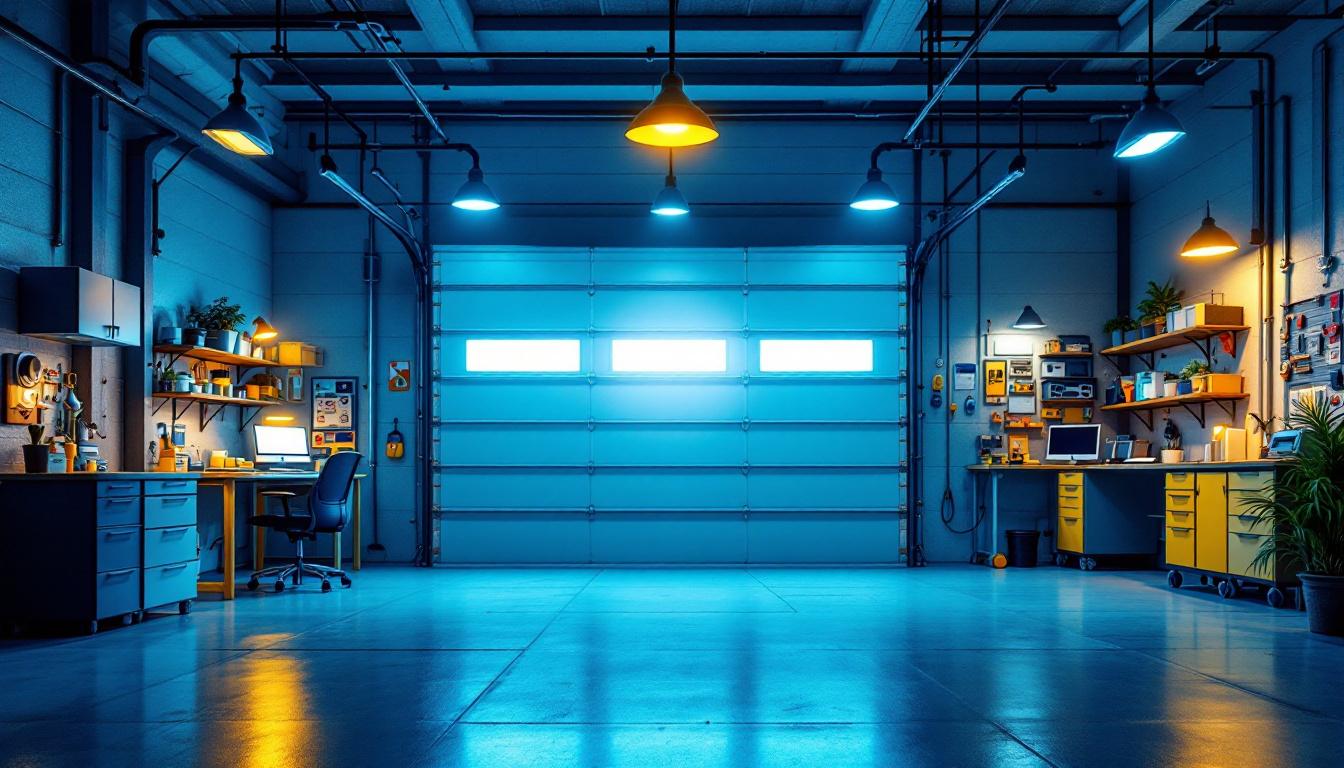
Understanding the Unique Lighting Needs of Garages
Garages are among the most versatile spaces in residential and commercial settings. They serve as workshops, storage areas, parking spots, and sometimes even as extensions of living spaces. This multifunctionality means lighting requirements are far from one-size-fits-all. For lighting contractors, grasping the distinct demands of garage lighting is crucial to delivering solutions that are both functional and efficient.
Unlike typical rooms, garages often have minimal natural light, especially if they lack windows or have sealed doors. This absence of daylight means artificial lighting must compensate fully, ensuring safety and usability at any hour. Additionally, garages are prone to dust, moisture, and temperature fluctuations, factors that influence the choice of lighting fixtures and their installation.
Key Challenges in Garage Lighting
One of the biggest challenges is balancing brightness without causing glare. Overly intense lighting can create harsh shadows, making it difficult to work on detailed tasks. Conversely, insufficient illumination can lead to accidents or reduce the space’s functionality.
Another consideration is energy efficiency. Garages are often lit for extended periods, so selecting lighting solutions that minimize power consumption without sacrificing quality is essential. This not only benefits the end user’s utility bills but also aligns with growing environmental standards and regulations.
Moreover, the choice of lighting technology plays a significant role in the overall effectiveness of garage lighting. LED lights have emerged as a popular option due to their long lifespan and low energy usage. They produce less heat compared to traditional incandescent bulbs, making them safer and more suitable for spaces that may experience temperature variations. Additionally, the color temperature of the lighting can greatly affect visibility; cooler white lights can enhance clarity, making it easier to identify tools and equipment, while warmer tones can create a more inviting atmosphere if the garage is used as a recreational space.
Furthermore, the layout of the garage can dictate the type and placement of lighting fixtures. For instance, task lighting, such as under-cabinet lights or focused spotlights, can be invaluable for workbenches or tool areas, while ambient lighting can provide overall illumination. Incorporating motion sensors can also enhance convenience and security, ensuring that lights activate automatically when someone enters the space. This not only improves accessibility but also helps in conserving energy when the garage is not in use.
Choosing the Right Type of Lighting for Garages
Lighting contractors must evaluate several types of lighting to address the varied activities that take place in a garage. The most common categories include ambient, task, and accent lighting. Each plays a distinct role in creating a well-lit environment.
Ambient Lighting: The Foundation
Ambient lighting provides general illumination and sets the overall brightness level. In garages, this often involves ceiling-mounted fixtures such as LED panels, fluorescent tubes, or high bay lights. LEDs have become the preferred choice due to their longevity, energy efficiency, and superior light quality.
When selecting ambient lighting, contractors should consider the size and layout of the garage. Larger garages might require multiple fixtures distributed evenly to avoid dark spots. The color temperature is also important; a neutral white (around 4000K) tends to work well, offering a balance between warm and cool tones that is comfortable for most tasks. Additionally, dimmable options can be beneficial, allowing users to adjust the brightness based on the time of day or specific activities, creating a versatile environment that can adapt to various needs.
Task Lighting: Precision Where It Counts
Task lighting is essential for areas where detailed work is performed, such as workbenches or tool stations. Adjustable LED strip lights or under-cabinet fixtures are popular choices because they can be directed exactly where needed. Brightness levels should be higher here than in the general ambient lighting to reduce eye strain and improve accuracy.
For garages doubling as workshops, contractors might also consider portable work lights or magnetic LED lamps that can be repositioned. These flexible options add convenience and adaptability, especially for mechanics or hobbyists who require focused illumination on different projects. Furthermore, integrating smart lighting solutions can enhance task lighting by allowing users to control brightness and color temperature through mobile apps or voice commands, making it easier to create the perfect lighting conditions for intricate tasks.
Accent Lighting: Enhancing Visibility and Safety
Though less critical than ambient or task lighting, accent lighting can improve safety and aesthetics. Motion-activated LED strip lights along pathways or near storage areas help users navigate the space in low-light conditions without fumbling for switches. Additionally, accent lighting can highlight important zones, such as electrical panels or hazardous materials storage.
Moreover, accent lighting can be creatively used to showcase personal touches in the garage, such as illuminating shelves displaying collectibles or tools. By utilizing colored LED lights, contractors can create a unique atmosphere that reflects the owner’s personality while still maintaining functionality. This not only enhances the visual appeal of the garage but also ensures that all areas are well-lit, reducing the risk of accidents and improving overall safety during use.
Technical Specifications and Installation Best Practices
Lighting contractors must pay close attention to technical details to ensure optimal performance and compliance with safety codes. This section covers the most important specifications and installation tips for garage lighting.
Lumens and Wattage: Measuring Brightness and Efficiency
Lumens indicate the amount of visible light emitted by a fixture, while wattage measures energy consumption. For garages, a minimum of 50 lumens per square foot is recommended to achieve adequate brightness. For example, a 200-square-foot garage would require about 10,000 lumens in total.
LED fixtures typically deliver high lumens at low wattage, making them the most energy-efficient choice. Contractors should advise clients to prioritize lumens over wattage when selecting products, as wattage alone does not reflect brightness.
Color Rendering Index (CRI) and Color Temperature
The CRI measures how accurately a light source reveals colors compared to natural light. A CRI of 80 or above is advisable in garages, especially where color differentiation is important, such as in automotive work or painting.
Color temperature, measured in Kelvins (K), affects the mood and clarity of the space. Cooler temperatures (5000K to 6500K) mimic daylight and enhance alertness, making them suitable for task areas. Warmer temperatures (2700K to 3000K) create a cozy atmosphere but may not be ideal for detailed work.
Fixture Durability and Environmental Considerations
Garages often expose lighting fixtures to dust, moisture, and temperature swings. Selecting fixtures with appropriate Ingress Protection (IP) ratings is essential. An IP rating of at least IP44 is recommended to protect against splashing water and dust ingress.
Contractors should also consider the fixture’s material and finish. Corrosion-resistant metals and impact-resistant lenses extend the lifespan of lighting in harsh garage conditions. Additionally, sealed fixtures help prevent dust accumulation and simplify maintenance.
Wiring and Control Systems
Proper wiring is fundamental to safety and functionality. Lighting circuits in garages should comply with local electrical codes, including the use of ground-fault circuit interrupters (GFCIs) where moisture is present. Contractors must ensure all connections are secure and protected.
Advanced control systems, such as motion sensors, dimmers, and smart lighting controls, add convenience and energy savings. Motion sensors can automatically turn lights on when someone enters the garage and off when the space is unoccupied, reducing wasted energy. Dimmers allow users to adjust brightness based on activity, enhancing comfort and efficiency.
Common Mistakes to Avoid When Installing Garage Lighting
Even experienced contractors can fall into pitfalls that compromise the effectiveness of garage lighting. Recognizing and avoiding these errors improves client satisfaction and reduces callbacks.
Ignoring the Purpose of the Space
One frequent mistake is installing generic lighting without considering how the garage will be used. A garage used primarily for parking requires different lighting than one functioning as a workshop or gym. Tailoring the lighting design to the client’s specific needs is essential.
Overlooking Glare and Shadow Issues
Improper fixture placement can create glare or deep shadows, which hinder visibility. Lighting should be positioned to minimize these effects, often by using diffusers or indirect lighting techniques. Testing lighting layouts before final installation helps identify and correct problematic areas.
Neglecting Energy Efficiency
Some contractors default to outdated fluorescent or incandescent fixtures without considering LED alternatives. This oversight leads to higher energy costs and shorter fixture lifespans. Emphasizing LED technology and energy-efficient controls benefits both contractors and clients.
Failing to Plan for Maintenance
Garages are often neglected spaces, so lighting fixtures should be easy to clean and replace. Installing fixtures in accessible locations and choosing models with long-lasting bulbs reduces maintenance hassles and extends system longevity.
Emerging Trends and Technologies in Garage Lighting
Keeping up with innovations helps contractors offer cutting-edge solutions that meet evolving client expectations. Several trends are shaping the future of garage lighting.
Smart Lighting Integration
Smart lighting systems allow users to control garage lights via smartphones or voice assistants. Features like scheduling, remote access, and adaptive brightness enhance convenience and security. Contractors can differentiate their services by offering smart lighting packages tailored to garage environments.
Human-Centric Lighting
Human-centric lighting adjusts color temperature and intensity throughout the day to support circadian rhythms and improve wellbeing. While more common in living spaces, this concept is gaining traction in work-oriented garages, where lighting can boost focus and reduce fatigue.
Solar-Powered and Sustainable Options
Solar-powered lighting solutions are becoming viable for garages with outdoor areas or skylights. These systems reduce reliance on grid electricity and appeal to environmentally conscious clients. Additionally, using recyclable materials and energy-efficient designs aligns with sustainability goals.
Final Considerations for Lighting Contractors
Successful garage lighting projects hinge on a thorough understanding of client needs, technical specifications, and environmental factors. By combining practical knowledge with the latest technologies, contractors can deliver lighting solutions that enhance safety, productivity, and comfort.
Clear communication with clients about options, costs, and maintenance requirements builds trust and ensures satisfaction. Regular training and staying current with industry standards further empower contractors to excel in this specialized niche.
Ultimately, garage lighting is more than just illumination-it’s about creating a space that works well, looks good, and lasts long. Mastering this balance is what sets top lighting contractors apart.
Illuminate Your Projects with LumenWholesale
Ready to elevate your garage lighting projects to new heights? At LumenWholesale, we provide lighting contractors with the finest selection of spec-grade lighting products at prices that can’t be beaten. Our commitment to quality and affordability ensures you have access to the best lighting solutions that meet and exceed industry standards. Say goodbye to the hassle of local distributors and inflated costs. With free shipping on bulk orders, LumenWholesale is your go-to source for premium lighting without the premium price tag. Enhance safety, productivity, and comfort in every garage space with our top-quality lighting options. Wholesale Lighting at the Best Value is just a click away. Experience the LumenWholesale difference today!