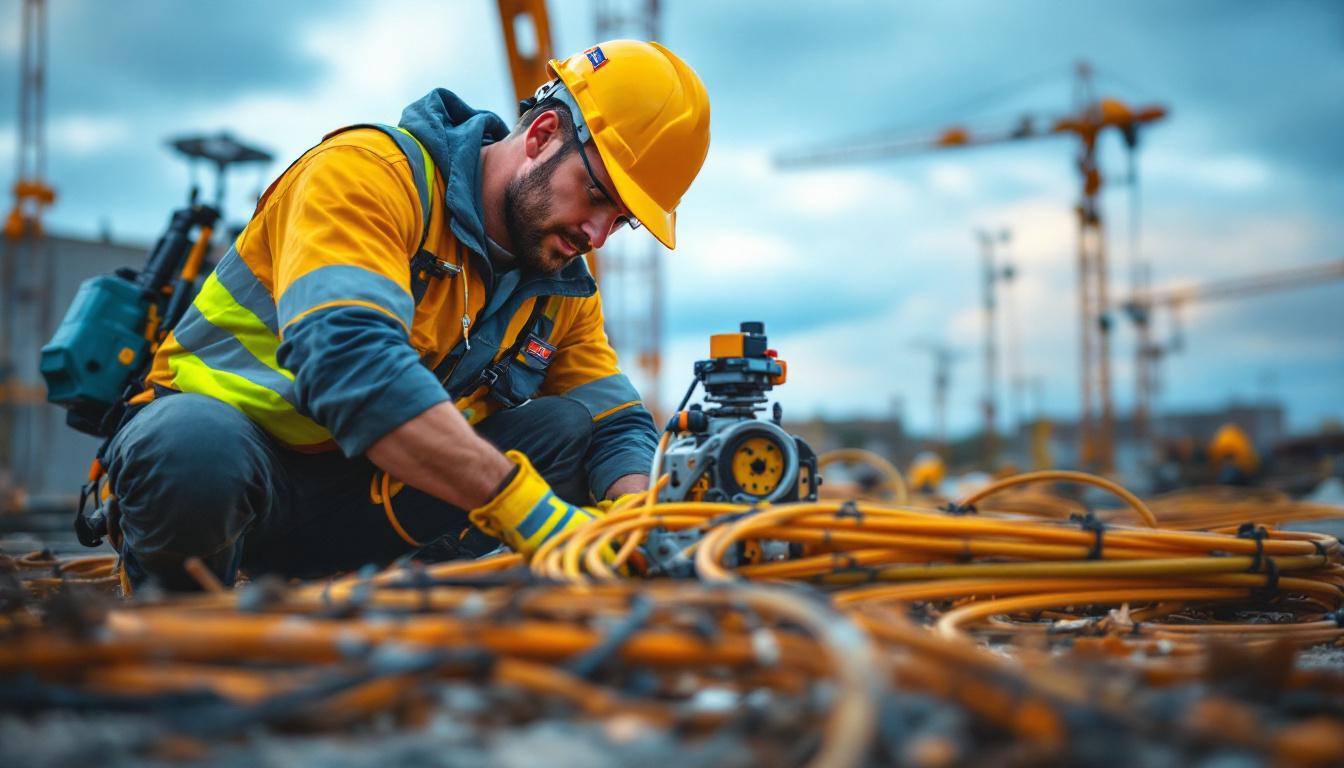
Understanding the Importance of Heavy Duty Cable Pulling Equipment
For lighting contractors, the process of installing electrical cables often presents a unique set of challenges. Cables can be heavy, cumbersome, and difficult to maneuver through conduits, ceilings, or underground pathways. Without the right tools, this task becomes time-consuming, physically demanding, and prone to errors or damage to the cables.
Heavy duty cable pulling equipment is designed to make these tasks more efficient and safer. It reduces manual labor, minimizes the risk of cable damage, and ensures that installations meet safety standards. For contractors who regularly work on large-scale lighting projects—whether commercial buildings, stadiums, or outdoor lighting systems—investing in the right equipment is essential.
Moreover, the variety of heavy duty cable pulling equipment available on the market allows contractors to choose tools that best fit their specific needs. For instance, cable pullers come in different types, including hydraulic, electric, and manual options, each offering unique advantages depending on the scale and complexity of the job. Hydraulic pullers, for example, provide significant power and can handle the most demanding tasks, making them ideal for long runs of heavy cable. On the other hand, electric pullers are often more portable and easier to set up, which can be beneficial for smaller jobs or when working in tight spaces.
Additionally, the use of heavy duty cable pulling equipment can enhance the overall quality of the installation. By ensuring that cables are pulled smoothly and evenly, contractors can avoid issues such as kinks or twists that could lead to future electrical failures. Furthermore, many modern cable pulling systems come equipped with features like tension monitoring and automatic shut-off, which not only protect the cables but also provide peace of mind to the contractor. This technological advancement not only streamlines the installation process but also contributes to the longevity and reliability of the electrical systems being installed.
Key Types of Heavy Duty Cable Pulling Equipment
Cable Pullers and Winches
Cable pullers, often powered electrically or hydraulically, are the backbone of heavy-duty cable installation. They provide the necessary force to pull cables through long conduit runs or difficult pathways. These devices come in various sizes and pulling capacities, allowing contractors to select the right model based on the cable type and project requirements. For instance, smaller pullers may be suitable for residential projects, while larger, more powerful models are essential for industrial applications where heavy gauge cables are involved.
Winches, similarly, offer controlled pulling power and are especially useful in outdoor or rugged environments. Their robust construction makes them ideal for pulling heavy cables over long distances or through challenging terrain. Many modern winches are equipped with advanced features such as automatic braking systems and remote controls, enhancing safety and efficiency. Additionally, some winches can be fitted with specialized drums to accommodate different cable types, further increasing their versatility on job sites.
Cable Rollers and Guides
Once the pulling force is applied, guiding the cable smoothly is crucial to avoid damage. Cable rollers and guides help reduce friction and prevent kinks or abrasions. They come in different configurations—single rollers, double rollers, or troughs—to accommodate various cable sizes and pulling angles. The choice of roller configuration can significantly impact the ease of installation; for instance, using a double roller can help stabilize the cable during the pulling process, ensuring a straight path and minimizing the risk of damage.
Proper use of these accessories extends cable life and reduces the risk of costly rework. For lighting contractors, especially those working with delicate fiber optic or specialty cables, these tools are indispensable. Moreover, some rollers are designed with built-in features such as adjustable heights and angles, allowing for customized setups that can adapt to the unique challenges of each job. This adaptability not only enhances efficiency but also ensures that the integrity of the cable is maintained throughout the installation process.
Pulling Grips and Swivels
Pulling grips secure the cable to the pulling device, ensuring a firm hold without damaging the cable jacket. High-quality grips are designed to distribute pulling force evenly, preventing stress points that could compromise cable integrity. The material and design of the grips can vary, with options like woven mesh or rubberized grips available to suit different cable types and installation conditions. Selecting the right grip is crucial, as it can mean the difference between a successful installation and one that results in cable damage or failure.
Swivels are often paired with grips to allow the cable to rotate freely during pulling, reducing twisting and tangling. This combination is particularly important when pulling cables around bends or through complex conduit systems. Some advanced swivel designs incorporate locking mechanisms that can be engaged during specific phases of the pull, providing additional control and stability. This feature is especially beneficial in scenarios where multiple cables are being pulled simultaneously, as it helps to manage the overall tension and alignment, ensuring a smoother installation process.
Benefits of Using Heavy Duty Cable Pulling Equipment for Lighting Contractors
Improved Efficiency and Speed
Manual cable pulling is labor-intensive and slow, especially for large projects. Heavy duty equipment automates much of the physical effort, allowing contractors to complete installations faster. This efficiency translates into reduced labor costs and the ability to take on more projects within the same timeframe.
Enhanced Safety on Job Sites
Handling heavy cables manually can lead to workplace injuries, such as strains, sprains, or worse. Using specialized pulling equipment reduces these risks by minimizing manual handling and providing controlled, steady pulling forces. Many modern devices also include safety features like automatic shut-offs and overload protection.
Preservation of Cable Integrity
Cables are delicate despite their rugged appearance. Excessive tension, sharp bends, or abrasion can cause internal damage that may not be immediately visible but leads to failures down the line. Proper pulling equipment, combined with rollers and grips, ensures cables are installed without damage, maintaining system reliability.
Choosing the Right Equipment for Your Lighting Projects
Assess the Project Scope and Cable Specifications
Before selecting equipment, contractors should evaluate the length, weight, and type of cable to be installed. Heavy gauge power cables require more pulling force than smaller control or communication cables. The environment-whether indoor, outdoor, or underground-also influences equipment choice.
Evaluate Pulling Capacity and Power Source
Equipment comes in manual, electric, hydraulic, and pneumatic varieties. For smaller jobs, manual or electric pullers may suffice. Large-scale projects often demand hydraulic or pneumatic devices for higher pulling capacity and continuous operation. Consider the availability of power sources on-site when making a selection.
Prioritize Portability and Ease of Use
Lighting contractors frequently move between job sites. Equipment that is heavy and difficult to transport can slow down operations. Look for models that are compact, lightweight, and easy to set up. Features like quick-release grips and adjustable rollers can save valuable time during installation.
Maintenance and Best Practices for Longevity
Regular Inspection and Cleaning
Heavy duty cable pulling equipment operates under significant stress and in various environments. Regular inspection for wear, corrosion, or damage is critical. Clean equipment after each use to remove dirt, grease, and debris that can impair function.
Lubrication and Component Replacement
Moving parts such as rollers, bearings, and swivels require periodic lubrication to maintain smooth operation. Follow manufacturer guidelines for maintenance intervals. Replace worn or damaged components promptly to avoid equipment failure during critical pulls.
Training and Proper Usage
Even the best equipment can cause problems if used incorrectly. Training crews on proper pulling techniques, equipment setup, and safety protocols ensures optimal performance and reduces accidents. Understanding the limits of each tool prevents overloading and costly downtime.
Integrating Technology for Smarter Cable Pulling
Digital Tension Monitoring
Some advanced cable pullers now incorporate digital tension monitoring systems. These devices provide real-time feedback on the pulling force applied, helping contractors stay within safe limits. This technology reduces the risk of cable damage and enhances quality control.
Remote Control Operation
Remote control capabilities allow operators to manage pulling equipment from a safe distance. This is particularly useful in hazardous or hard-to-reach locations. Remote operation also improves precision and responsiveness during the pulling process.
Data Logging and Project Documentation
Modern equipment can log pulling data such as tension, duration, and environmental conditions. This information is valuable for project documentation, warranty claims, and future troubleshooting. Lighting contractors benefit from maintaining detailed records that demonstrate adherence to best practices.
Case Study: Successful Cable Pulling in a Stadium Lighting Installation
A lighting contractor tasked with installing a complex lighting system in a large stadium faced multiple challenges: long cable runs, tight conduit bends, and limited access points. By deploying heavy duty hydraulic cable pullers equipped with digital tension monitors and using cable rollers at strategic points, the team completed the installation ahead of schedule.
The use of swivels and high-quality pulling grips ensured cables remained undamaged despite the complex routing. Remote control operation allowed operators to manage pulls safely from a distance, reducing the risk of injury. Post-installation inspections confirmed the integrity of all cables, and the project documentation provided clear evidence of compliance with industry standards.
Final Thoughts on Heavy Duty Cable Pulling Equipment for Lighting Contractors
Choosing and using the right heavy duty cable pulling equipment transforms challenging lighting installations into manageable tasks. It boosts productivity, enhances safety, and protects valuable cable assets. For lighting contractors aiming to deliver quality work on time and within budget, investing in reliable pulling tools and maintaining them properly is a smart business decision.
As technology advances, integrating smart features into cable pulling equipment further empowers contractors to work smarter, not harder. Staying informed about the latest tools and best practices ensures that lighting projects proceed smoothly from start to finish.
Get Your Premium Lighting Equipment at LumenWholesale
Ready to elevate your lighting projects with the best tools in the trade? Look no further than LumenWholesale for all your heavy duty cable pulling equipment needs. Our commitment to quality and affordability ensures that you get spec-grade lighting products without the premium price tag. With free shipping on bulk orders, LumenWholesale is your go-to source for lighting solutions that combine excellence with cost-efficiency. Don’t let inflated markups dim your project’s potential. Click now and discover the value of Wholesale Lighting at the Best Value with LumenWholesale, where quality meets affordability.