Understanding the Shift to Eco Friendly Lighting
Lighting contractors are at the forefront of a significant transformation. The demand for eco friendly lighting solutions is no longer a niche market-it’s becoming the standard. Clients, from homeowners to commercial developers, expect lighting that reduces energy consumption, minimizes environmental impact, and complies with increasingly strict regulations.
Energy-efficient lighting is not just about saving electricity; it’s about delivering smarter, longer-lasting, and healthier lighting solutions. This shift affects how contractors specify, install, and maintain lighting systems. Staying informed about the latest technologies and best practices is essential to remain competitive and meet client expectations.
Why Eco Friendly Lighting Matters
Lighting accounts for a significant portion of global electricity use-often between 15% and 20% in commercial buildings. Reducing this consumption can lead to substantial cost savings and a smaller carbon footprint. For contractors, recommending and installing eco friendly options means contributing to sustainability goals while adding value for clients.
Beyond energy savings, eco friendly lighting often improves indoor environmental quality. Modern LED fixtures, for example, offer better color rendering and reduced flicker, which enhances comfort and productivity. This holistic benefit is increasingly important in workplaces, schools, and healthcare settings.
Moreover, the transition to eco friendly lighting is supported by advancements in smart technology. Many new lighting systems can be integrated with building management systems, allowing for automated control based on occupancy and daylight availability. This not only enhances energy efficiency but also provides users with a more tailored lighting experience. As clients become more aware of the benefits of smart lighting, contractors must be prepared to offer solutions that leverage these technologies, ensuring they remain relevant in a rapidly evolving market.
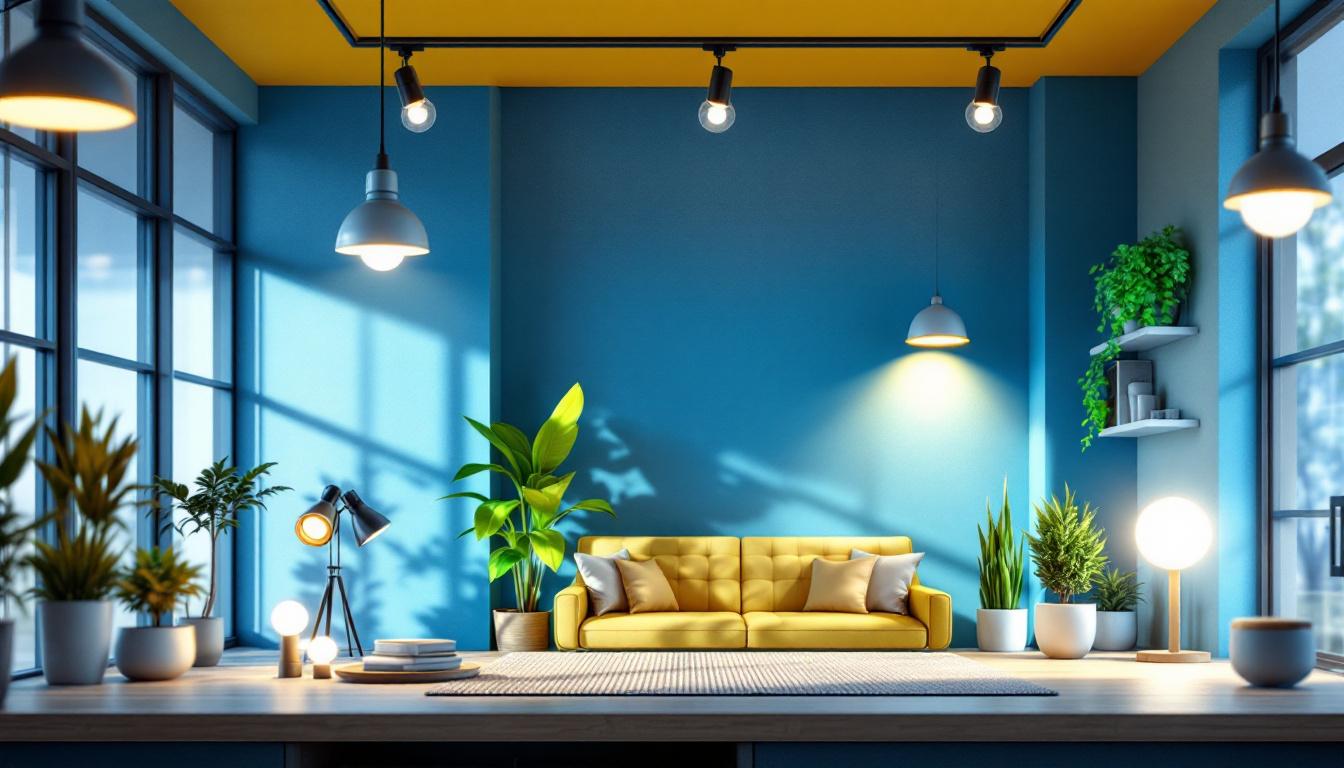
Additionally, the aesthetic aspect of eco friendly lighting cannot be overlooked. With a variety of design options available, from sleek minimalist fixtures to decorative vintage-inspired designs, contractors can help clients achieve their desired ambiance while still adhering to eco-friendly principles. This versatility allows for creative expression in both residential and commercial spaces, making it easier for clients to embrace sustainable practices without sacrificing style or functionality.
Key Technologies in Eco Friendly Lighting
Understanding the technologies behind eco friendly lighting is critical. Lighting contractors must be able to evaluate and recommend the right solutions based on project requirements, budget, and sustainability goals.
LED Lighting: The Industry Standard
Light Emitting Diodes (LEDs) have revolutionized the lighting industry. They consume up to 75% less energy than traditional incandescent bulbs and last 25 times longer. LEDs generate less heat, reducing cooling loads in buildings, and offer a wide range of color temperatures and dimming capabilities.
When selecting LEDs, contractors should consider factors such as lumen output, color rendering index (CRI), and compatibility with dimming systems. High-quality LEDs can maintain brightness and color consistency over their lifespan, ensuring client satisfaction and reducing maintenance calls. Furthermore, the versatility of LEDs allows them to be used in various settings, from residential homes to large commercial spaces, making them a go-to choice for many lighting projects. Their ability to be integrated into smart home systems also enhances their appeal, allowing users to control lighting remotely and create energy-efficient schedules.
Smart Lighting Controls
Integrating smart controls with eco friendly lighting systems amplifies energy savings. Occupancy sensors, daylight harvesting, and programmable timers adjust lighting based on real-time needs, preventing waste. For contractors, installing these controls requires knowledge of wiring, programming, and user interface design.
Smart lighting also offers data analytics, helping building managers track energy usage and optimize performance. This level of control is increasingly demanded in commercial and industrial projects, making it a valuable skill for contractors. Additionally, the integration of smart technology not only enhances energy efficiency but also improves the overall user experience by providing customizable lighting settings that can adapt to different activities and moods. As the demand for smart buildings grows, contractors who can navigate these technologies will find themselves at a competitive advantage in the marketplace.
Other Sustainable Lighting Options
While LEDs dominate, other technologies contribute to eco friendly lighting. Compact fluorescent lamps (CFLs) still have a place in some applications, though their mercury content and shorter lifespan compared to LEDs limit their appeal. Organic LEDs (OLEDs) and solar-powered lighting are emerging options, particularly for specialty and outdoor applications.
Contractors should stay informed about these developments to offer comprehensive solutions tailored to unique project needs. For instance, solar-powered lighting systems are particularly beneficial in remote areas or for outdoor installations where extending electrical wiring is impractical. These systems harness solar energy during the day, providing illumination at night without relying on the grid, thus reducing energy costs and carbon footprints. Additionally, advancements in OLED technology are paving the way for thinner, more flexible lighting solutions that can be seamlessly integrated into architectural designs, offering aesthetic benefits alongside energy efficiency. As the landscape of lighting technology evolves, staying abreast of these innovations will empower contractors to provide cutting-edge solutions that meet the growing demand for sustainability in lighting design.
Installation Best Practices for Eco Friendly Lighting
Proper installation is crucial to maximize the benefits of eco friendly lighting. Mistakes can reduce efficiency, shorten product life, and frustrate clients.
Planning and Layout
Effective lighting design starts with understanding the space and its use. Contractors should collaborate with designers and clients to determine optimal fixture placement, aiming to minimize shadows and glare while maximizing natural light integration. This collaborative approach not only enhances the aesthetic appeal of the space but also ensures that the lighting serves its intended purpose, whether it be for work, relaxation, or entertainment. By considering factors such as the color of walls, the height of ceilings, and the activities that will take place in the area, contractors can create a lighting scheme that is both functional and inviting.
Energy codes and green building standards often dictate lighting power density limits and control requirements. Familiarity with these regulations ensures compliance and avoids costly rework. Additionally, staying updated on local and national energy efficiency initiatives can provide opportunities for clients to benefit from incentives and rebates, further promoting the adoption of eco friendly lighting solutions. This proactive approach not only enhances the contractor’s reputation but also positions them as knowledgeable advocates for sustainable practices in the industry.
Quality Installation Techniques
Secure mounting, proper wiring, and adherence to manufacturer specifications are non-negotiable. For LEDs, thermal management is critical; overheating can degrade performance and lifespan. Contractors must ensure fixtures have adequate ventilation and use compatible drivers. It’s also advisable to utilize high-quality materials and tools during installation to avoid future complications. By investing in superior components, contractors can enhance the durability of the installation, ultimately leading to greater client satisfaction and reduced warranty claims.
When installing smart controls, thorough testing is essential. Confirm that sensors respond correctly and that dimming functions operate smoothly. Providing clients with clear instructions on system use can prevent misunderstandings and service calls. Furthermore, offering a demonstration of the smart features can empower clients to take full advantage of their lighting systems, enhancing their overall experience. This not only reinforces the value of the installation but also encourages clients to embrace innovative technologies that contribute to energy savings and convenience.
Maintenance Considerations
Eco friendly lighting systems often require less maintenance, but contractors should educate clients on routine checks and cleaning to sustain performance. Offering maintenance contracts can create ongoing revenue streams and strengthen client relationships. Regular maintenance can include checking for dust accumulation on fixtures, ensuring that sensors are functioning correctly, and replacing any components that may have reached the end of their lifespan. By establishing a maintenance schedule, contractors can help clients avoid unexpected outages and ensure that their lighting systems continue to operate at peak efficiency.
Moreover, educating clients about the benefits of energy-efficient lighting can foster a sense of responsibility and stewardship towards their environment. Providing insights into how their choices impact energy consumption and carbon footprints can motivate clients to engage more deeply with their eco friendly systems. This not only enhances the overall client experience but also promotes a culture of sustainability that can lead to referrals and new business opportunities in the future.
Regulations and Incentives Impacting Lighting Contractors
Regulatory frameworks and financial incentives shape the eco friendly lighting market. Contractors who understand these factors can guide clients toward cost-effective, compliant solutions.
Energy Codes and Standards
Building codes increasingly mandate energy-efficient lighting systems. The International Energy Conservation Code (IECC) and ASHRAE standards set minimum efficiency and control requirements. Local jurisdictions may have additional rules or green building certifications like LEED or WELL that influence lighting choices.
Contractors should stay current with these evolving codes to ensure installations pass inspections and qualify for incentives.
Utility Rebates and Tax Incentives
Many utilities offer rebates for installing energy-efficient lighting and controls. These programs can significantly offset upfront costs, making eco friendly options more attractive to clients. Tax credits and depreciation benefits also exist for commercial installations.
Contractors who assist clients in navigating these programs add value and can differentiate themselves in a competitive market.
Challenges and Solutions in Eco Friendly Lighting Projects
Transitioning to eco friendly lighting is not without challenges. Lighting contractors must anticipate and address common issues to ensure project success.
Balancing Cost and Quality
Clients often focus on initial costs, but the total cost of ownership favors energy-efficient lighting. Educating clients on long-term savings, reduced maintenance, and improved lighting quality helps justify investments. Offering tiered solutions can accommodate different budgets without compromising sustainability goals.
Compatibility and Integration
Retrofitting existing buildings can present compatibility issues with controls and fixtures. Contractors should conduct thorough site assessments and recommend solutions that integrate seamlessly with existing systems or plan for necessary upgrades.
Training on new technologies and software is essential to handle complex installations confidently.
Managing Client Expectations
Clear communication about the benefits and limitations of eco friendly lighting prevents misunderstandings. Demonstrations, samples, and case studies can help clients visualize outcomes. Providing detailed documentation and post-installation support fosters trust and satisfaction.
The Future of Eco Friendly Lighting for Contractors
Lighting contractors who embrace eco friendly solutions position themselves for growth. Emerging trends like human-centric lighting, wireless controls, and integration with building automation systems will shape the industry.
Continuous education and adaptation to new technologies will be key. Contractors who invest in these areas will not only meet current demand but also lead the market as sustainability becomes a core business requirement.
Building Expertise and Partnerships
Developing expertise in eco friendly lighting can open doors to larger projects and partnerships with architects, engineers, and sustainability consultants. Networking and certification programs enhance credibility and marketability.
Leveraging Technology and Data
Data-driven lighting management enables smarter energy use and predictive maintenance. Contractors who can implement and support these systems offer clients cutting-edge solutions and long-term value.
Conclusion
Eco friendly lighting is more than a trend-it’s a fundamental shift in how lighting contractors approach their work. Understanding technologies, installation best practices, regulations, and client needs is essential to thrive in this evolving landscape. By embracing sustainable lighting solutions, contractors not only contribute to environmental goals but also enhance their business resilience and reputation.
Staying informed, proactive, and client-focused will ensure success as the industry moves toward a brighter, greener future.
Illuminate Your Projects with LumenWholesale
Ready to take the next step in eco friendly lighting? At LumenWholesale, we provide lighting contractors with the highest quality, spec-grade lighting products at unbeatable wholesale prices. Say goodbye to local distributor markups and hello to a vast selection of reliable, high-performance lighting that meets the most rigorous industry standards. With the convenience of free shipping on bulk orders, you can equip your projects with premium lighting solutions that embody the perfect blend of quality, affordability, and convenience. Elevate your lighting game and contribute to a sustainable future by choosing Wholesale Lighting at the Best Value with LumenWholesale.